
Following the dialogue, Nghe An tourism needs specific mechanisms and actions.
The 2026 dialogue conference with tourism service businesses in Nghe An province, held on June 18th, was not only an opportunity to listen to the difficulties from practical business operations, but also to set a clearer requirement: Every reasonable suggestion needs to be transformed into concrete products, mechanisms, and actions.
Look directly at the product gap.
Figures presented at the conference show that Nghe An's tourism sector continues to maintain positive growth momentum. In the first six months of 2026, the province is estimated to have welcomed 6.75 million visitors, including 4.26 million overnight stays and 54,700 international visitors; total revenue from tourism is estimated at nearly 20,900 billion VND. This is a noteworthy sign, especially in the context of increasingly fierce competition among domestic destinations to attract tourists.
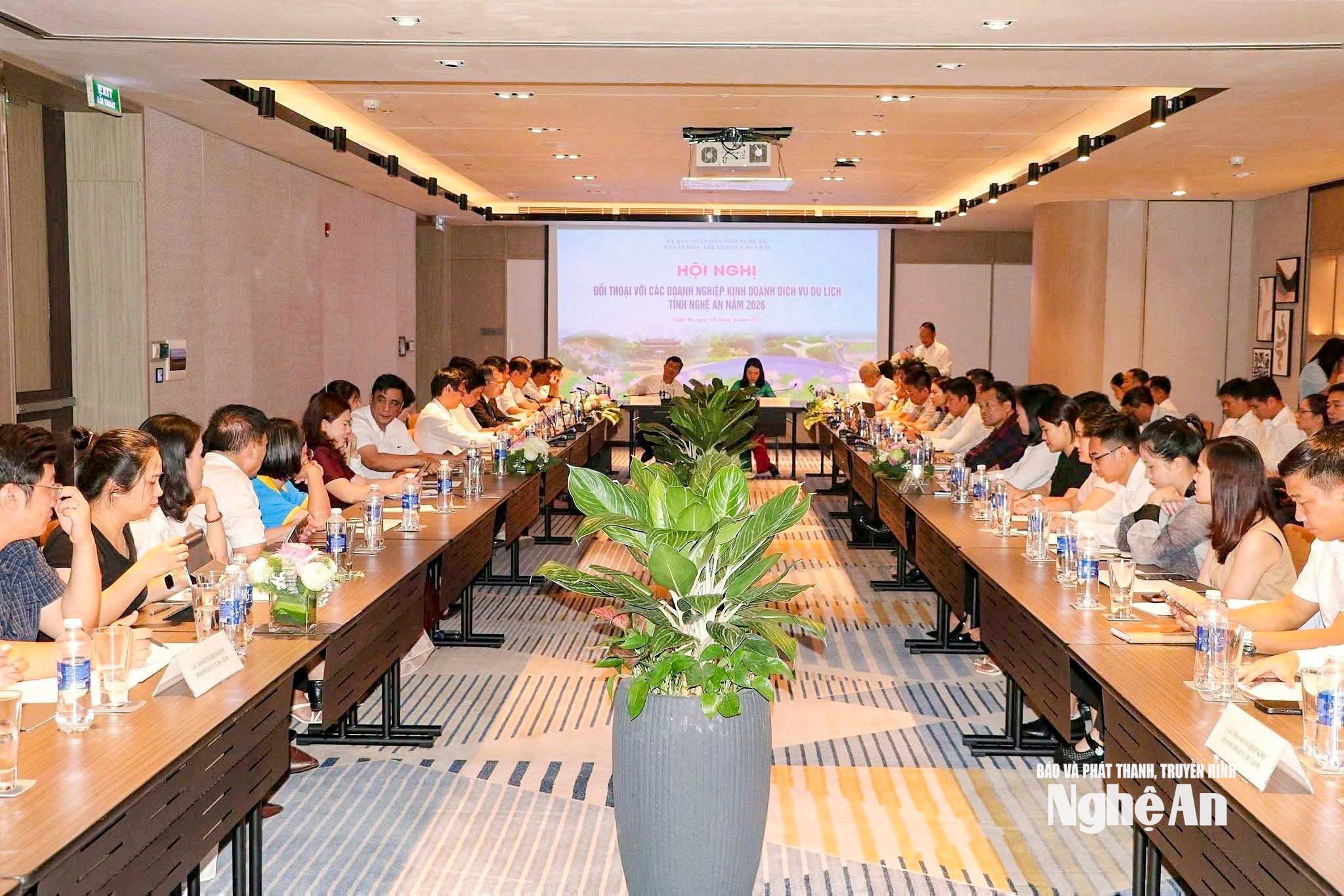
However, what businesses talked about more was not the number of visitors, but the quality of growth. One issue highlighted at the workshop was that Nghe An still lacks sufficiently strong connecting products to extend the length of stay and increase spending by tourists. Beach tourism remains highly concentrated in the summer; outside of the peak season, many hotels, restaurants, and services operate at a reduced capacity.
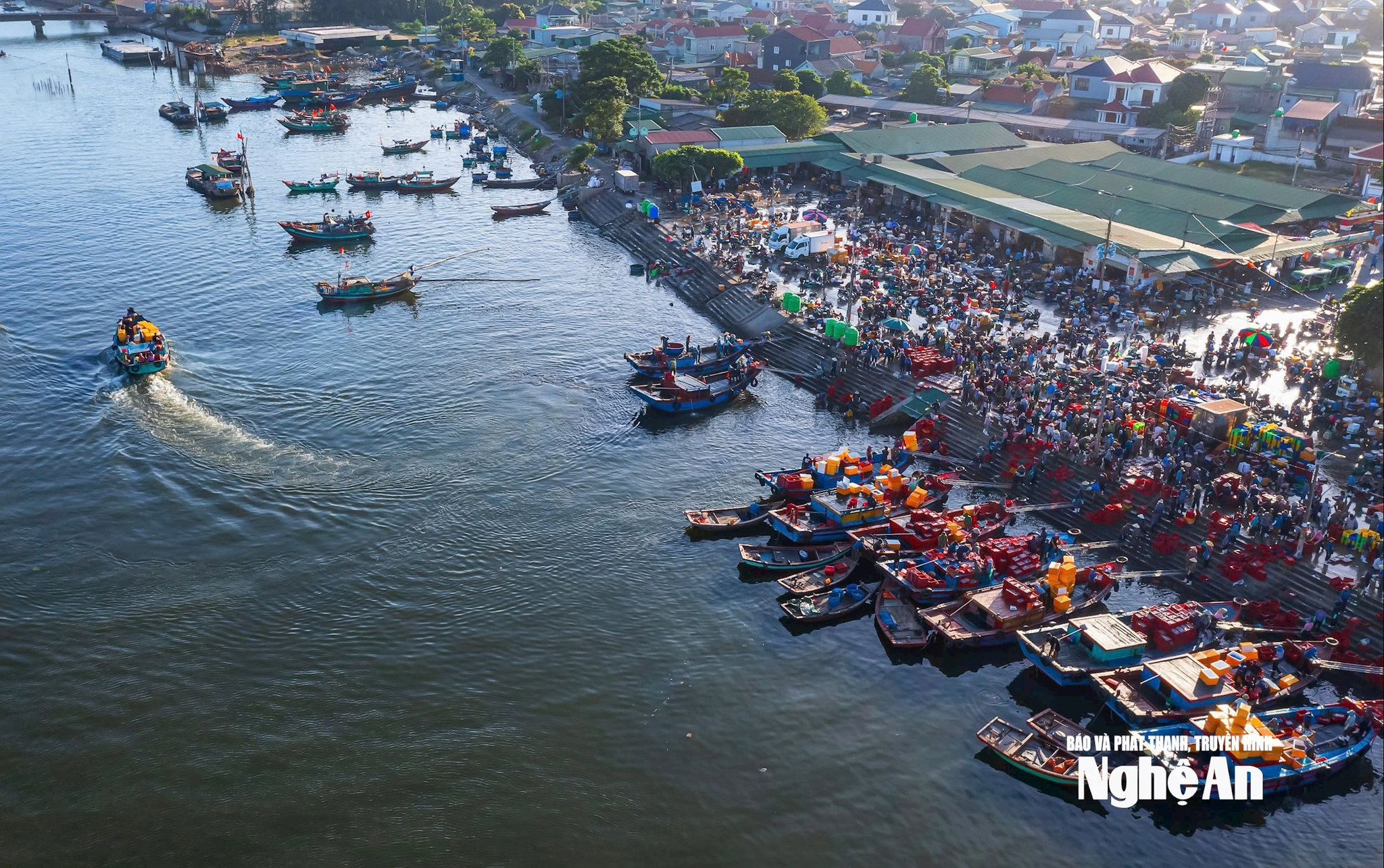
Meanwhile, cultural tourism, ecotourism, community tourism, health and wellness tourism, and night tourism have not yet developed into products strong enough to compensate for seasonality.
Mr. Nguyen Van Duan - DirectorVinpearl Cua Hoi HotelThey argue that a system of events should be held throughout the year, especially during off-peak seasons, to create more reasons for tourists to return.
Cua Lo has the advantage of a beach and a relatively developed system of accommodation and services, but if there is a lack of activities, shopping, entertainment, and recreation, it will be difficult to retain tourists for longer periods.
Mr. Nguyen Van Duan – Director of Vinpearl Cua Hoi Hotel
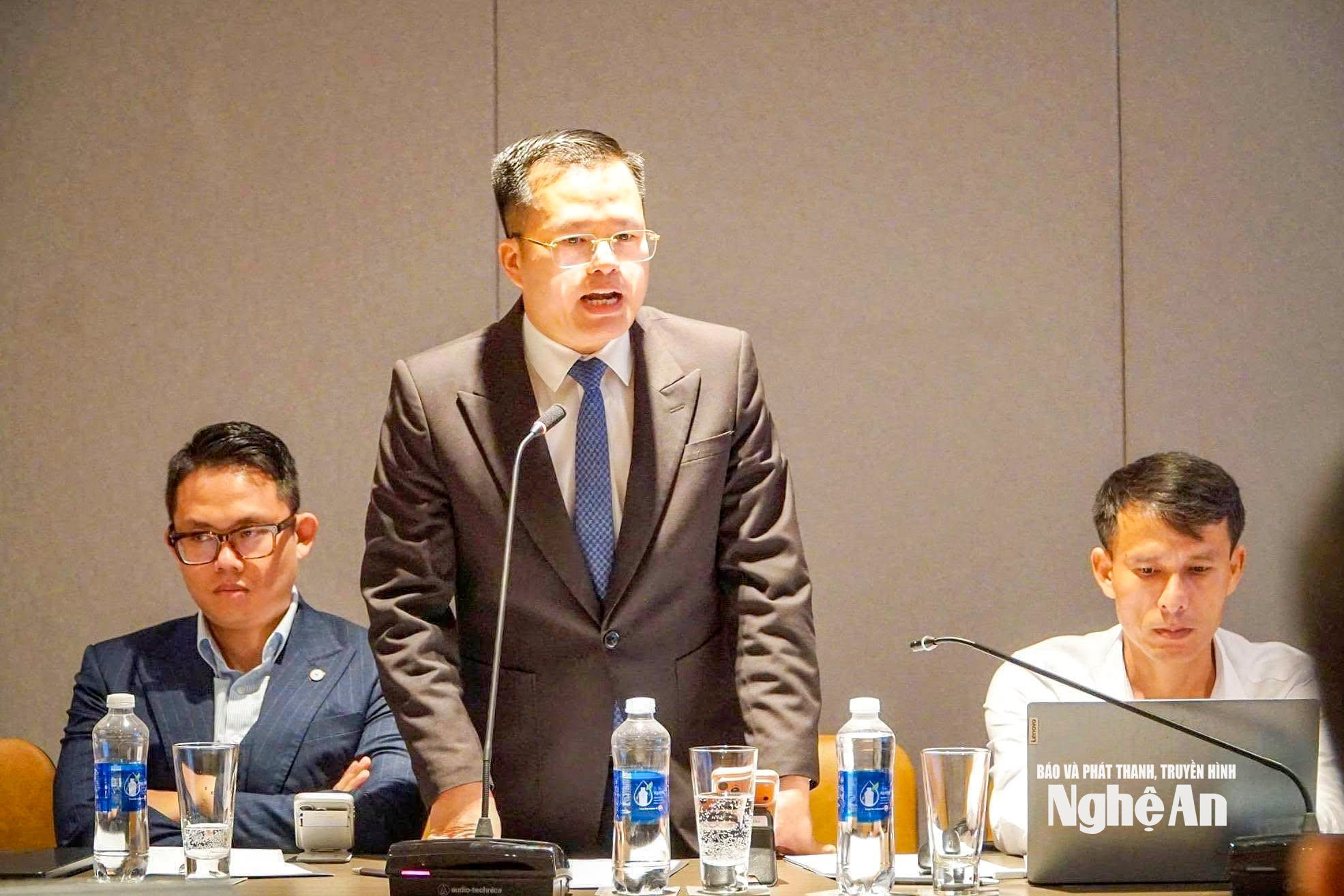
From western Nghe An province, Mr. Dinh Ba Cuong – Director of Nhat Minh Farmstay – observes that community tourism is at risk of duplication. Everywhere you look, there are stilt houses, local cuisine, and cultural exchanges, but there is no planned route, no clear roles assigned to each destination, and no unique identity created for each cluster.
Based on his experience in welcoming tourists, Mr. Cuong also pointed out a noteworthy detail: A new route attracting the attention of some international tourists is Hanoi – Pu Luong – Que Phong – Ky Son – Ho Chi Minh Highway – Hanoi. This detail shows that Western Nghe An has the potential to enter the map of experiences for international tourists, but this cannot be achieved through fragmented approaches. To become a sufficiently attractive stop on a regional tour, each destination must have clear information, convenient signposts, compelling cultural stories, and reliable services.
In the context of a two-tiered administrative system, each commune may only have a few outstanding tourist attractions; without organizing them into clusters, regions, or routes, it is very difficult to create a sufficiently comprehensive and in-depth product to attract tourists from travel agencies.
Mr. Dinh Ba Cuong – Director of Nhat Minh Farmstay
From a travel perspective, Ms. Cao Thi Thanh – Director of Vietravel Nghe An Tourism Company – proposed researching the possibility of opening a charter flight route between Vinh and Shenzhen (China). This proposal is not just about aviation; it also raises a broader issue: To increase international tourists, Nghe An must have sufficiently attractive products, readily available services, and a sufficiently quick coordination mechanism to transform the flight route into a real tourist flow. If there is only a flight route but lacks tours, experiences, and accompanying services, attracting and retaining international tourists will be very difficult to sustain.
Another issue raised by many businesses is that marketing efforts haven't truly reached the market. Many beautiful areas in western Nghe An province remain largely unknown to tourists; many OCOP products, traditional crafts, and local cuisine haven't been positioned as part of the tourism experience. Customers are the ultimate choosers, but for them to choose, the destination must be recognizable, told a compelling story, and connected by specific products.
From proposal to action
What is noteworthy about this conference is that many of the suggestions went beyond general comments. Businesses discussed small details in daily operations that directly impact the tourist experience: flight times, check-in times, electricity prices, seasonal staff, booking scams, temporary residence registration, signage, destination data, and day tours.
From an aviation perspective, Mr. Nguyen Thanh Son – Head Representative of Vietnam Airlines' Vinh Branch – suggested that Nghe An could consider developing all-inclusive packages that combine air tickets with accommodation, services, and experiential tours.
We are ready to cooperate with the province in supporting pricing, flight schedules, and researching the opening of new routes, including to more distant markets such as Asia and Russia. However, for these new routes to remain just expectations, the first thing needed is a sufficiently clear product, an attractive tour, and a sufficiently fast connection between airlines, travel agencies, hotels, and destinations.
Mr. Nguyen Thanh Son – Head Representative of Vietnam Airlines Vinh Branch
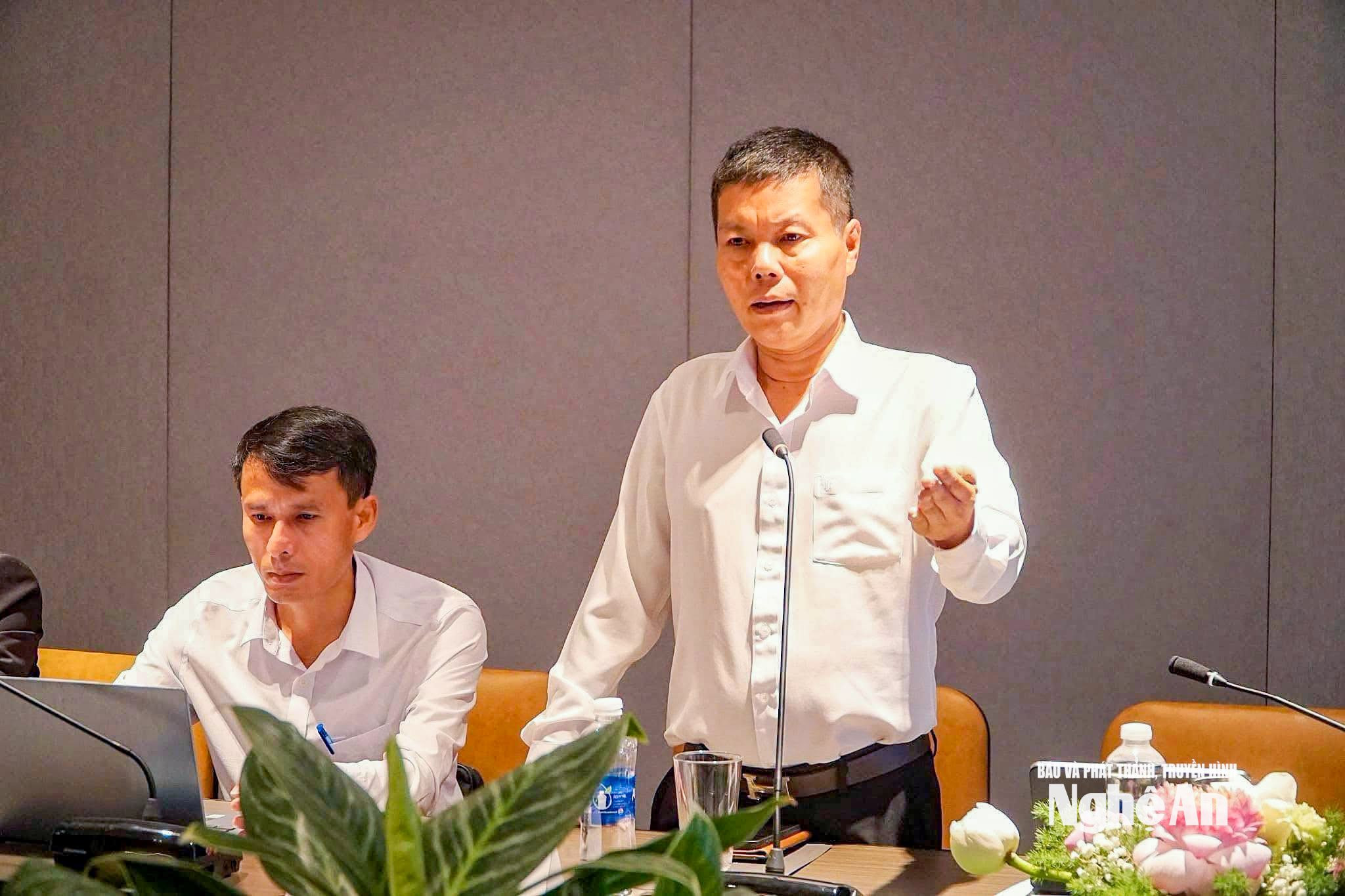
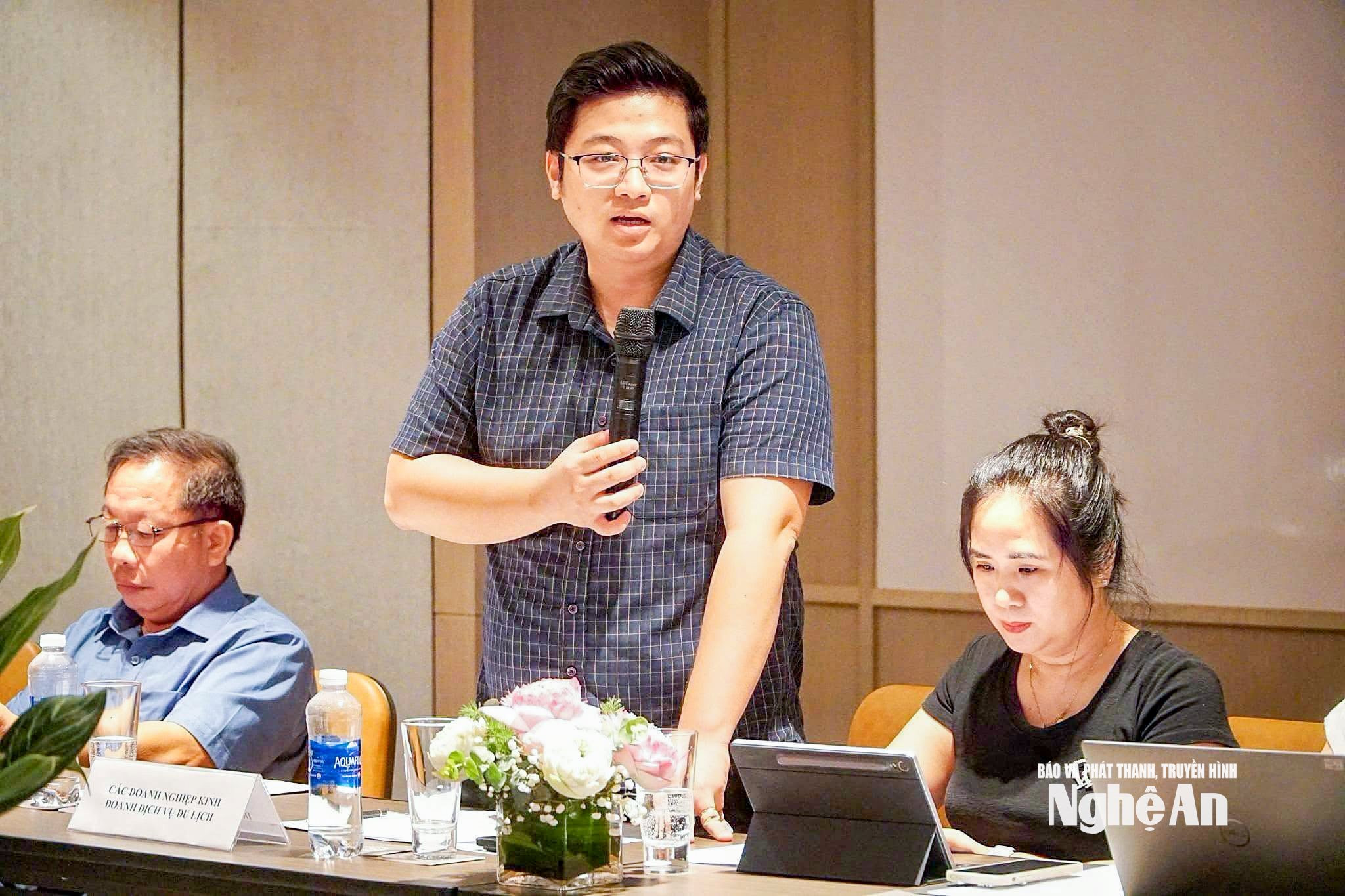
In the accommodation sector, Mr. Dam Van Thang, representative of Minh Chau Cua Lo Hotel, raised several issues that closely reflect the realities of business: Travel agencies lack sufficient daily tour packages to retain customers; online booking scams affect the reputation of accommodation establishments; electricity prices remain a cost burden; and the process of registering temporary residency for guests needs to be streamlined, especially in the context of increasingly stringent requirements for protecting personal information. These issues may not seem significant when viewed individually, but when repeated across multiple hotels, guesthouses, and restaurants, they become a reflection of the tourism business environment and destination management capabilities.
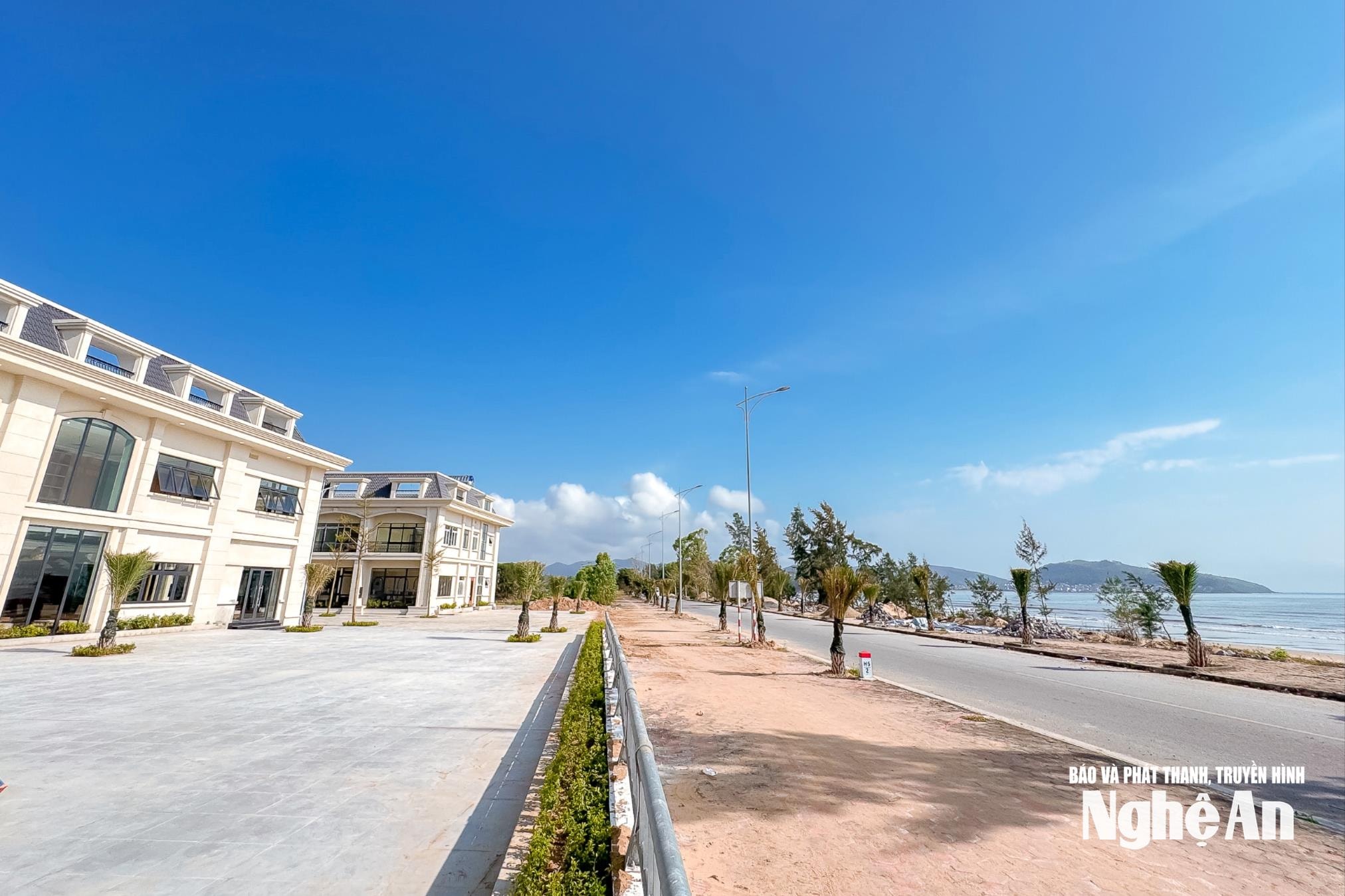
A new direction has also emerged from the Quang Khoi Wellness & Retreat health and wellness complex project. Mr. Tran Duc Huy – Deputy Director of Quang Khoi Traditional Medicine Hospital – believes that health tourism is a promising trend, but currently lacks specific guidelines related to medical services, wellness treatments, and procedures for receiving and managing foreign guests staying in coastal areas. This project has largely completed its work and is aiming for operation this year; therefore, the issues raised are no longer just ideas, but very specific requirements for a new product to enter the market.
From Quang Khoi's proposal, it is clear that as tourism products develop in a more specialized direction, inter-sectoral coordination between culture and tourism, health, police, local authorities, and businesses becomes increasingly necessary. New products cannot grow without clear guidelines. Conversely, if the obstacles are addressed promptly, health and wellness tourism could become a piece of the puzzle that helps Nghe An reduce its dependence on the beach season, expand its customer base, and extend the length of stay.
Regarding human resources, many businesses consider this a "life-or-death" issue for the industry. Many tourism businesses still rely heavily on seasonal workers, resulting in inconsistent quality of experiences, especially in food and beverage services and accommodation. Meanwhile, Nghe An has many training facilities, but the connection between the government, schools, and businesses is still not truly effective. Tourism training, therefore, needs to be aligned with the actual labor needs of hotels, restaurants, travel agencies, and tourist areas and destinations.
To ensure dialogue doesn't stop in the auditorium.
In response to the businesses' opinions, Ms. Tran Thi My Hanh, Director of the Department of Culture, Sports and Tourism, directly discussed many issues within the department's responsibilities. Notably, the department is focusing on boosting the Autumn-Winter season through several new products such as the "Mo Te Show - Stories of Lang Sen Village" night tour, river tours, and art performances on Lan Chau Island.
These are noteworthy suggestions, because if these products are well connected with accommodation, travel, food, transportation, and digital media, Nghe An will have more tools to reduce seasonality and attract tourists even during the off-peak months of beach tourism.
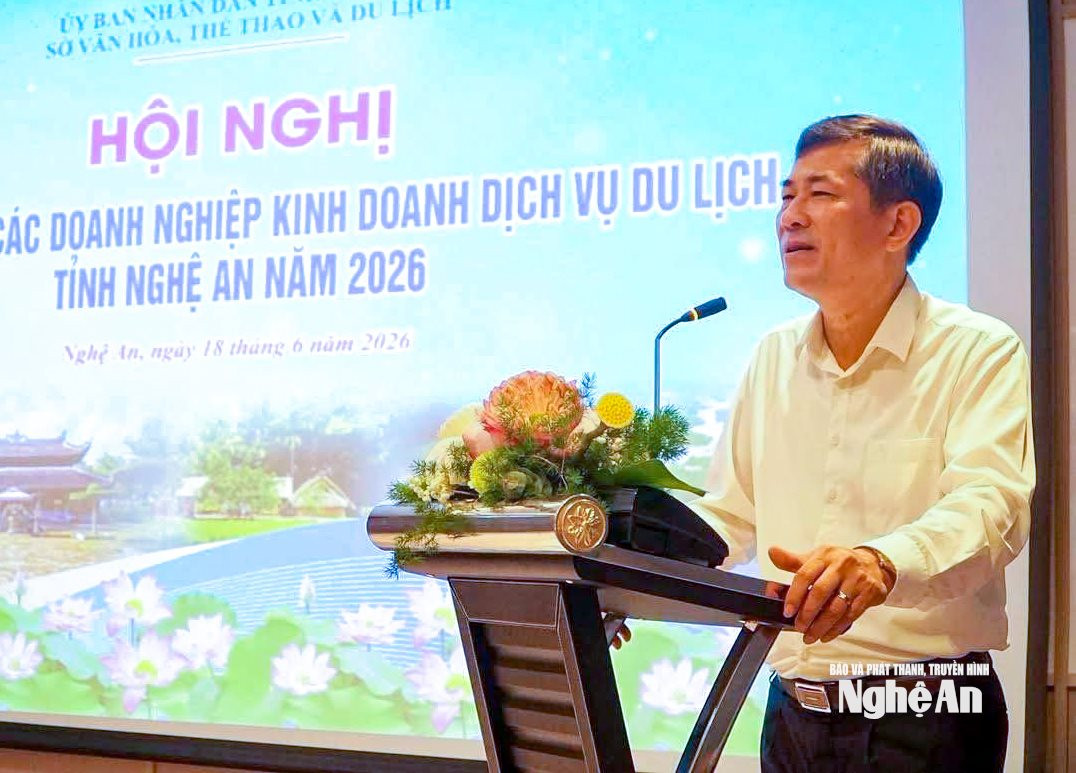
In his keynote address at the conference, Vice Chairman of the Provincial People's Committee Thai Van Thanh emphasized the need to shift from a mindset of exploiting potential to one of creating value; from single-sector development to the development of a tourism ecosystem; and from competition based on resources to competition based on products, services, and experiences. This was also the crucial point of the dialogue: the State plays a facilitating role, while businesses must be the direct actors in building products, improving service quality, proactively linking with and taking responsibility for the visitor experience.
A notable new point in the guiding principles is the requirement to implement a "smart address" model, applying artificial intelligence in promoting destinations, accommodations, and tourism products on digital platforms; and integrating OCOP products and cultural heritage into the smart tourism ecosystem. If implemented effectively, this is not just a matter of technology, but a way for tourists to find information before their trip, for businesses to sell their products to the right market, and for management agencies to have better data for operation.
From the conference, it's clear that what businesses need is not just a forum for presentations, but a mechanism for post-dialogue. Proposals regarding flight routes need to be linked to products and markets; proposals on community tourism need to be linked to route, cluster, and regional planning; proposals on accommodation need to be addressed alongside issues of electricity, temporary lodging, and secure digital transactions; and proposals on digital transformation need to be implemented through concrete tools such as destination data, smart addresses, tourist maps, product promotion platforms, and professional identification systems for OCOP (One Commune One Product) and heritage sites. Only when each group of issues has a designated point of contact and a roadmap for resolution will the dialogue truly move beyond the conference hall.


