
What's left after the fireworks?
The spectacular fireworks display brought the Cua Lo Tourism Festival to a close. The dazzling images were shared and spread across social media, once again marking Cua Lo's place on the tourism map and in the minds of visitors. However, after the fireworks, the next morning, when the tide receded and the crowds dispersed, what remained on the beach was not the lingering joy, but a pile of garbage!
.jpg)
Mr. Nguyen The Son, Deputy Head of the Culture and Social Affairs Department of the Cua Lo Ward People's Committee, wrote a heartfelt status update on his personal Facebook page. The original text is hereby published:"You've arrived!AlreadyYou leave behind a mess of "consciousness" in the seaside town, then expect others to work tirelessly all night to clean up your "consciousness" to ensure Cua Lo remains green, clean, and beautiful. Have you ever put yourself in the shoes of those workers?mIs it possible to work in an environment with meager wages and have to stay up all night cleaning? Every family should educate their children about environmental protection, contributing to a better society. This is our hope."
Accompanying the status update was a picture of two people sitting next to scattered plastic cups, empty cans, plastic bags, leftover food, and abandoned shoes – a silent language that "told" how people left and what they left behind. The status update and photo attracted hundreds of reactions, comments, and shares.

This is not the first time the issue of environmental hygiene at Cua Lo beach in particular, and tourist areas and destinations in general, has been raised. Countless articles, photo series, and social media posts have highlighted concerns about environmental protection. We have criticized, condemned, and urgently called for stricter deterrent penalties, but the core issue—citizenship, or more profoundly, how each individual defines their responsibility in the shared space—is rarely addressed.
Our ancestors had a saying: "A shared father is mourned by no one..." In crowd psychology, the boundary between "one's own business" and "the common good" is often blurred. A beach, a park, a crowded street… when no specific individual is clearly "in charge," individual consciousness easily becomes diluted. People meticulously clean their own homes, identifying themselves as OCD (Obsessive-Compulsive Disorder) in every detail of their personal lives, yet they are careless, sloppy, even cruel, to places they only visit briefly. This carelessness isn't intentional destruction, but it permeates every small action, like leaving a cup, a bag of trash, or an empty can behind, with the casual thought, "Someone will clean it up." This way of thinking becomes ingrained habit, and when this habit is repeated by thousands or tens of thousands of people at the same time, it becomes a social problem.
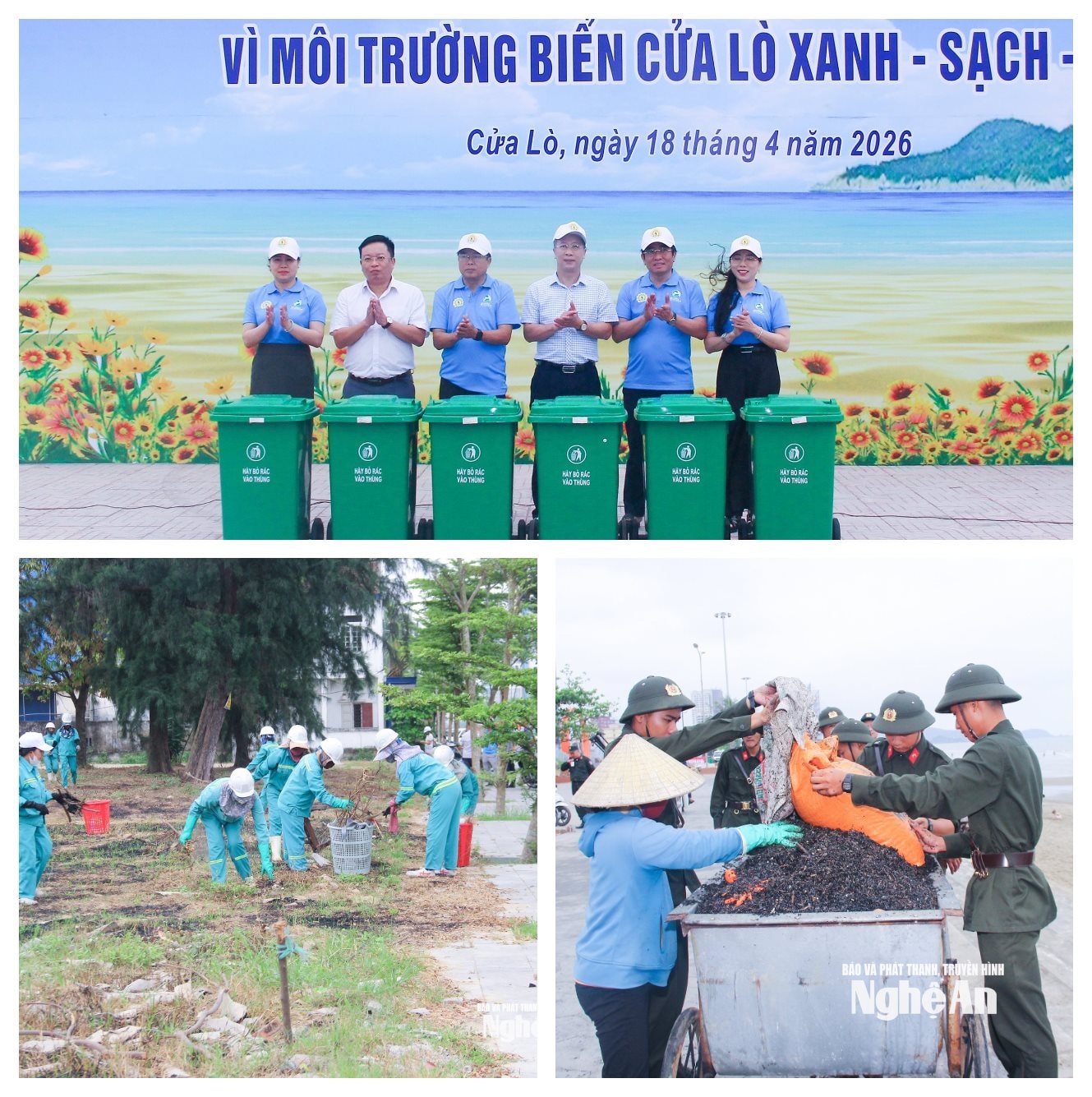
Under Mr. Nguyen The Son's status update, there were many noteworthy comments. Many people working in the tourism industry expressed their weariness at witnessing the familiar scene after each peak season. Local residents recounted images of groups of young people spreading mats to eat and drink right on the beach, then turning their backs and leaving behind an unfinished "garbage party." Some opinions suggested more drastic solutions, such as increasing fines, erecting warning signs, strengthening supervision and reminders, and adding more mobile trash cans…
Those opinions and suggestions are not wrong. From a management perspective, sanctions are always a necessary part. Without regulations and penalties strong enough to deter violations, relying entirely on the self-awareness of the people is perhaps too optimistic. Many famous tourist areas in other countries have proven that large fines, strictly enforced, can change behavior very quickly. However, if we stop there, the story will still return to square one after each tourist season. I think, besides the lack of strict regulations, we also need to frankly look at how people define the relationship between themselves and the community. When each individual sees environmental protection as something obvious, needing no reminders or supervision, only then can we talk about the maturity of community awareness.
Here, the story of propaganda and education becomes more important than ever. Do we have propaganda about environmental protection? Yes. We do a lot of it, month after month, year after year. Do we have educational lessons on environmental protection? Yes, and many of them. But even with all that, it still hasn't been able to change the mindset of a segment of the population. Perhaps, no matter how much theory is used for propaganda and education, it can't carry as much weight as setting a good example through concrete actions within each family. A child who sees their parents carelessly throwing trash on the beach will learn to do the same. A child who is reminded to pick up trash after each picnic will carry that habit for life. These seemingly simple things are the foundation of social norms.
It's also worth mentioning another aspect: the fairness in how labor is perceived. When people implicitly assume, "the sanitation workers will take care of it," it inadvertently lowers their work on the labor value scale. Cleaning up trash is seen as a natural obligation, rather than a respected social service. Sanitation workers don't just clean up trash; they clean up the consequences of a lack of awareness. They work in unpleasant conditions, with average incomes, to restore cleanliness to spaces that many others have carelessly polluted. Looking at the photo of the beach after the festival, what's thought-provoking isn't just the amount of trash, but the countless hours of silent, hard work behind it.
Ultimately, tourism is not just about infrastructure, services, and promotion. It's also about cultural behavior. A beautiful destination, well-invested in, will lose its appeal if the visitor experience is tied to unsightly landscapes and messy scenes left behind after each event. The success of a festival lies not only in the number of visitors, but also in how the local authorities manage the "footprint" they leave behind. And more profoundly, in how each visitor is aware of their own footprint.
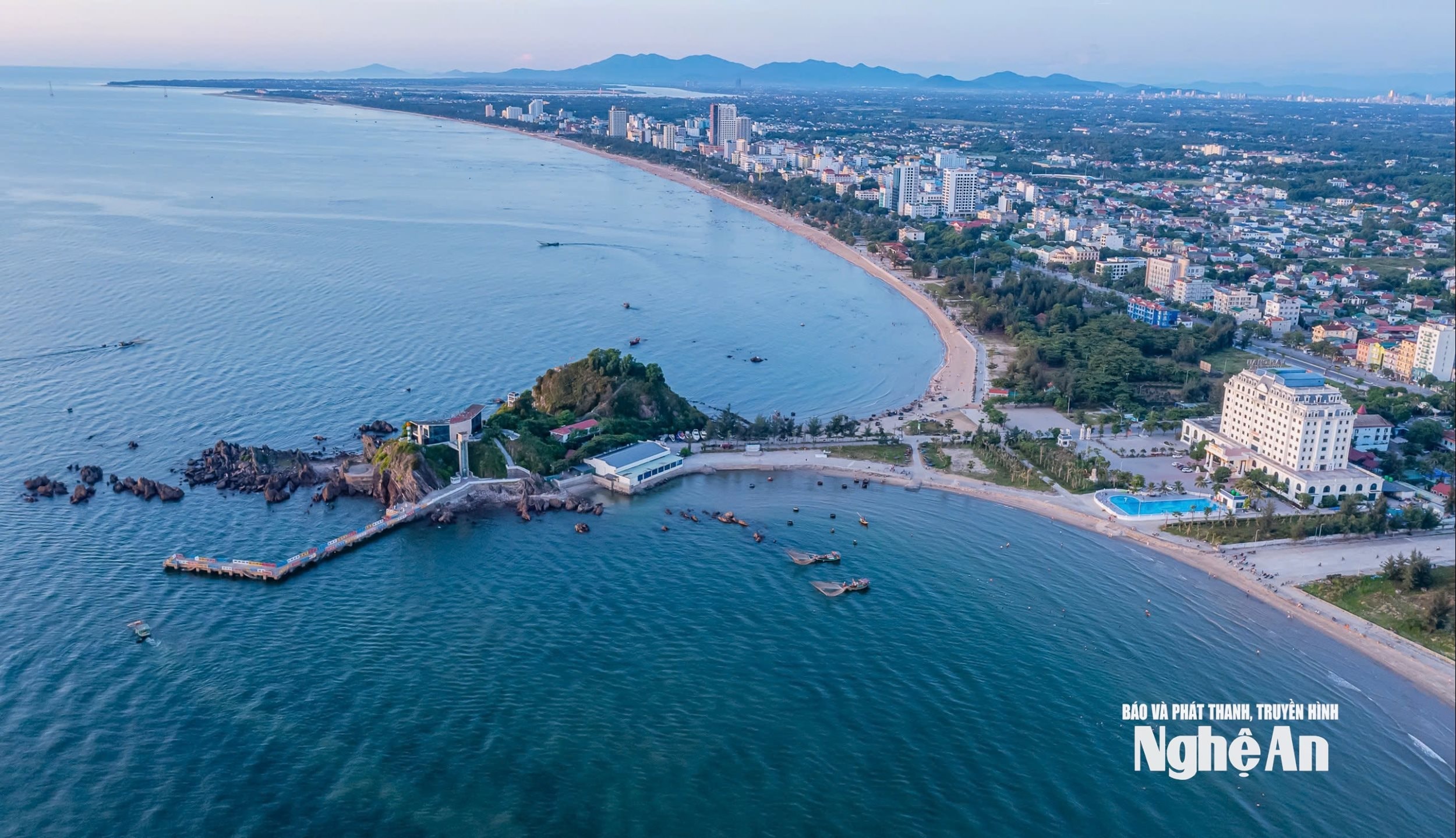
Like many other tourist areas and destinations, Cua Lo is facing the challenge that the more tourists it attracts, the greater the pressure on the environment. This might lead to more trash cans, more cleaning staff, and more public awareness campaigns. Stricter regulations and more deterrent fines might also be implemented. However, above all, a shift in awareness is the decisive factor.
Mr. Nguyen The Son's question:Have you ever put yourself in the shoes of the workers?mIs it possible to work in an environment with meager wages and have to stay up all night cleaning?”This gesture is surely not only for those who were present in Cua Lo on the night of the fireworks, but for everyone who has ever stepped out of their home and used a shared space. How one leaves, and what one leaves behind, is how each person writes their own story of kindness.


