
Tighten price controls to prevent shortages and speculative profiteering.
Despite abundant supply and a controlled CPI, risks from exchange rates, energy prices, and rising consumer demand remain significant challenges for price management in the coming period. This includes ensuring a balance between supply and demand, preventing shortages, speculation, hoarding, and unreasonable price increases.
Inflation risks as the economy accelerates.
According to data from the General Statistics Office of the Ministry of Finance, Vietnam's average consumer price index (CPI) in 2025 is projected to increase by 3.31% year-on-year, marking the 11th consecutive year that inflation has been controlled at below 4%. In January 2026, the CPI increased slightly by 0.05% compared to the previous month and by 2.53% year-on-year; core inflation increased by 3.19%.
According to the Ministry of Finance, in the first month of the year, before, during, and after Tet (Lunar New Year), the domestic supply of consumer goods, food, and foodstuffs was abundant, meeting the needs of the people, so prices did not fluctuate much.
Furthermore, the experience and steadfast commitment of the National Assembly and the Government in maintaining macroeconomic stability and controlling inflation over the past years and in the future helps to strengthen the confidence of businesses and the people in a stable macroeconomic environment, thereby stabilizing inflation expectations.
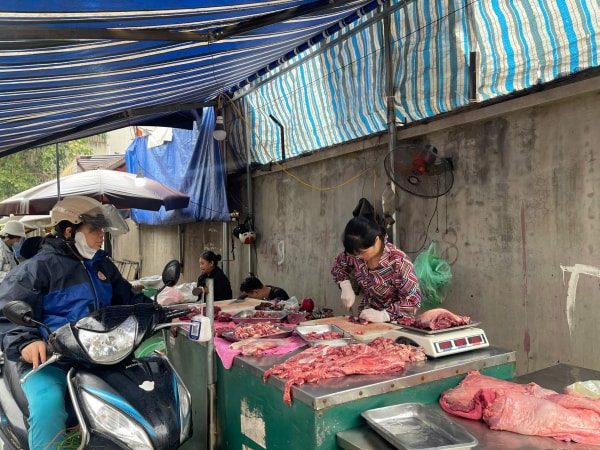
However, experts warn that inflation risks may increase as the economy enters a period of accelerated growth. High GDP growth targets mean expanded aggregate investment and consumption demand, putting pressure on price levels. In addition, exchange rate fluctuations, energy prices, logistics costs, and adjustments to public service prices according to the "accurate and complete" pricing roadmap could impact the CPI in 2026.
Associate Professor Dr. Ngo Tri Long believes that the Lunar New Year holiday is usually a time when consumer demand increases sharply, easily leading to localized price increases in the food, beverage, transportation, and tourism sectors. If managed properly...Due to proactive measures, prices may remain high after the Lunar New Year, impacting production costs and inflation expectations. In an unfavorable scenario, inflation in 2026 could exceed the 4.5% target and reach around 4.8%, especially given significant fluctuations in exchange rates and global energy prices.
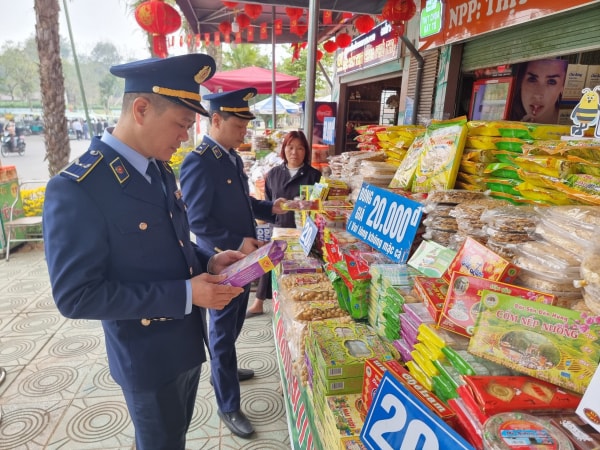
After the Lunar New Year, when festivals are in full swing, market inspection and control are intensified, especially in festival areas and popular tourist destinations. The Department of Domestic Market Management and Development (Ministry of Industry and Trade) has requested the Departments of Industry and Trade in provinces and cities to strengthen inspection and supervision of business activities during early spring festivals. Simultaneously, market management forces are required to focus on checking price listings and ensuring sales adhere to listed prices; strictly handle acts of speculation, hoarding, price gouging, and price manipulation that violate regulations, ensuring a healthy and transparent business environment and preventing price gouging that causes public outrage.
Identifying the challenges lurking in the face of inflation.
Although the market remained stable during the Lunar New Year period thanks to abundant supply, regarding inflation trends in the first months of 2026, Ms. Nguyen Thu Oanh, Director of the Price Statistics Department (Statistics Bureau, Ministry of Finance), stated that 2026 cannot be taken lightly as inflation risks remain unpredictable with four main challenges: fluctuations in global energy and commodity prices; high logistics costs; the risk of supply chain disruptions due to geopolitics, natural disasters, and climate change; and increased demand pressure as consumption, production, and public investment accelerate. Therefore, management needs to be proactive and cautious, ensuring a balance between supply and demand and controlling inflation expectations to maintain macroeconomic stability.
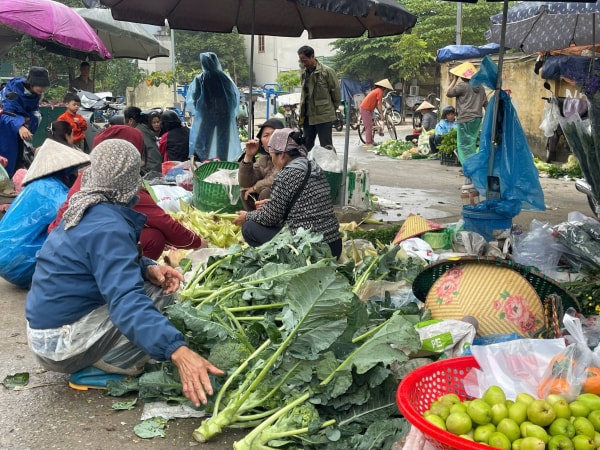
In the long term, according to Associate Professor Ngo Tri Long, given the high GDP growth target, inflation management in 2026 cannot simply be reactive to price fluctuations. Instead, it is necessary to shift to proactive inflation risk management, from controlling inflation expectations—the "anchor" of macroeconomic stability—to building a transparent roadmap for adjusting prices of state-managed goods, avoiding sudden and shocking price increases.
In addition, strengthening supply buffers for food and energy; reducing logistics, transportation, and informal costs are fundamental solutions to limit structural inflationary pressures.
"Controlling inflation is not just about keeping the CPI below the target threshold, but more importantly, it's about strengthening market confidence in the stability and consistency of policy. When inflation expectations are firmly anchored, the economy will have enough room for high and sustainable growth," Associate Professor Ngo Tri Long emphasized.
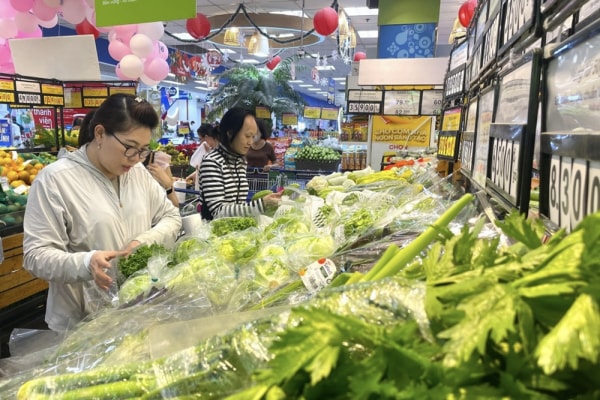
Forecasting several factors that will put pressure on the price level in 2026, Deputy Minister of Finance Le Tan Can said that in 2026, the price level may be pressured by rising prices of imported raw materials and exchange rates, causing domestic production costs and consumer prices to increase. Geopolitical tensions and trade competition could push energy prices up. Adjustments to prices of some items such as sand, construction stone, pork, and state-managed services (healthcare, education) according to a planned schedule will also contribute to an increase in the CPI.
However, price pressures are expected to ease thanks to cooling global inflation, abundant food supplies, tax and fee reductions to support businesses, and flexible monetary policy. With global growth remaining low, world commodity prices are unlikely to rise sharply in 2026.
In 2026, controlling inflation and managing prices flexibly will continue to be a challenge amidst global economic instability. Resolution 244/2025/QH15 sets a target of an average CPI of approximately 4.5%. To achieve this goal, the Ministry of Finance will coordinate with other ministries and agencies to implement comprehensive solutions, focusing initially on stabilizing prices during the Lunar New Year holiday, ensuring a balance between supply and demand, and maintaining reserves of essential goods. Simultaneously, it will closely monitor global prices, improve forecasting quality, and develop flexible response scenarios.
Associate Professor Ngo Tri Long predicted that Vietnam's inflation in 2026 will be controlled thanks to the recovery momentum from 2025. “Based on the very solid recovery momentum of 2025, 2026 will create a foundation for growth of over 8%, and inflation will be controlled according to the National Assembly's target of below 4.5%. The recovery momentum of 2025 is very solid, and with such a foundation, it creates good conditions for 2026,” said Associate Professor Ngo Tri Long.


