
Sinner, Sabalenka, and Djokovic led a historic resistance at Roland Garros.
Ahead of Roland Garros 2026, tennis superstars are launching an unprecedented protest campaign to oppose unfair revenue sharing and demand better rights for athletes.
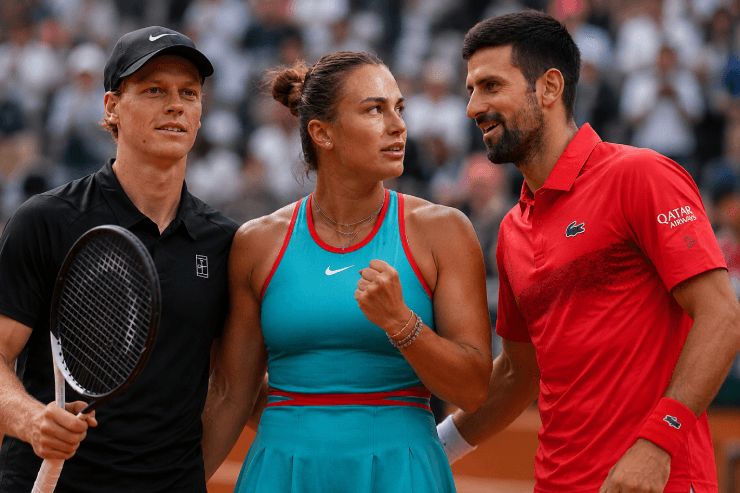
The atmosphere leading up to Roland Garros 2026 is more tense than ever, not because of the clashes on clay courts, but because of the strong wave of protest from top stars. Jannik Sinner, Aryna Sabalenka, and Novak Djokovic have all launched a "soft protest" to put direct pressure on the organizers of the French Grand Slam regarding economic issues and athletes' rights.
Sophisticated counter-tactics from the world of tennis.
Instead of boycotting the tournament, the players chose a calculated form of protest to avoid severe penalties. Accordingly, all participants in the campaign simultaneously left the pre-tournament press conference room the moment the clock struck 15 minutes. This number is symbolic, ironically mocking the fact that Grand Slam tournaments currently allocate only about 15% of their revenue to pay prize money to athletes.
Furthermore, the group of superstars is expected to refuse exclusive interviews with major television rights holders such as TNT Sports or Eurosport. They stated that they will only give short, mandatory on-court interviews to fulfill their minimum obligations without creating additional commercial value for the tournament.
The unity of symbols of power
Aryna Sabalenka has been identified as one of the strongest initiators of this movement. The world number one tennis player asserts that solidarity is the only way for athletes to regain their voice after years of being disregarded by the organizers. Sharing this view, Jannik Sinner made a strong statement: "Without the players, this tournament would not exist," while also criticizing the Grand Slam's long-standing disregard for dialogue efforts.
Notably, Novak Djokovic, as co-founder of the Professional Tennis Players Association (PTPA), has publicly supported the protest. The Serbian legend emphasized that the current profit-sharing system is outdated and needs fundamental reform to protect the future of the next generation of tennis players.
Deep contradictions regarding the economic problem.
The direct cause of the players' anger stems from the tournament's financial figures. Although Roland Garros' revenue is projected to exceed €400 million, the prize money share for athletes has been trending downwards, from 15.5% to 14.9%. This share is significantly lower compared to ATP/WTA 1000 tournaments and pales in comparison to the business models of major American leagues like the NBA or NFL.
In addition to prize money, tennis players are also demanding improvements in healthcare standards, retirement benefits, and greater autonomy in scheduling increasingly demanding tournaments that negatively impact athletes' health and careers.
Emergency response from the organizers.
Facing the risk of a widespread media crisis erupting on the opening day, the French Tennis Federation convened an emergency meeting on May 22nd. President Gilles Moretton and Tournament Director Amelie Mauresmo are expected to directly negotiate with representatives of the players' group to seek a settlement agreement.
The outcome of these negotiations will determine the face of Roland Garros 2026. If no common ground is reached, the tournament could witness one of the biggest power struggles in modern tennis history, where stars will fight not only for the title but also for status and fairness in the profession.


