
The Nghe An Department of Health directs the work of medical examination, treatment, and disease prevention and control following Typhoon No. 10.
Currently, due to the impact of typhoon number 10, many areas in the province have experienced flooding and inundation, increasing the risk of outbreaks of various diseases.
The Nghe An Department of Health has just issued Official Letter No. 4266/SYT-NVY "on ensuring medical services after Typhoon No. 10 and floods" to the Provincial Center for Disease Control; public and private medical examination and treatment facilities; and medical centers under the Nghe An Department of Health.
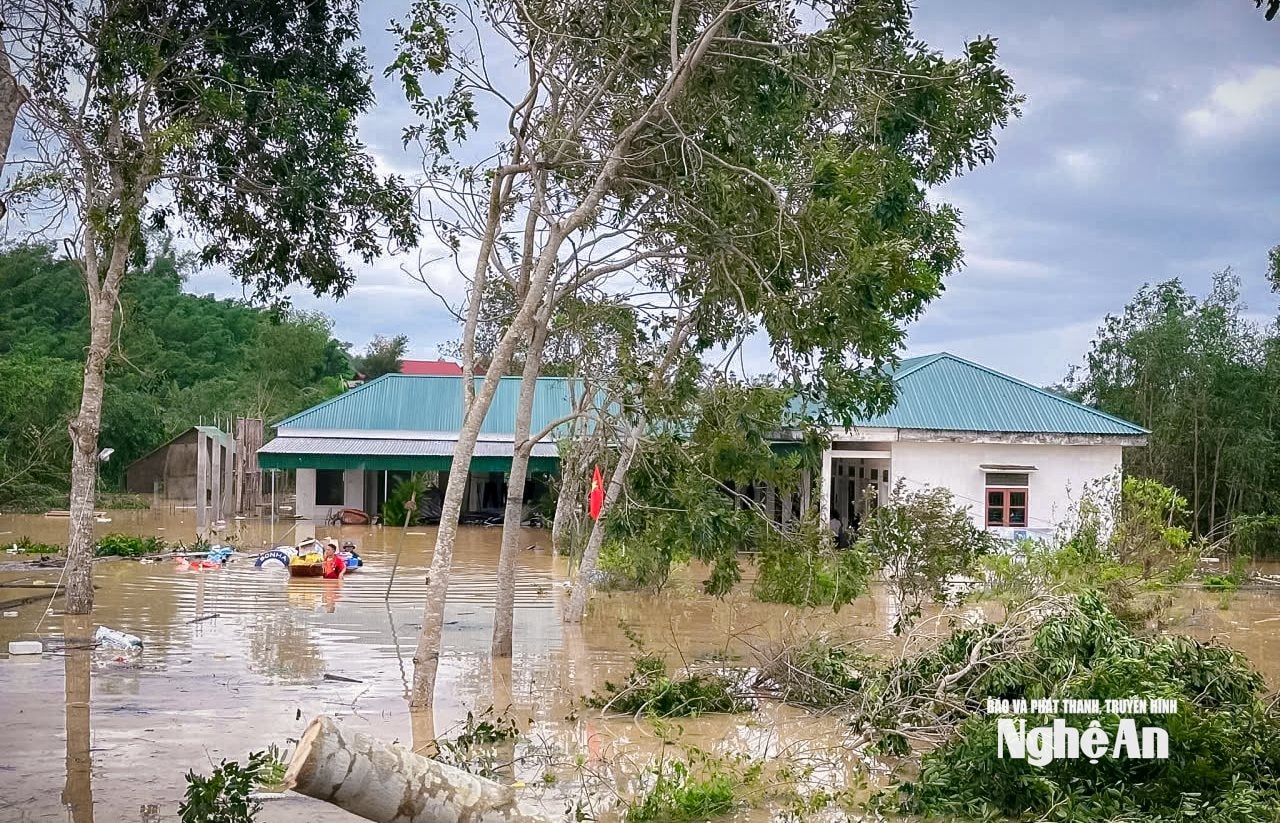
The official document states: Currently, due to the impact of Typhoon No. 10, many areas in the province have experienced flooding. To ensure medical examination and treatment; environmental sanitation and disease prevention and control, the Department of Health requests medical facilities in areas at risk of flooding to immediately implement plans to protect assets, facilities, and equipment; proactively evacuate and protect people and property in low-lying areas at risk of flooding, flash floods, landslides due to the impact of the storm.
Review and supplement plans and response strategies for natural disasters to closely match actual requirements, following the "four on-the-spot" principle for effective implementation and minimizing damage; review, balance, reallocate, and supplement the stock of medicines, chemicals, and supplies to ensure adequate provision; organize inspections and monitoring of the implementation of disease prevention and control activities and healthcare services in the area.
Be prepared to promptly receive, provide emergency care, and treat victims of storms and floods; have plans to mobilize personnel and resources, and promptly plan for ordering and purchasing additional supplies and reserves to ensure sufficient medicines, supplies, equipment, and hospital beds are available to avoid being caught off guard in any situation.
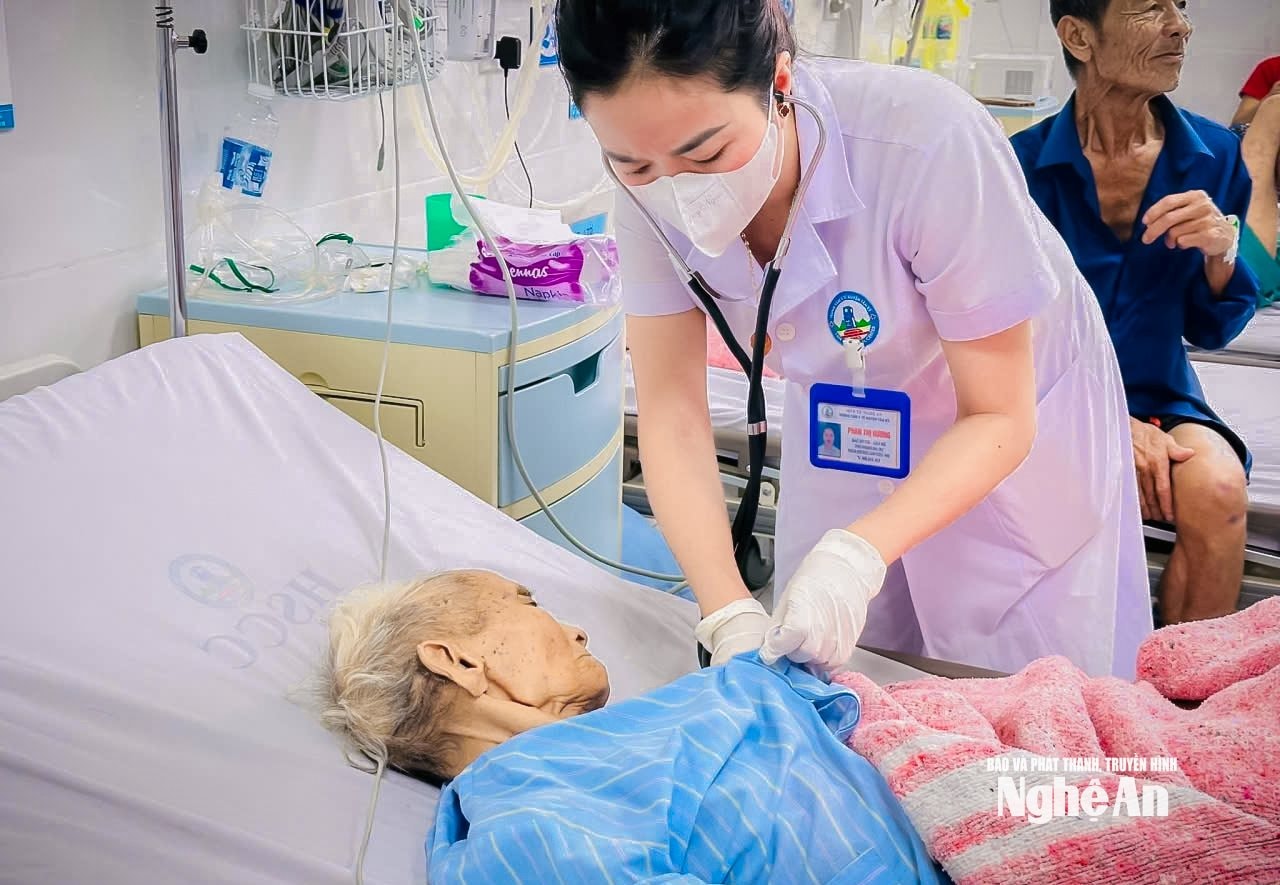
The Department of Health has instructed health centers to coordinate with local authorities to review and develop plans for alternative locations to organize healthcare services for residents in cases where local health stations are affected by storms and floods and cannot operate.
Healthcare facilities continue to closely monitor and implement disease response measures during storms, floods, and landslides; promptly detect and treat infectious diseases at risk of outbreaks; isolate and manage disease outbreaks; and effectively coordinate with relevant units in protecting the health and lives of the people.
Prepare disinfectants and sterilization chemicals; coordinate with local authorities to organize environmental sanitation, disinfection, treatment of drinking water, waste collection, and ensure clean water for the people.
Strengthen public awareness campaigns in areas affected by storms, floods, and landslides regarding personal hygiene, environmental sanitation, and house cleaning immediately after the storms and floods (cleaning the environment as soon as the water recedes); treat flooded wells, boreholes, and water tanks according to the Ministry of Health's guidelines; organize the spraying of insecticides and disease vectors in high-risk areas after environmental sanitation; ensure health care and food safety, and the use of clean water; and strengthen inspection and monitoring of the quality of clean water used for domestic purposes after storms and floods.


