
Promptly remove bottlenecks in the development of supporting industries.
(Baonghean.vn) - The supporting industries still face many limitations, leading to a situation where production is largely dependent on imported components and raw materials. Finding solutions to attract supporting industry projects and promote the development of processing and manufacturing to increase production value is a pressing issue.
Numerous "bottlenecks"
One of the major requirements and orientations for industrial development in Nghe An is to prioritize investment and attract projects that are driving forces and leading the industrial sector; projects must have modern technology and equipment for deep processing, bringing high added value and intellectual content; and limit the processing and export of raw products. Along with that, priority should be given to supporting satellite businesses and supporting industries to attract local labor…
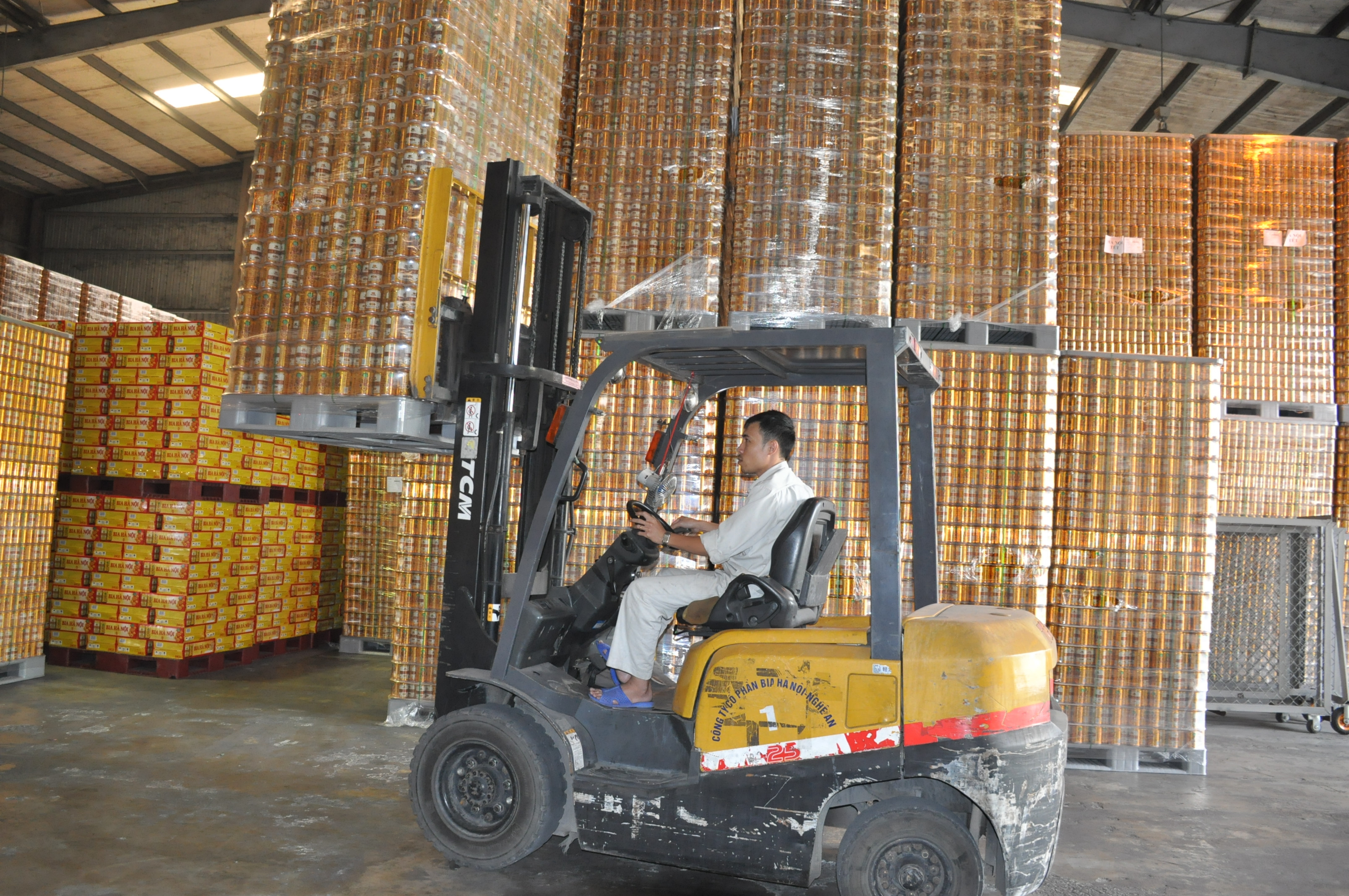
However, for a long time, the province has failed to attract key industrial projects. The supporting industries remain underdeveloped, limiting opportunities for local businesses to participate in global production and supply chains provided by FDI enterprises. To date, except for the cement and beer industries, which have some supporting businesses supplying items such as packaging, containers, and transportation, other industrial products still lack supporting businesses capable of meeting the requirements.
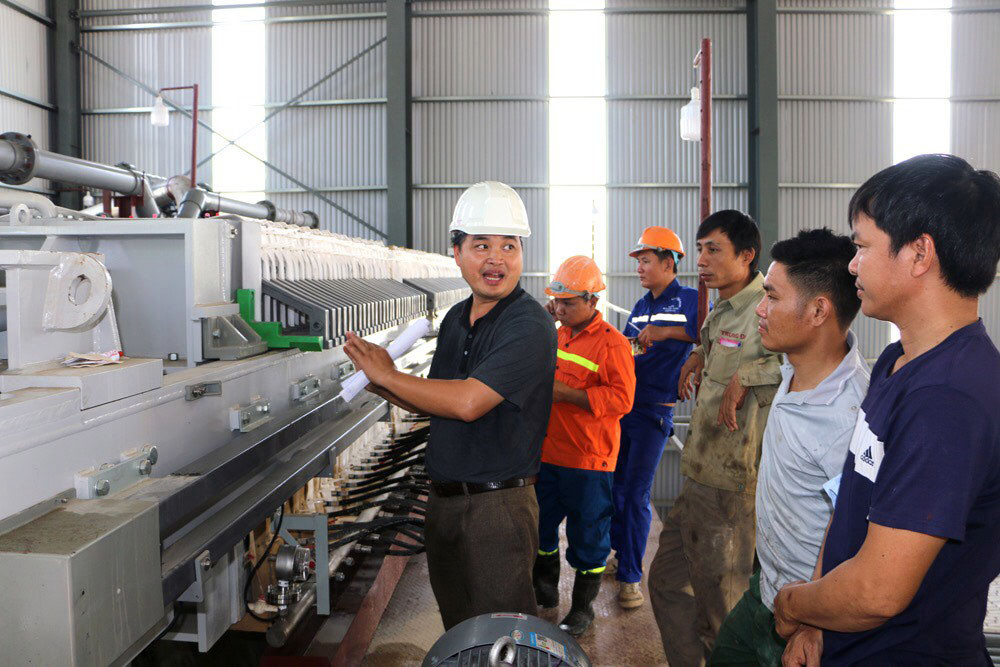
For example, Trung Do Joint Stock Company, which previously produced granite tiles and ceramic roof tiles, struggled to find suppliers in other provinces to repair equipment whenever its production line broke down. Even components like straps and packaging for tiles had to be ordered from Hanoi and Nam Dinh. Currently, with the introduction of large-scale artificial sintered stone slabs, the company still relies on external suppliers for construction equipment and adhesives, leading to increased product prices and creating difficulties for the business.
Textiles and garments are one of Nghe An's key industries. However, while there are many garment factories in Nghe An, there are too few supporting and satellite businesses. Industries such as weaving and dyeing in Nghe An are still underdeveloped. The entire province currently only has one yarn factory (Hoang Thi Loan Textile and Garment Joint Stock Company) with a production capacity of 20,000 tons of yarn per year; one embroidery facility (Lac Son Industrial Cluster, Do Luong district) and about 18 other hand-weaving facilities. There is only one yarn production factory – the Vinh Yarn Factory, which was invested in during the 1990s.
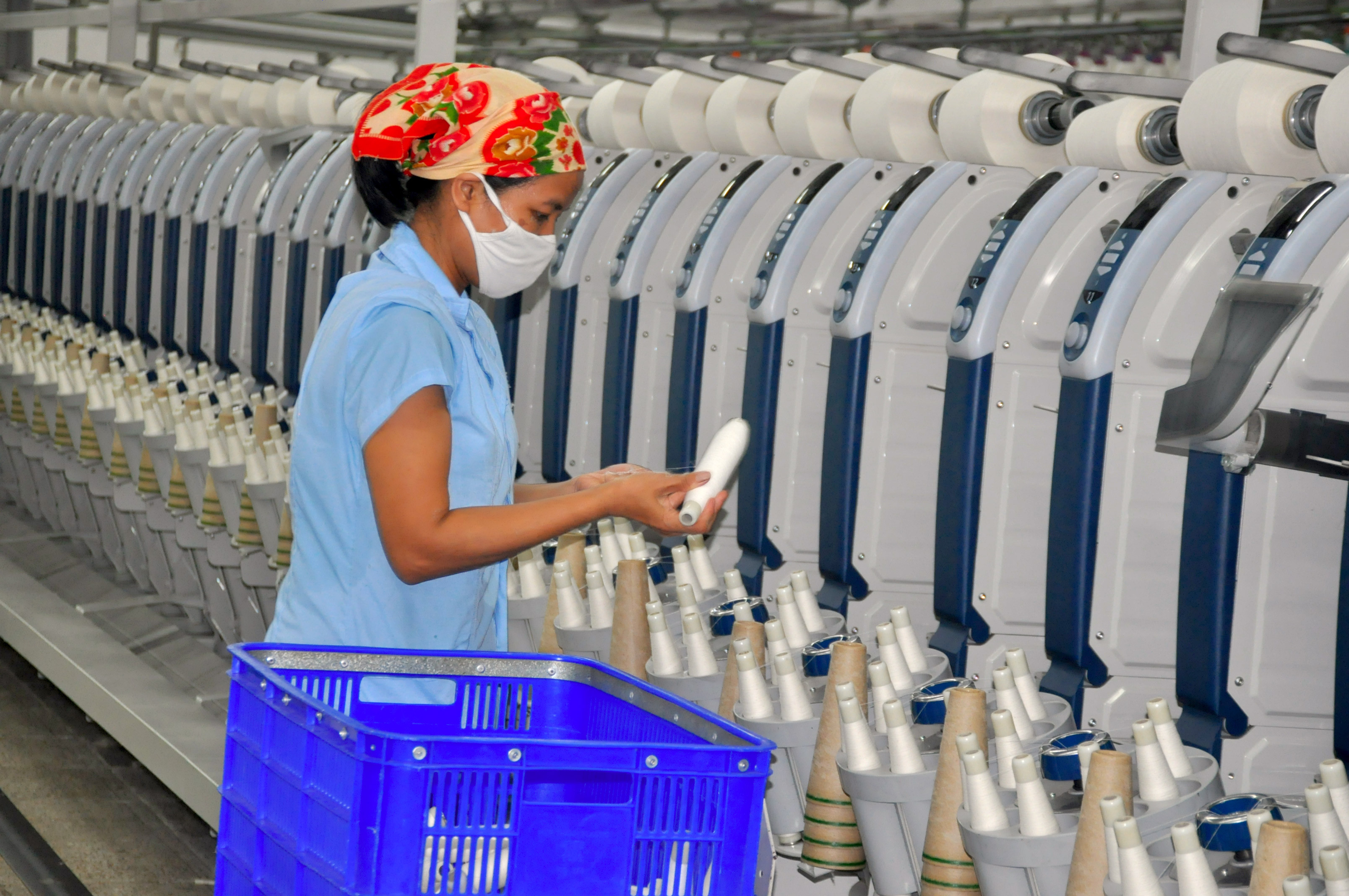
The difficulty in obtaining raw materials keeps the textile and garment industry in a vicious cycle, forcing it to import cotton for spinning, then sell the yarn, and then import fabric. A representative from Prex Vinh Co., Ltd. stated: The garment industry currently imports 60-70% of its raw materials and accessories, with the majority coming from China. While Vietnam's textile and garment industry is strong in yarn and sewing, it lacks the dyeing and finishing stages, forcing companies to export yarn to China and then import fabric. This inadequacy means that the textile and garment industry nationwide, and in Nghe An province in particular, has to import a large amount of fabric, reducing its competitiveness.
Furthermore, there is currently a huge demand for replacement machinery parts in garment factories, but these companies have to import them from abroad. Plastic products supporting the textile industry, such as plastic pipes for textiles, synthetic fibers, hangers, labels, logos, zippers, and buttons for garments; plastic pins and clips; and chemical products for the textile industry such as dyes, auxiliaries, basic chemicals, and biological preparations, are all currently imported from overseas.
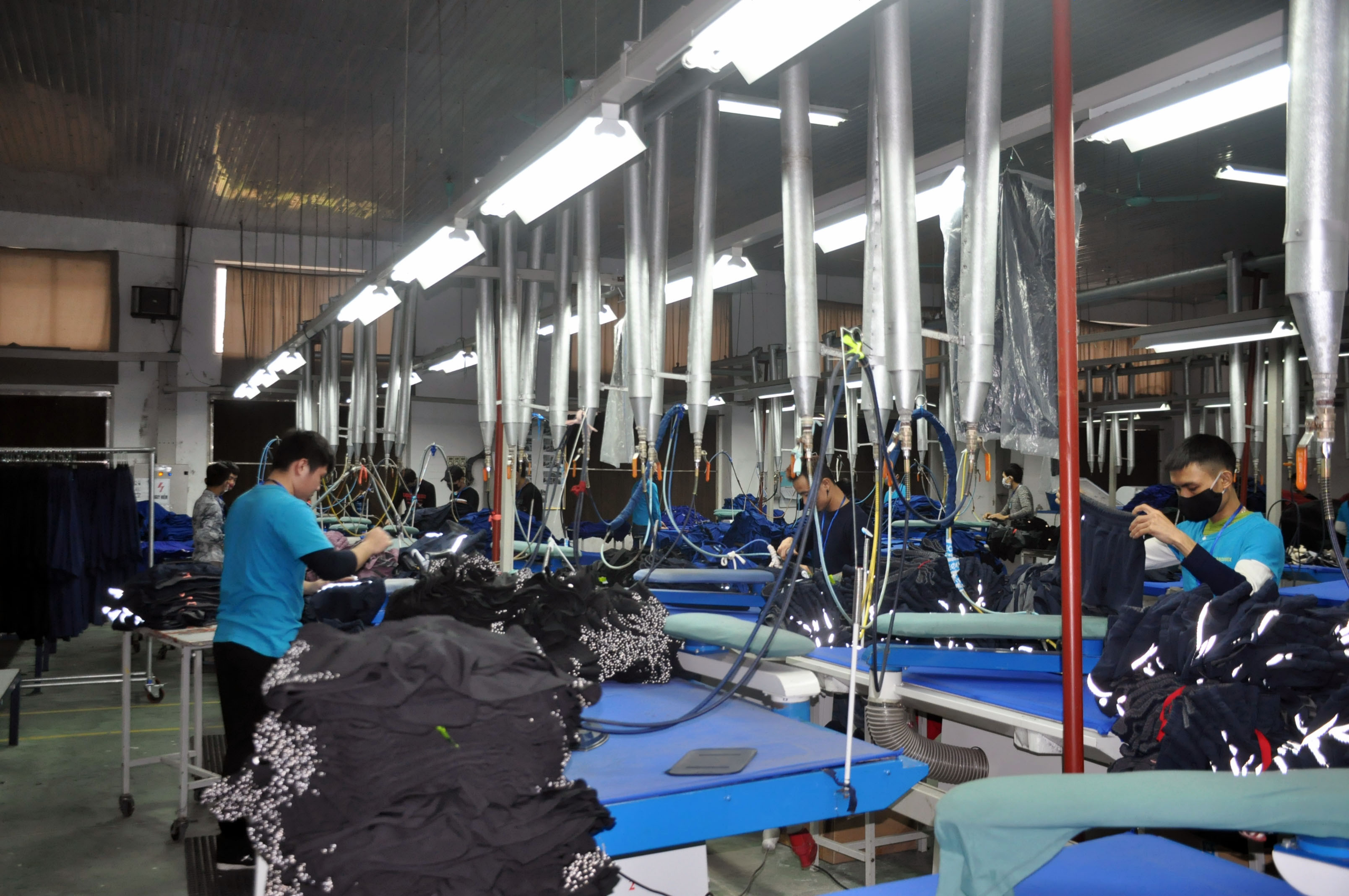
At a scientific seminar on Nghe An's industrial development until 2030, Dr. Le Xuan Sang, Deputy Director of the Vietnam Institute of Economics, stated that the textile and garment industry is a sector that needs supporting industries. Currently, many garment projects have invested in the province, with some businesses investing in large-scale production lines. The fact that most raw materials and accessories are imported means that the added value of this industry is not high, making it necessary to attract more supporting industrial projects to reduce the trade deficit.
Mr. Hoang Minh Tuan, Head of the Import-Export Management Department of the Nghe An Department of Industry and Trade, stated: Nghe An's textile and garment industry is a key sector creating many jobs and generating high export revenue for the province. However, businesses are mainly involved in processing, and their raw materials and components depend on imports. If this gap is not addressed, it will be very difficult to proactively secure raw materials to take advantage of Comprehensive and Progressive Trans-Pacific Partnership agreements such as CPTPP and EVFTA.
Policies are needed to attract talent.
Over the years, the Party and Government have paid attention to and directed the development of supporting industries. Many policies and programs have been issued to encourage and concentrate resources on developing supporting industries, such as: Government Decree No. 111/2015/ND-CP on the development of supporting industries; Politburo Resolution 23-NQ/TW on the orientation for building national industrial development policies until 2030, with a vision to 2045. Most recently, Government Resolution 115/NQ-CP on solutions to promote the development of supporting industries includes many new policies, expected to create a strong stimulus for supporting industries and processing and manufacturing industries in the coming time…
To date, only 5,000 enterprises nationwide operate in the supporting industries sector, accounting for 4.5% of the total number of enterprises in the processing and manufacturing industry. Within this overall picture, Nghe An's supporting industries are weak and below the national average, accounting for a small proportion of the province's total industrial production value. The number of supporting industry enterprises in each sector and field is still small. These enterprises are weak in terms of capital, technology, and production capacity, and are limited in market scope, only able to participate in a few areas that do not require high levels of technical technology and production skills.
The development of supporting industries is facing numerous obstacles related to technology, costs, and market connections between suppliers and demanders. Support policies, the quality of human resources, planning, and technical infrastructure are all limited, as is the supply capacity of the supporting industry. The ability to connect with domestic and foreign businesses to supply raw materials, components, and spare parts is weak.
Dr. Nguyen Xuan Thanh, Director of the Nghe An Center for Industry and Trade Support and Consulting, stated: One of the current limitations is that the policy supporting supporting industries still has many shortcomings. Although the policy does not discriminate between types of businesses, FDI enterprises investing in supporting industries do not receive support according to Decision No. 39/UBND. The reason is that these enterprises have already benefited from other incentives such as land lease and tax exemptions, so they are not eligible for the above policy.
For the reasons mentioned above, the annual budget of approximately 2 billion VND allocated to support supporting and satellite industries is very difficult to disburse. The province's already weak supporting industries are facing even greater challenges.
Nghe An province is striving to achieve an average annual increase of 9-10% in the value of supporting industrial production, aiming for it to account for 10-12% of the total industrial production value by 2025. The province also aims to gradually increase the proportion of supporting industrial products in its total merchandise exports. During the 2018-2025 period, the province aims for an average annual increase of 3% in the number of supporting industrial enterprises, with supporting industrial enterprises accounting for 10-12% of the total industrial enterprises by 2025. Furthermore, it aims for 20-30 supporting industrial enterprises located within the province to supply FDI enterprises and participate in the value chains of major corporations.
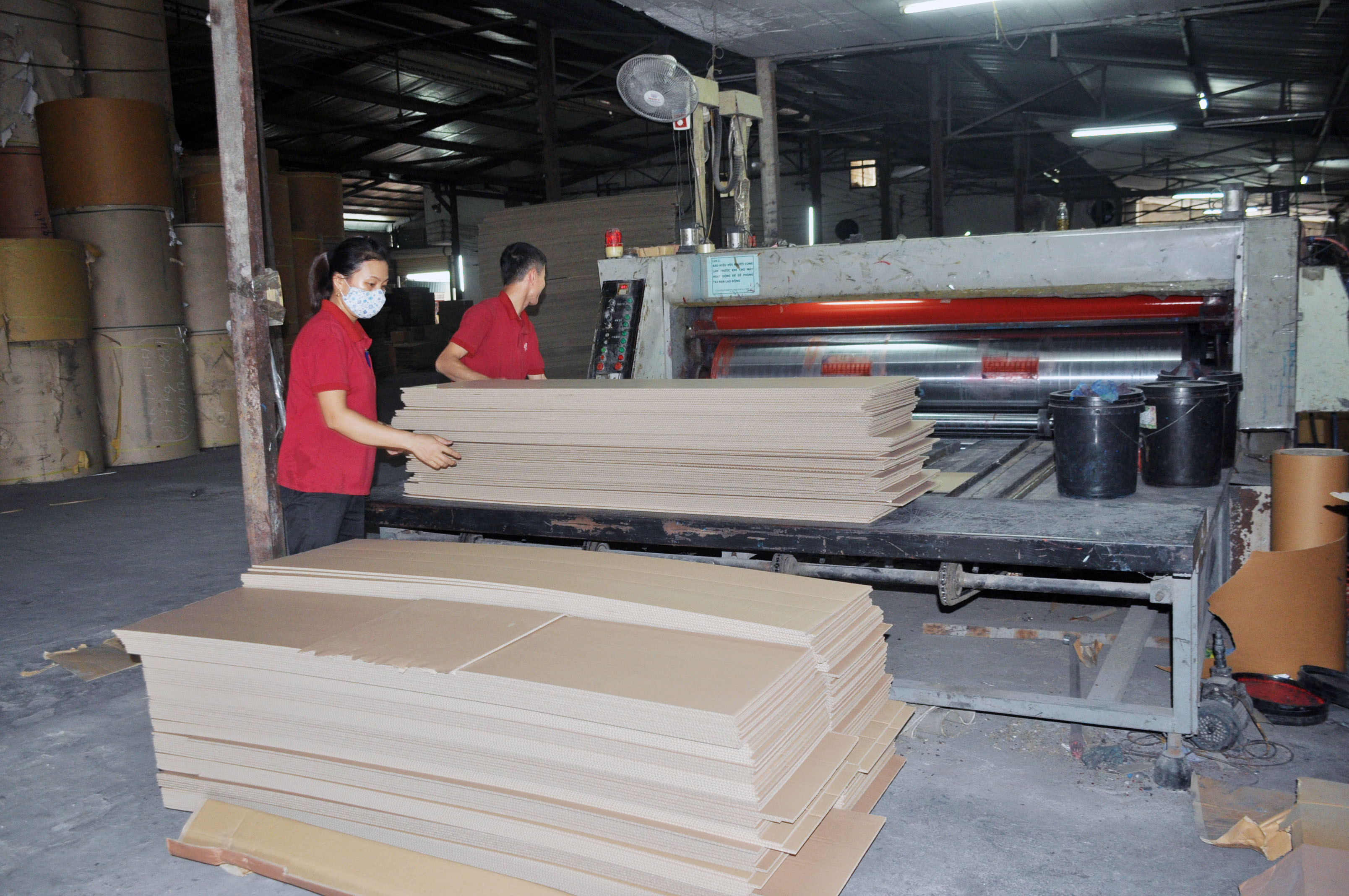
One of the major requirements and orientations in Nghe An's industrial development is to prioritize investment in and attract projects that are driving forces and leading the industrial sector. Increasing the localization rate by developing supporting industries and satellite enterprises so that small and medium-sized enterprises can take advantage of opportunities to participate in the global production chains of FDI enterprises is a pressing issue today.
To focus resources on the most promising areas and achieve the highest investment efficiency, it is necessary to have clear directions, objectives, along with a system of mechanisms, policies, and promotional solutions from state management agencies. The goal for industrial development in Nghe An in the coming years is to prioritize industries with competitive advantages while simultaneously shifting the structure towards high-tech sectors, increasing the proportion of industrial goods for export, and promoting the production of finished products…


