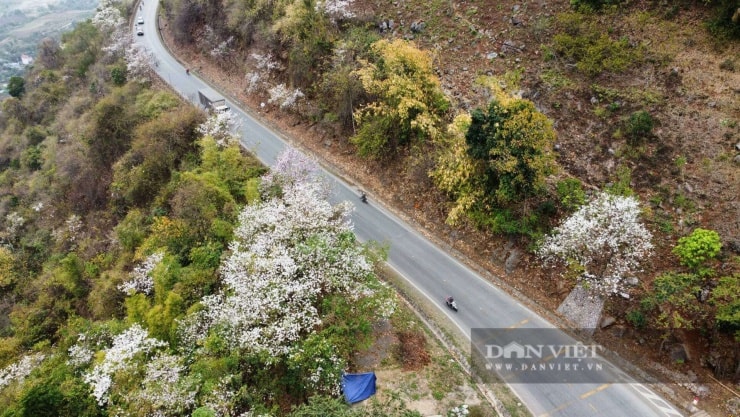
Son La: Admire the vibrant white bauhinia flowers and the legend of faithful love.
As March arrives, the mountains and forests of Son La are adorned with the pristine white blossoms of the bauhinia flower. This majestic flower is not only a symbol of the beauty of Northwest Vietnam but is also associated with the legendary love story of Ban and Khum.
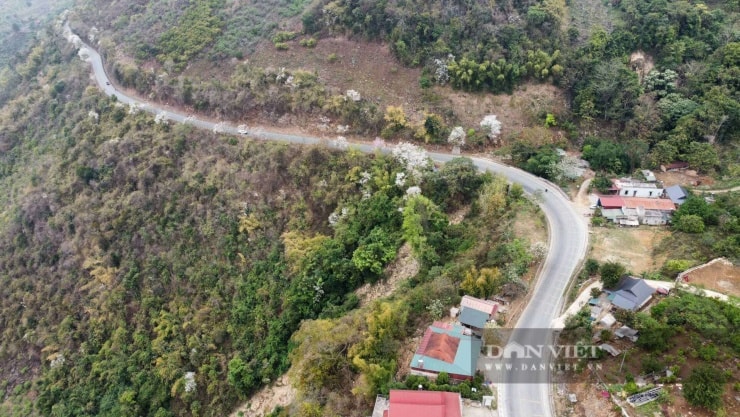
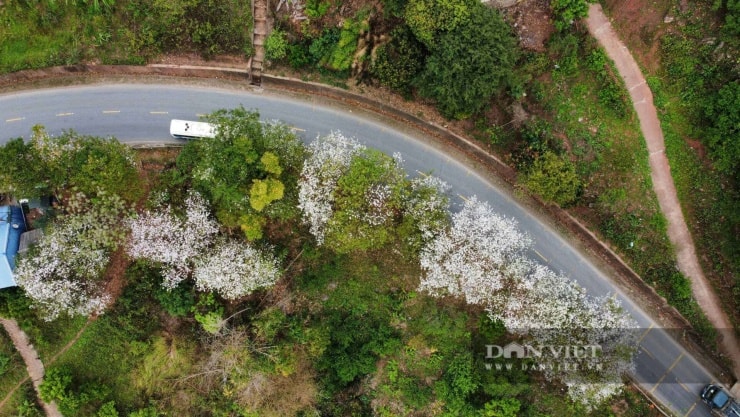
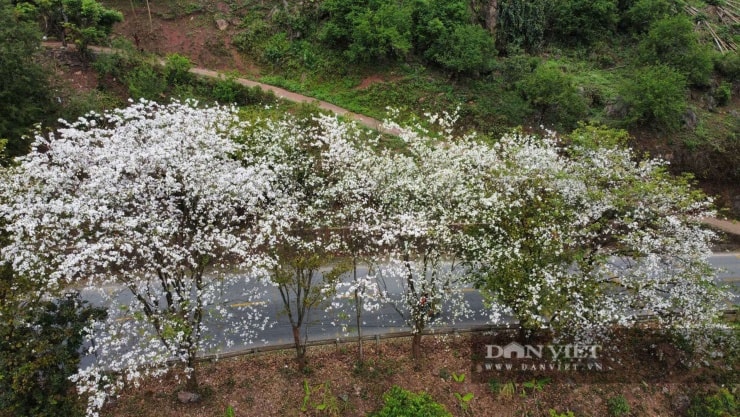
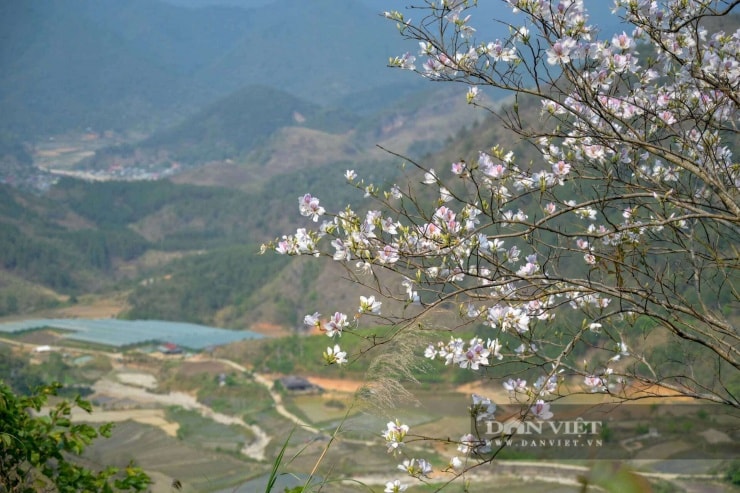
March is the time when the mountains and forests of Son La are illuminated by the pristine white blossoms of the Bauhinia flower. This flower is not only characteristic of the Northwest highlands but also symbolizes loyalty and is closely associated with the unique cultural life of the Thai ethnic group. At this time, the hillsides and steep cliffs seem to be covered in a thin layer of snow, creating a dreamy landscape that attracts numerous tourists from all over.
The white blossoms of the Bauhinia tree brighten the vast forests of Northwest Vietnam.
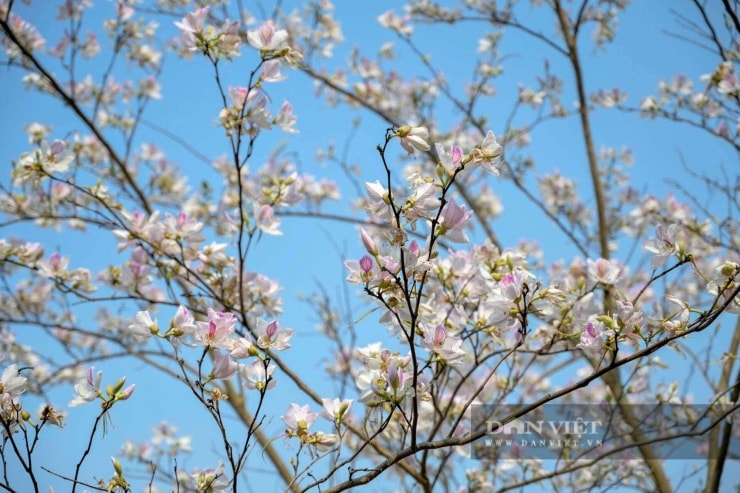
As the peach and plum blossoms fade, the bauhinia flowers begin to bloom, showcasing their beauty along the roads of Son La. Bauhinia trees typically grow to a height of 2-6 meters, with a rough, gray trunk, yet they produce delicate petals that flutter in the spring breeze like butterflies. The buds are long and slender, resembling the hands of mountain maidens, and when they open, they reveal a pale pinkish-purple pistil and a gentle fragrance.
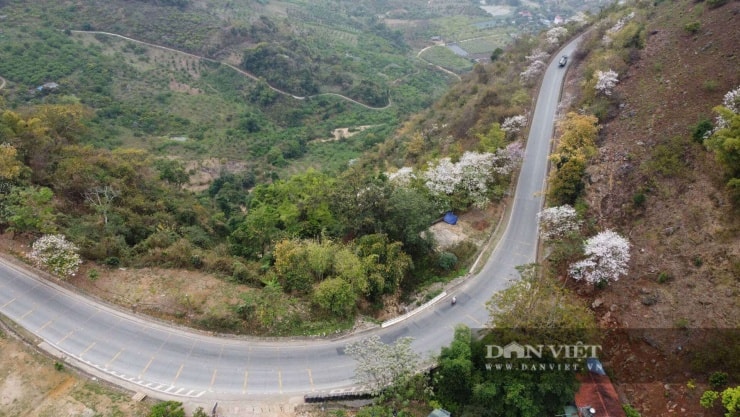
Bauhinia flowers typically bloom in February and March. Whether growing on barren hillsides or amidst sun-scorched grasslands, this tree thrives and remains lush and green. For the Thai people, the bauhinia leaves, shaped like claws, are often likened to "two hearts joined together," symbolizing a strong and enduring bond.
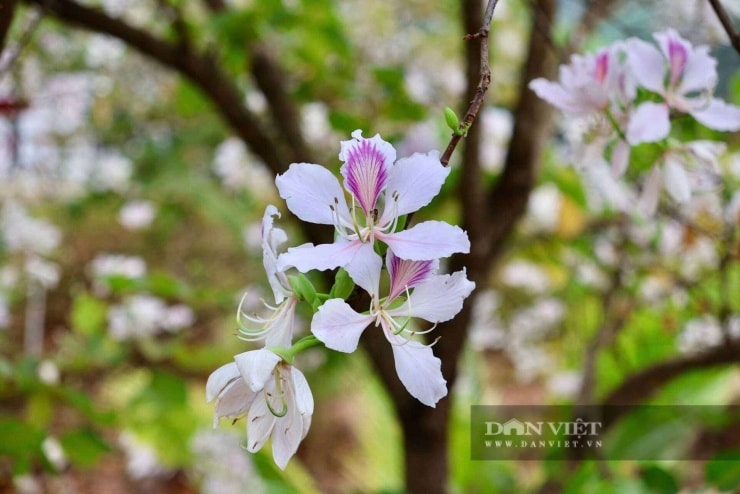
Cultural symbols associated with legends of love.
More than just a flower, the bauhinia flower is also a cultural and spiritual symbol of the people of Northwest Vietnam. People's Artist Lo Van La (To Hieu ward, Son La province) shared that for generations, the bauhinia flower has naturally entered the lives of the Thai people, associated with youth and vibrant spring seasons, where young men and women meet and sing love songs.
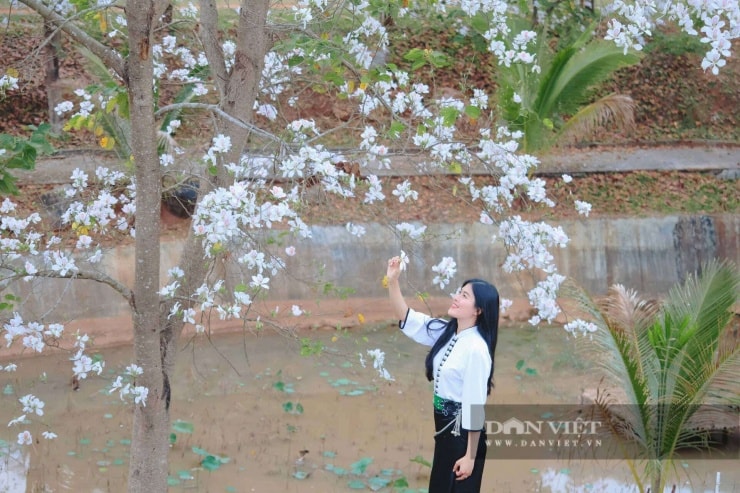
According to legend, the bauhinia flower is associated with the love story of Ban and Khum. Forced into marriage with the son of the village chief, Ban left home to find her lover. When she collapsed from exhaustion in the deep forest, this pristine white flower bloomed where she lay. Since then, the bauhinia flower has symbolized the purity of women and unwavering, faithful love.
Experience the festival and cuisine of the Bauhinia flower season.
Visiting Son La in March, tourists not only get to admire the scenery but also have the opportunity to participate in traditional festivals such as Xen Ban, Xen Muong, Kin Pang Then, and especially the Hoa Ban Festival. This is an occasion for the people to offer prayers for a good harvest, decorate their houses, and enjoy festive celebrations.
Cuisine made from bauhinia flowers is also a unique feature not to be missed. After being harvested, the bauhinia petals are steamed, mixed with vinegar and sesame seeds to create a refreshing salad. The ripe bauhinia fruit, with its nutty seeds, is also an ingredient in characteristic dishes of the local people. Many tourists visiting Northwest Square or the roads leading to the highlands take the opportunity to capture beautiful moments amidst the distinctive colors of these flowers.