
Son Lam: A new lease of life on the border.
Son Lam commune was formed by merging Thanh Son and Ngoc Lam communes, and is a border commune. Located upstream of the Giang River, amidst rolling mountains and a long border with neighboring Laos, the Party Committee and people of Son Lam are nurturing aspirations to rise up and write new chapters for their border homeland…
TPotential and challenges
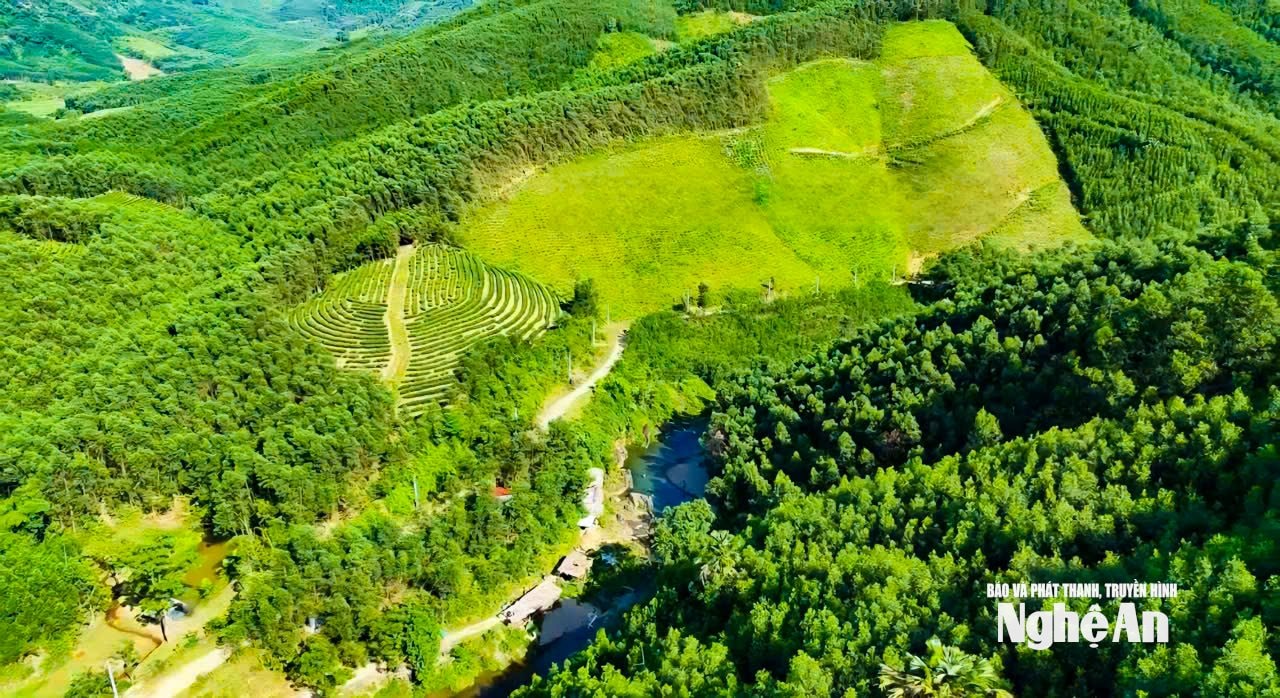
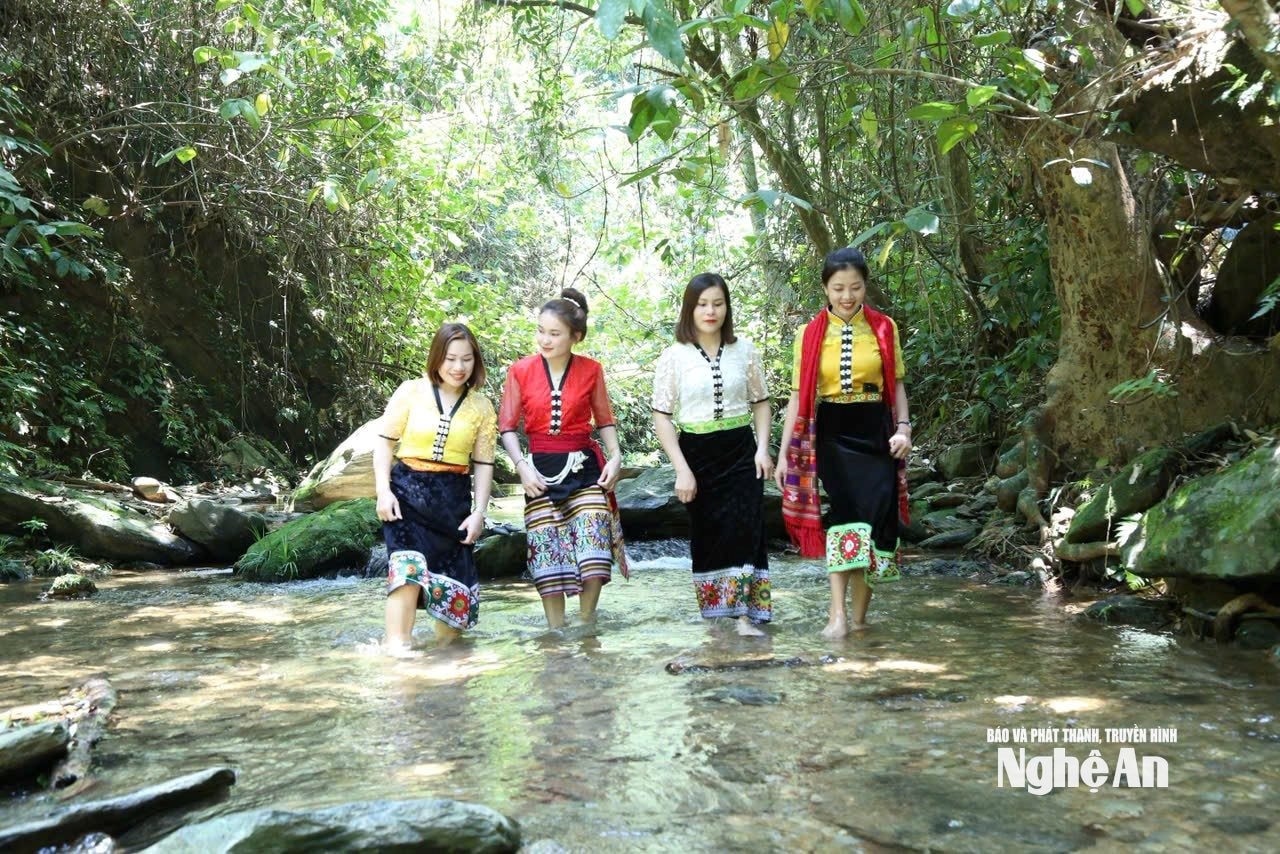
Son Lam Commune was established according to Resolution No. 1678/NQ-UBTVQH15 dated June 16, 2025, of the Standing Committee of the National Assembly. With a natural area of 162.94 km² and a population of over 12,300 people, of which ethnic minorities account for more than 95%, the commune comprises 13 villages scattered along streams and on mountain slopes. The diversity of ethnic groups – Thai, Khmu, Tho, Kinh, etc. – has created a colorful cultural tapestry, where each village is a unique note in the symphony of the vast forest.
Son Lam has a border stretching over 25 km, adjacent to Xaychampon district, Bolykhamxay province (Laos). This location is not only strategically significant in protecting territorial sovereignty, but also opens up opportunities for trade, economic cooperation, and cultural exchange between the two sides of the border. With trails winding through the deep forest and small border markets, the area still maintains the age-old connection between the people on both sides of the Truong Son mountain range.
Nature has generously bestowed upon Son Lam fertile land and a mild climate. The rolling hills covered in tea plants, the vast acacia and teak forests have become the source of livelihood for countless families. Forest cover reaches 75%, a figure that not only serves as an ecological shield but also represents the potential for sustainable forestry economic development. The natural landscape retains its pristine beauty with the Mua Waterfall, Liep Waterfall, Kem Waterfall, and the crystal-clear Giang and Xang streams, which could become unique community tourism destinations.
However, this potentially rich land still faces numerous difficulties. The terrain is fragmented by high mountains and deep ravines, making transportation arduous. Many inter-village roads are still unpaved, slippery during the rainy season, and motorbikes are the only means for people to reach the commune center. Some villages are far from the center, isolated, and access to healthcare, education, and administrative services remains limited. The poverty rate remains high, exceeding 25% of households, reflecting the hardships of daily life. Many students have to travel long distances to school, crossing streams and carrying bundles of rice. These images evoke both pity and a deep determination for change.
Changeschange on the development journey
Despite the challenging context of the 2020-2025 term, from the Covid-19 pandemic and natural disasters to global economic fluctuations, Son Lam commune has still painted a proud picture of transformation. The total production value of the commune in 2025 is projected to reach 429 billion VND, a 1.5-fold increase compared to 2020. The average economic growth rate is expected to reach 9.1% per year; per capita income is projected to reach 35.3 million VND per year, demonstrating the gradual improvement of people's lives.
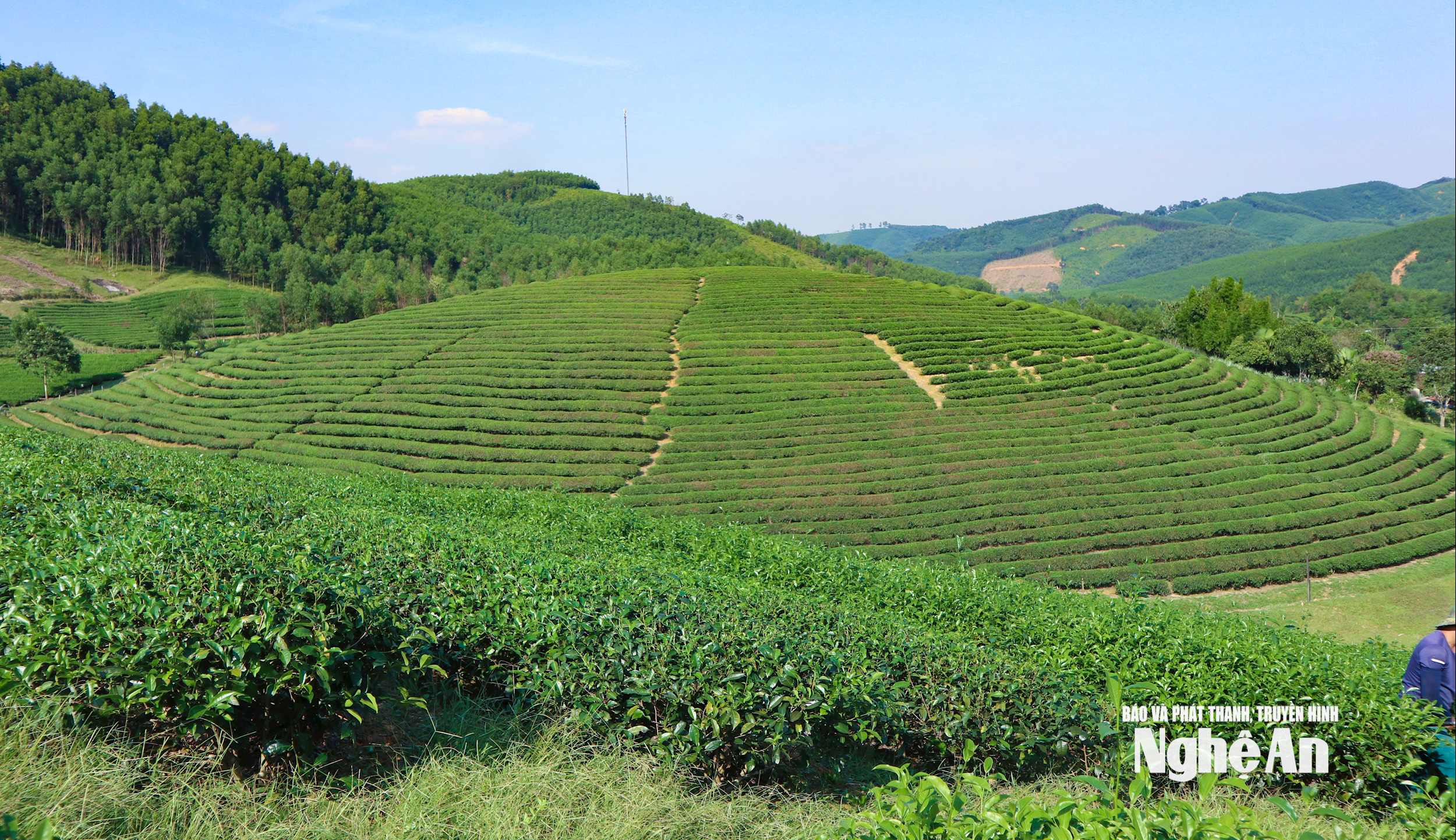
In agriculture, tea cultivation has become a prominent feature. The hillsides are covered in lush green tea plants, yielding over 4,000 tons of fresh tea leaves annually. Many families, once impoverished, have become well-off thanks to tea. A prime example is the family of Mr. Luong Van Phuong (Tan Hop village), who owns over 1.5 hectares of tea plantations. With 7-8 harvests per year, yielding approximately 20 tons of tea leaves, he earns hundreds of millions of dong. In addition, the area of planted forests for raw materials reaches 2,400 hectares, with an average value of 70 million dong/hectare/cycle of 4-5 years, creating a stable source of income for the people.
.jpg)
Livestock farming has also seen development, with an output of nearly 300 tons of meat per year. Many households have boldly invested in raising cattle and buffalo in enclosed pens, native pigs, and free-range chickens in a safe manner to meet market demands. Although these models are not yet large-scale, they have contributed to changing the production mindset of the local people.
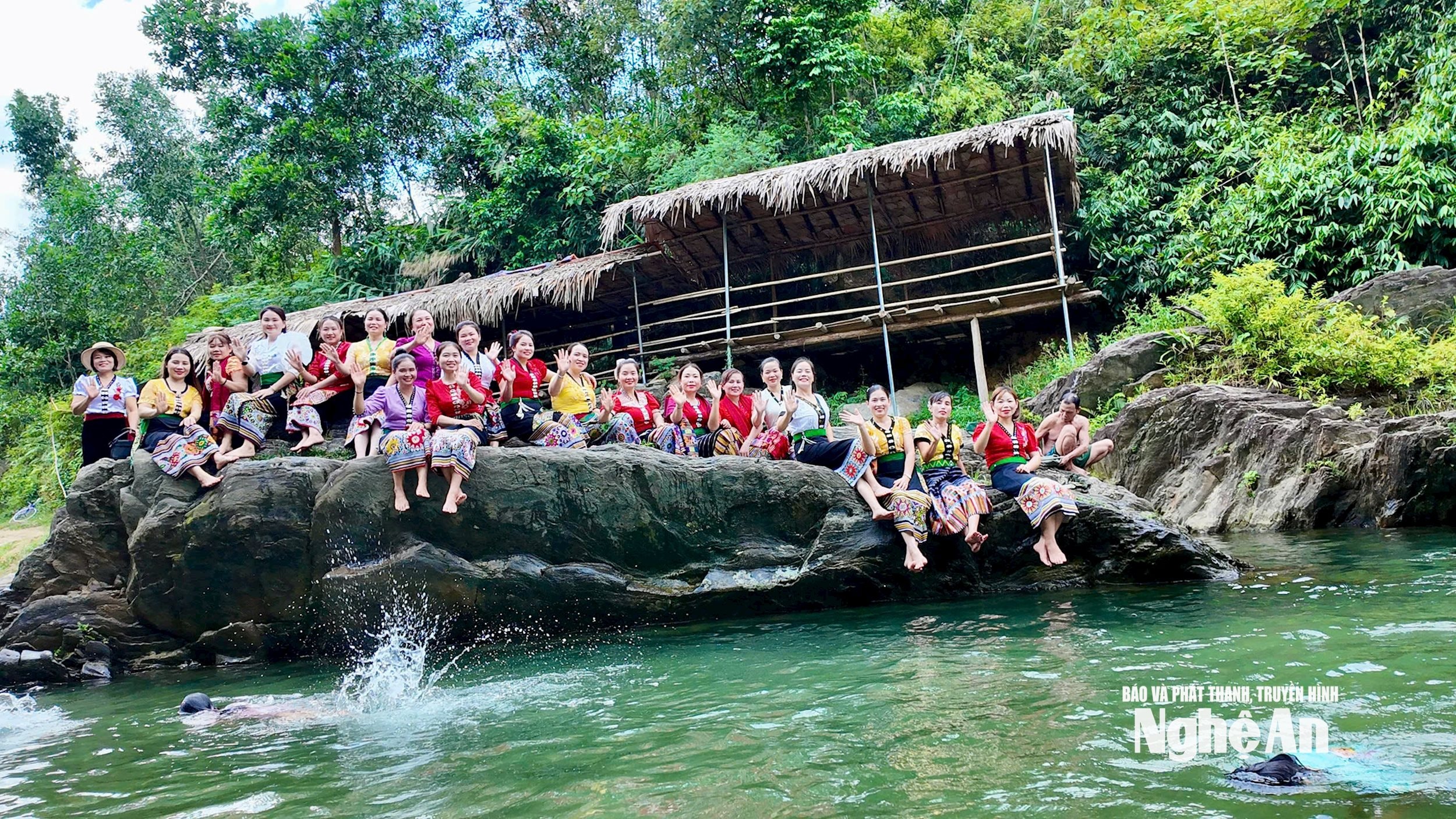
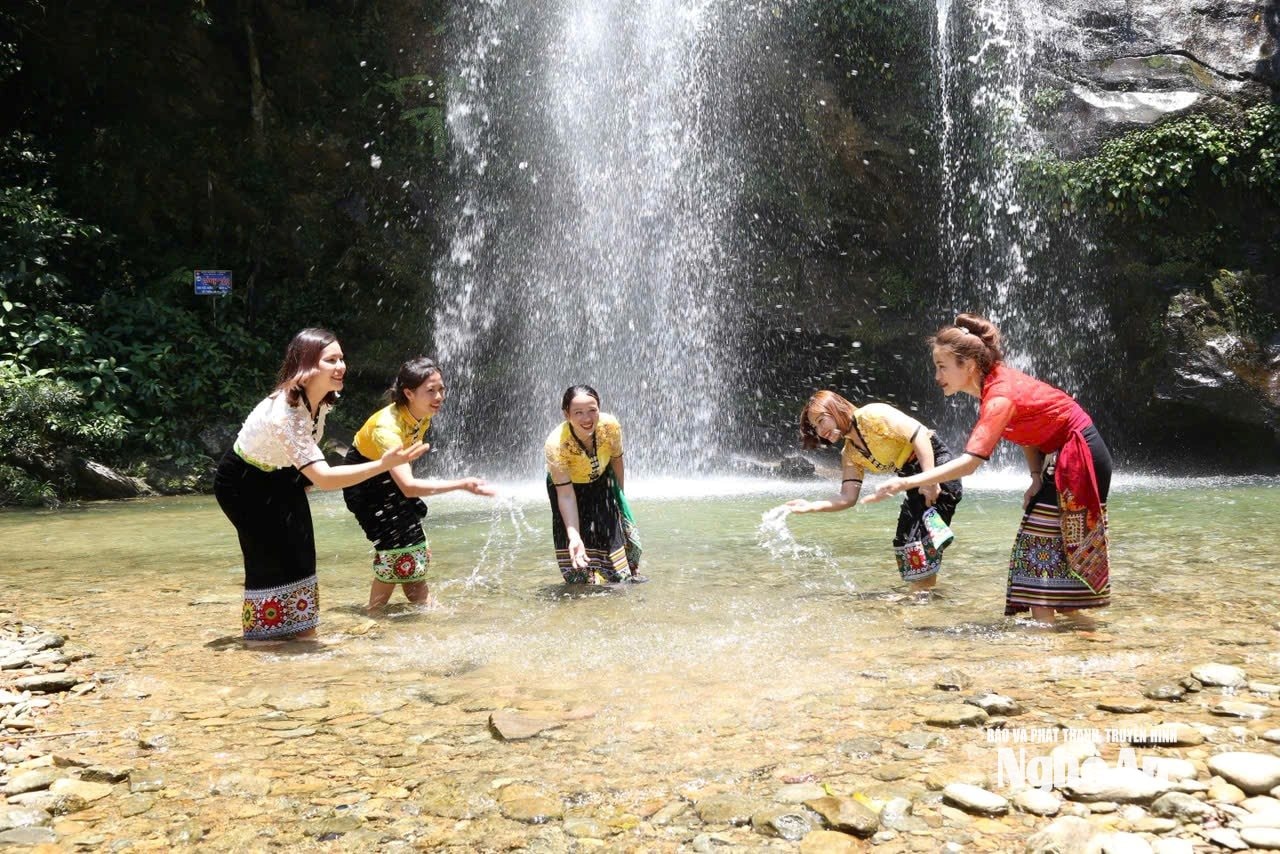
Another significant development is the emergence of community-based tourism. The Mưa and Liếp waterfalls are now not only playgrounds for local children but also welcome groups of visitors from within and outside the province. Some households have started offering homestays, serving local cuisine such as sticky rice, free-range chicken, grilled catfish, and traditional rice wine. Tourists come not only to admire the scenery but also to experience the local culture – the Thái folk dances and campfire nights by the Giăng stream.
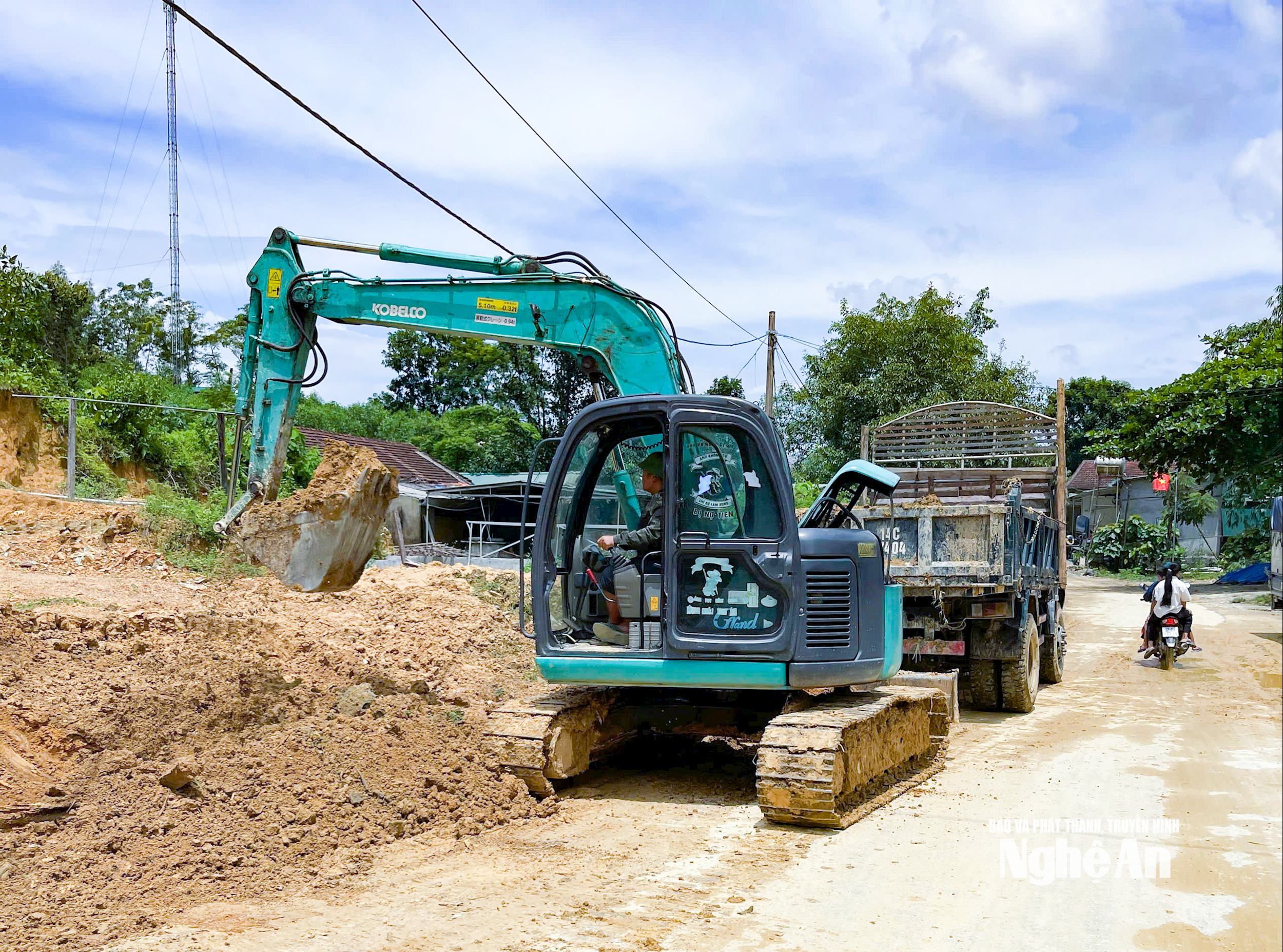
Along with economic development, the infrastructure system has been gradually invested in. During the term, the commune mobilized more than 132 billion VND to build roads, cultural centers, schools, rural markets, a memorial for martyrs, a stadium, etc. In particular, thanks to the national target program and the resettlement for the Ban Ve hydropower project, many key projects have been completed, contributing to changing the face of the mountainous rural area. To date, the commune has achieved 11 out of 19 criteria for building new rural areas.
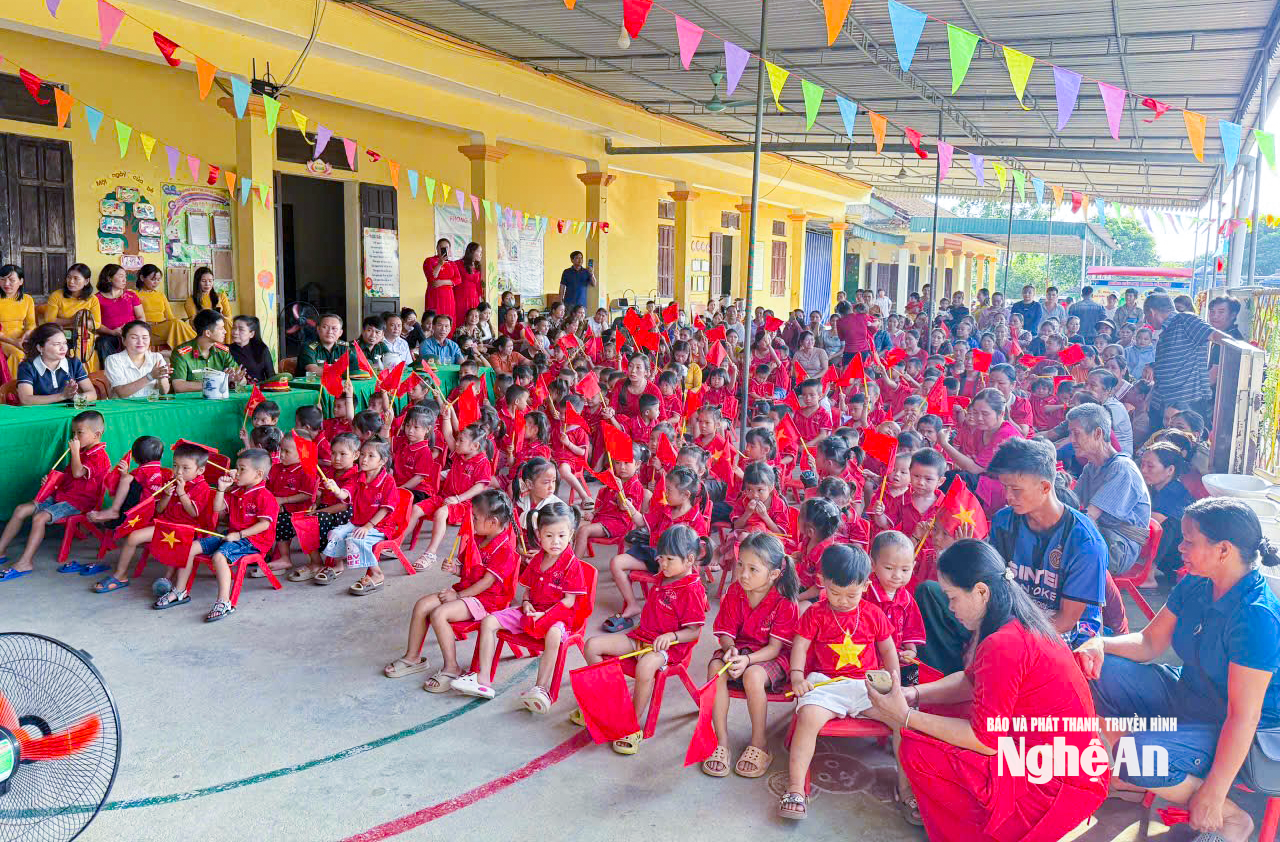
The socio-cultural landscape has also seen many positive changes. Huong Tien Secondary School has been recognized as meeting national standards at level 1. The student enrollment rate is high, with many students overcoming difficulties and excelling, some even passing entrance exams to prestigious universities. Healthcare for the people is prioritized; the commune health station meets the needs for basic medical examinations and treatment, and 100% of the population participates in health insurance. Notably, the poverty rate has decreased significantly, from 39.4% in 2021 to 25% in 2025, demonstrating the effectiveness of sustainable poverty reduction policies.
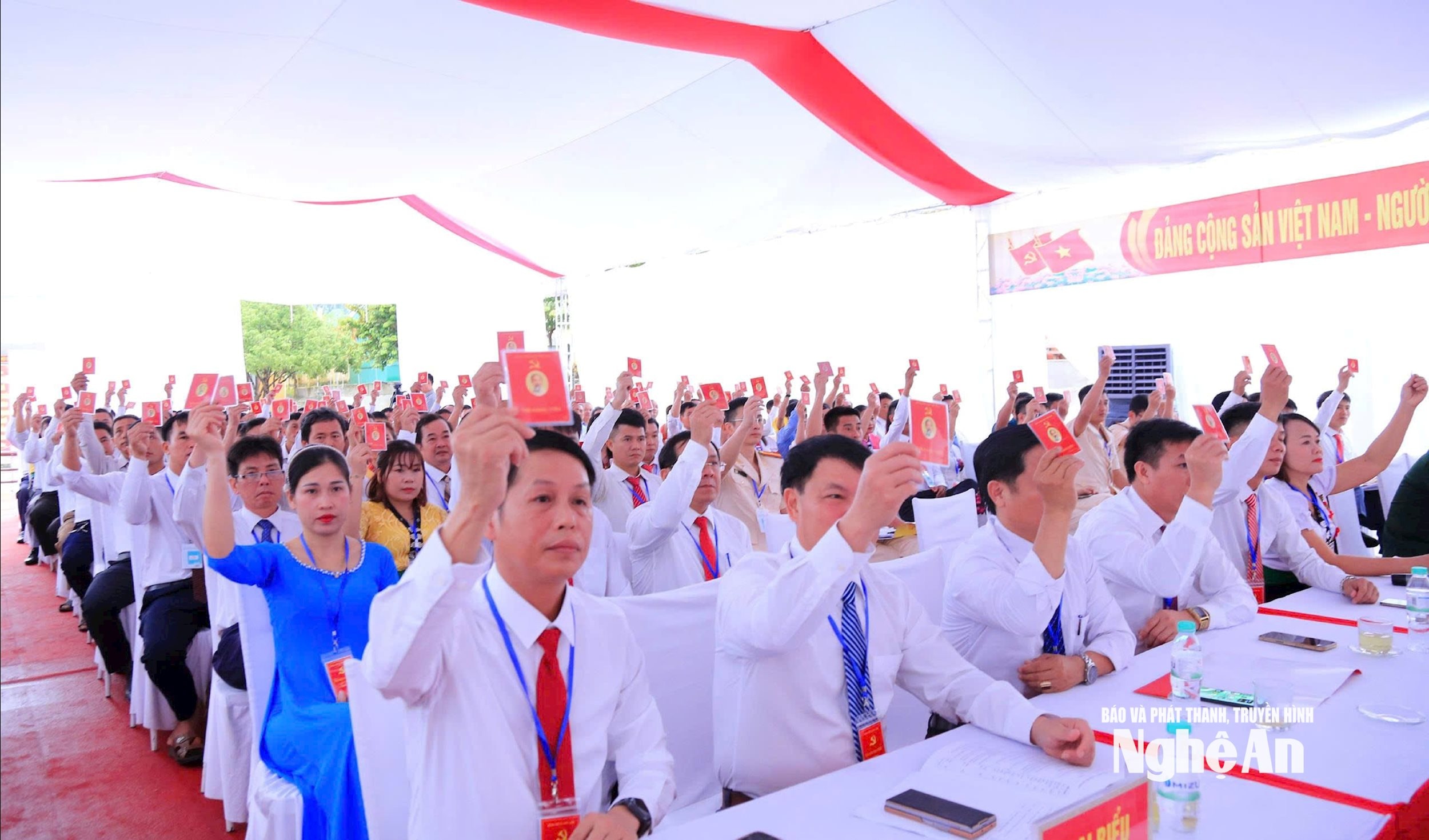
The political system has been firmly consolidated. During the term, the commune admitted nearly 90 new party members, rejuvenated the cadre, and enhanced the leadership capacity and fighting strength of the grassroots party organization. Inspection and supervision work has been strengthened, contributing to the prevention of violations. The commune government has promoted administrative reform, applied information technology, with 100% of documents processed through the electronic system, and officials using digital signatures. This is a significant step forward, bringing digital transformation closer to the mountainous border region.
However, limitations remain. The economic structure is shifting slowly, investment resources are limited, and tourism services are still small-scale and have not been fully exploited. Nevertheless, the achievements affirm the efforts of the Party Committee, government, and people of Son Lam, creating a solid foundation for the new term.
Party Committee Secretary:Nguyen Xuan Ngan
Permanent Deputy Secretary:Tran Dinh Tam
Chairman of the People's Committee:Trinh Van Bang
Let's write a new chapter...
Entering the 2025-2030 period, Son Lam sets a major goal: to become a sustainably developed commune with synchronized infrastructure, an increasingly improved standard of living for its people, the preservation of ethnic cultural identity, and strong border defense and security. Looking ahead to 2045, Son Lam strives to become one of the relatively developed communes in the western region of Nghe An province.
Accordingly, the commune strives for an annual growth rate of 8-9% in production value, reaching a total production value of 650 billion VND by 2030. Average per capita income is projected to increase to 50-55 million VND per year. The poverty rate is expected to decrease by 1-2% annually, and 100% of the commune's roads will be paved. The commune aims to have 2-3 OCOP products achieving 3 stars or higher, and maintain forest cover above 75%.
To realize this aspiration, Son Lam focuses on developing commercial agriculture, emphasizing tea and raw material crops, combined with concentrated, bio-secure livestock farming. Simultaneously, the commune promotes the development of production linkage models, connecting processing with product consumption, gradually forming a value chain. The "One Commune, One Product" program is strongly implemented, aiming for products with unique characteristics.
Another strategic direction is to develop community-based tourism linked to the preservation of traditional culture. Village festivals, the sounds of the khene (a type of bamboo flute), the xoe dance, and folk songs will be restored and organized to become tourism products. Waterfalls and streams will receive infrastructure investment, linked to homestay services and culinary experiences. This is not only a way to exploit potential but also to create new livelihoods, helping the people stay connected to their homeland.
In addition, Son Lam focuses on improving the quality of its human resources. The commune encourages ethnic minority children to pursue higher education, supports vocational training, and organizes training courses on farming techniques, animal husbandry, and community tourism. Digital transformation is being promoted, striving for 100% of villages to have high-speed internet and 80% of residents to use online public services.
Along the border, the task of protecting sovereignty and security is paramount. Son Lam closely coordinates with border guard posts, building a strong foundation of public support. At the same time, the commune strengthens friendly relations with the people of neighboring Laos, building a peaceful border and fostering cooperative development.
In this orientation, the leading role of the Party continues to be emphasized. The commune Party committee identifies building a clean and strong Party as key. The work of developing new Party members and training young cadres is given attention, considering it a decisive factor in leading the commune into a new era. By leveraging the strength of the great national unity and fostering a spirit of self-reliance and self-improvement, Son Lam is determined to move towards a bright future.
📊The outstanding numbers of xSon Lam
- Natural area:162.94 km²
- Population:12,300 people(over 95% ethnic minorities)
- Border length:25 kmbordering Laos
- Economic growth rate 2020 – 2025:9.1%/year
- Production value in 2025:429 billion VND
- Average income per capita:35.3 million VND/year
- Poverty rate:25%(down more than 14% compared to 2021)
- Forest cover:75%
- Goal by 2030: Income50 – 55 million VND/person/year;2-3 OCOP products.


