
The Lam River is running low, and many pumping stations are operating at a reduced capacity.
Currently, due to the low water level of the Lam River, many pumping stations along the route are out of service, causing a significant area of spring rice crops to face the risk of water shortage. In response to this situation, irrigation units are coordinating with local authorities to implement various solutions to ensure water supply for production.
Many pumping stations have "side-mounted boilers".
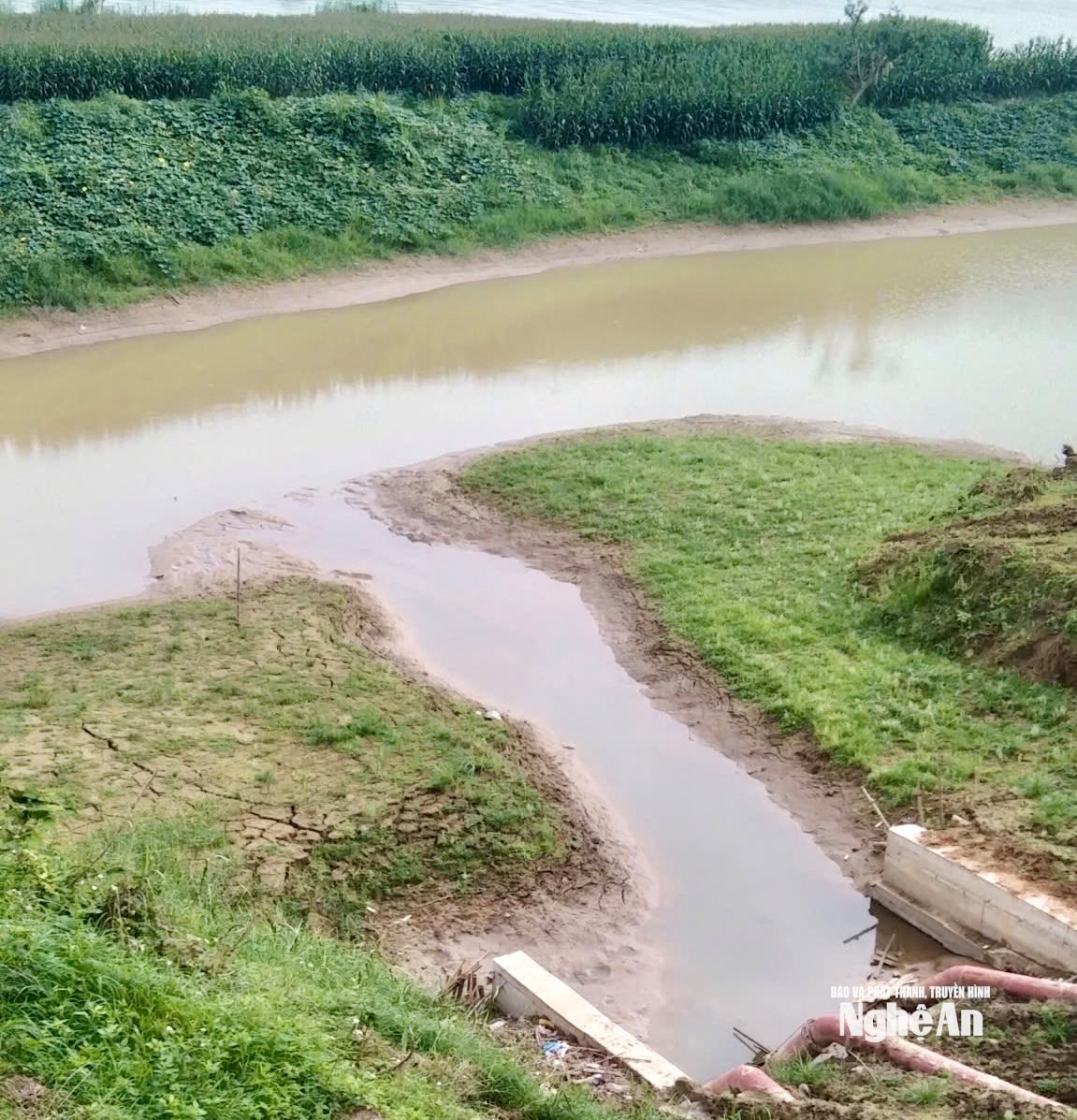
In Cat Ngan commune, the Cat Van pumping station has been temporarily shut down for nearly a month. Visiting the site in late March, it was easy to see that the pumping station's suction basin was almost completely filled with mud and silt. The Lam River, as it flows through this area, has narrowed, and sandbars have emerged in the middle of the river, not only obstructing the flow but also making it impossible for the pumping station to access water.
Mr. Nguyen Trong Hoan, head of the Cat Van irrigation cluster, said that the cluster currently has 8 pumping stations, responsible for irrigating more than 1,000 hectares of spring rice. However, the Cat Van pumping station – which supplies water to about 180 hectares – has had to cease operation because the pipeline system is buried under mud and soil. “We considered using machinery to dredge the area, but it's so muddy that the machinery can't access it. Trying to implement it would be very costly, and the effectiveness is not guaranteed,” Mr. Hoan said.
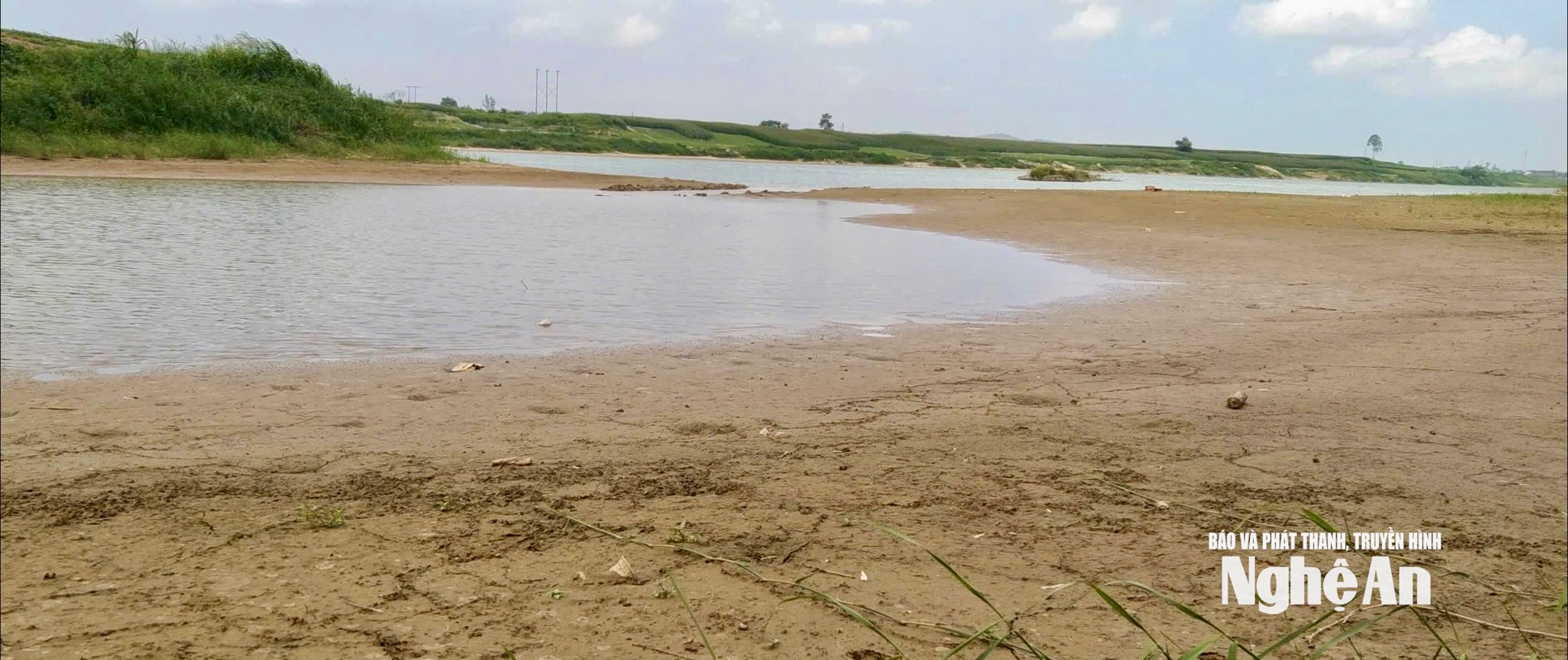
According to the survey, the suction basin area of the Cat Van Pumping Station is silted up over an area of approximately 5.4 hectares, of which up to 2.5 hectares directly affect the pumping station's suction basin. The silt layer forms a natural "barrier" preventing water from flowing into the suction basin.
Not only the Cat Van pumping station, but many other facilities in the area are facing a similar situation. The Lang Hoa pumping station, located in Phong Thinh hamlet, currently serving to irrigate over 70 hectares of rice fields, is also heavily silted. The management unit is implementing a plan to extend the suction pipes to access water from further away, however, it will take 5-7 days to complete. During this time, the entire rice crop dependent on the pumping station will have to "wait for water," posing a potential risk to growth, especially during the flowering stage.
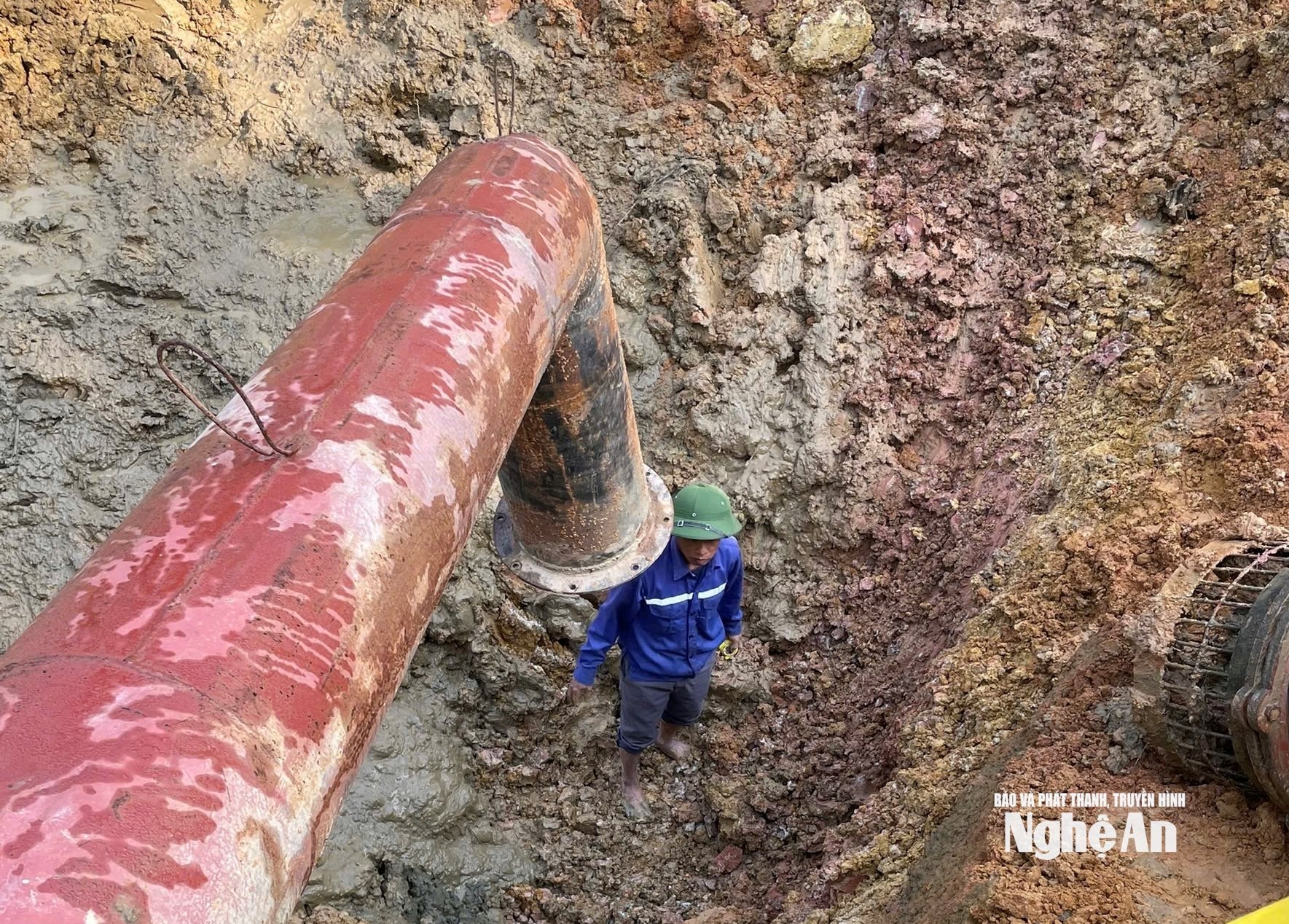
Mr. Thai Dang Phuong, Deputy Director of Thanh Chuong Irrigation Company Limited, said that due to the serious sedimentation affecting the operation of the Cat Van pumping station, the unit has proposed a dredging and clearing plan in the upstream area, about 800m from the station. However, because this location is outside the direct management scope of the irrigation project, the implementation process requires coordination from many functional agencies. According to Mr. Phuong, the amount of sediment in this area is very large, exceeding the capacity to handle it with manual methods. "If we only do manual dredging, it is almost impossible to achieve. We have requested the higher authorities to soon develop a comprehensive plan, which includes allowing dredging in the area outside the project's scope to free up the flow, bring water back to the suction basin, and ensure stable operation of the pumping station," Mr. Phuong emphasized.
According to Mr. Phuong, the unit currently manages 64 pumping stations, irrigating nearly 6,000 hectares of rice fields. Although an additional 6 new pumping stations were installed in 2024 with a total investment of over 9.2 billion VND, 11 stations are still severely silted up and unable to operate effectively. The total area of rice fields affected by water shortage has now reached over 300 hectares.
Sedimentation is not only occurring in Thanh Chuong, but also in many other areas along the Lam River, especially the Bara Nam Dan sluice gate system in Van An commune – a key irrigation project providing water for over 20,000 hectares of spring rice crops.
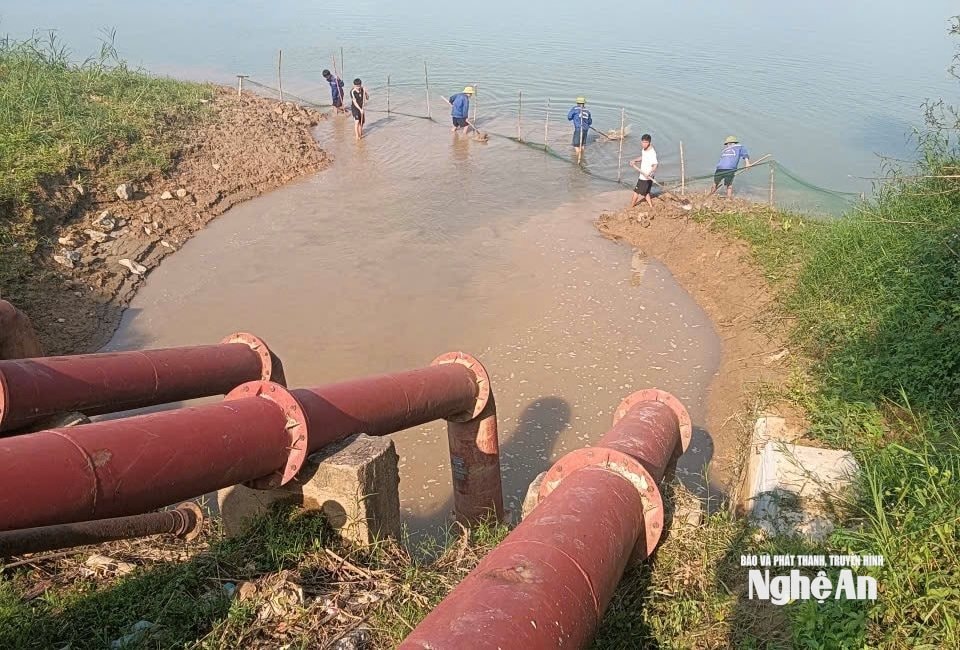
Mr. Bach Hung Trung, head of the Nam Dan Water Treatment Plant, said: "Due to sedimentation, the system's water intake capacity is significantly limited. During low tides, water flows in very slowly, insufficient to meet the irrigation needs of the entire system."
Due to severe siltation, since the beginning of March 2026, Nam Nghe An Irrigation Company Limited has mobilized barges and excavators to carry out dredging and clearing of the waterway in the Nam Dan 1 sluice gate area with a total cost of over 500 million VND. However, to date, the work has only been completed at the Nam Dan 1 sluice gate, while the Nam Dan 2 sluice gate still has a very large amount of silt remaining, causing difficulties in operation and irrigation water supply.
According to the unit, the main cause of this situation is the impact of major storms number 5 to 10 in 2025, which brought large amounts of silt and mud, accumulating increasingly thickly, narrowing the flow and directly affecting the irrigation system's ability to draw water.
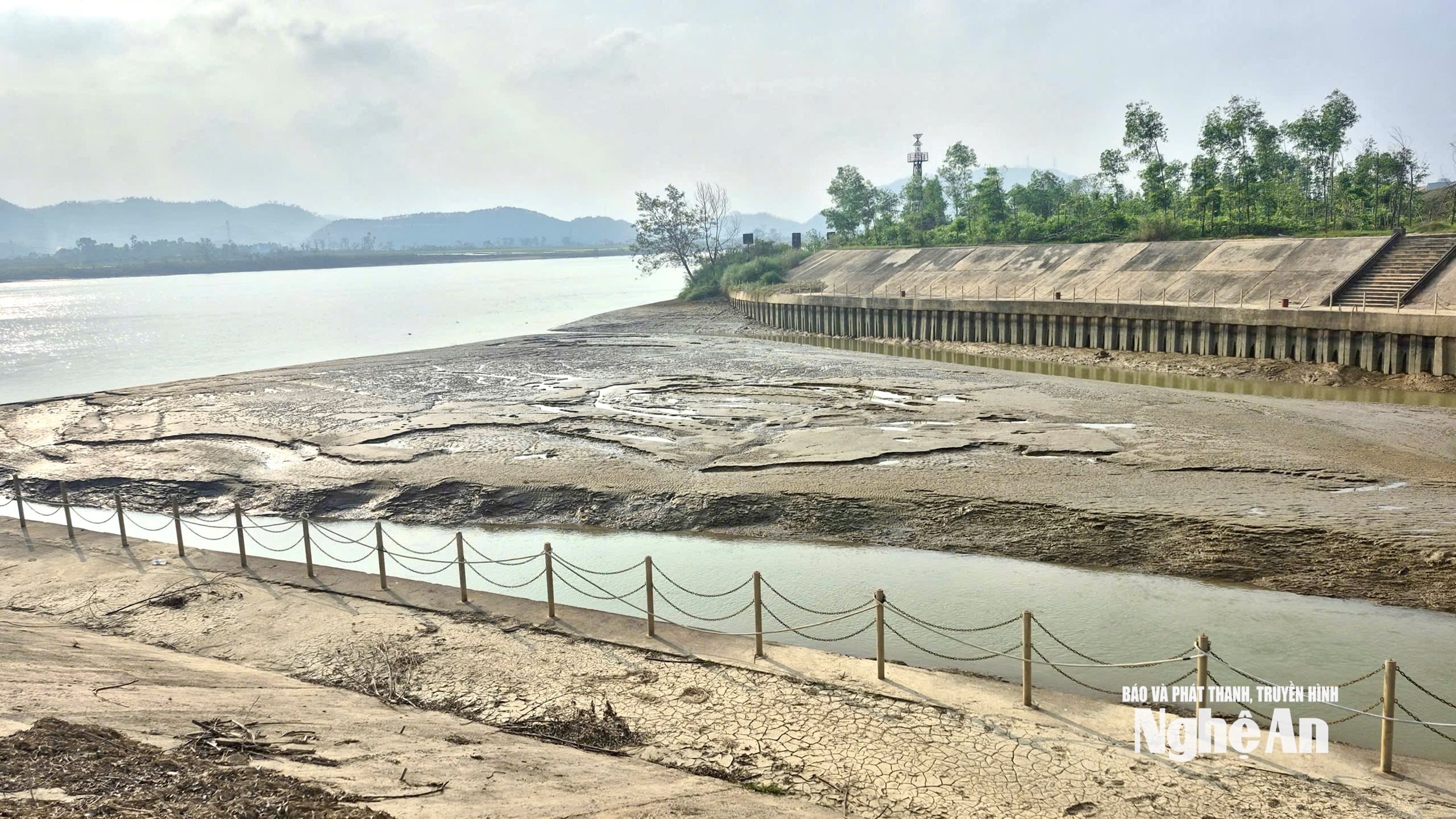
Mr. Bui Van Hao, Chairman and Director of Nam Nghe An Irrigation Company Limited, said that the water level of the Lam River is currently about 30 cm lower than the same period last year, leading to sedimentation at some sluice gates in the Nam Dan area. At the same time, many pumping stations along the river have silted-up suction basins, causing difficulties in operation and irrigation water supply.
Immediately after the Lunar New Year 2026, the unit proactively mobilized forces to clear sediment deposits in the intake basins of irrigation enterprises in Nam Dan, Hung Nguyen, Nghi Loc, etc., while simultaneously maintaining and repairing the pumping system to ensure a ready water supply for production. However, to ensure a stable and long-term water supply, the province needs to allocate funds soon to address dilapidated and weak infrastructure. Mr. Hao emphasized the necessity of coordinating water regulation from the Ban Ve Hydropower Plant, through timely water release, so that the pumping stations can operate effectively.
In addition, to proactively respond to water shortages, the unit has prepared 30 mobile pumps, ready to deploy to support pumping in the catchment areas and areas at the end of the canals. They are also focusing on tidal control, drainage, and salinity control at the Bara Nghi Quang and Ben Thuy sluice gate systems to prevent saltwater intrusion into the fields.
Urgent measures are needed to ensure irrigation water for the spring crop.
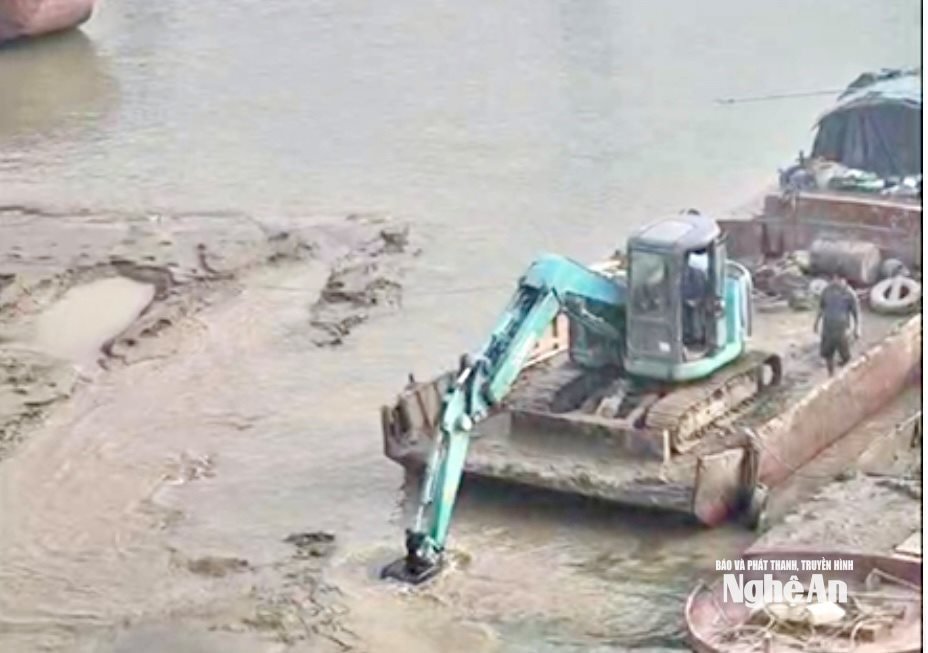
Mr. Nguyen Truong Thanh, Head of the Nghe An Irrigation Department, stated that although the pumping station system along the Lam River has been significantly upgraded and renovated in recent years, changes in river flow and sedimentation remain complex issues. Specifically, the Cat Van pumping station has a large amount of sediment, and a thorough solution requires obtaining permits related to mineral exploitation, leading to significant delays.
According to assessments, with the current water situation, water supply for the 2026 spring crop can basically still be met. However, during the middle and end of the dry season, the risk of drought, water shortage, and even saltwater intrusion is entirely possible, especially in high-lying areas, at the end of canals, and at the end of the irrigation system.
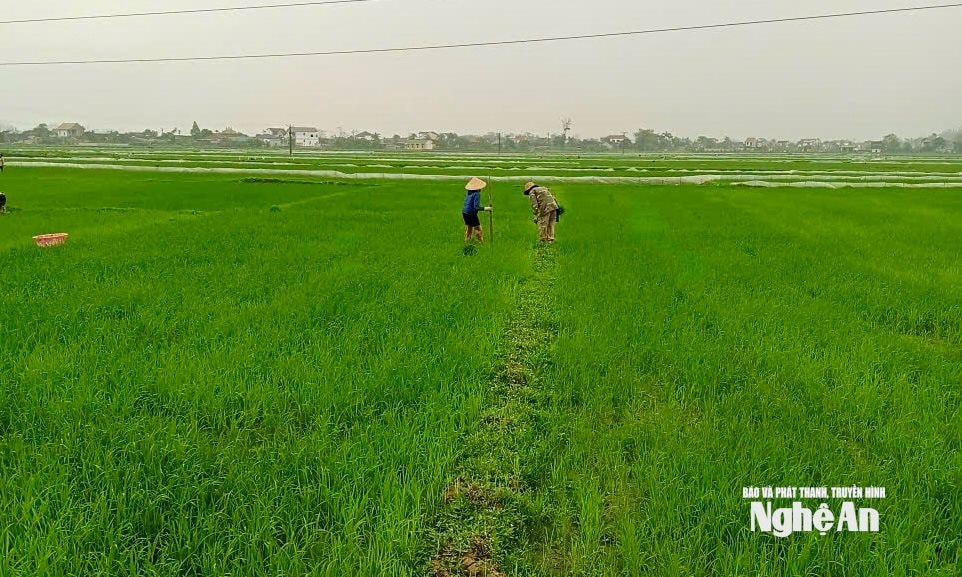
To proactively respond, the Irrigation Sub-Department has requested localities and relevant units to implement a comprehensive set of solutions. These include flexibly adjusting production plans according to water resource fluctuations; maximizing the use of water releases from hydropower plants to store water; accelerating the repair and dredging of canals and intake basins; organizing rational rotational irrigation between regions; strengthening water conservation measures; and strictly controlling saltwater intrusion.
In addition, the power sector is also requested to prioritize providing stable electricity to pumping stations, ensuring continuous operation when water is available. In the long term, the province needs to allocate funds to address dilapidated and weak infrastructure, and at the same time, coordinate with hydropower plants such as Ban Ve, Khe Bo, and Chi Khe to regulate water release appropriately, ensuring a balance between power generation and agricultural production.


