
What should you eat if you have dengue fever?
When suffering from dengue fever, patients should eat soft and liquid foods such as porridge and soup, which are both nutritious and easy to digest. They can also drink milk. They should avoid rice and hard foods that are difficult to swallow.
Eat easily digestible foods.
Regarding food, it should be liquid and soft, rich in nutrients such as soup and porridge. These are the foods that should be eaten when suffering from dengue fever. Foods rich in protein and zinc should be consumed to boost immunity. These are abundant in chicken and fish, which can be added to soups and porridges. Additionally, milk also provides vitamins and strengthens the immune system. We should also divide meals into smaller portions throughout the day.
When suffering from dengue fever, it's important to supplement with vitamins and minerals that are good for your health. Fast food is generally lacking in nutrients and unhealthy. Prepare soft, easily digestible foods. Replace sugary soft drinks with fresh fruit.
 |
Especially for children with dengue fever, milk is the most important source of nutrition; if the child is still breastfeeding, continue breastfeeding. When feeding the child, divide meals and drinks into smaller portions, avoiding large meals at once. Actively supplement their diet with protein-rich foods from eggs, meat, and dairy products, as well as foods rich in vitamin A and zinc (beef, chicken, etc.) to boost their immune system and fight against dengue fever.
What foods should you avoid if you have dengue fever?
Fried foods and sugary drinks are difficult to digest, unhealthy, and can worsen the illness. Because your child has dengue fever and needs more vitamins and fluids, foods like sugary drinks and fried foods are not only unhealthy but can also make their health worse.
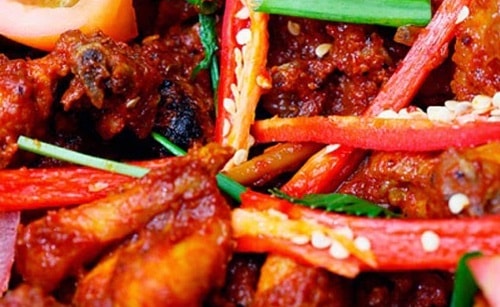 |
Spicy foods: When suffering from dengue fever, the patient's immune system is weakened and energy is depleted. Spicy foods such as ginger, chili peppers, mustard, etc., will increase body temperature. This not only worsens the illness but also affects the recovery of patients with fever.
Dark-colored foods: Patients with dengue fever are very prone to bleeding, so they should avoid any foods that are red, brown, or black throughout the monitoring period. The purpose is to prevent confusion for doctors and to easily identify whether the patient is experiencing stomach bleeding during vomiting.
Drink plenty of water.
Dengue fever, caused by a virus, typically presents with very high fever and can easily lead to dehydration. In addition to fever, bleeding may occur. The greatest concern is shock and circulatory failure. The first thing to do when experiencing a fever in general (and especially dengue fever) is to replenish fluids and electrolytes. It's essential to drink water, preferably boiled and cooled water, followed by fruit juices. Fruits like lemons and citrus fruits are rich in vitamin C, boosting immunity, strengthening blood vessels, and reducing fluid loss from the blood. Coconut water is also very beneficial.
 |
Avoid using honey and other natural sugars. Consuming sugar will slow down the white blood cells' ability to fight bacteria, thus worsening the illness and prolonging recovery.
What kind of diet can help prevent dengue fever?
Dengue fever has a very clear cause and transmission route. If you are not bitten by a mosquito, you will not get dengue fever. If you have good immunity, when you do get the disease, it will be milder. The disease progression is more severe in sick people, children, the elderly, pregnant women, etc. If you have good immunity, the disease will be milder.
 |
There are many foods that boost immunity, such as those containing vitamins A and C, zinc, iron, and protein. In your daily diet, avoid overeating but ensure you get enough protein. Vitamin A is abundant in red and yellow foods, and dark green vegetables. Increase your intake of green vegetables. Ensure your diet provides sufficient daily energy, especially for children and the elderly. When the immune system is strong, illnesses will be milder and complications will be reduced.
According to infonet
| RELATED NEWS |
|---|