
Venezuela's Su-30MK2s before the US: an assessment of their capabilities and limitations.
Harrison Kass (TNI) assesses the Su-30MK2 as the backbone of Venezuela's military but notes a lack of funding, low pilot training, and insufficient AEW&C and refueling capabilities; however, its ability to carry Kh-31 missiles still provides a deterrent.
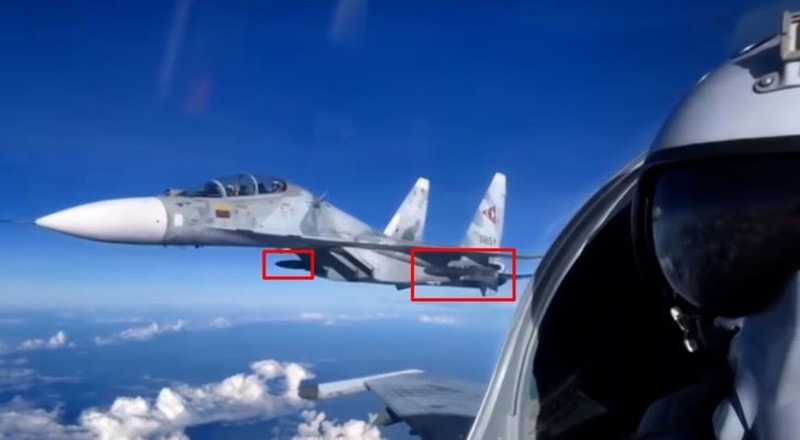
National Interest (TNI) journalist Harrison Kass noted that the Venezuelan Air Force's Su-30MK2 aircraft are a key force, but in a direct confrontation with the US Air Force, they risk becoming "paper tigers" due to budget constraints, training limitations, and a lack of combat support equipment. Nevertheless, their ability to carry Kh-31 anti-ship missiles is still considered a significant deterrent against the US military presence, according to Army Recognition.
Overview
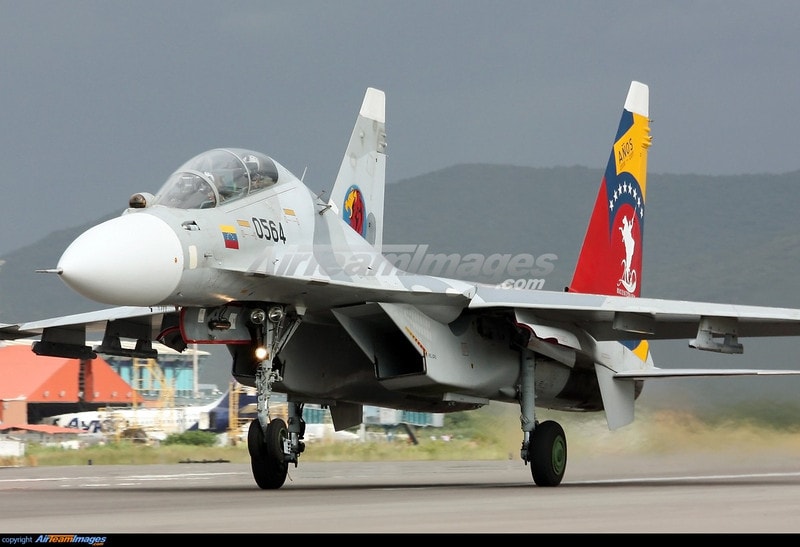
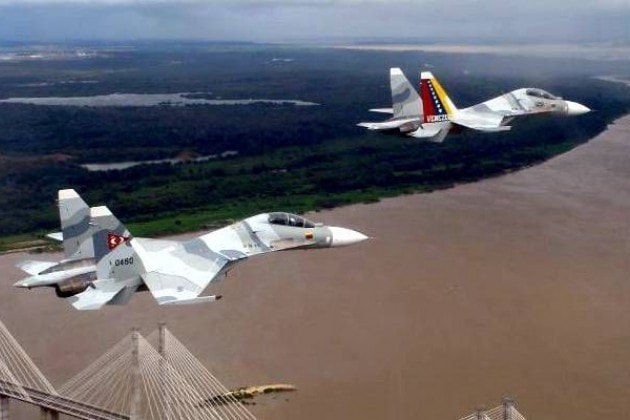
The Su-30MK2 (NATO designation Flanker-C) is described by Kass as the "jewel" of the Venezuelan Air Force and one of the most capable fighters in Latin America. It is a multi-role platform, serving to deter regional adversaries and monitor national airspace. However, its combat effectiveness is significantly hampered by a persistent shortage of resources.
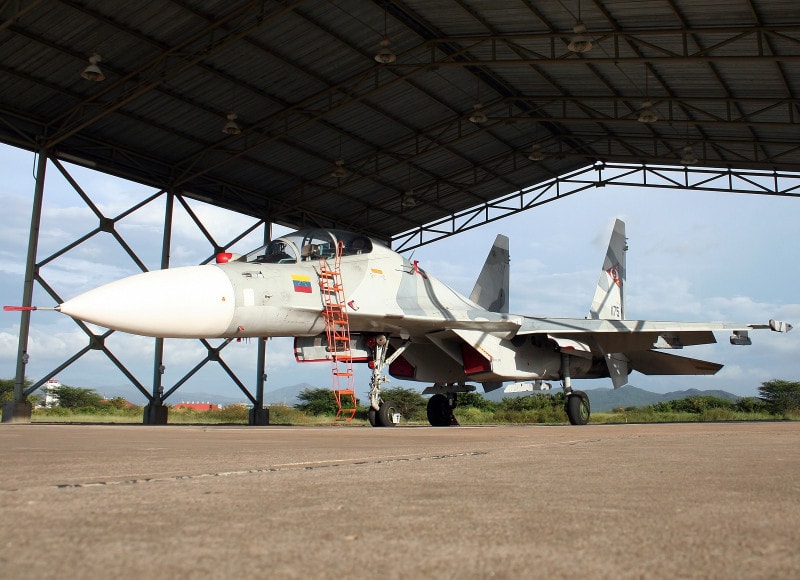
Roles and capabilities by source
Kass emphasized that the Su-30MK2 helps Caracas perform many important tasks: regional deterrence and air defense. At the tactical level, a squadron of multirole fighters, if highly ready, can flexibly respond to many scenarios. However, TNI's assessment focuses on combat readiness rather than purely the equipment platform.
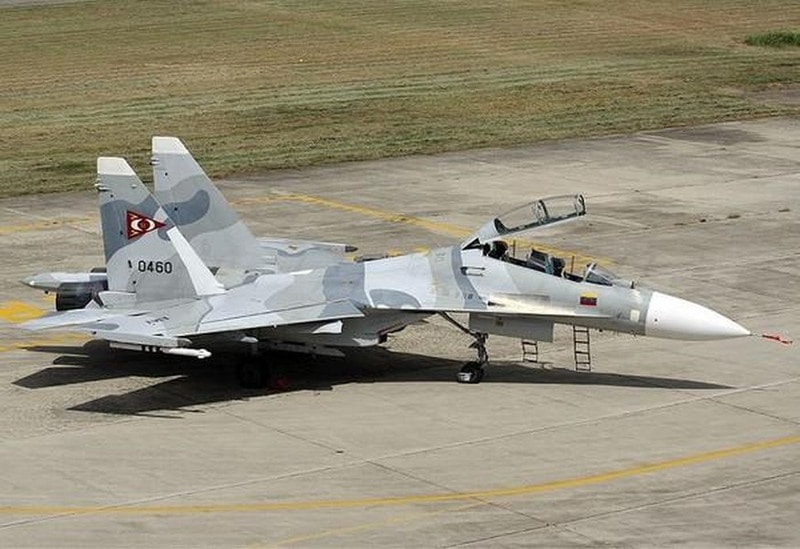
Key constraints: budget and training.
According to Kass, the difficult economic situation has left the Venezuelan Air Force short of funds, leading to reduced flight hours due to a lack of spare parts. This directly impacts the quality of flight crew training. The article states: "Low combat readiness makes the Su-30MK2 fighter squadron a 'paper tiger' in the event of conflict."
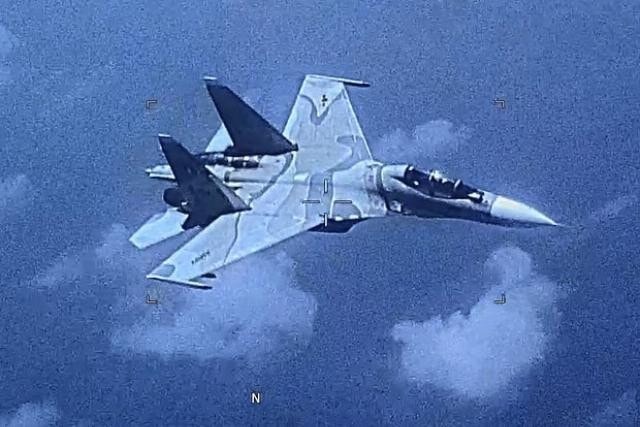
Lack of support equipment: a weakness in modern warfare.
Kass noted that the lack of support assets such as airborne early warning and control (AEW&C) aircraft or refueling aircraft would significantly reduce the combat potential of the Su-30MK2. In modern warfare, these support elements play a crucial role in maintaining situational awareness and extending operational time, thereby enhancing the effectiveness of fighter forces.
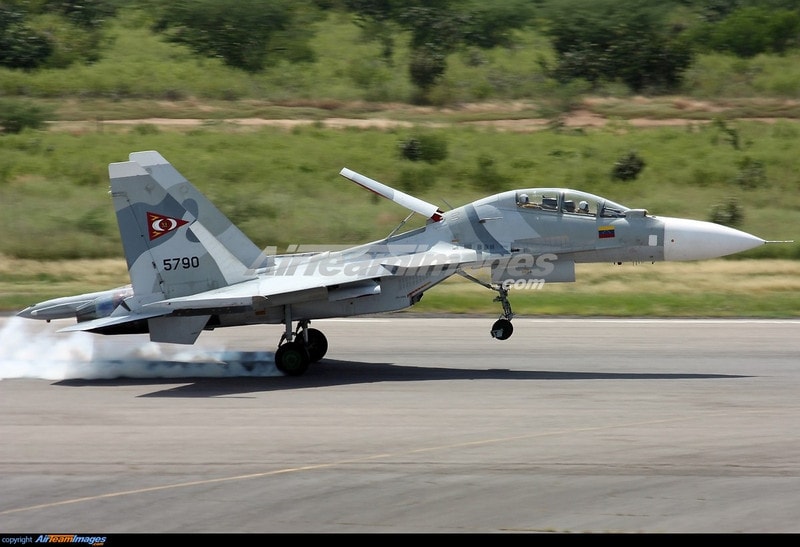
Anti-ship deterrence: the role of the Kh-31
According to Army Recognition (November), Venezuela's Su-30MK2 is capable of carrying Kh-31 anti-ship missiles, creating a credible deterrent against the US military presence. From an operational perspective, medium-range anti-ship capabilities can increase regional deterrence, especially when integrated into an overall defense plan.
Overall assessment
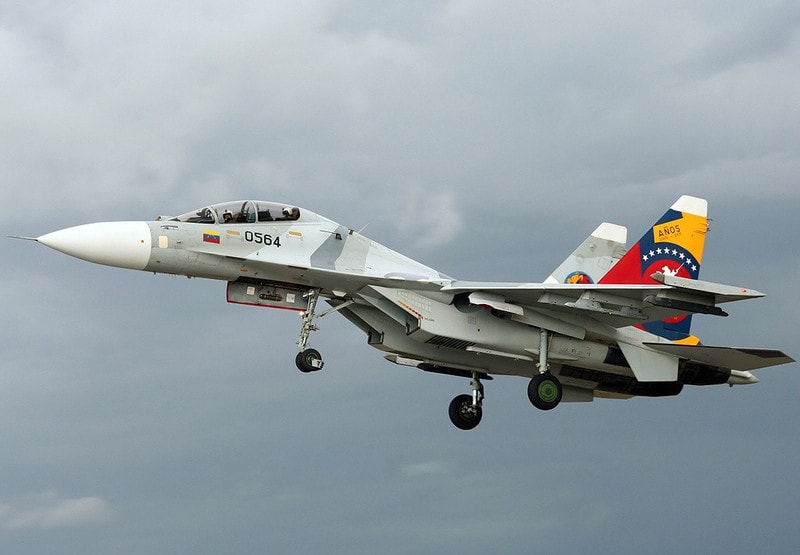
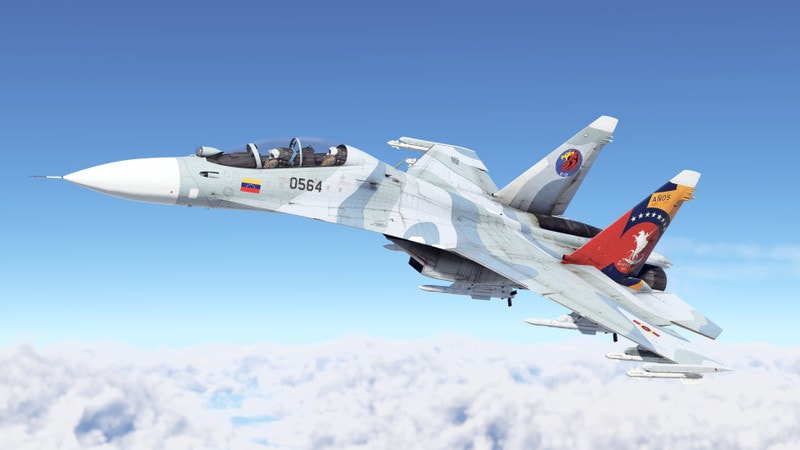
According to the sources cited, Venezuela's strengths lie in its Su-30MK2 platform and its anti-ship deterrence capabilities. However, bottlenecks in budget, training, spare parts, and a lack of support such as AEW&C/refueling significantly diminish its combat effectiveness. In the hypothetical scenario of a direct confrontation with the US Air Force, readiness and the supporting ecosystem could determine the outcome more than the aircraft itself; therefore, Kass's "paper tiger" warning reflects a well-founded risk given that these limitations remain unaddressed.
This article does not offer further speculation beyond the information already cited, focusing on the technical and operational aspects and readiness levels as based on TNI and Army Recognition sources.


