
Su-57 and R-37M missiles: A new challenge for the Saab 340 early warning system.
The emergence of the Su-57 stealth fighter, combined with the R-37M ultra-long-range missile, is raising serious questions about the survivability of traditional early warning aircraft in modern warfare.
According to technical reports and information from the conflict zone, Russia's fifth-generation Su-57 fighter jet is believed to have successfully destroyed a Swedish-supplied Saab 340 (ASC 890) airborne early warning and control (AWACS) aircraft. This event, if fully verified, would mark a turning point in long-range air combat tactics, where slow-moving early warning aircraft become vulnerable targets to stealth technology and hypersonic missiles.
Scenario for suppressing AWACS aircraft using R-37M missiles.
The Saab 340 AEW&C was designed to act as a "watchdog," providing target data to fighter jets like the F-16. However, when the Erieye radar system was activated for surveillance, the aircraft inadvertently revealed its location to Russian radio reconnaissance systems.
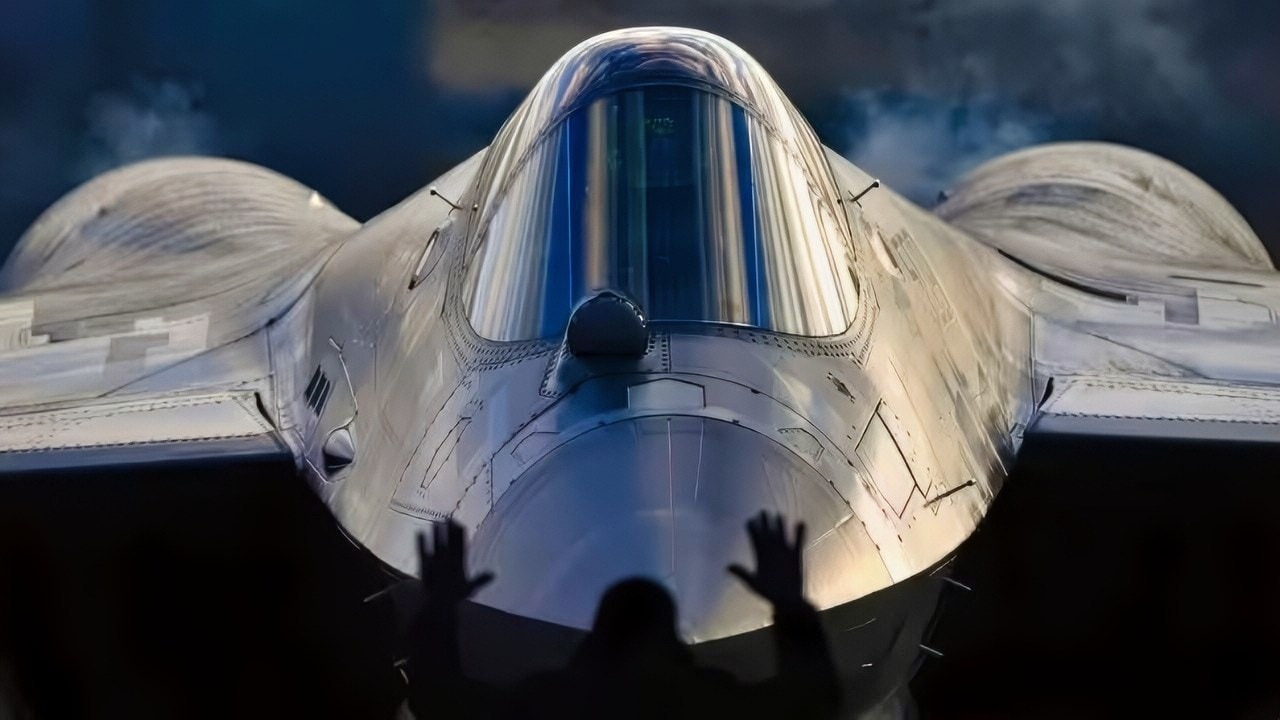
Tactical analysis suggests that the Su-57 may have exploited its stealth capabilities, flying at altitudes above 15,000 meters at supersonic speeds in the airspace of the Kursk, Belgorod, or Voronezh regions. By maintaining radio silence and only receiving data from ground-based radar stations or A-50U aircraft, the Su-57 launched the R-37M missile from a considerable distance. With its active seeker activated in the final stage, the R-37M took less than 20 seconds to reach its target, leaving a heavy aircraft like the Saab 340 with no time to perform evasive maneuvers.
Limitations of traditional early warning systems
The loss of aircraft like the Saab 340 illustrates a harsh reality: large, expensive, and slow AWACS aircraft are gradually losing their place on the front lines, which are heavily fortified with ultra-long-range missile systems. Even Russia's A-100 Premier project is facing similar challenges regarding its survivability in a direct confrontation.
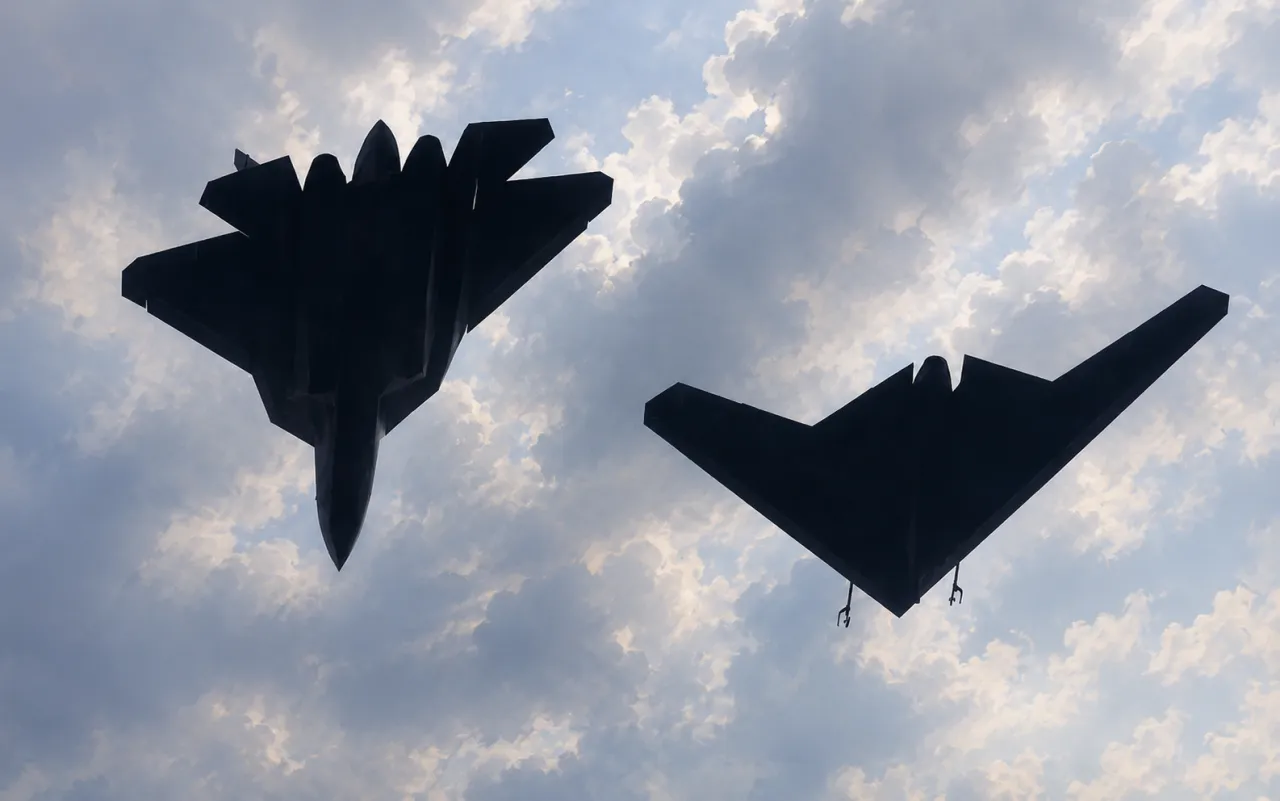
Faced with stealth fighters and missiles with a range exceeding 300 km, deploying a multi-million dollar airborne command center near a combat zone becomes risky. This has spurred the search for more flexible and cost-effective alternatives.
The future of combining the Su-57B and the Okhotnik UAV.
A new solution being considered is a shift to a network-centric warfare model. In this model, the two-seat Su-57B would act as a stealth airborne command center, controlling a group of heavy S-70 Okhotnik unmanned aerial vehicles (UAVs). These UAVs would be equipped with synchronized radars to form a mobile surveillance network right on the front lines.
This system operates based on advanced engineering principles:
- Radar mode is flashing:The UAVs emit short radar pulses at different frequencies, giving the enemy insufficient time to lock onto the target.
- Passive income:The airborne devices only receive reflected signals that are "illuminated" from high-power ground-based radar stations such as Nebo-M or Container located deep in the rear.
- Low coverage:UAVs can detect low-flying targets that ground-based radar is limited by due to the curvature of the Earth.
This model not only helps protect pilots and expensive aircraft but also maintains continuous radar surveillance. Losing a UAV in combat would be far less catastrophic than losing a traditional AWACS aircraft and its entire expert crew.


