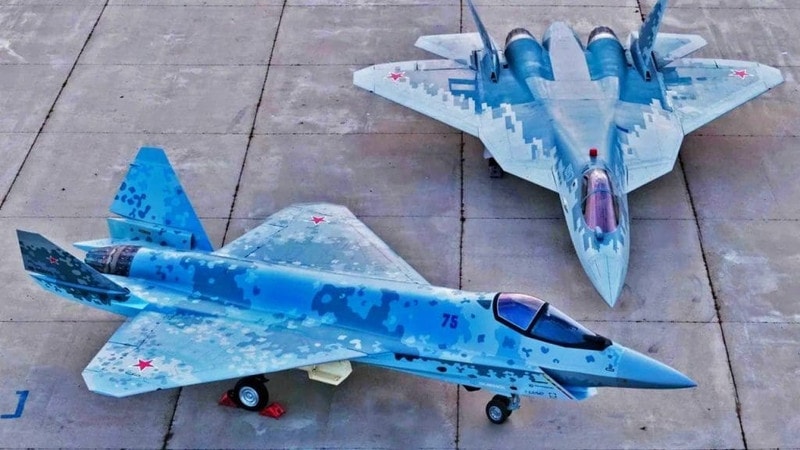
Su-75 Checkmate: Experts doubt the 2026 launch date.
Brandon Weichert (National Interest) doubts the feasibility of the Su-75's 2026 test flights because there is no prototype yet; if successful, the project would impact procurement competition.
Brandon Weichert, an analyst for the American magazine National Interest (NI), questioned the possibility of the Su-75 Checkmate making its first flight in 2026. According to him, this goal lacks basis as no ground-tested prototype has yet appeared; therefore, the 2026 date may only be "imaginary".
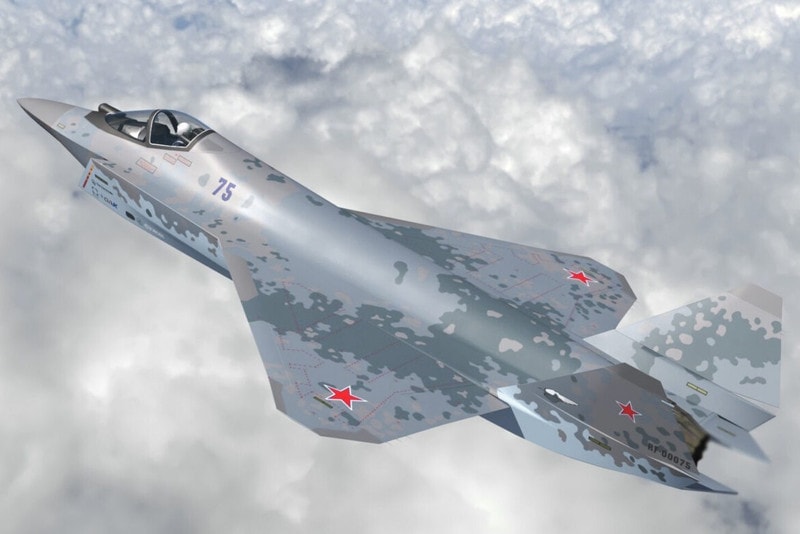
Overview
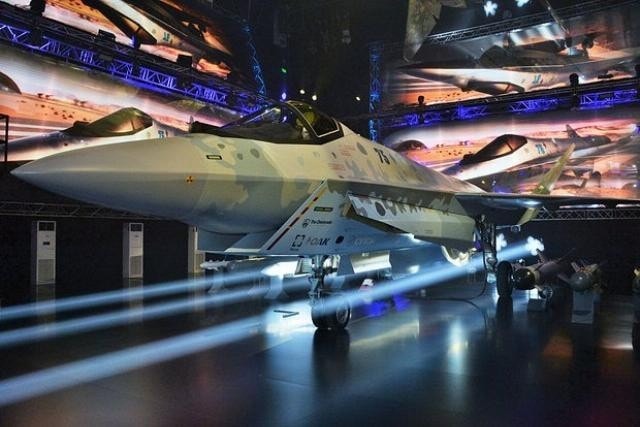
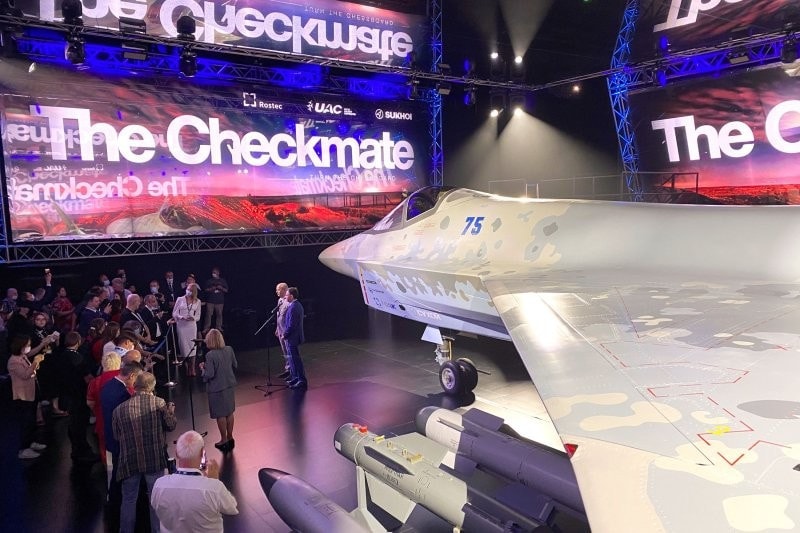
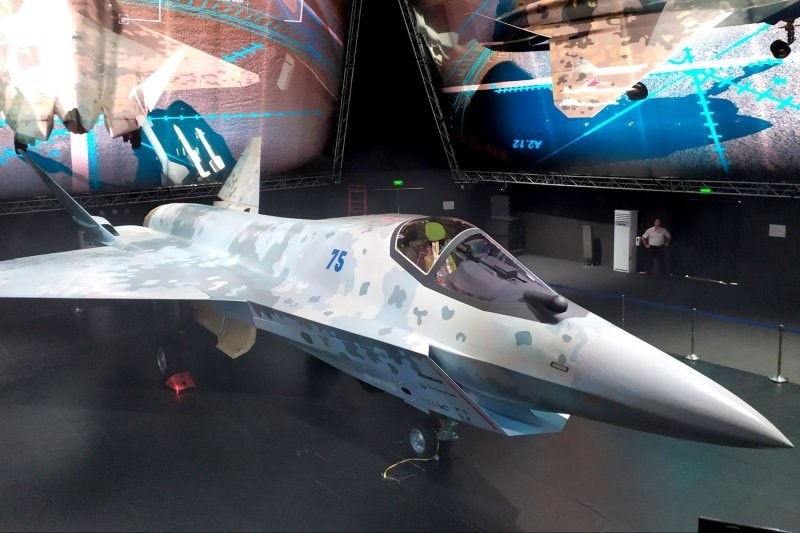
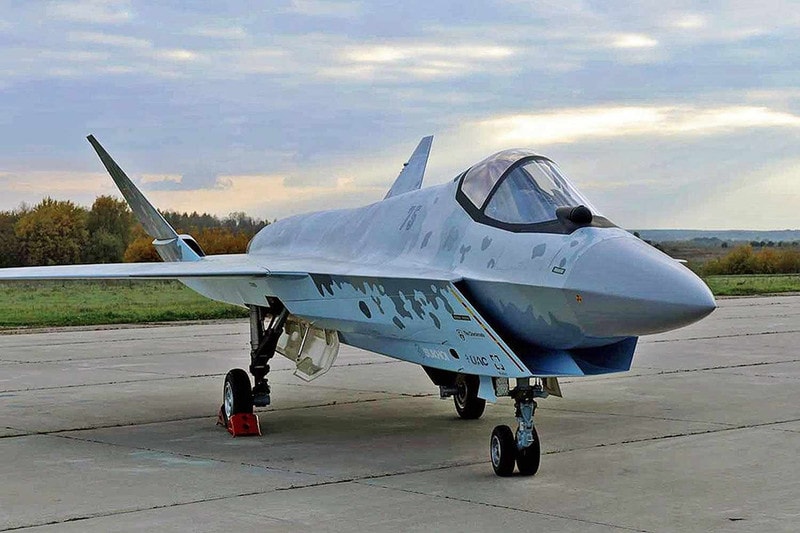
According to Brandon Weichert, the plan to test-fly the Su-75 in 2026 lacks supporting technical evidence: to date, there has been no ground-tested prototype, and the project has only been on display since 2021. Therefore, the 2026 timeframe is considered difficult to achieve.
Key points according to the source.
- The 2026 first flight date is met with skepticism due to the lack of a prototype.
- If the project is successful, the Su-75 could influence the competitive landscape of fighter jet procurement, especially for countries that have difficulty accessing Western fighters or face financial constraints.
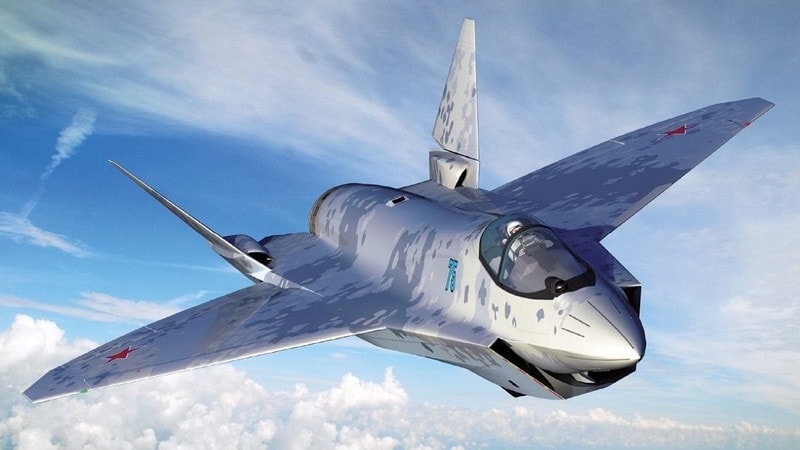
- The plan to develop an unmanned variant based on the Su-75 platform is considered to be in line with current trends in air combat.
- Despite sanctions efforts, Russia continues to export defense equipment to many developing countries in the Southern Hemisphere.
- If sanctions are eased, the Su-75 program could progress more quickly.
- Even in the best-case scenario, achieving tangible results in combat and operations will still require many more years.
Technical aspects and trends
The source did not provide technical specifications; the focus was on the development status: a lack of ground test prototypes and only a display model since 2021. From a tactical perspective, the development of an unmanned variant based on the Su-75 is considered consistent with the modern air combat trends pursued by many forces.
Impact on the market and the punitive environment
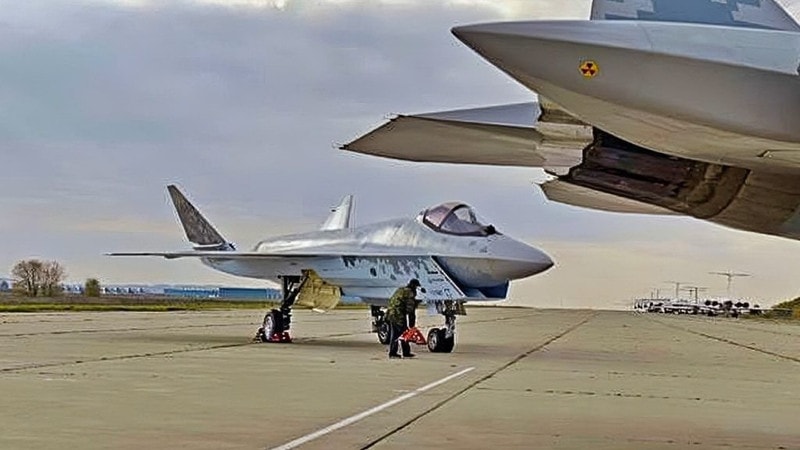
According to Weichert, if the Su-75 program progresses and flight tests are successful, the most noticeable impact will be on the competition in the fighter jet market, especially in countries that do not have easy access to advanced fighters from the West or are subject to budget constraints. He also suggested that the project's progress is heavily influenced by the severity of sanctions: if they are eased, the program could accelerate.
Timeline and operational capabilities
Even if the first flight takes place as planned in 2026, Weichert believes it will take many more years to assess the actual results in combat and operation. This means that the 2026 timeframe—in terms of bringing the product to a fully combat-ready state—does not fully reflect the testing and refinement process.
Conclude
Brandon Weichert's assessment highlights two main points: the current technical status does not indicate the possibility of flight testing in 2026, and if the project progresses successfully in the future, the biggest impact will be a change in the competitive landscape of fighter jet procurement in non-Western markets. This view is widely shared, especially since the Su-75 prototype has yet to appear.