
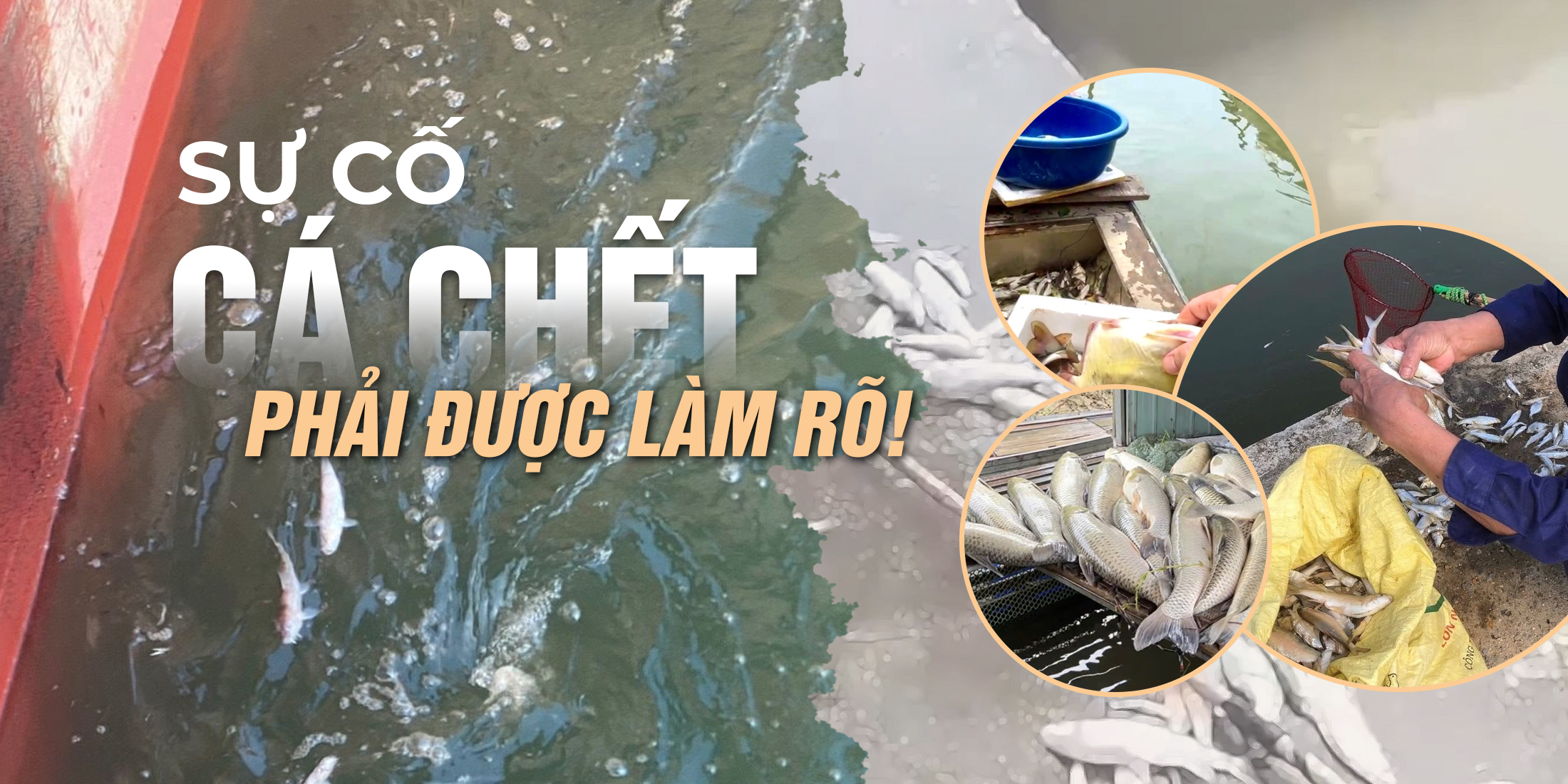
The fish kill incident must be thoroughly investigated!
In recent days, news of mass fish deaths on the Lam River and its tributaries has been increasingly reported in the press and on Facebook. Along with the news of the fish deaths, there is sympathy for the households raising fish in cages on the river who have suffered losses; and anxiety about the pollution of the Lam River and the destruction of its ecosystem.
Content:Nhat Lan| Design:Huu Quan• May 10, 2026
In recent days, news of mass fish deaths on the Lam River and its tributaries has been widely reported in the press and on Facebook. Along with the news of the fish deaths, there has been sympathy for the fish farmers on the river who have suffered losses; anxiety about the pollution of the Lam River and the destruction of its ecosystem. Simultaneously, suspicions have arisen regarding the molasses storage tank rupture at the Song Lam Sugar Factory, with complaints about the slow determination of the cause and the delayed warnings from authorities...
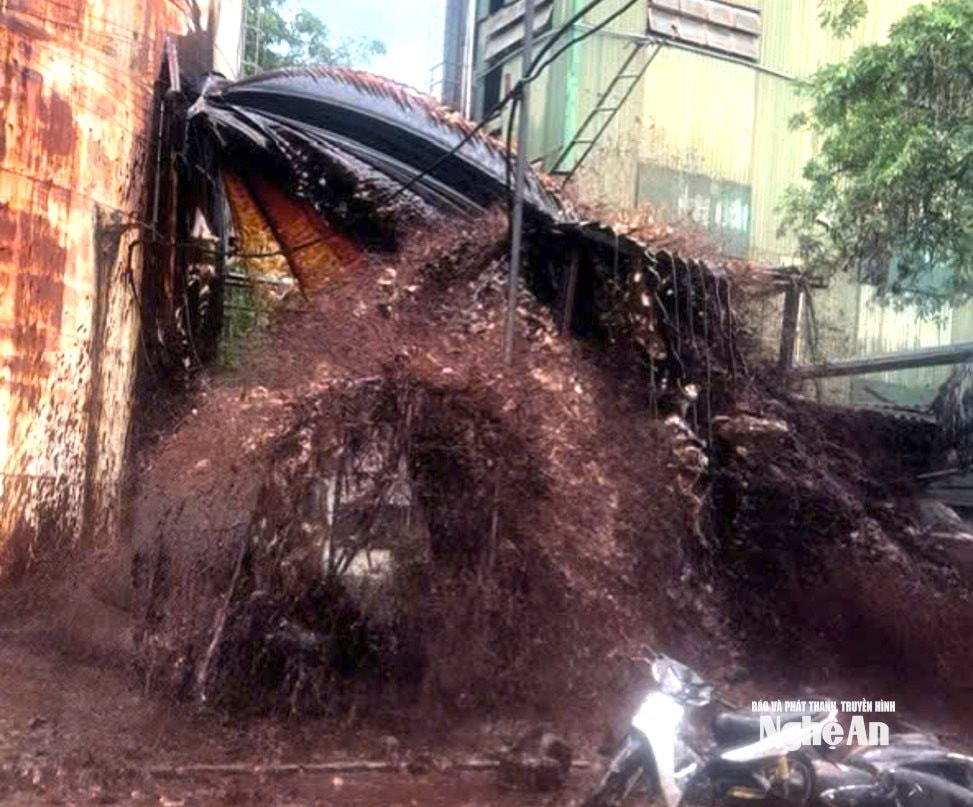
Going back in time, the molasses storage tank rupture at the Song Lam Sugar Factory (in Nhan Hoa commune) occurred at 5:15 PM on May 3rd. The fish kill on the Lam River began on May 4th in Anh Son commune.
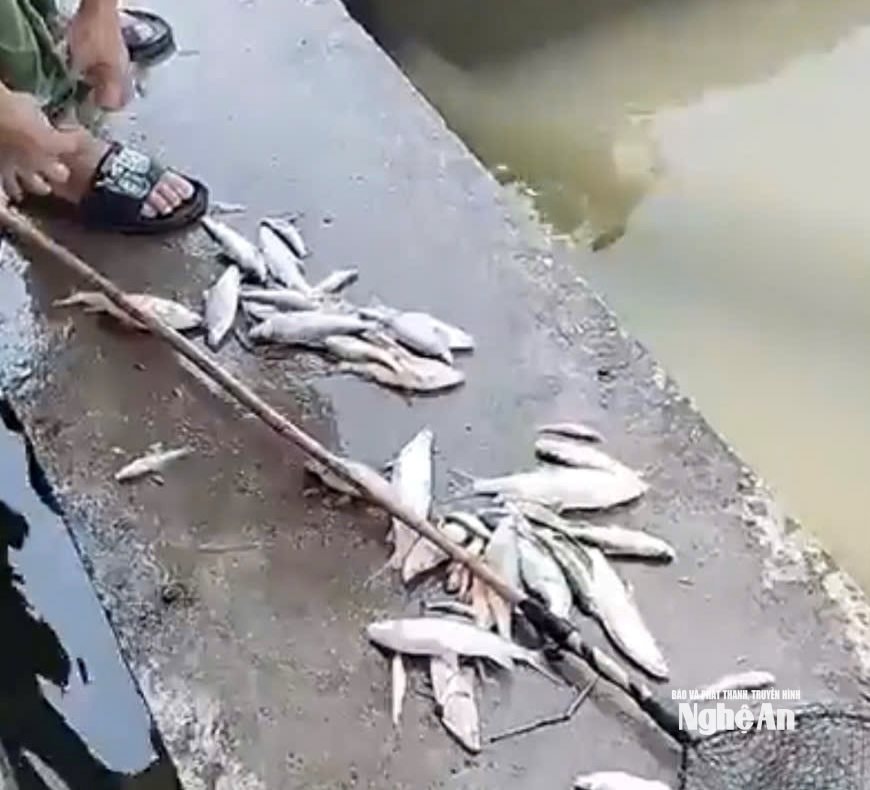
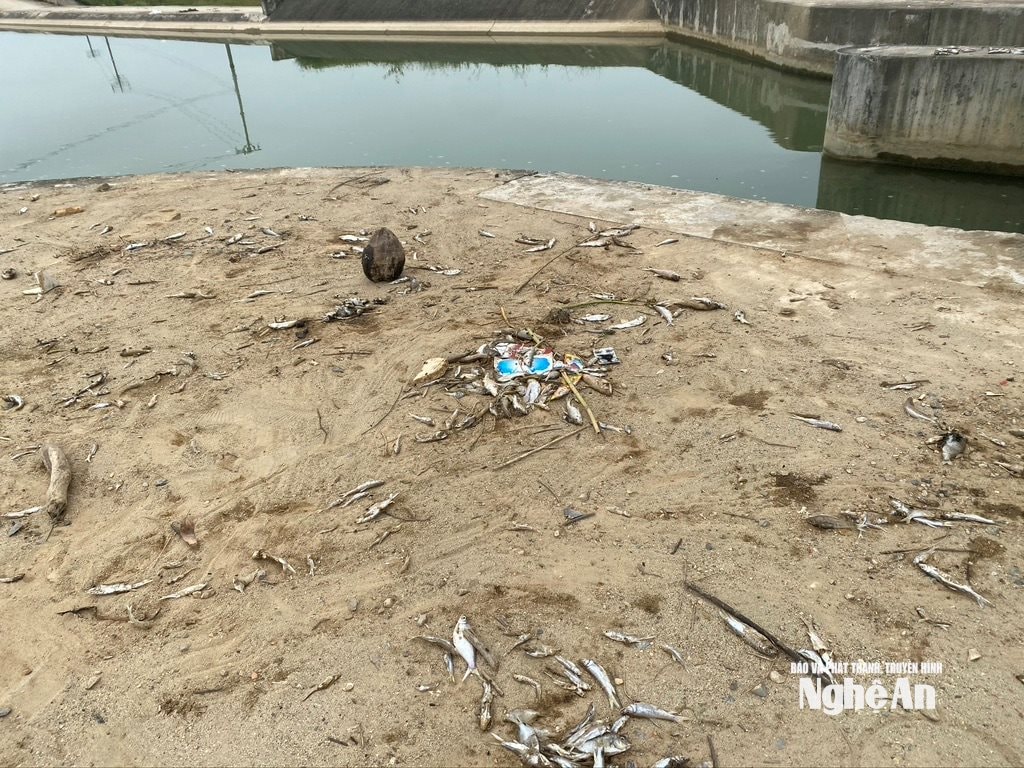
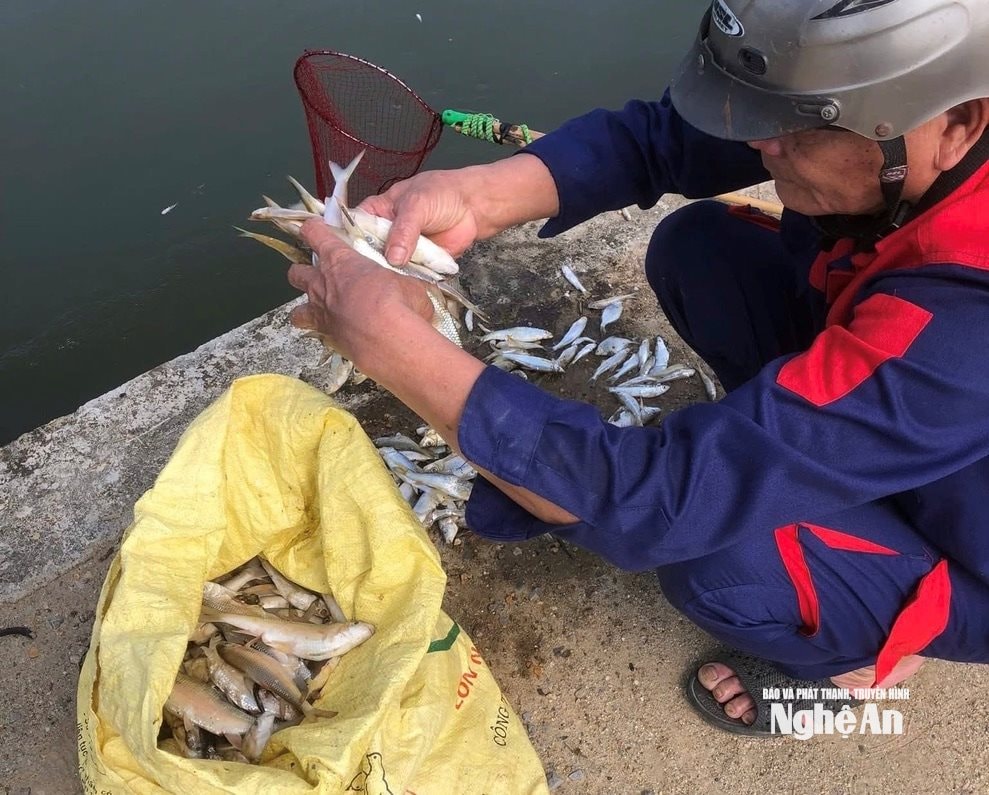
According to a detailed report from Anh Son commune: 13 fish cages belonging to local residents on the Lam River in Kim Nhan, Thach Son 3, and Duc Son villages suffered mass fish deaths, with the amount of dead fish reaching over 8 tons.
.png)
.png)
The mass fish deaths could be caused by weather conditions or by polluted river water, so Anh Son commune requested clarification to reassure the public. In the following days, the fish deaths on the Lam River continued to spread, occurring in Anh Son Dong commune, Bach Ngoc commune, and even on the major canals leading water from the Lam River through the Do Luong weir to Yen Thanh and Dien Chau districts (formerly).
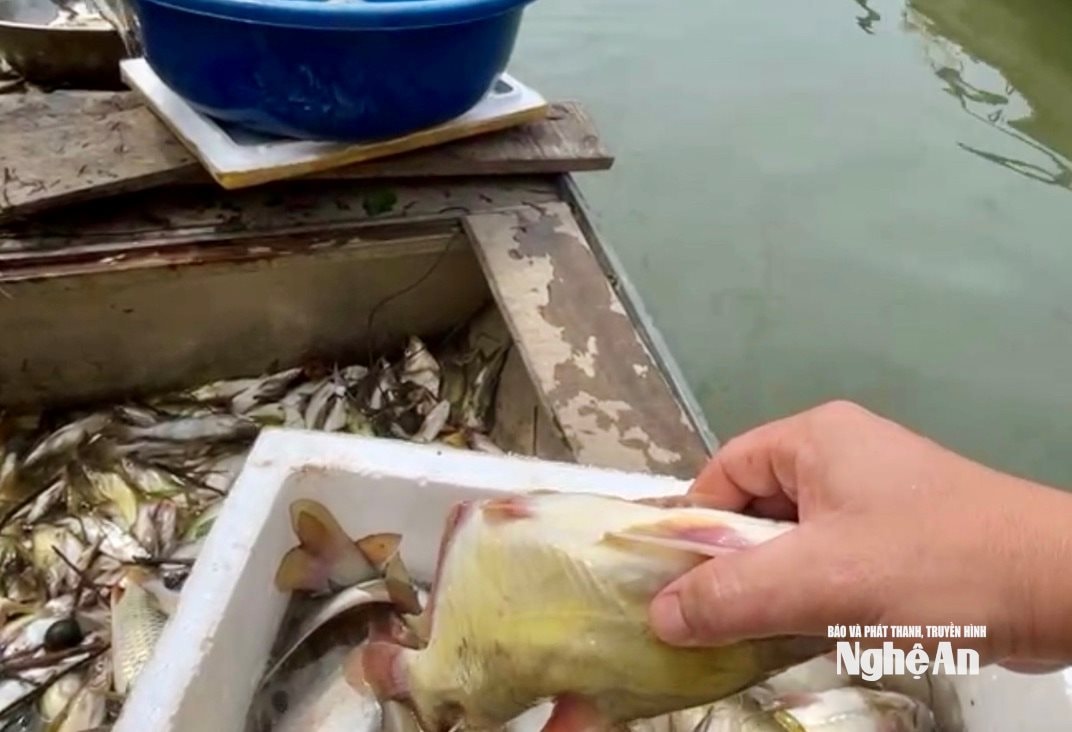
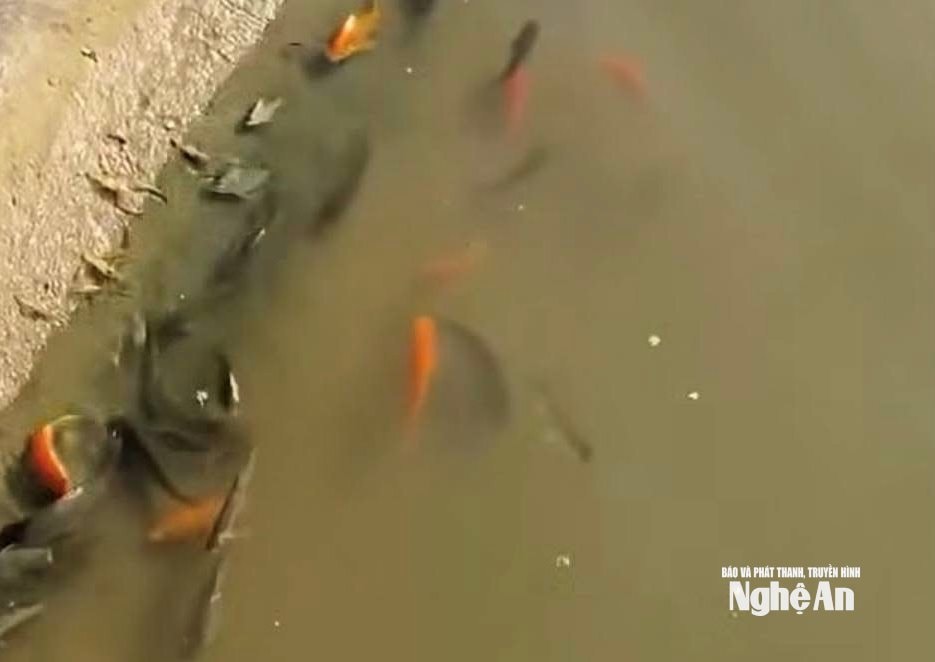
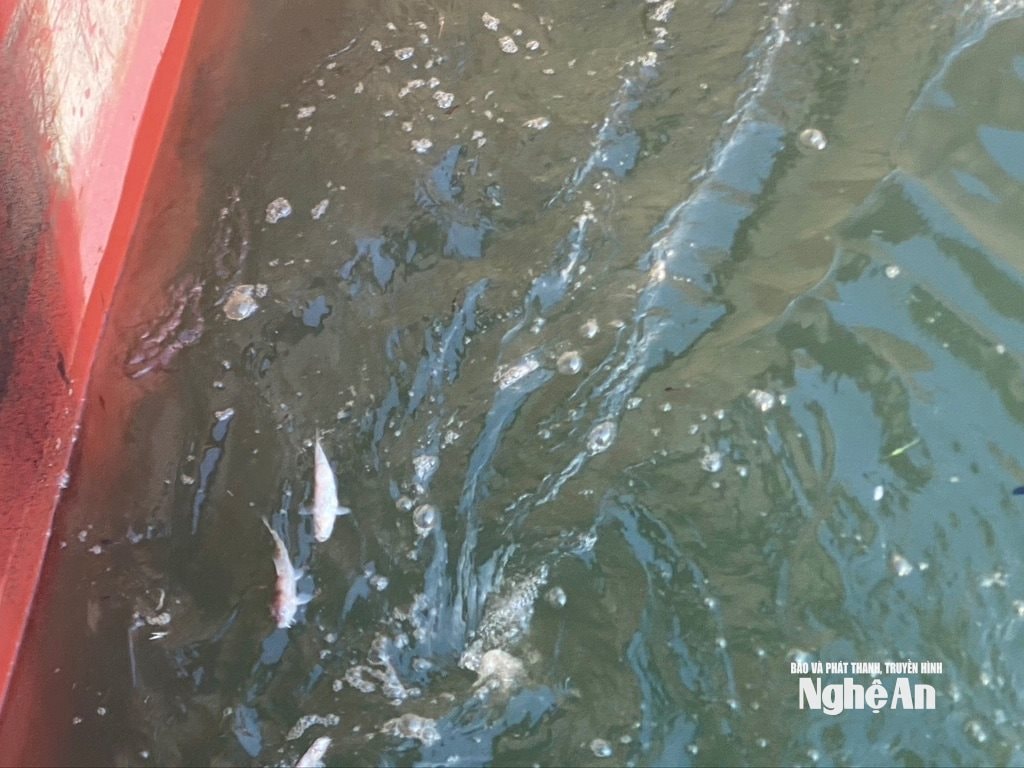
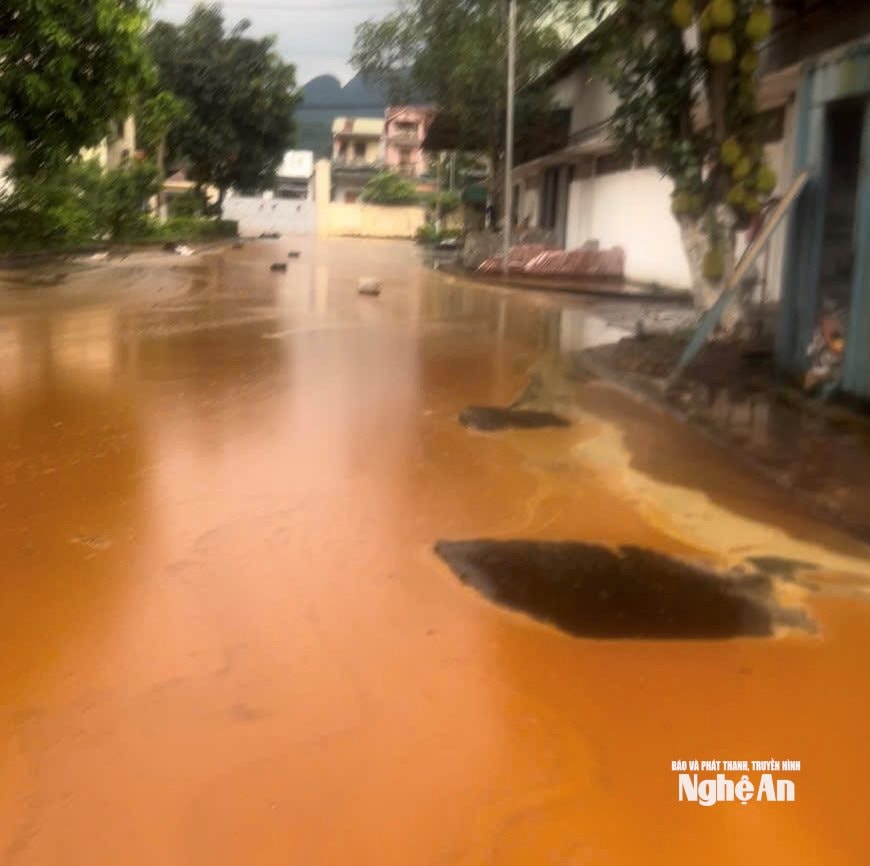
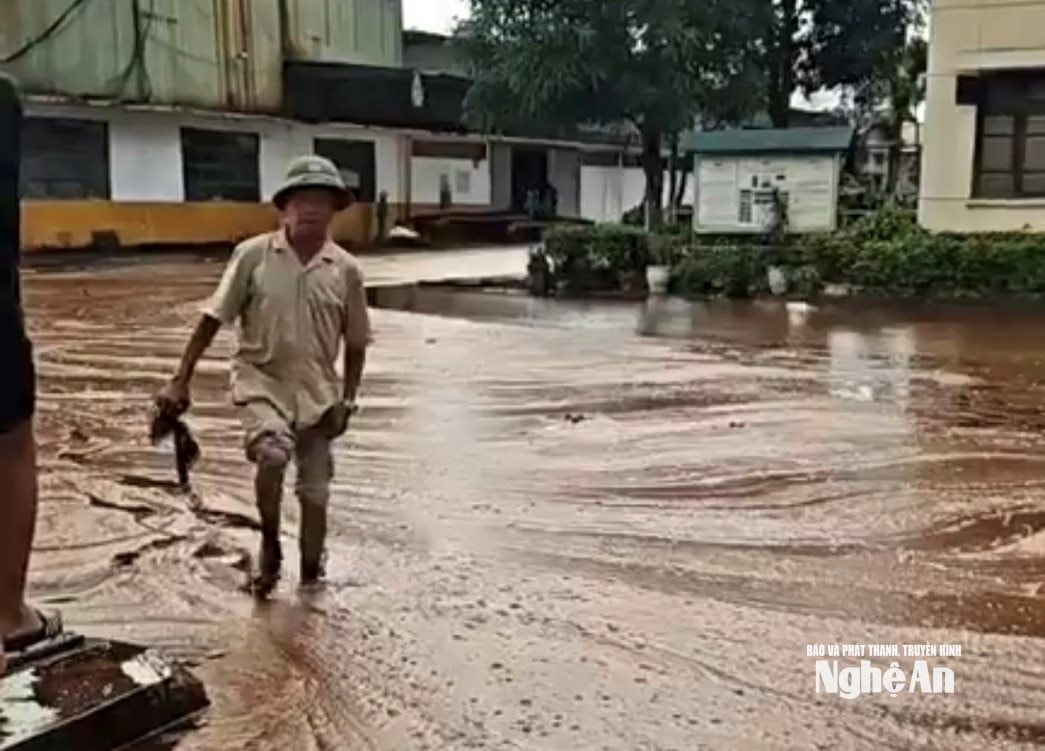
Regarding Song Lam Sugar Company, reports were submitted to the authorities on May 3rd and May 5th. The company determined that the tank rupture caused approximately 2000 tons of molasses to spill onto the premises, but it was contained to prevent the molasses from spreading into the natural environment. By 5 PM on May 4th, the incident was resolved, the molasses was collected, ensuring environmental safety and hygiene. No impact on natural water sources or the lives of local residents was observed.
However, the Song Lam Sugar Factory is located upstream, and the fish kill began some time after the incident; several localities in Dong Nai and Hau Giang provinces experienced environmental incidents due to molasses spillage from the sugar factory…
Therefore, suspicions arose that a ruptured storage tank caused molasses to leak into the environment, affecting the water in the Lam River. These suspicions were further heightened when, on May 6th, a water treatment plant announced it would stop drawing raw water due to alleged contamination.
Meanwhile, based on inspections by working groups, the Department of Agriculture and Environment issued a report on May 6th, stating: Based on the symptoms of fish refusing to eat, surfacing, and dying rapidly, with no signs of hemorrhage in the color or internal organs, and occurring simultaneously across a wide area, wild fish are also similarly affected.
Therefore, the cause of the fish deaths could be a sudden decrease in dissolved oxygen due to a large organic load after rain, or related to discharges from upstream. This is an unusual phenomenon, occurring in an area of the river with a strong current, developing rapidly, and currently having no farmed fish in cages, making it difficult to determine the specific cause of the incident.
The Department of Agriculture and Environment affirmed that it has assigned the Center for Resource and Environmental Monitoring to collect samples for analysis and assessment of the water quality of the Lam River as a basis for resolving related issues. At the same time, it will continue to coordinate with relevant agencies to determine the extent of the impact and the causes of the mass fish deaths…
.png)
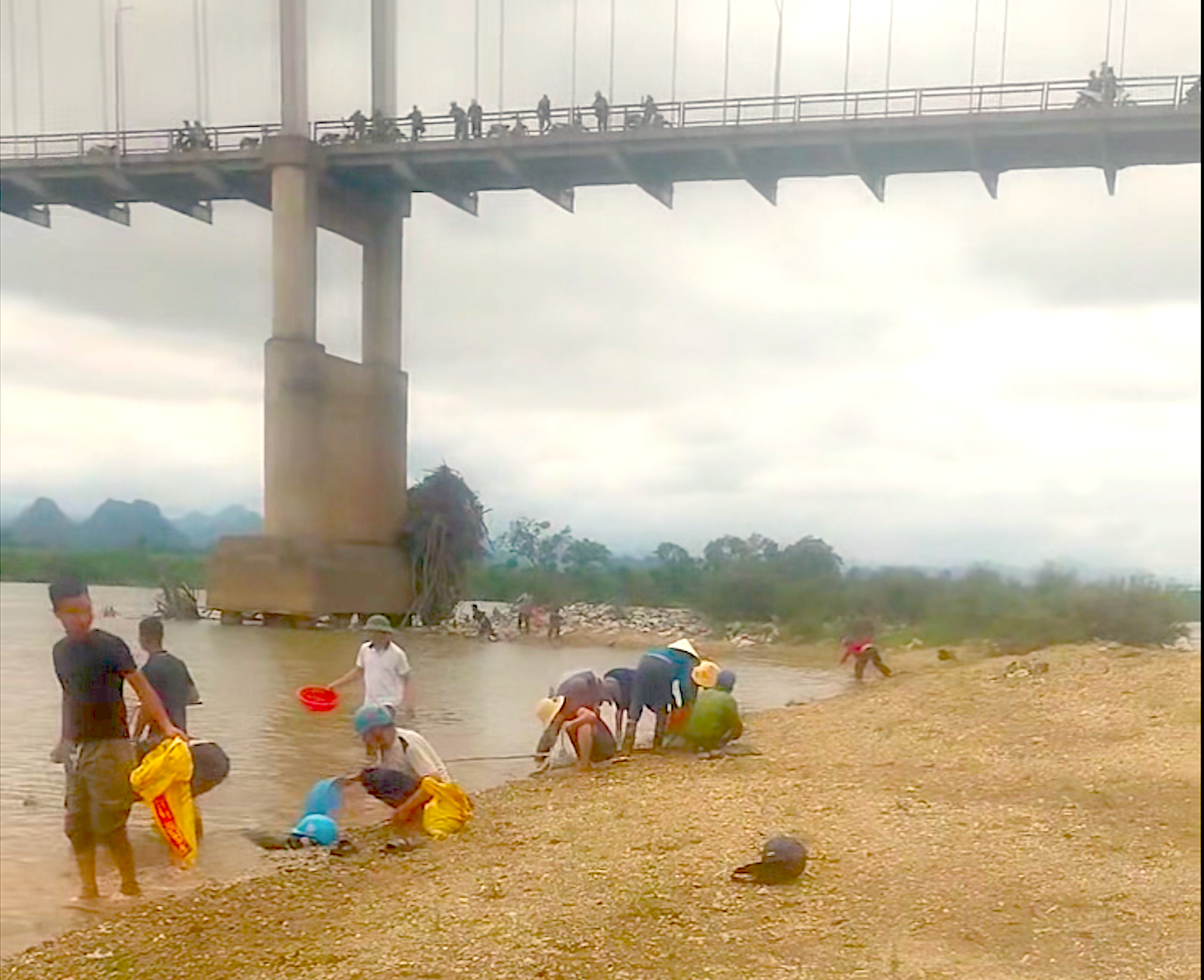
Therefore, it can be confirmed that the mass death of farmed and wild fish in cages on the Lam River in some areas downstream of the Song Lam Sugar Factory is true. However, the cause of this mass fish kill and whether the water quality of the Lam River has been affected requires more time to verify and clarify.
The point is, all doubts need to be clarified. However, until a competent authority concludes on the cause of the fish kill, we should refrain from making hasty conclusions. In the case of the water treatment plant, temporarily suspending the use of raw water from the Lam River for production, out of concern for the quality of drinking water supplied to the people, was a correct action. However, the information released regarding the cause of water pollution is unfounded. Such hasty conclusions will affect those involved and, more importantly, create negative public opinion.
Following the mass fish deaths, everyone sympathizes with the fish farmers on the river who have suffered losses, and everyone is worried about the pollution of the Lam River. Therefore, everyone wants to know the cause and the subsequent remedial measures. This is a natural and completely legitimate need. Therefore, the relevant authorities need to increase their responsibility, focus on verifying the facts, and promptly reach a conclusion to publicly disclose the cause of this incident!


