
The difference between electric car tires and gasoline car tires.
Electric and gasoline car tires have some differences in design and technical requirements.
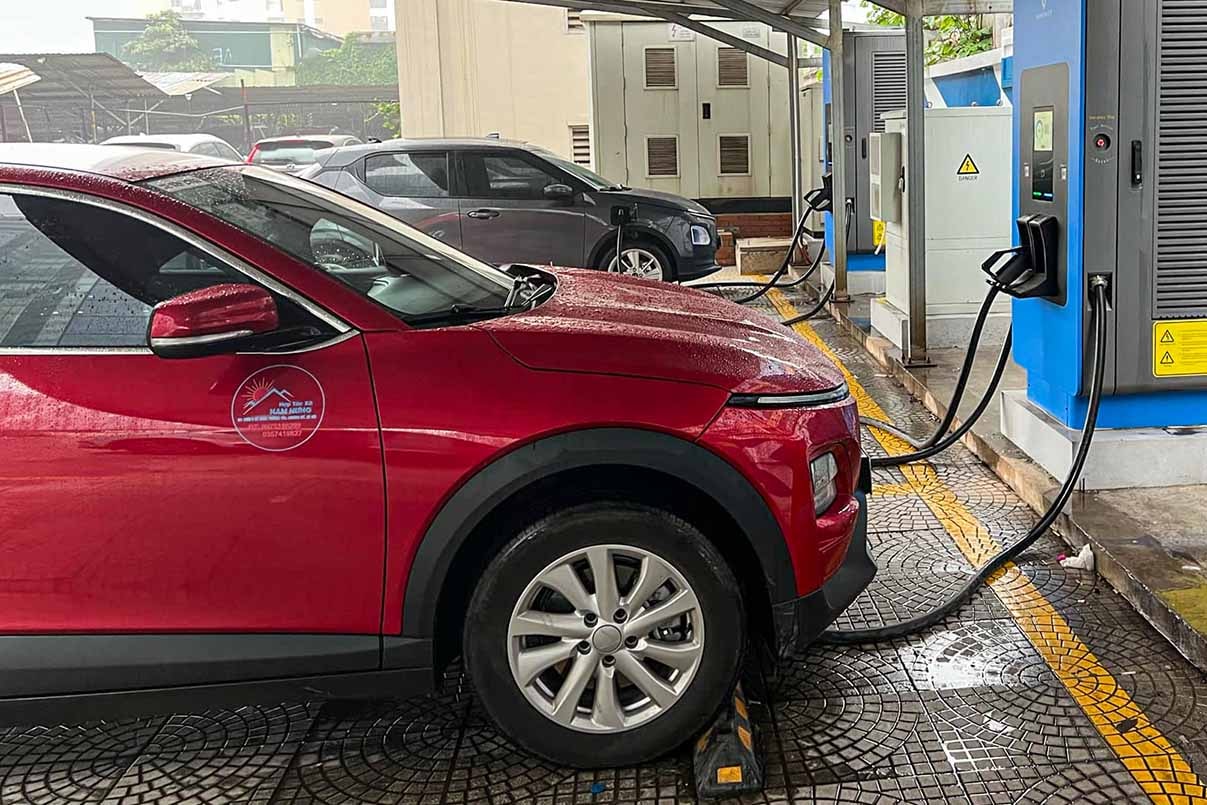
While the automotive industry is increasingly shifting towards electric vehicles, many people are still unaware that the differences between electric and gasoline car tires are not just about aesthetics, but also relate to performance, lifespan, and fuel efficiency. Below are the key factors affecting electric and gasoline car tires:
Weight and load capacity:One of the most significant differences between electric and gasoline car tires is the weight of the vehicle. Electric cars are considerably heavier due to the need for high-capacity batteries. This requires tires with better load-bearing capacity, and sometimes a special design to suit the electric model. Electric car batteries can weigh between 300 and 600 kg, which increases the overall weight of the vehicle and creates greater stress on the tires.
Torque and traction:Electric vehicles are distinguished by their high torque output right from the start, creating a powerful and sudden acceleration. This can put significant stress on the tires, especially during rapid acceleration or on slippery surfaces. Electric vehicles also require tires with good grip and a quick response to instantaneous torque. This is crucial for safety and driving performance. In contrast, gasoline cars don't deliver high torque immediately, so the impact on the tires is usually less, and tire handling may not be as responsive as in electric vehicles.
Noise and performance:Another point worth noting is the noise level. Electric vehicles have very quiet-running motors, so noise mainly comes from the tires and the road surface. According to a report from Tire Review, a website specializing in tire technology, tire manufacturers are now focusing on reducing noise in electric vehicle tires. Electric vehicle tires must be designed to minimize noise from friction, providing a smoother and more pleasant driving experience. In contrast, gasoline cars with larger engines, although they produce more noise, do not have tires under the same pressure to reduce noise as electric vehicles.
Lifespan and durability:Tire lifespan and durability are also important factors to consider. Electric vehicle tires, due to the heavy loads and high torque they withstand, can wear out faster than gasoline car tires. However, with today's advanced technology, tire manufacturers are developing special tires with stronger materials, extending lifespan and improving performance. In short, electric and gasoline car tires differ significantly in design and technical requirements. Electric vehicles require tires with high load-bearing capacity, strong grip, and reduced noise, while gasoline cars prioritize tire stability and durability.


