
The T-55 was converted into a heavy armored personnel carrier.
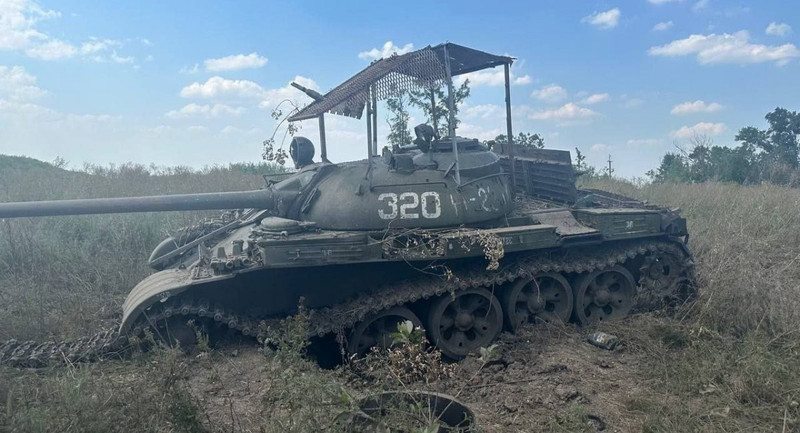
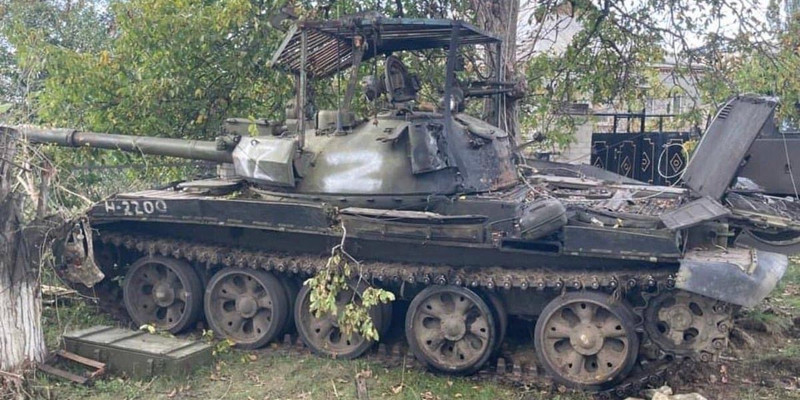
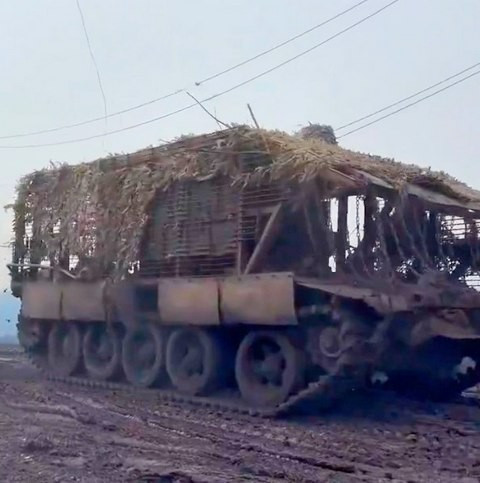
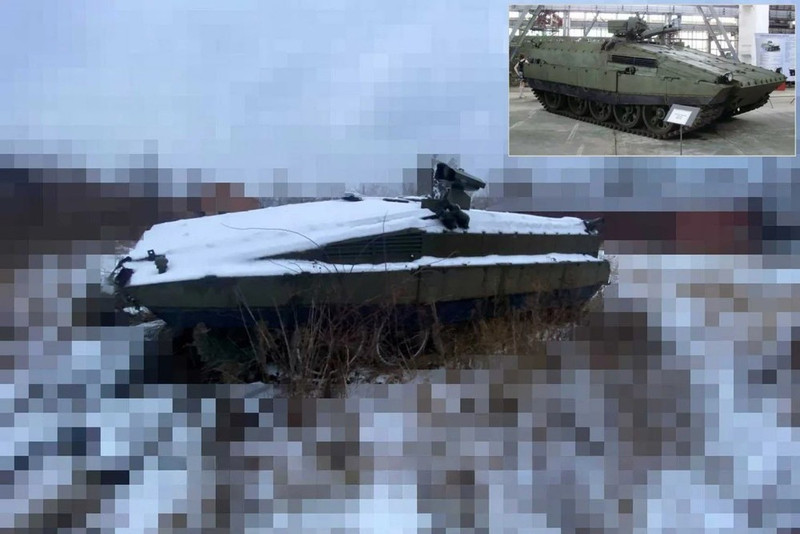
The images show the T-55 being repurposed as an armored personnel carrier for the Russian Army, fitted with mesh screens, a protective troop compartment, and electronic warfare equipment.
According to images circulating online, the T-55 tank chassis has been repurposed into a heavy armored personnel carrier for the Russian Army. This modified version adds mesh shields, a protected troop compartment, reinforced front sections with chains, and electronic warfare equipment on the roof. Compared to the light armored vehicle, the new configuration is considered to offer a higher chance of survival for soldiers.
Overview
Within the framework of special military operations, heavy armored personnel carriers on tank chassis have appeared numerous times. Previously, the T-62, T-72, and T-80 were modified for this role; now it is the turn of the T-55—a medium platform—to be converted to carry infantry.
Similar vehicles were previously primarily tasked with destroying targets from closed firing positions. With its new configuration, the T-55 takes on the role of transporting infantry, prioritizing increased protection for the crew and accompanying troops.
Technical analysis
The details visible on the modified T-55 reflect a focus on enhanced protection:
- An external mesh screen is installed to provide an additional layer of protection for the body.
- The troop compartment is positioned at the rear, allowing for the reception of infantry.
- The front of the vehicle is reinforced with chains.
- Electronic warfare equipment was mounted on the roof of the vehicle.
These changes focused on increasing overall survivability compared to the light armored vehicle platform. The turret's firepower role was no longer the primary focus; instead, protective and transport capabilities were prioritized.
Tactics and roles
The conversion from a "closed-range firepower" configuration to a "troop transport" configuration indicates a priority on force protection. According to sources, this modified model offers soldiers a greater chance of survival on the battlefield compared to light armored vehicles.
In the field, this approach provides a thicker layer of armor for the troops being transported, suitable for the requirement of bringing forces to dangerous areas with reduced risk compared to vehicles with thinner armor.
Comparison and international context
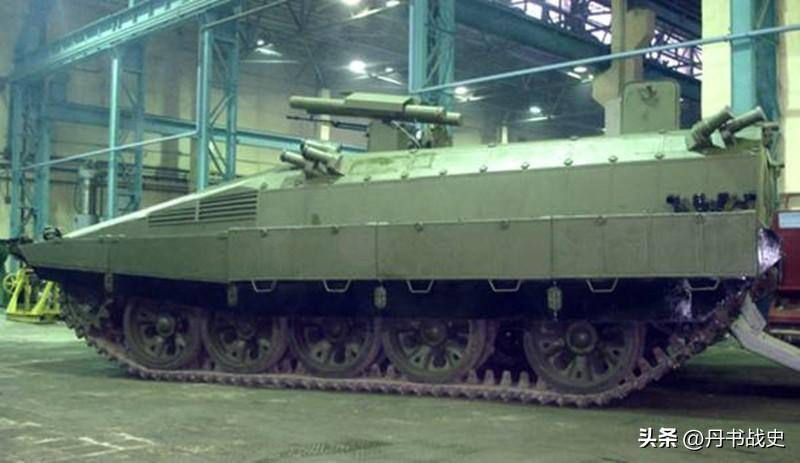
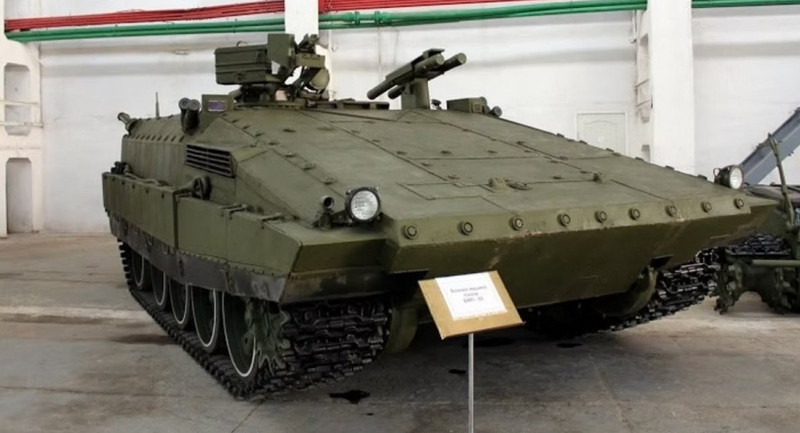
The T-55 was once considered the platform for armored personnel carriers from the 1990s, as evidenced by a project developed by Omsk; however, despite successful testing, the design remained at the prototype stage.
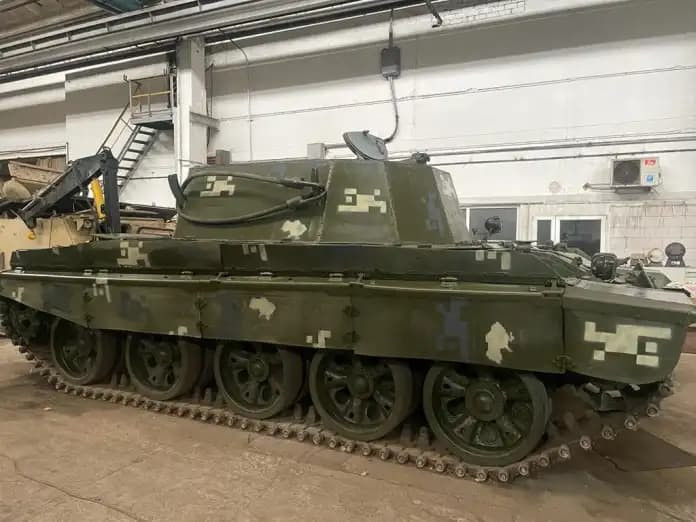
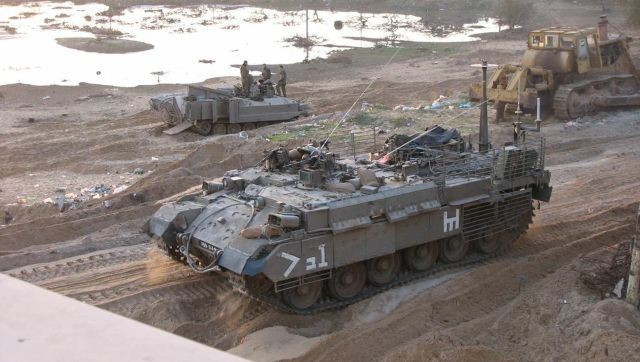
Internationally, Israel is recognized as a leader in converting captured T-55 tanks into heavy armored personnel carriers. Ukraine also introduced converted prototypes before hostilities broke out and deployed them on a large scale as the conflict intensified.
Main data table
| Category | Information by source |
|---|---|
| Foundation | The T-55 is being repurposed; previously, the T-62, T-72, and T-80 had also been upgraded into armored personnel carriers. |
| Purpose | Infantry transport; earlier similar models primarily fired from enclosed positions. |
| Major changes | Mesh-like protective screen; rear troop compartment; reinforced chain guard; electronic warfare equipment on the roof. |
| Advantage | Increased chances of survival compared to light armored vehicles. |
| Precedent | Omsk's development in the 1990s stopped at the prototype stage. |
| International experience | Israel converts T-55 tanks; Ukraine deploys them widely as the conflict intensifies. |
Short review
Based on photographic evidence, the conversion of T-55s into heavy armored personnel carriers aims to increase protection and survivability for forces. The trend of repurposing older tank chassis to create better-protected personnel carriers has emerged in many countries, with varying degrees of deployment. The available information does not detail technical specifications; the assessment in this article is based on confirmed data from sources.


