
The benefits and drawbacks of cucumbers
As a common, readily available, and inexpensive food, cucumbers are loved by many. However, please note the following to use them most effectively.
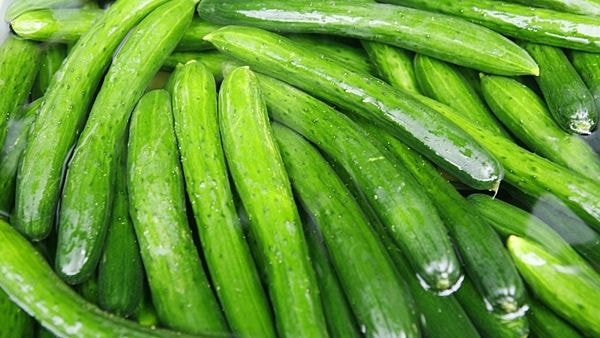
Cucumbers are a familiar food in the daily meals of every family. The benefits of cucumbers are undeniable, as this fruit is cooling and rich in vitamins that are beneficial to the body.
However, these very advantages of cucumbers can also cause unexpected side effects. Therefore, let's learn about the benefits and drawbacks of cucumbers for your health.
 |
Benefits of cucumber
Contains many nutrients that are good for health.
Water makes up 90% of this food, and it also contains most of the natural vitamins and minerals you need to consume daily, such as vitamin C, fiber, vitamin B1, vitamin B2, vitamin B3, vitamin B5, vitamin B6, folic acid, calcium, iron, magnesium, phosphorus, potassium, zinc, etc., which are not found in all foods.
Therefore, eating cucumbers every day is the best, most effective, and simplest way to provide your body with nutrients, especially a rich source of essential natural vitamins and minerals. In addition, cucumbers are widely used in facial masks for skin care by women.
It helps prevent cancer very effectively.
Nowadays, due to various contributing factors and causes, the number of people suffering from cancer is increasing, and one of the effective, easy-to-implement measures to help prevent cancer is to eat and drink fresh cucumber juice every day.
Because cucumbers contain lariciresinol, pinoresinol, and secoisolariciresinol—three lignans that have excellent cancer-preventing effects, especially against breast, ovarian, uterine, and prostate cancer.
Blood pressure is stable.
Cucumbers are rich in magnesium, potassium, and fiber, making them excellent for people with unstable blood pressure, whether high or low.
Therefore, if you have blood pressure problems, drink a glass of fresh cucumber juice every day. You can add sugar and salt for those with low blood pressure, and drink it plain for those with high blood pressure to help stabilize your blood pressure.
Good for oral health
To continuously protect and improve your oral health, the first and simplest thing to do is to eat fresh cucumbers every day. Cucumbers are rich in water and fiber, which helps keep gums healthy and teeth white, while the phytochemicals in cucumbers effectively kill bacteria that cause bad breath.
Good for the digestive system.
With its high water and fiber content, combined with its superior sweetness and cooling properties, eating fresh cucumbers daily will help you effectively relieve and improve constipation, heartburn, bloating, indigestion, acid reflux, and stomach pain. You will feel the effects very clearly after eating cucumbers regularly for 2-3 days.
The effects of cucumber in treating common ailments.
- To treat boils, rashes, itching, and fever in children, use 500g of washed and sliced cucumbers, squeeze out the juice, mix with 20ml of honey, and drink continuously for 5-7 days.
- To treat a sore throat: Choose a ripe cucumber, remove all the seeds, add 20g of Glauber's salt (a type of salt commonly used in traditional Chinese medicine), spread evenly, and dry in the shade until completely dry (do not dry in direct sunlight). When using, cut into pieces and suck on them; you will see the noticeable effect immediately.
- To treat dysentery in children: mix 10 small, young cucumbers with honey and give it to the child to eat.
- To treat jaundice and edema: 250g of cucumber, 30g of fresh plantain leaves (without roots), pick and wash thoroughly, chop into bite-sized pieces, and cook as a soup.
The benefits of eating peeled cucumbers
Cucumber peels contain many minerals and vitamins that are beneficial to health, so we often keep them when eating. However, peeled cucumbers also have many benefits, such as being low in calories and containing no saturated fat.
Harmful effects of cucumbers
Causes dehydration
One major drawback of eating too many cucumbers is the risk of dehydration and imbalance in the body. According to Traditional Chinese Medicine, cucumbers are considered "cold" in nature; eating too many can lead to frequent urination, and those with weak kidneys may experience urinary incontinence and even erectile dysfunction.
In particular, cucumber seeds contain cucurbitin and fatty oils that have mild diuretic properties. Eating too many cucumbers can cause an overdose of diuresis, which can lead to dehydration and loss of electrolytes from the body, causing imbalances, and even severe dehydration.
Beware of the bitterness of cucumbers.
Studies have shown that toxins such as cucurbitacins and tetracyclic triterpenoids found in cucumbers are the factors that trigger their bitter taste. Another study even stated that consuming too much of these substances could potentially be life-threatening.
Causes harm to the body.
The core of a cucumber is rich in vitamin C, or caffeic acid. However, consuming too much cucumber can lead to an excess of vitamin C, which can be converted into a pro-oxidant that promotes the growth of free radicals and cells that damage the body under certain conditions.
Causes allergies
Some people may be allergic to cucumbers. Cucumber allergies typically manifest in the mouth, with symptoms such as itching and swelling. If you are allergic to cucumbers, you can mitigate this by cooking them instead of eating them raw.
Cucumbers also contain a compound called cucurbitacin. If absorbed in large quantities, this compound can lead to indigestion and bloating.
Increased risk of premature aging.
Vitamin C is an effective immune system booster; it also plays a crucial role in preventing symptoms of colds and flu, and is a powerful antioxidant.
However, consuming vitamins in excess of the recommended limit has the opposite effect, counteracting their antioxidant properties and promoting the development and spread of free radicals.
Cucumbers are rich in vitamin C, so consuming excessive amounts of vitamin C from cucumbers can create conditions for free radicals to "wander," increasing the risk of cancer, acne, premature aging, and more.
Headache and shortness of breath
Cucumbers are also a good source of potassium. Hyperkalemia is a medical condition caused by high levels of potassium in the body, leading to bloating and abdominal pain.
Over time, kidney function also declines significantly. Cucumbers are composed of over 90% water. If the amount of water in the body is higher than the net volume of blood, it will put pressure on the blood vessels and heart.
As a consequence, your heart and blood vessels will suffer unintended consequences. Excessive water in the body can also easily cause electrolyte imbalance in the blood, leading to osmosis in cells. This can result in headaches and shortness of breath.
Elevated symptoms of respiratory diseases
If you suffer from sinusitis or any other respiratory illness, you should avoid cucumbers in your diet. The cooling effects of this vegetable may worsen your symptoms.
Excess potassium
Watermelon rinds are rich in fiber and minerals such as silica, potassium, and magnesium. Excessive potassium intake can lead to hyperkalemia – a condition that impairs kidney function. It can also cause intestinal problems, bloating, and abdominal pain.
Bloating and edema
The cucurbitacin in cucumbers is difficult to digest, especially for those with sensitive digestive systems. This indigestion can cause bloating and swelling as the body tries to eliminate toxins by expelling accumulated gas.
Causes discomfort for pregnant women.
Although consuming cucumbers during pregnancy is generally considered safe, eating too much can cause some discomfort for pregnant women, such as increased urination, bloating, indigestion, and even abdominal pain due to excess fiber.
According to VOV.VN
| RELATED NEWS |
|---|


