
Resettlement for the High-Speed Railway Project: Ensuring the rights of the people and maintaining the project's progress.
The North-South High-Speed Railway project, specifically the section passing through Nghe An province, is a key national project. However, the implementation of resettlement areas to facilitate land clearance still faces many obstacles, especially regarding land ownership and compensation mechanisms. This requires decisive and fair intervention from all levels of government to ensure the rights of the people while maintaining the project's progress.
The legitimate aspirations of the people.
In Quynh Luu commune, the resettlement area for the project is planned in the pond and lake area of Quynh Giang village 1, with an area of nearly 5 hectares, a total investment of 70 billion VND, and the allocation of 117 resettlement plots.
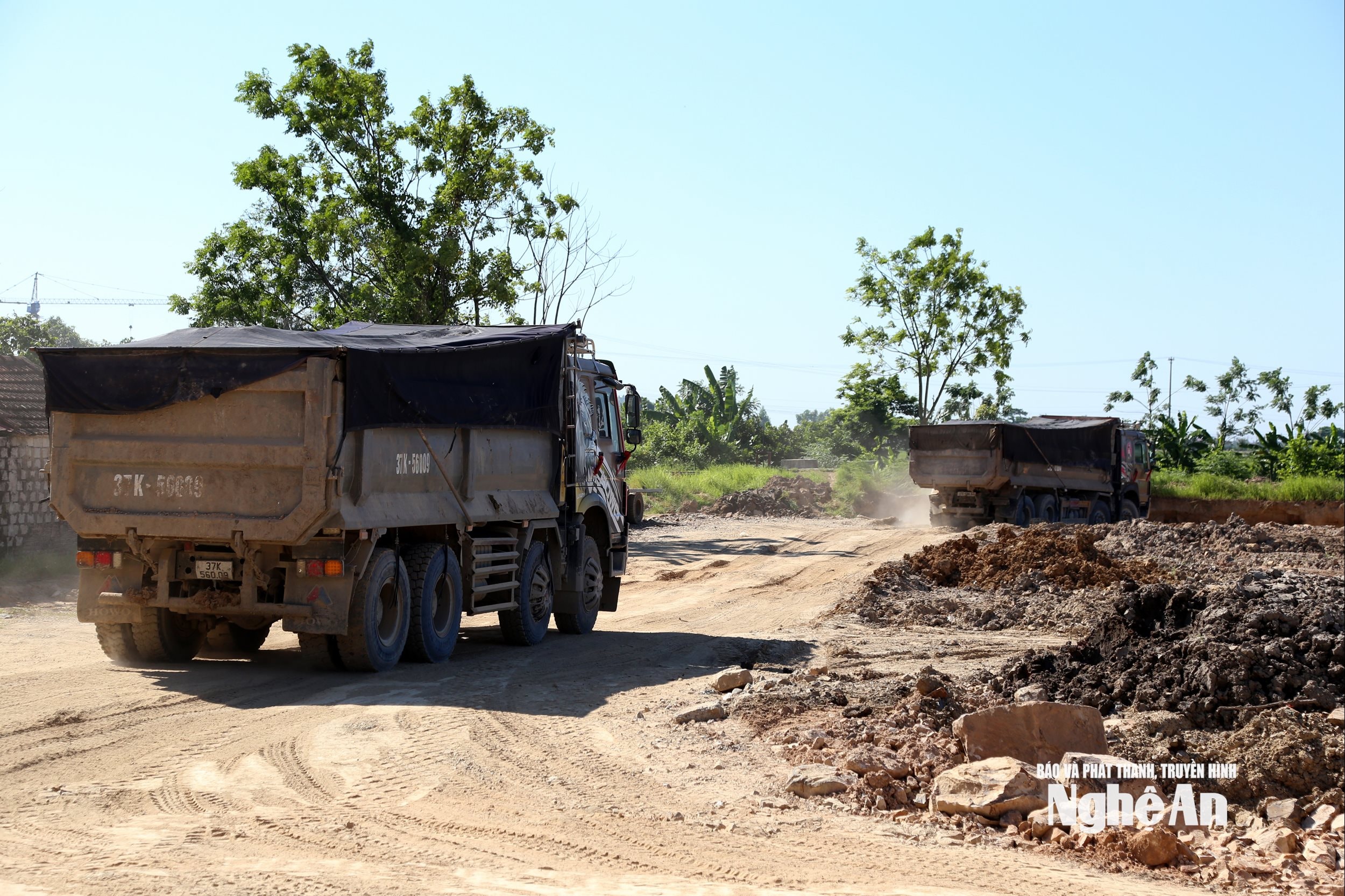
The project commenced in early May 2026 and is currently implementing earthworks, removing weathered soil, and excavating and filling the roadbed. According to the People's Committee of Quynh Luu commune, after nearly a month of construction, the value of work completed has reached approximately 14% of the total contract value.
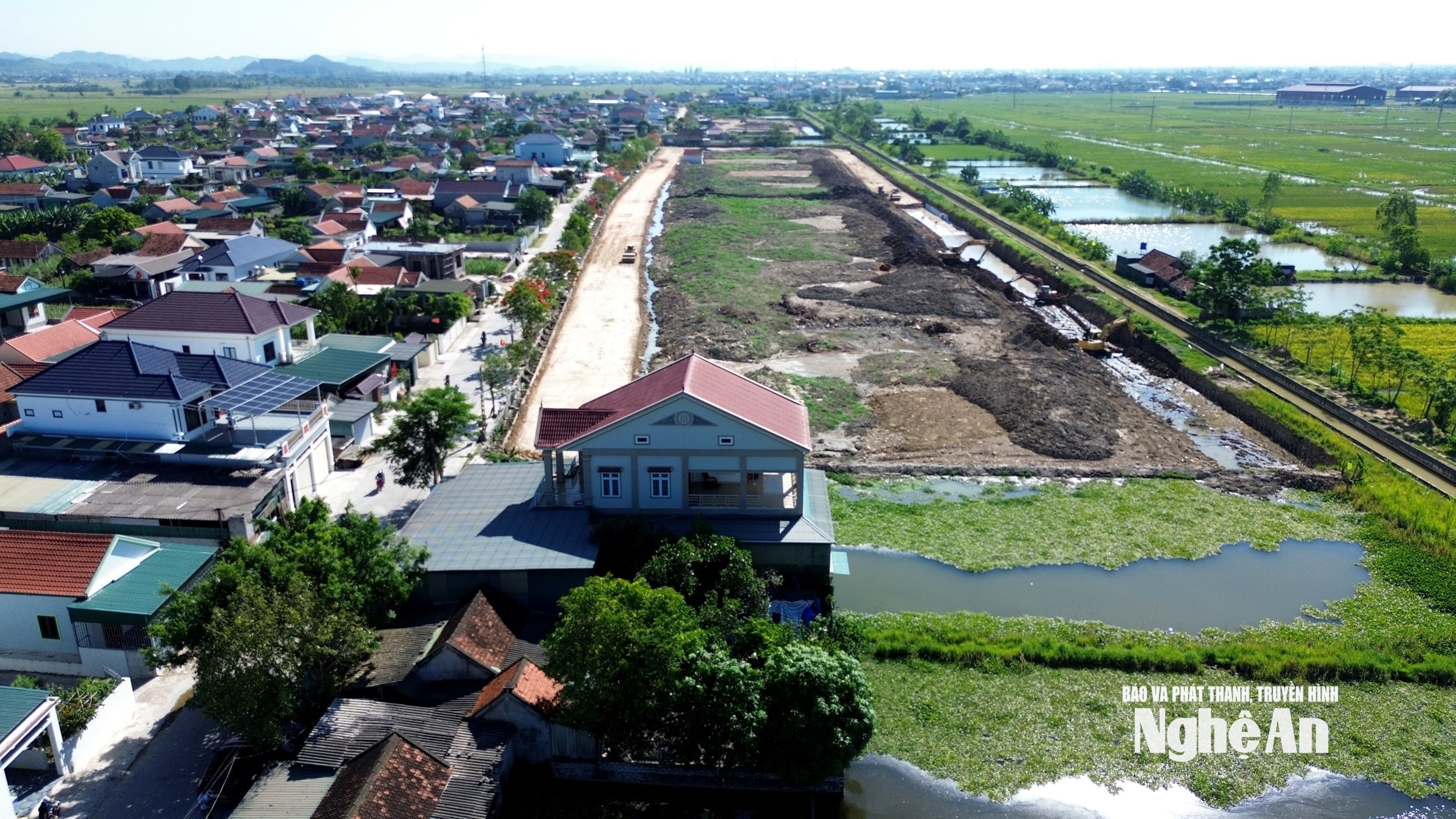
However, during the implementation process, the locality is encountering difficulties related to 3 households, including two typical cases: the families of Mr. Nguyen Van The and Mr. Le Duc Dieu. These are both households with unique land use origins, stemming from a "land exchange" that took place 20 years ago.
According to records, in 2006, in implementing the policy of building village cultural centers, the local government encouraged residents to voluntarily exchange their residential land to create public land.
Mr. Nguyen Van The's family exchanged 300m² of residential land for 500m² of land in the pond/swamp area; Mr. Le Duc Dieu's family exchanged 600m² of residential land and was allocated 500m² of land in the same area. After the land exchange, the households leveled the land, built solid houses, and have been living there stably until now.
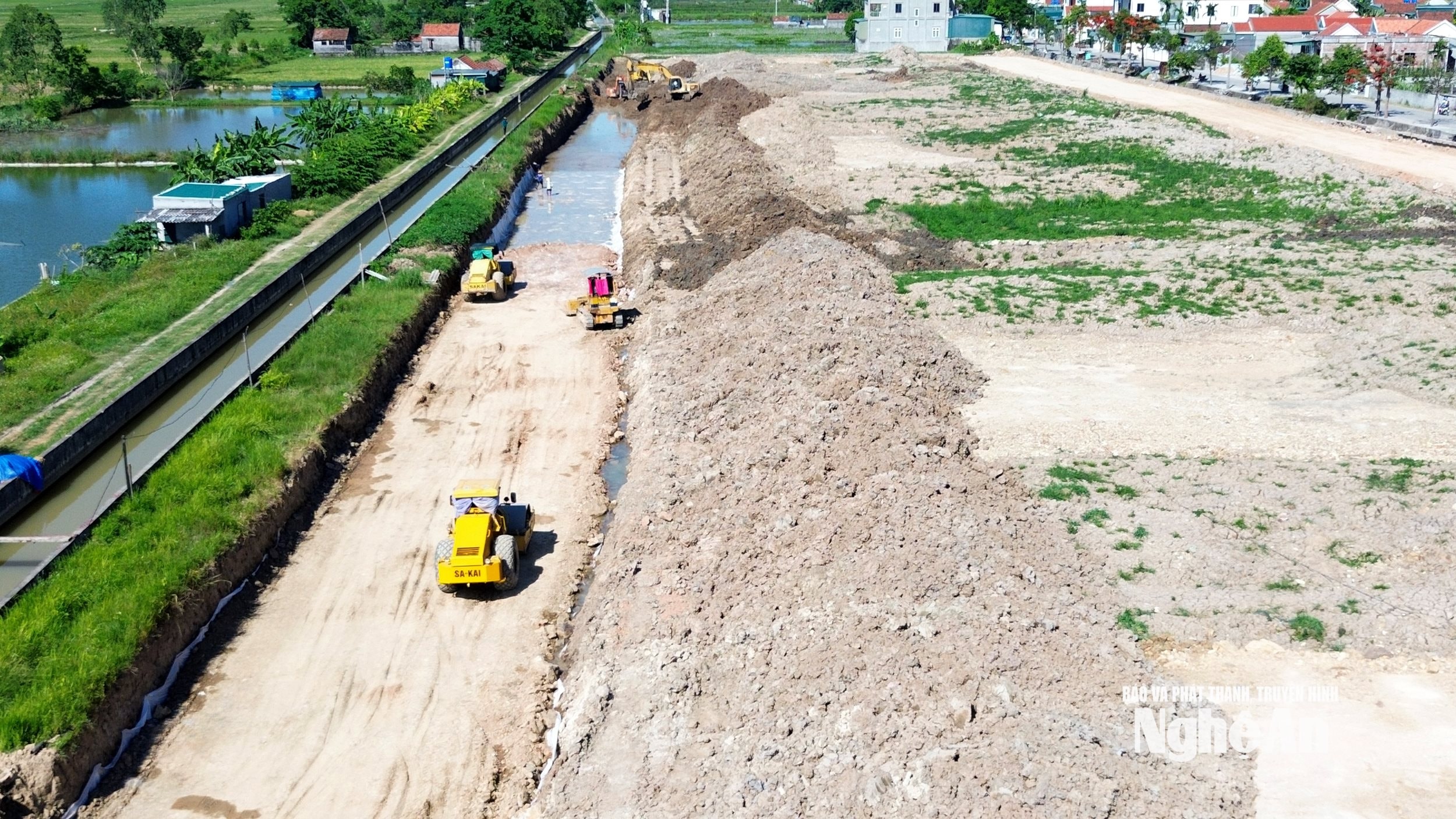
Currently, during the implementation of the resettlement area, the entire land area of Mr. Nguyen Van The's family is located within the planning reserve zone, while the land of Mr. Le Duc Dieu's family is directly within the planning area. Significantly, due to the incomplete procedures for issuing land use right certificates for the new residences, compensation and resettlement arrangements are facing many difficulties.
Speaking with reporters, both households expressed their desire to be resettled in the same location to stabilize their lives, as they have been attached to this area for a long time. If on-site resettlement is not possible, the households requested to be allocated land in a resettlement area at the price stipulated by the State.
For Mr. Le Duc Dieu's family, their current house, built entirely of wood, holds significant economic and cultural value, featuring many elaborate carvings. The family hopes that a suitable resettlement plan will be considered to minimize losses.
Mr. Hoang Quoc Hoan, Vice Chairman of the People's Committee of Quynh Luu commune, said that the locality is continuing to coordinate with relevant agencies to review legal documents, listen to the opinions and aspirations of the people, in order to propose appropriate solutions.
“Although the land exchange originated many years ago and both households have yet to be granted land use rights certificates, the local authorities will consider and resolve the issue in a way that ensures the best interests of the people. The commune is focusing on reviewing the files, completing the relevant procedures, and striving to resolve the matter completely by June,” said Mr. Hoang Quoc Hoan.
In fact, the difficulties in resettlement work are not only occurring in Quynh Luu commune. Previously, in An Chau commune, there was still one household requesting compensation in the form of agricultural land with an area of more than 1,000m².
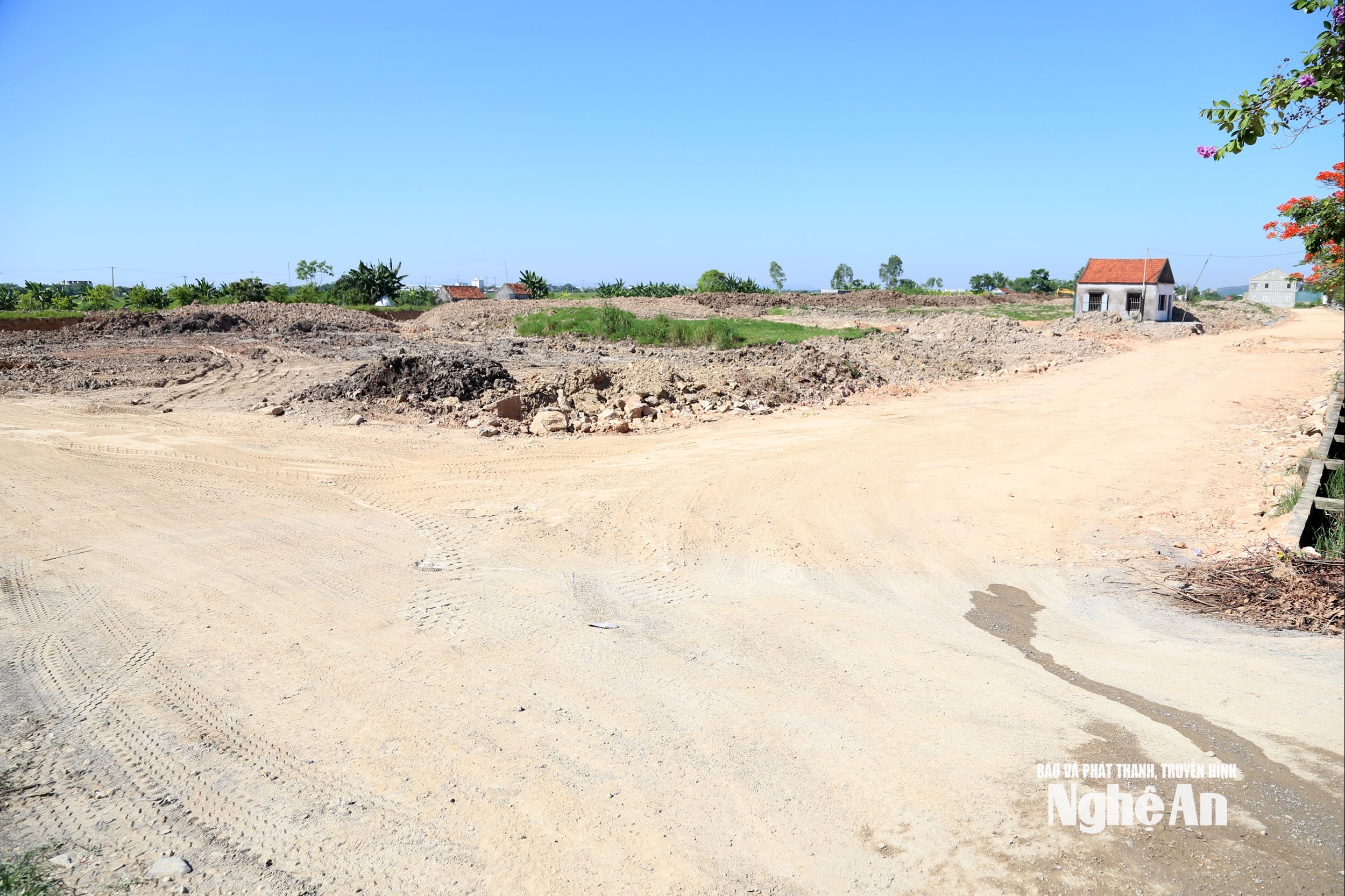
In Nghi Loc commune, the resettlement area for the North-South High-Speed Railway Project covers a planned area of over 49,486 m², comprising 162 land plots. Currently, the local authorities are finalizing the appraisal documents, approving the cost estimates and construction drawings, and carrying out the procedures for awarding contracts as per regulations.
Regarding compensation and support, to date, 96 out of 98 households have signed the documents, corresponding to 148 land plots; the compensation and support plan has been made public. However, there are still 2 households with 2 agricultural land plots that have not signed due to a shortage of land area after field restructuring and they request consideration for compensation for this remaining area.
Expedite the progress of resettlement areas.
The North-South High-Speed Railway project, specifically the section passing through Nghe An province, spans approximately 85.5 km and traverses 18 communes and wards, requiring a massive amount of land acquisition. The total land area to be acquired is estimated at around 519 hectares, directly affecting approximately 2,150 households; of which, 1,782 households will need to be relocated.
According to the plan, the entire province is expected to establish 41 resettlement areas with a total area of over 102 hectares and a total investment of approximately 1,450 billion VND. These resettlement areas are being implemented in many localities to meet the relocation needs and stabilize the lives of people in the project areas. Among them, several localities have a large number of resettlement areas, such as Minh Chau commune with 6 areas, Lam Thanh commune with 5 areas, and Yen Trung and Hung Nguyen communes each with 4 areas.
According to the Department of Construction, as of the end of April 2026, out of a total of 41 resettlement areas, 19 areas have had their land survey approved for land clearance purposes; 7 areas are awaiting appraisal and approval; and 8 areas are in the process of signing land ownership certificates.
However, there are still 7 areas where the selection of units to carry out land surveying and land ownership registration has not yet been implemented.
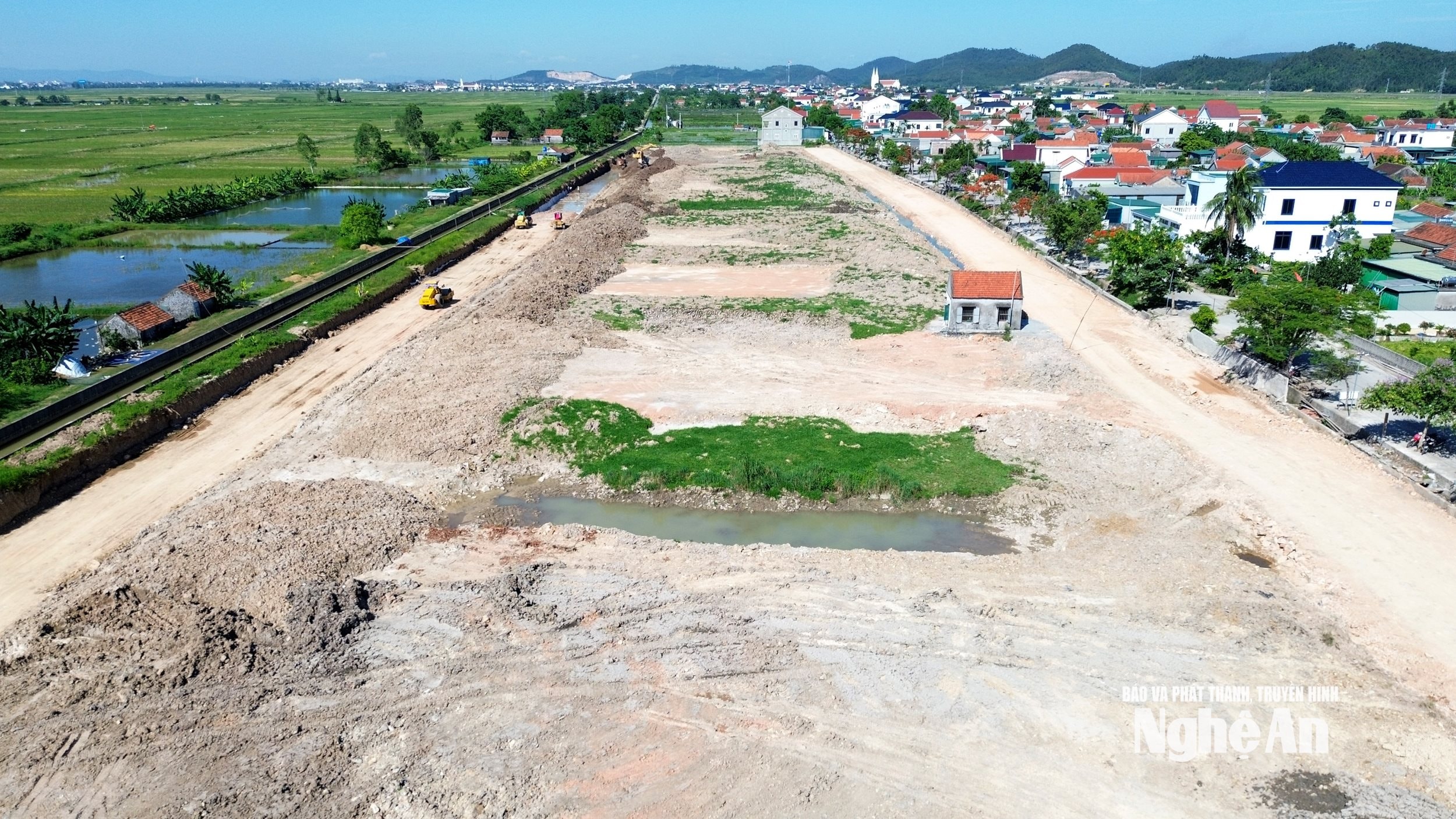
Along with finalizing investment procedures, localities are also focusing on accelerating the inventory, compensation valuation, and land clearance process.
To date, land clearance has been completed in 8 areas; inventory, valuation, and public disclosure of compensation and support plans have been completed in 6 areas; and inventory and counting are currently being conducted on-site in 5 areas.
Currently, there are 22 areas where land surveying and mapping are still underway, so no land expropriation notices have been issued yet.
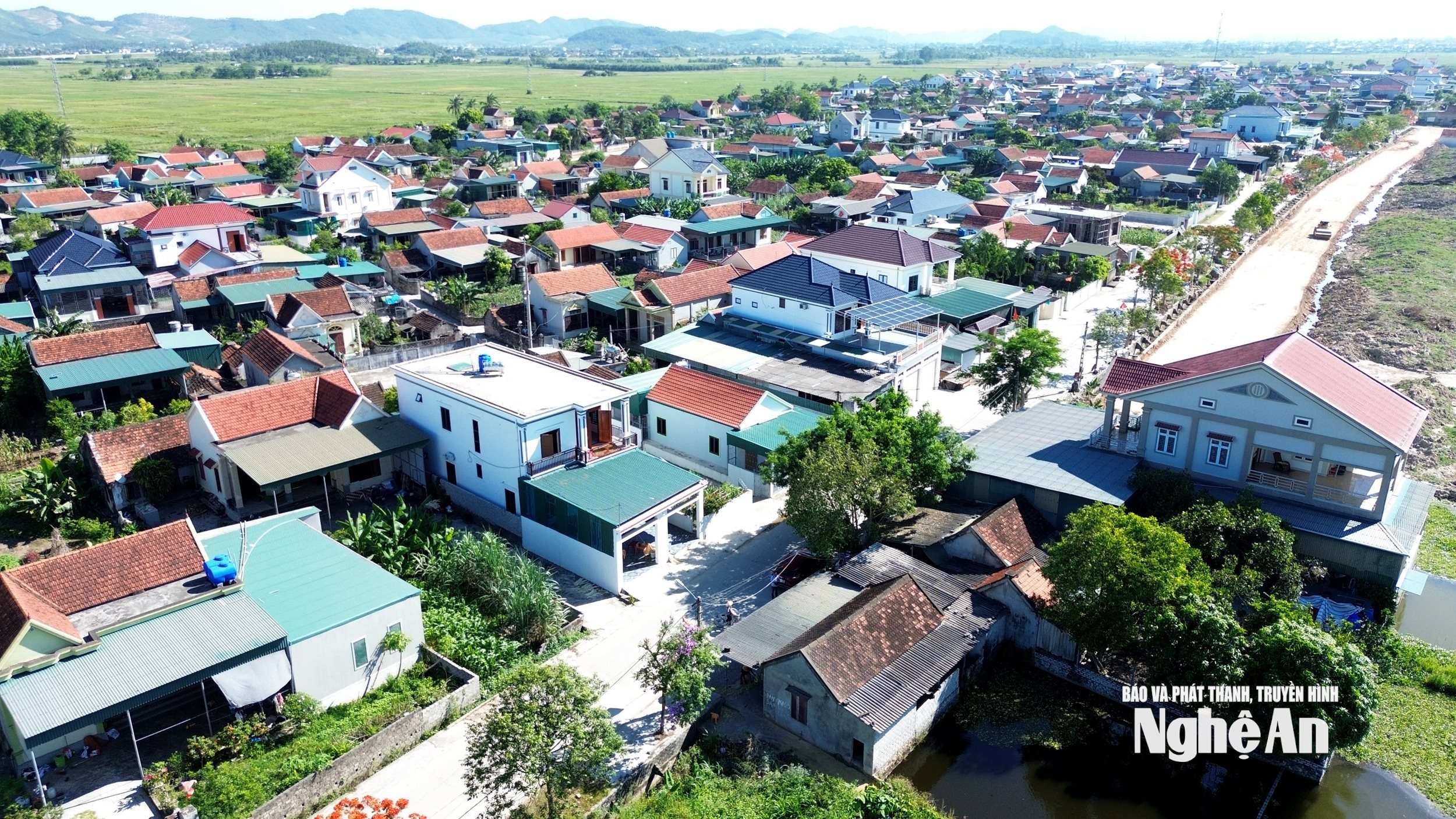
Notably, construction has begun on eight resettlement areas. Many localities are simultaneously carrying out investment procedures, land clearance, and completing legal documents to shorten implementation time and meet the progress requirements of this national key project.
In reality, besides meeting deadlines, the most important factor in resettlement work remains gaining the consensus of the people.
Timely resolution of specific cases that have persisted for many years will not only help remove the "bottleneck" in land clearance but also contribute to the smooth implementation of the North-South High-Speed Railway Project in the future.


