
Reimposing a blockade on the Strait of Hormuz: Iran and a test for the US?
Iran's sudden re-establishment of military control in the Strait of Hormuz, less than a day after its reopening, is plunging the region into a new crisis. Military expert Yuri Lyamin warns that if negotiations collapse, a direct armed confrontation is inevitable.
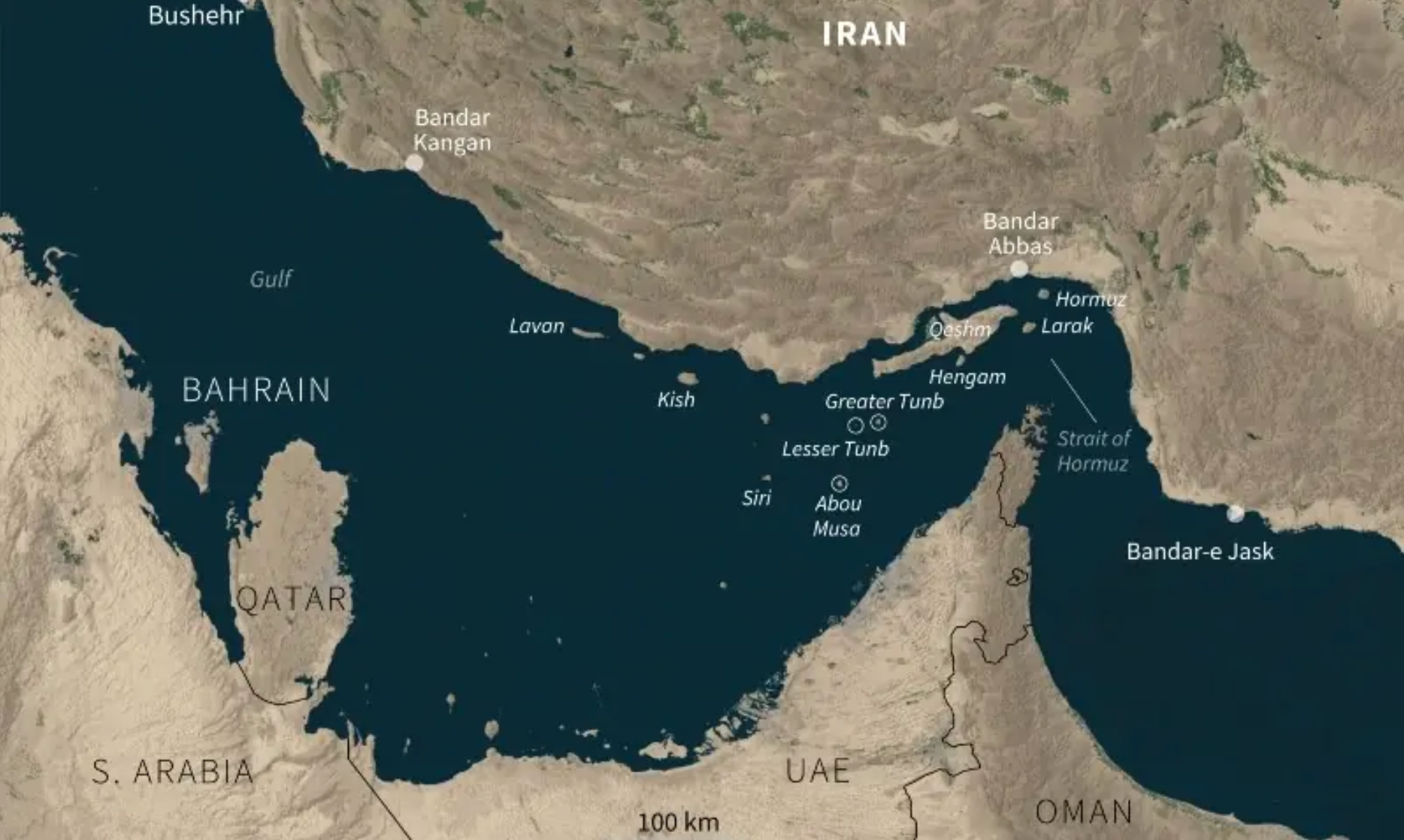
According to RIA Novosti, Russian military expert Yuri Lyamin told VZGLYAD that the future of the current crisis depends entirely on the developments at the negotiating table between Iran and the United States. Currently, both sides are working to find a preliminary framework agreement to establish basic principles.
If successful, this agreement could extend the ceasefire by a month or more, providing the necessary time to move toward final documents. Conversely, if negotiations stall, military action against Iran could erupt within days.
"Currently, no one can say for sure which option will prevail. The situation remains extremely uncertain," expert Lyamin commented.
One of the key points is the actual capability of the Iranian Navy and the Islamic Revolutionary Guard Corps (IRGC). According to Lyamin, Iran possesses ample resources to maintain a blockade of the Strait of Hormuz for an extended period, despite the presence of the US Fifth Fleet or international demining coalitions.
Iran doesn't need to use overly ostentatious military equipment to cripple this vital oil artery. Approximately 1,000 high-speed motorboats, each capable of carrying 2-4 mines, are deployed from bases hidden deep within mountains along the coast. Iran could blockade the entire Persian Gulf, bringing all maritime transport to a complete halt.
In addition to naval mines, Iran has also deployed coastal missile systems and suicide drones. This firepower has forced US warships to maintain a safe distance, mainly concentrating in the Gulf of Oman and the Arabian Sea, instead of approaching the Strait of Hormuz.
Iran's re-establishment of military control in the Strait of Hormuz – a transit point for one-fifth of the world's crude oil – is a direct response to the US blockade of Iranian ports, which began on April 13, 2026.
Currently, the US maintains that ships not affiliated with Iran can freely navigate the area if they do not pay a fee to Tehran. Although Iran has not officially implemented the fee, these plans have been discussed publicly, adding further pressure to international maritime security.
Sources from Iran's Supreme National Security Council indicate that freedom of navigation in the region is currently closely tied to the ceasefire between Lebanon and Israel. If the ceasefire between Israel and Hezbollah is broken, Iran will immediately completely close this crucial naval route.
Notably, 2026 marks a milestone, as for the first time in modern history, Iran implemented a complete blockade of the Strait of Hormuz in late February, something Tehran had previously only used as a warning for decades.


