
Why do countries ban or restrict TikTok, Facebook, and many other apps?
Recently, many countries have implemented bans or restrictions on popular social media platforms like TikTok, Facebook, and many others. So why are these bans being imposed?
2025 marks a challenging period for social media platforms like X, Facebook, and TikTok. Many countries around the world have implemented bans or restrictions on these platforms due to national security concerns.
In addition, data security issues and the spread of malicious information are also major reasons for the closure of these social networks in many countries around the world.
1. USA
In April 2024, US President Joe Biden signed into law the Protect Americans from Foreign Adversary Apps Act, requiring TikTok to sever ties with its China-based parent company ByteDance by January 19, 2025, or face a complete ban from operating in the US.
TikTok opposed the request, arguing that divestment was not technologically, commercially, or legally feasible, and filed a lawsuit with the U.S. Supreme Court to block the ban. However, on January 17, 2025, the Supreme Court dismissed TikTok's lawsuit, upholding the law.
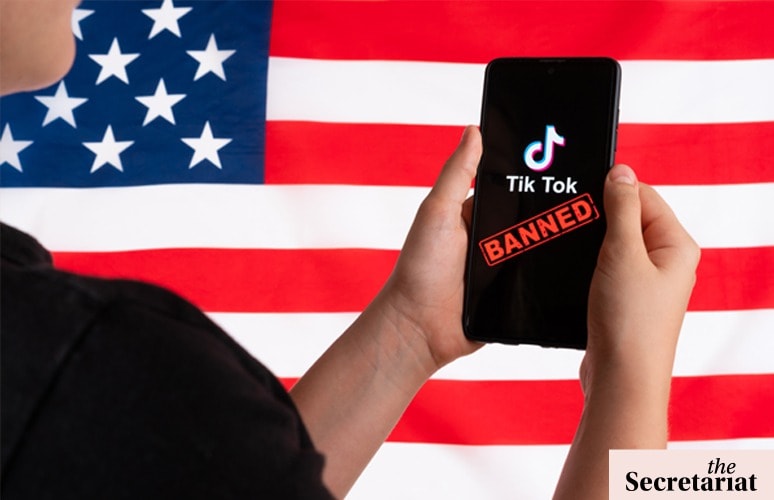
In response to this situation, TikTok announced plans to cease operations in the US starting January 19, 2025, while also offering users the option to download their personal data before the app officially shuts down.
However, shortly after his inauguration on January 20th, President Donald Trump signed an executive order extending the deadline for deciding TikTok's fate by another 75 days. The order was reportedly intended to give ByteDance more time to sell TikTok's US operations.
2. India
In 2020, the Indian government officially banned TikTok along with more than 50 other apps originating from China, including WeChat, UC Browser, and CamScanner.
This decision was made amid rising tensions between the two countries, particularly following the border clash in the Galwan Valley between Indian and Chinese troops in June 2020.
The Indian government cited concerns about privacy, cybersecurity, and the risk that these apps might collect user data and send it to servers in China, potentially affecting the country's sovereignty and territorial integrity.
India's Ministry of Electronics and Information Technology stated that the banned applications were involved in activities "harmful to national sovereignty, security, and public order."
Initially, the ban was considered temporary while the government conducted an investigation. However, in January 2021, the ban was declared permanent after the affected companies failed to address the data security concerns raised by the Indian government.
This decision caused TikTok to lose one of the world's largest markets, with over 200 million users in India at the time.
3. Australia
The Australian government has enacted new legislation to restrict children under 16 from accessing social media platforms, including TikTok, Snapchat, Instagram, Facebook, and X (formerly Twitter). The ban was announced in 2024 and is expected to be fully in effect by the end of 2025.
This decision was made to protect children from potential risks in the online environment, including cyberbullying, harmful content, harassment, and mental health issues resulting from excessive social media use.
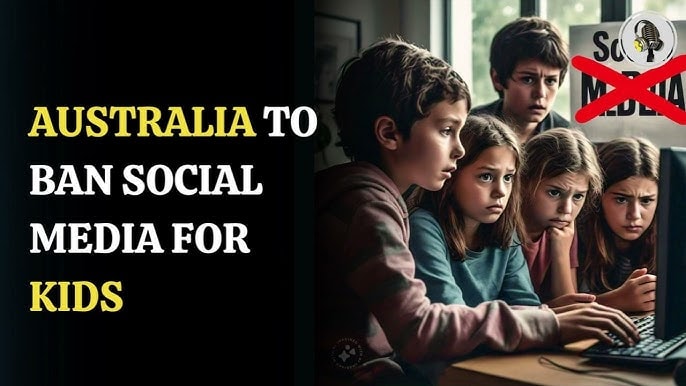
The Australian government has stressed that these platforms have failed to ensure a safe environment for minors and lack effective controls to prevent inappropriate content.
Under the new regulations, social media companies will have to implement strict age verification systems, which may include using facial recognition technology or verifying identity through official documents. Platforms that fail to comply will face hefty fines and the risk of having their operations restricted in Australia.
In addition, the government is also working with education and psychology experts to implement guidance programs for parents and schools on the impact of social media on children, as well as providing healthier alternatives to online interaction.
4. Brazil
In August 2024, the Brazilian Supreme Court officially upheld the ban on social media platform X (formerly Twitter), after months of debate over legal issues and content regulation.
This decision was made after X failed to comply with the Brazilian government's requirement to appoint an official legal representative in the country, a mandatory condition for technology companies operating in Brazil.
Besides legal issues, the ban also stems from serious concerns about the platform's ineffective control over the spread of misinformation, hate speech, and incitement to violence.
The Brazilian authorities have repeatedly warned X about the rise of opinion manipulation campaigns, fake news, and content that could destabilize society, especially in the context of important elections and domestic political upheavals.
Before the ban officially took effect, Brazilian authorities required X to implement a series of improvements, including stricter content censorship, cooperation with the government in combating fake news, and the appointment of legal representatives to handle legal complaints.
However, because X failed to meet these requirements within the permitted timeframe, the Supreme Court upheld the ban, rendering the platform unable to continue operating in Brazil.
This ban is seen as a strong move by the Brazilian government to control social media platforms and protect the information space from potential threats. At the same time, it has sparked debates about freedom of speech and the role of the government in regulating online content.
5. Iran
Since 2009, the Iranian government has imposed strict controls on access to social media platforms such as X and Facebook.
Social media platforms, particularly X and Facebook, played a crucial role in organizing, coordinating, and disseminating information about the protests, helping people domestically and internationally follow the developments of the "Green Movement."
In response to this situation, the Iranian government quickly ordered a blockade of access to these two platforms, citing national security concerns, the need to prevent unrest, and the limitation of Western media influence on domestic public opinion.
Beyond the goal of controlling information, restricting X and Facebook is part of Iran's broader strategy to control cyberspace and minimize the spread of opposition ideologies.
The government has developed a strict internet censorship system, known as the "Iran Firewall," aimed at blocking access to numerous foreign websites and social media platforms deemed a threat to the regime.
Despite the ban, many Iranians still find ways to access X and Facebook through virtual private networks (VPNs) and other firewall circumvention tools. In recent years, several Iranian government officials, including Supreme Leader Ali Khamenei and former President Hassan Rouhani, have maintained accounts on these platforms to propagate policy and reach the international public, sparking controversy over the consistency of Iran's censorship policies.
6. China
In 2009, the Chinese government officially banned social media platforms X and Facebook. This decision came after authorities found that these two platforms played a significant role in organizing, coordinating, and disseminating information related to violent protests in the Xinjiang Uygur Autonomous Region.
The Chinese government alleges that separatist groups and overseas organizations have exploited X and Facebook to spread misinformation, incite violence, and organize anti-government protests.
Beyond security reasons, this ban is also part of China's broader strategy of controlling information. Previously, the country had implemented restrictions on numerous foreign websites and platforms to curb the influence of Western media.
After banning X and Facebook, China encouraged the development of domestic social media platforms such as Weibo (similar to X), WeChat, and Renren (similar to Facebook).
These platforms operate under close government oversight, helping to control the flow of information and restrict content deemed sensitive or threatening to social stability.
Despite the ban, some users in China still find ways to access X and Facebook using VPNs or other firewall circumvention tools. However, the Chinese government is continuously tightening controls on these tools and enacting strict laws to punish individuals and organizations that violate cybersecurity regulations.
What are the reasons why countries ban or restrict social media platforms like TikTok, Facebook, and X?
Here are some key reasons behind countries' decisions to ban or restrict the activities of social media platforms.
1. The risk of spreading misinformation.
Social media platforms like X and Facebook can threaten national security and social stability. The spread of misinformation or harmful content not only causes public panic but also creates tension and conflict within the country. In particular, politically and culturally inaccurate content can undermine community solidarity.
Furthermore, some reactionary individuals or organizations may exploit these platforms to manipulate public opinion and negatively impact society.
2. Risks related to government data access.
Some countries have decided to ban social media due to concerns that government employees using social media could inadvertently share confidential information or internal data, creating opportunities for malicious parties to exploit and increasing the risk of data leaks.
Cybercriminals can use social media to send fake links, tricking government employees into entering login information, thereby gaining access to critical data systems. This not only harms national interests but also poses a potential threat to security and social order.
Confidential data, if it falls into the hands of adversaries, could be exploited to manipulate the country, cause instability, and seriously affect national peace.
3. Causing harm to national security
Many countries are concerned that using social media could lead to the leakage of sensitive information. Accordingly, government officials, military personnel, or key organizations could inadvertently share confidential information on social media.
In particular, hackers or spies can monitor posts, photos, and geographical locations to collect sensitive data. Additionally, cybercrime groups or rival nations can exploit data from social media to find security vulnerabilities.
Social media is a powerful tool but also poses many risks to national security. Therefore, many governments have increased control, strict monitoring, and implemented security policies to mitigate these risks.
4. Increase in cybercrime
Facebook and TikTok have contributed to the increase in cybercrime in the digital age. Unauthorized individuals can easily access personal accounts, posing serious security risks.
The infrastructure of these platforms has many vulnerabilities, making them targets for cyberattacks. Furthermore, social media sites may not guarantee data privacy as initially promised, creating conditions for increased cybercrime and a higher risk of personal account theft.
5. Risk factors for children
In 2025, many countries will continue to impose restrictions on TikTok, X, and Facebook. Governments are particularly concerned about young users, who are more susceptible to misinformation or unmoderated content.
These social media platforms can negatively impact the brain development of children and adolescents, causing long-lasting effects on their cognition and behavior.


