
Why do phone screen protectors get dirty easily, and how to effectively fix the problem?
The oleophobic coating on screen protectors helps prevent fingerprints, but it will wear down over time due to friction and chemicals. Learn how to care for them to maintain their smoothness.
The main reason why phone screen protectors easily get dirty after a period of use is the degradation of the oleophobic coating. This is a consumable material layer, only a few nanometers thick, that plays a crucial role in creating a smooth feel and preventing fingerprints from sticking to the glass surface.
Oleophobic coating: The secret behind screen smoothness.
Oil-repellent coatings are typically made from fluoropolymer, a material with a unique polar structure. One end of the molecule adheres firmly to the glass surface, while the other end consists of outward-facing fluorocarbon chains that act like microscopic umbrellas, repelling the liquid.
When the screen protector is new, oil molecules from your fingers cannot find a place to bond on its surface. Due to surface tension, the oil will contract into a spherical shape, making it easy to wipe clean with just a light swipe. Applying a screen protector is essentially a way to protect the original coating of the phone screen from wearing off too quickly.
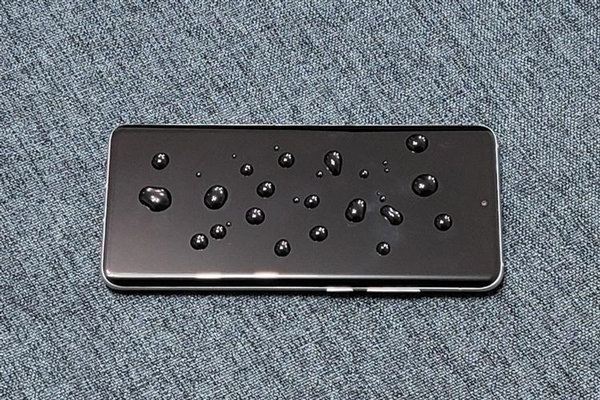
Top 3 reasons why screen protectors get dirty quickly.
No matter how good the quality, oil-repellent coatings are not permanent. Three main factors accelerate the deterioration of this protective layer:
- Mechanical friction:This is the most common cause. The thousands of swipes and taps each day create physical abrasion, gradually peeling the nano-coating from the surface.
- Using chemical cleaning agents:Many people have a habit of cleaning screens with alcohol. However, alcohol is a strong solvent that can quickly destroy the chemical structure of the fluoropolymer coating.
- Environmental factors:The slightly acidic nature of hand sweat, combined with high temperatures from the environment or equipment, accelerates the oxidation of the coating.
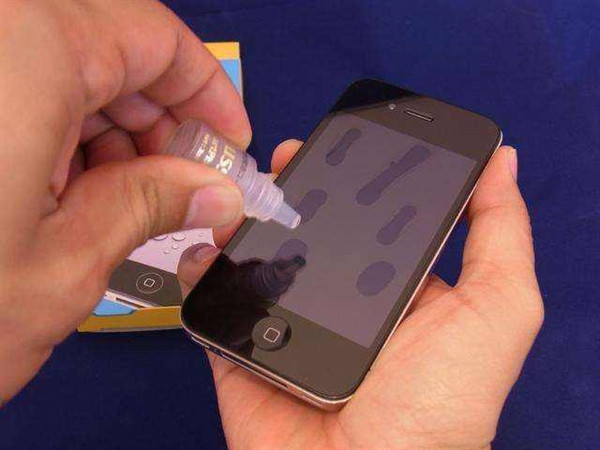
How to extend the lifespan and maintain your screen protector.
To maintain the smoothness and stain resistance of the screen, users should apply the following scientifically proven maintenance methods:
- Proper hygiene:It's best to use a soft, dry microfiber cloth to wipe the screen. If there are stubborn stains, only lightly dampen the cloth with water; absolutely avoid pouring water directly onto the screen.
- Avoid heat sources:Avoid exposing your phone to direct sunlight for extended periods or placing it near devices that generate a lot of heat.
- Periodic replacement:Since screen protectors are consumable materials, if you feel the screen is sticky and difficult to clean of oil stains, the most effective solution is to replace it with a new one to ensure a good user experience.
In addition, there are now various types of anti-oil coating solutions available on the market (diluted fluorine). Although not as durable as the manufacturer's original electroplating technology, a single application can help maintain screen smoothness for about one to two weeks.
Overall, using a screen protector not only helps protect the hardware from scratches but also keeps the phone's original oleophobic coating looking like new. Understanding the wear mechanism will help you better maintain your device during daily use.


