
Why are there no speed limits in Germany, yet traffic accidents are less frequent?
In Germany, 62% of highways have no speed limit. The typical speed is 180 km/h, but you'll occasionally see cars overtaking at 200 km/h. However, why is it that despite driving so fast, the rate of car accidents in Germany isn't higher than in other countries with speed limits?
German scientists once conducted an experiment showing that: "The higher the speed at which a driver operates, the more focused they become on observing their surroundings, thus reducing the probability of accidents." The statistics from this experiment can be considered an important basis for Germany's highways with no speed limits.
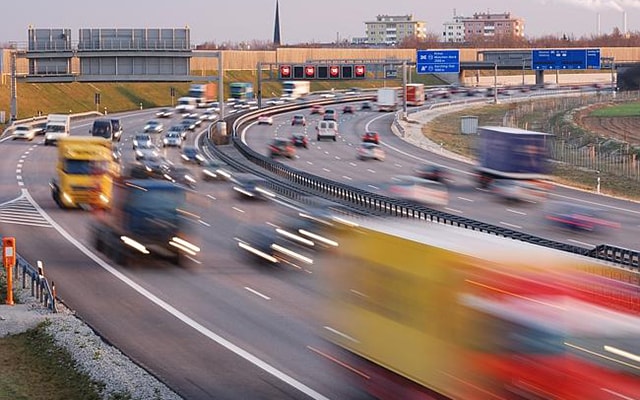 |
| A highway in Germany. Photo: Internet |
In addition, there are the following reasons:
The quality of the car
The Germans place great importance on high-speed performance, safety features in car designs, and the sensitivity of emergency braking systems, making German cars significantly superior to other brands.
Furthermore, Germany is also home to some of the most famous car brands, such as Mercedes-Benz, BMW, and many others. Vehicle testing is extremely rigorous. The Germans have absolute confidence in their own automotive manufacturing technology. Therefore, they consider limiting the speed of such high-performance cars to be a great insult.
Highway surface quality
Germany was one of the first countries in the world to build a highway system. Due to the strict industrial standards of the Germans, the quality of the road surface demands exceptional standards. Conversely, considering costs and geographical limitations, it is quite common for highways in Germany to be in a state of frequent maintenance.
 |
| Photo: Internet |
Traffic situation
In Germany, most trucks are equipped with powerful diesel engines, primarily from brands like Volvo, Scania AB, and many others known for their high safety standards. Furthermore, Germany has very strict penalties for overloaded vehicles (up to three months in prison).
Driver quality
In Germany, drivers must undergo rigorous training before being granted a driver's license.
In contrast, in Vietnam, it's easy to encounter reckless drivers whose mastery of vehicle control is at a very basic level. Many even have driver's licenses but still don't dare to drive. There are all sorts of other situations, such as driving in the wrong lane, stopping suddenly in the middle of the road, making sudden turns without signaling, etc. If there were no speed limit on a highway, it would be difficult to predict what might happen.
In Germany, 62% of highways have no speed limit, 27% have annual speed limits, and 7% have no periodic speed limits. Essentially, most highways have no speed limits.
According to inspired.daikynguyenvn.com


