
New Fed Chairman Kevin Warsh faces a "test" from the bond market.
Upon taking office, Kevin Warsh faced pressure from rising US bond yields, forcing the Fed to weigh the government's demand for lower interest rates against controlling inflation.
Immediately after assuming the position of Chairman of the Federal Reserve (Fed), Kevin Warsh faced significant pressure from the global bond market. The rising yields were interpreted by analysts as a clear message from investors: the Fed needs to maintain or raise interest rates to curb inflation, rather than implementing cuts as expected by President Donald Trump.
Bond yields hit multi-decade records.
In the week leading up to Secretary of State Warsh's inauguration, the US government bond market experienced significant volatility. Specifically, the yield on 30-year Treasury bonds briefly exceeded 5.19%, marking its highest level since 2007. The yield on 10-year bonds also climbed to its highest level in over a year.
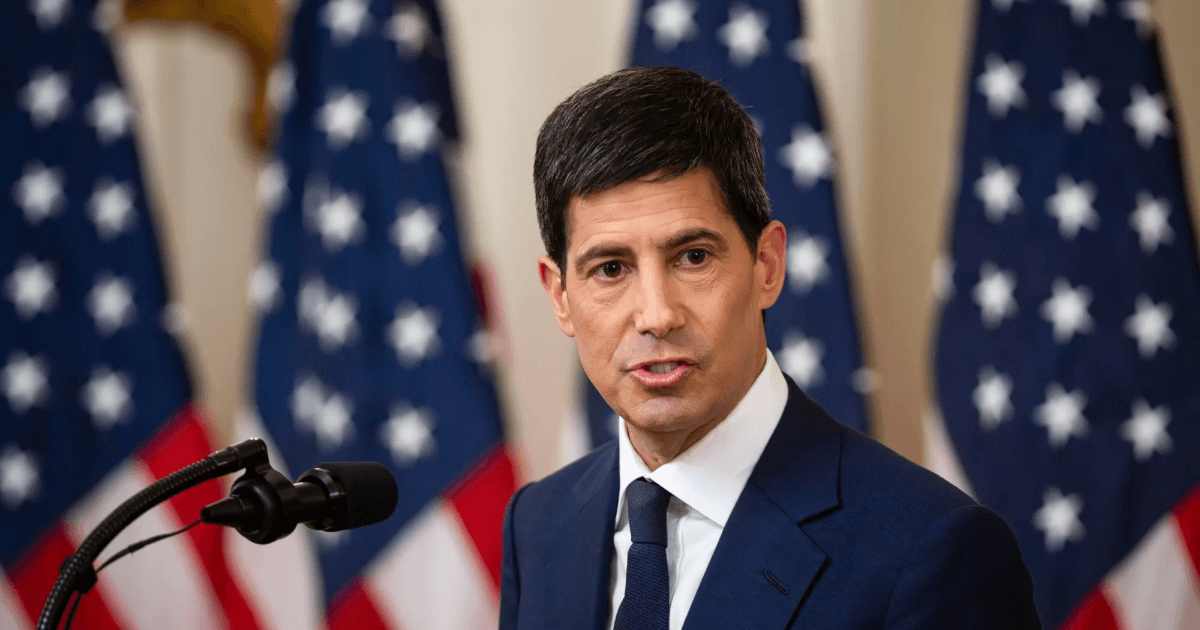
Although the sell-off eased during the May 27th trading session, yields remained high. The 10-year yield edged down 1 basis point to 4.481%, while the 30-year yield was at 5.01%. Notably, before the US-Iran conflict erupted three months ago, the 10-year yield had consistently remained below 4%.
Inflationary pressures from oil prices and government spending.
The primary reason for the rise in bond yields stems from concerns about increased inflation due to soaring crude oil prices as a result of the war. In addition, the massive budget deficit has forced the US government to issue large amounts of bonds, increasing supply and driving up borrowing costs.
Furthermore, the wave of investment in artificial intelligence (AI) has also contributed to boosting economic growth and corporate profits. This inadvertently creates competition for capital, forcing government bonds to maintain high yields to attract investors. Subadra Rajappa, Head of US Market Research at Societe Generale, describes this as a "persistent high-interest rate environment" due to a combination of public debt and defense spending.
The dilemma facing the new Fed Chairman.
Kevin Warsh is currently facing dual pressure from both financial markets and the executive branch. Lowering interest rates as President Trump desires could plunge the market into volatility due to concerns about uncontrolled inflation. Conversely, raising interest rates as the market expects could create tension with the White House.
Chief economist Tim Duy from SGH Macro Advisors commented: "The current data suggests that Mr. Warsh has no room to cut interest rates." This view is also shared by several other Fed officials. Neel Kashkari, President of the Minneapolis Fed branch, affirmed that the Fed needs to focus on controlling inflation risks as the labor market remains more stable than expected.
Meanwhile, Jerome Powell, who recently left office but remains on the Board of Governors, said the Fed needs to see energy prices and tariff pressures ease before considering easing monetary policy. This development suggests that the Fed's independence will be a key factor in determining market sentiment in the coming period.


