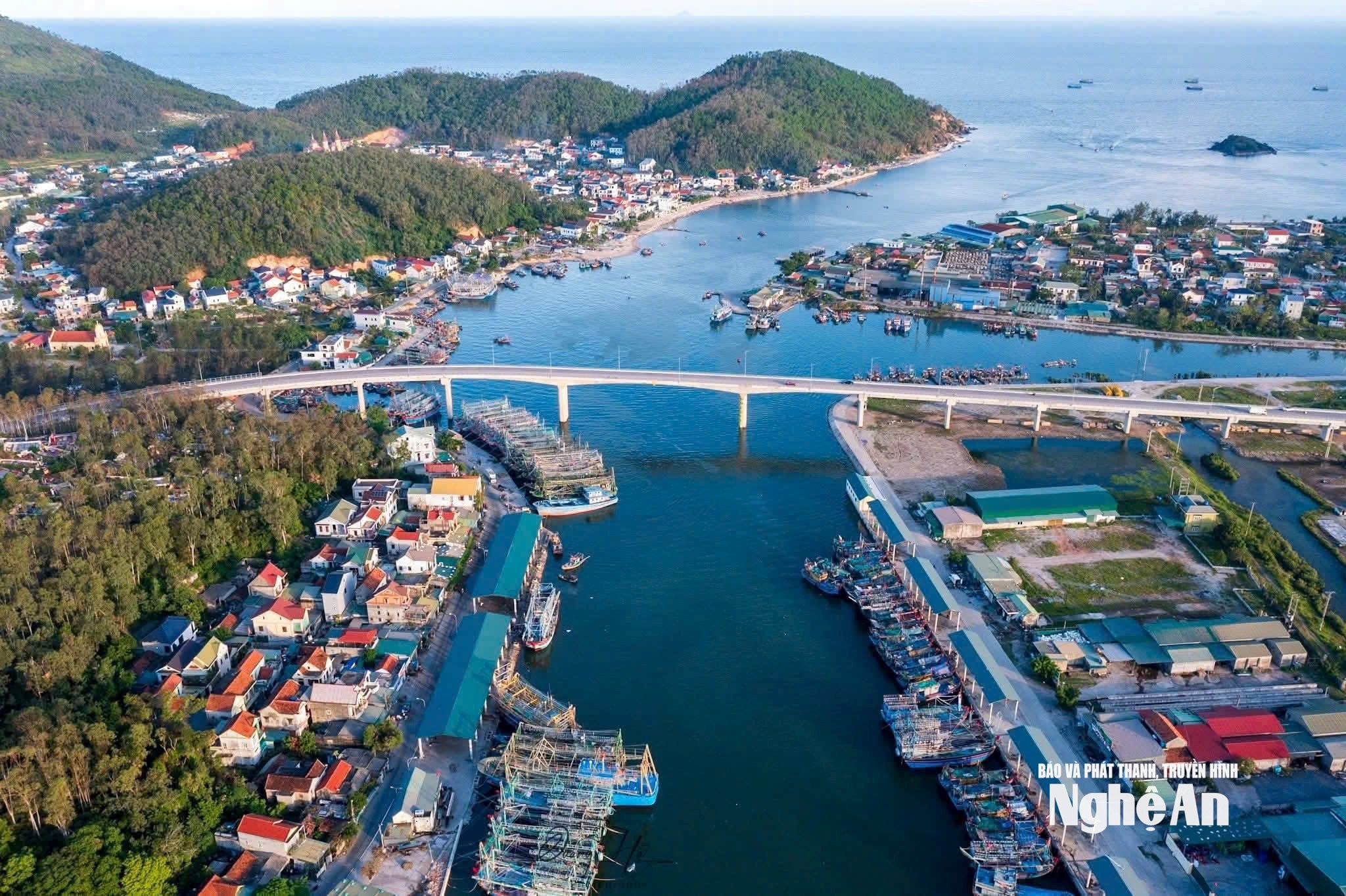
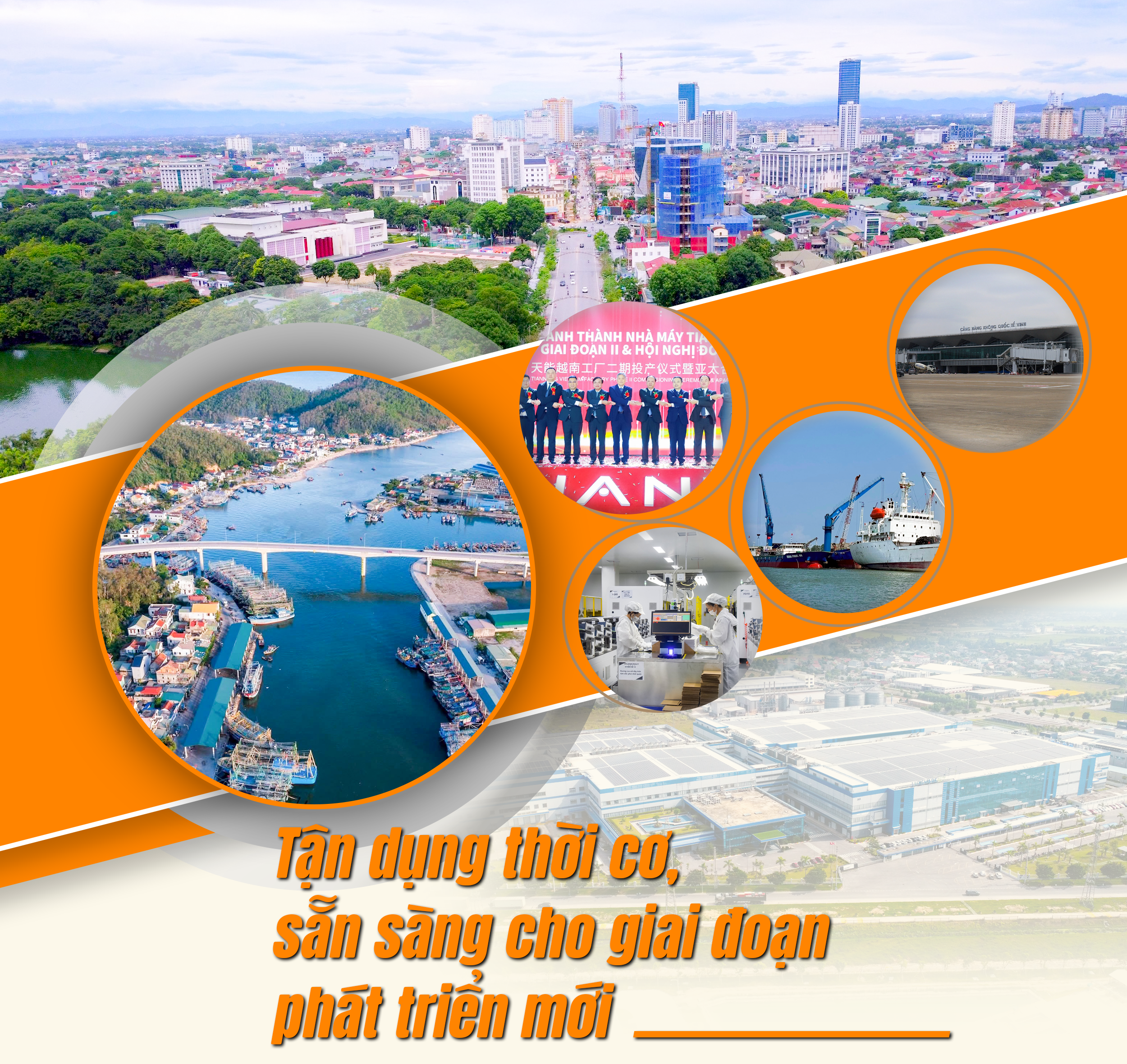
Seize the opportunity, get ready for a new phase of development.
2025 is identified as a year of acceleration and breakthroughs to achieve the socio-economic development goals and targets of the 2021-2025 Five-Year Plan, while also laying the foundation for the next development phase.
BUI THANH AN -
Member of the Standing Committee of the Provincial Party Committee,
Permanent Vice Chairman of the Provincial People's Committee
December 30, 2025
The year 2025 is identified as a year of acceleration and breakthroughs to achieve the socio-economic development goals and targets of the 2021-2025 Five-Year Plan, while simultaneously creating a foundation for the next development phase. Adhering closely to the Resolutions and Conclusions of the Central Committee and the Politburo; the direction and management of the Government, the Prime Minister, and central ministries and agencies; along with the Resolutions of the Provincial Party Committee, the Provincial People's Council, and the Provincial People's Committee, the province has proactively grasped the practical situation and provided decisive, flexible, and effective guidance.
* * * * *
Despite the challenging overall economic context, the province's Gross Regional Domestic Product (GRDP) is projected to grow by 8.44% in 2025, ranking third in the North Central sub-region and thirteenth nationwide. This achievement is not merely a reflection of a single year but also represents a relatively stable recovery and growth trend for the entire 2021-2025 period. Looking back at the past year, five major highlights of the province's economy can be summarized, representing the key achievements of the entire term.
The first bright spot,This achievement is particularly significant as it marks the first time Nghe An province has met its budget revenue target as set out in the Resolution of the Provincial Party Congress. State budget revenue (as of December 26, 2025) reached VND 28,569 billion, exceeding the projected target by 61.2% and increasing by 11.8% compared to the same period last year (domestic revenue of VND 26,521 billion, import-export revenue of VND 1,897 billion). Essentially, budget revenue is generated from production and business activities, which inherently have a time lag. An investment project requires at least one to two years to operate stably, generate revenue and profit, and produce taxes. Therefore, the 2025 budget revenue result is the culmination of efforts over many years and terms.
Along with that, revenue management has undergone a fundamental shift, particularly in the basic transformation of tax management methods for businesses and household businesses. The implementation of electronic invoices, real-time data connectivity with tax authorities, and especially the "30-day campaign" to convert lump-sum tax to declaration-based tax for household businesses, clearly demonstrate political determination and organizational capacity, creating a foundation for sustainable and transparent revenue collection.
Second bright spotThis is a result of attracting foreign direct investment. For three consecutive years (2023, 2024, 2025), the total FDI capital has exceeded the $1 billion mark. Among the top 10 localities attracting the most FDI nationwide, Nghe An is the only locality outside the key economic regions of the North and South, yet it has consistently been included for four consecutive years (2022, 2023, 2024, and 2025).
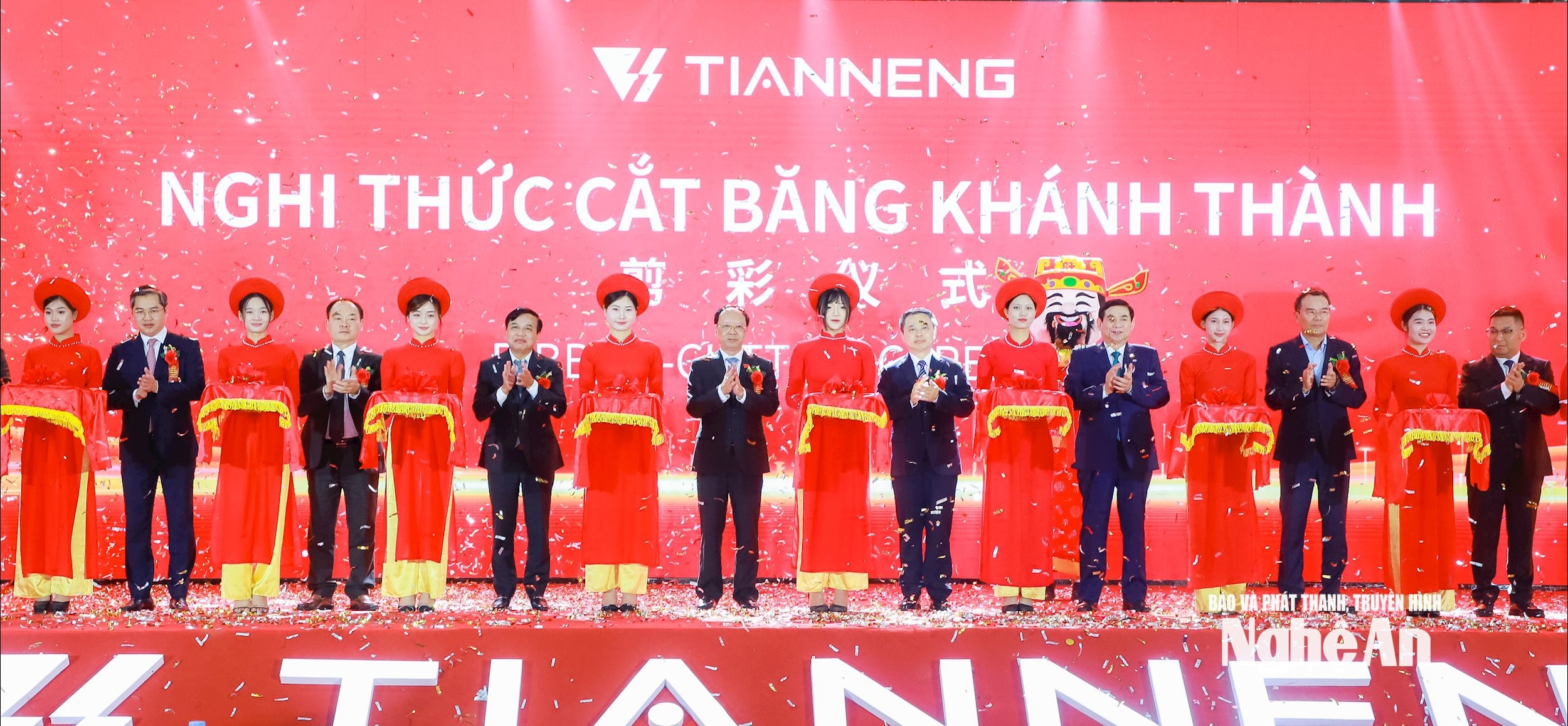
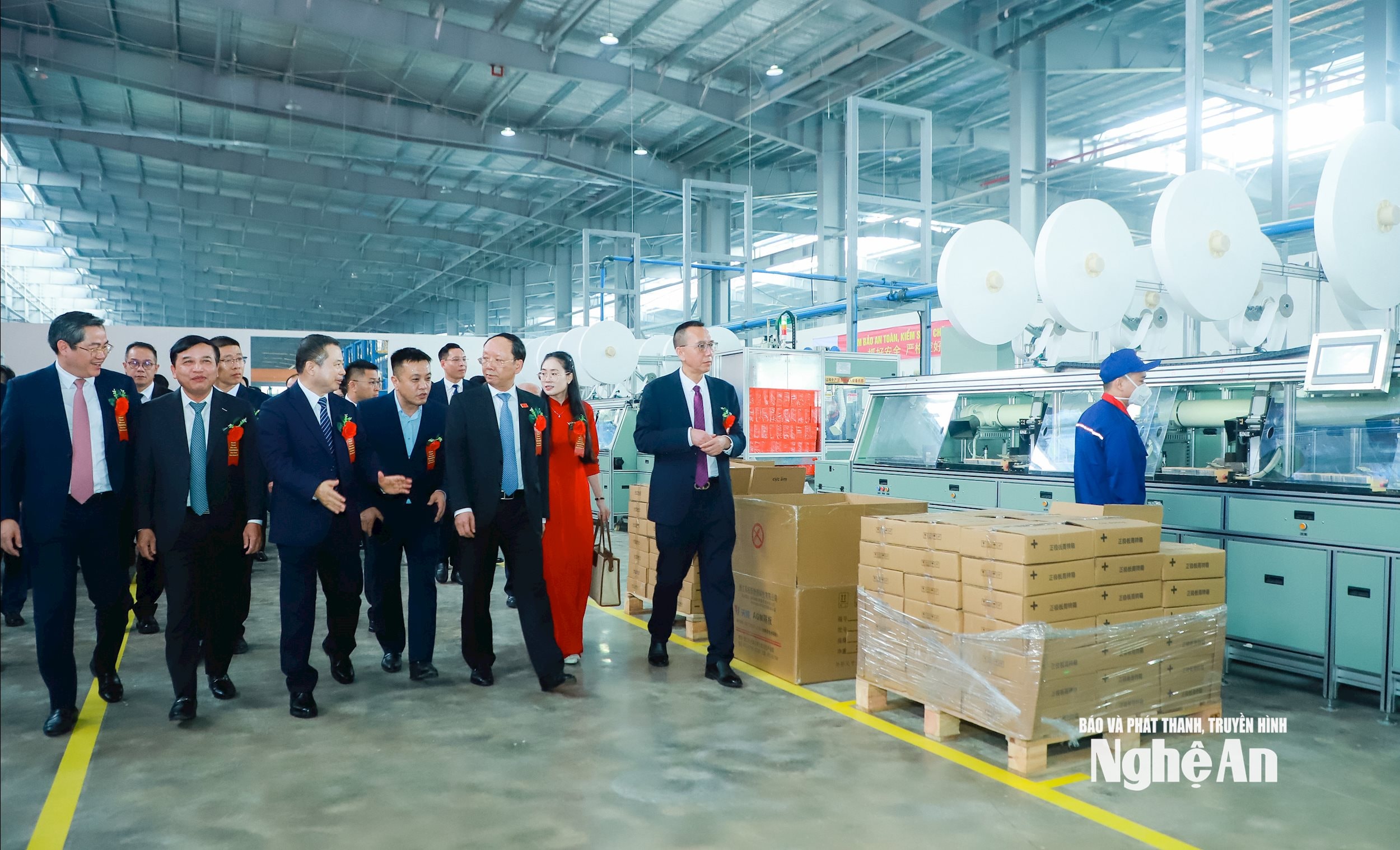
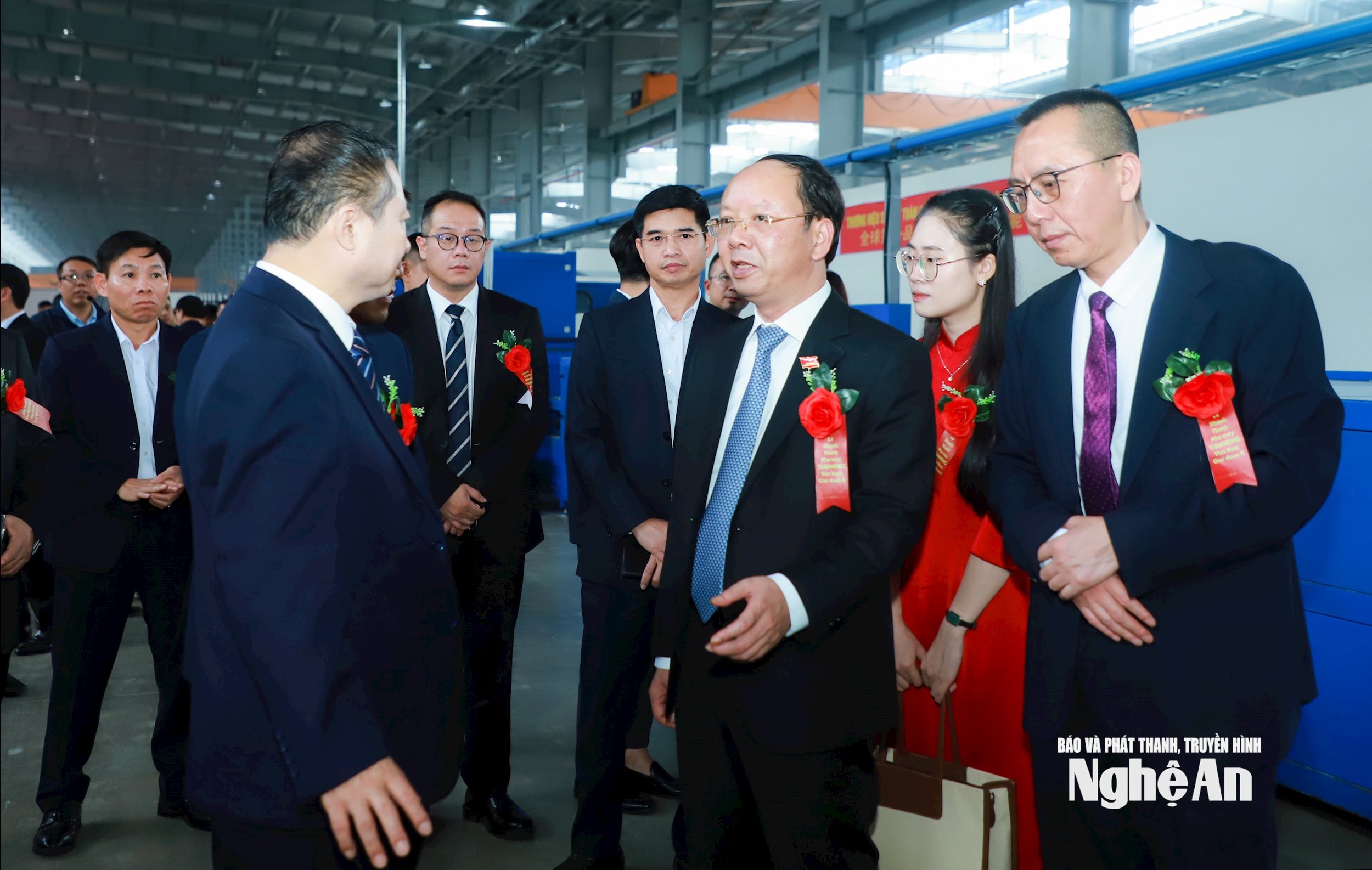
Notably, in 2025, adjusted FDI capital is projected to increase by over $700 million, exceeding newly registered capital. This trend reflects long-term confidence and the quality of capital attracted in the previous period, as existing businesses are operating efficiently, have markets, and a need for production expansion.
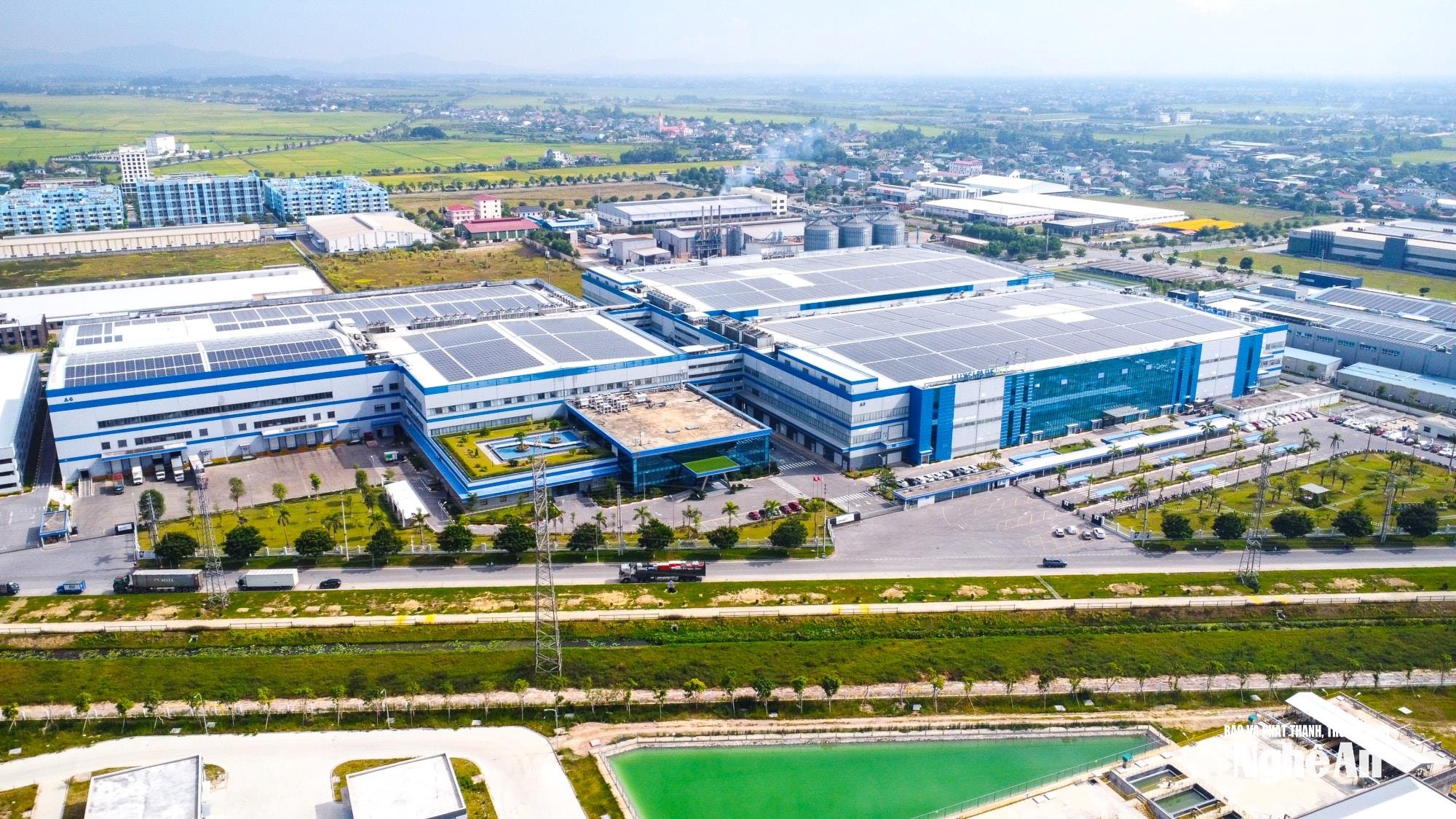
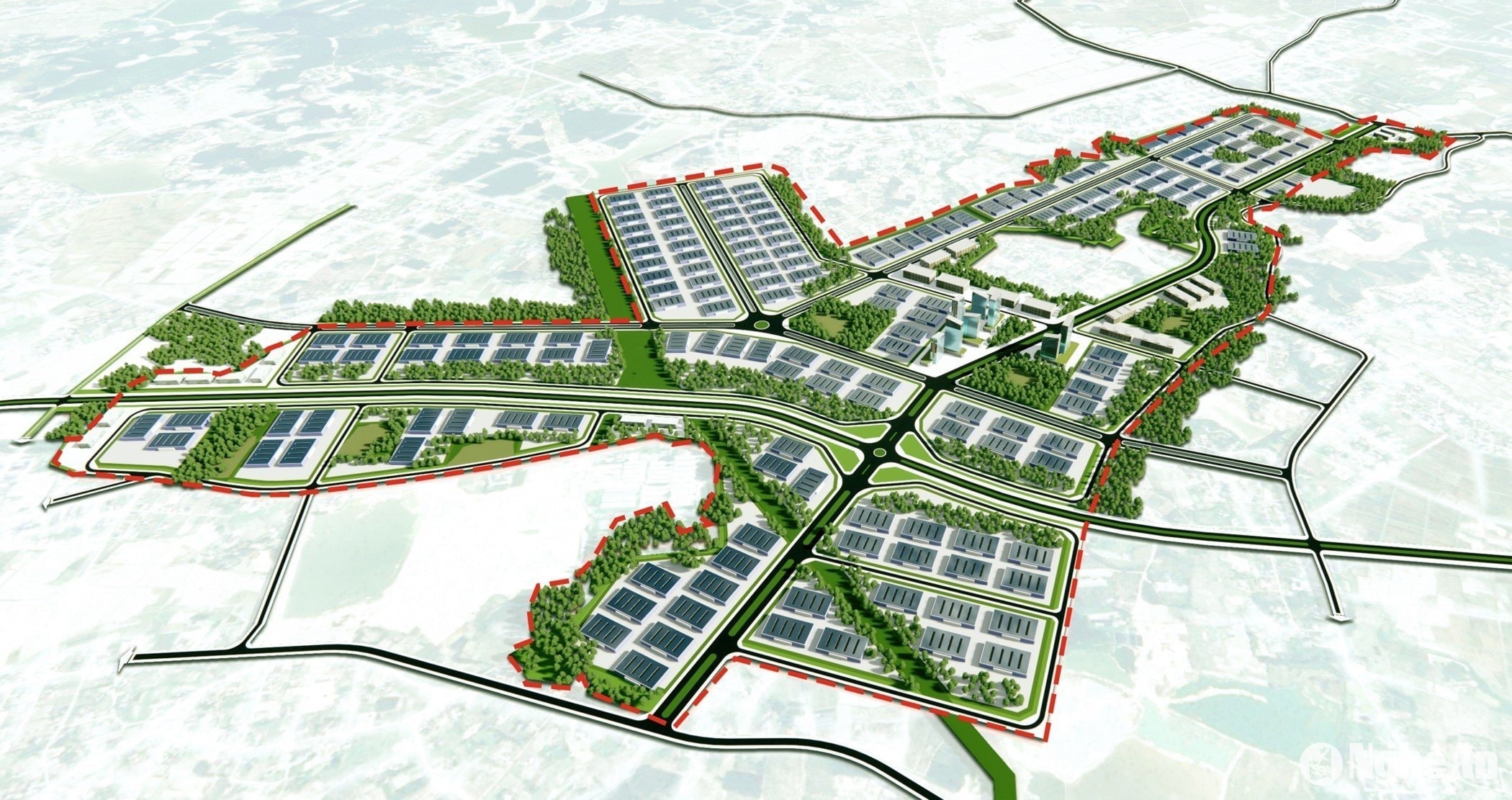
Third bright spotThis involves proactively preparing the groundwork for the next phase of development, especially essential technical infrastructure such as deep-water seaports, airports, expressways, electricity, and industrial real estate infrastructure. With the participation of major industrial park infrastructure investors such as VSIP, WHA Industrial Zone - Nghe An, and Hoang Thinh Dat, the province has now prepared approximately 1,000 hectares of clean land ready to attract secondary investors.
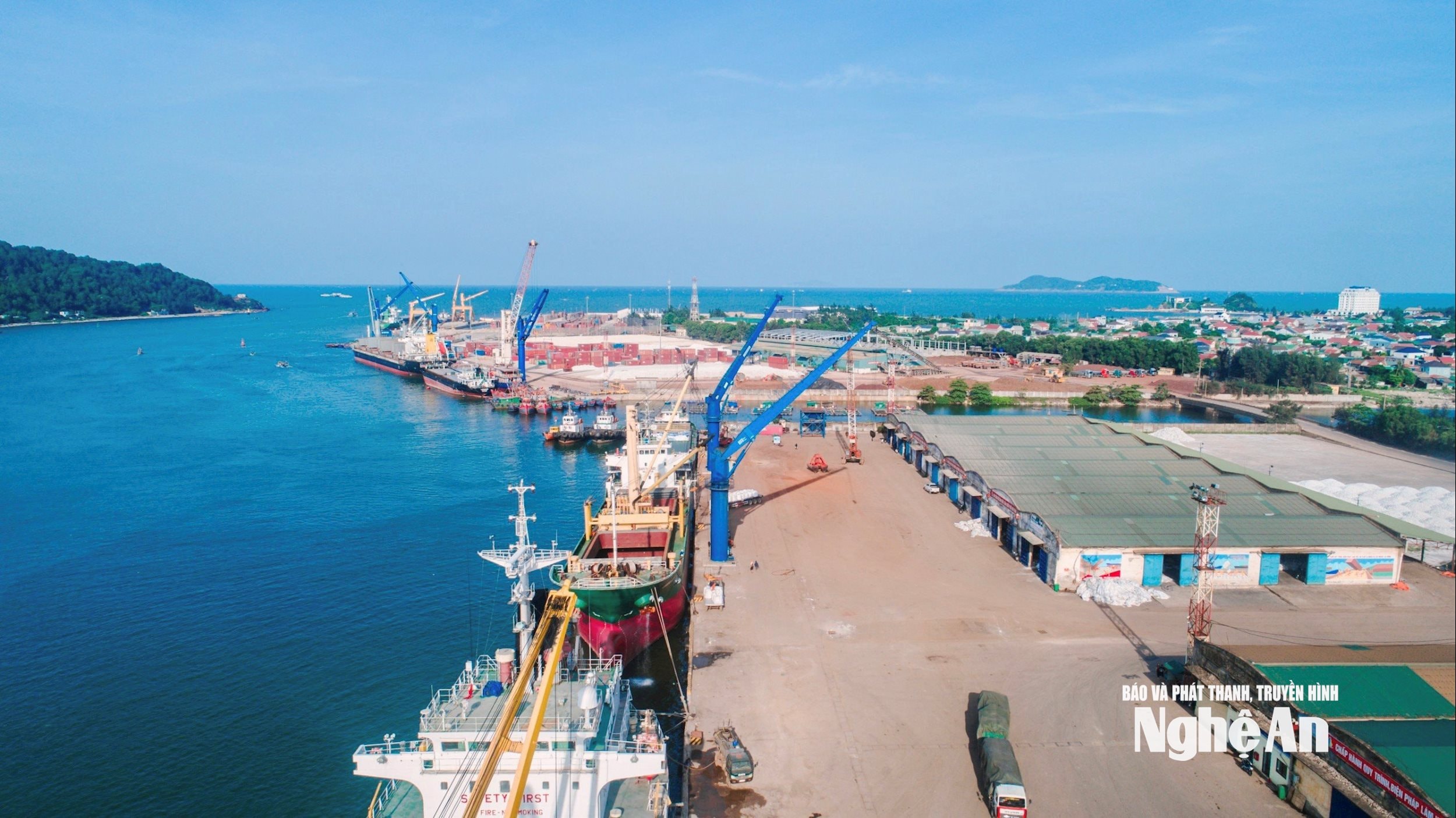
Fourth bright spotThe export value of goods in 2025 is estimated to reach 4.4 billion USD, significantly higher than the target of 1.765 billion USD set in the Resolution of the 19th Provincial Party Congress. The increase in export value over the years shows that FDI projects and businesses in the province have moved beyond the initial investment phase, into stable operation, and are increasingly participating in the global supply chain.
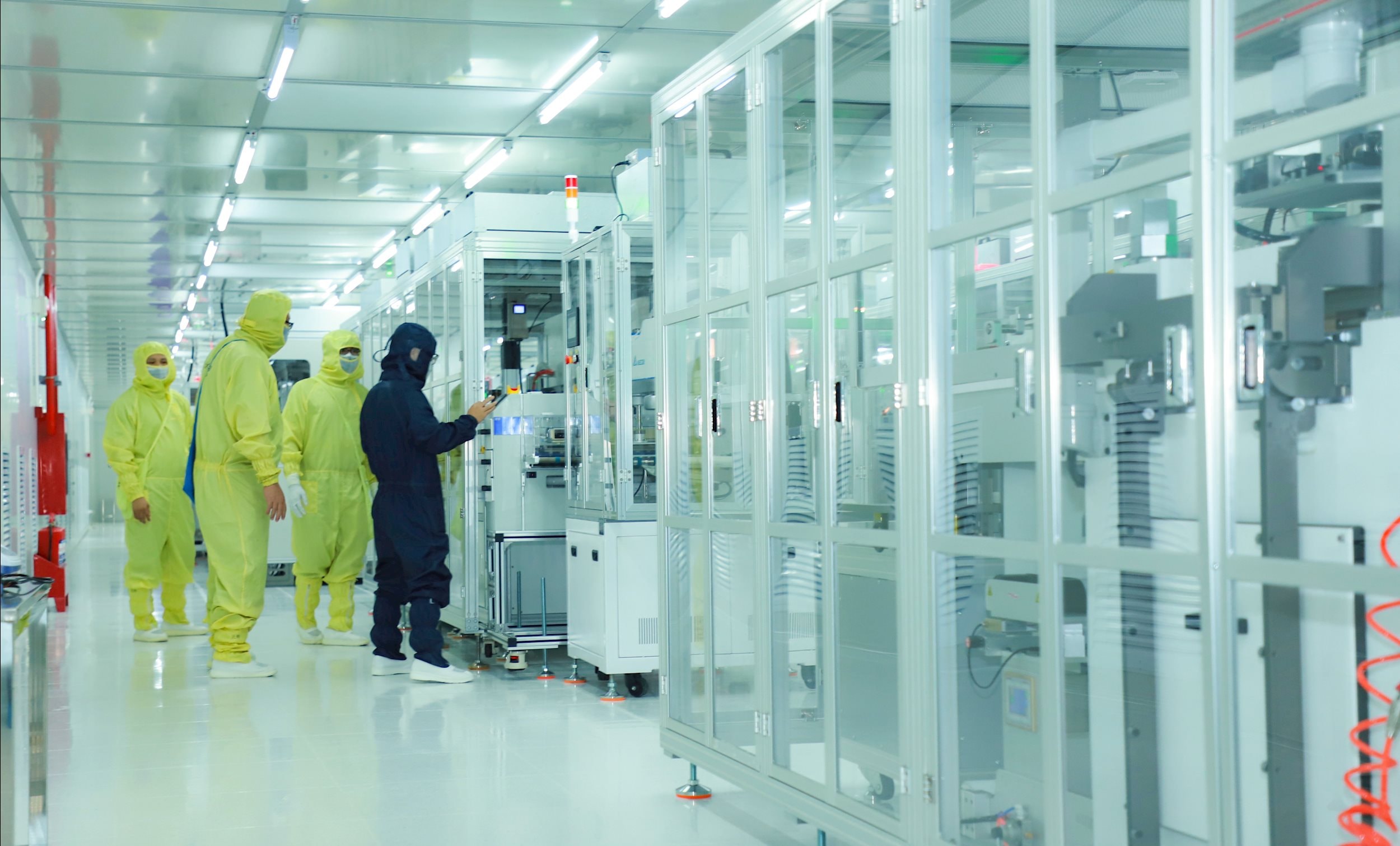
The fifth bright spot,The long-term strategic significance lies in the fundamental shift of the industrial structure towards modernization. From relying primarily on traditional industries, Nghe An's industry has strongly shifted towards processing and manufacturing. By 2025, the Industrial Production Index is estimated to increase by 17%; of which, the processing and manufacturing industry will increase by 14%, notably the production of electronic components by FDI projects. This shift has made Nghe An one of the three processing and manufacturing industrial centers in the country, along with Hanoi, Ho Chi Minh City and surrounding areas, a recognition granted by the Government.
.jpg)
.jpg)
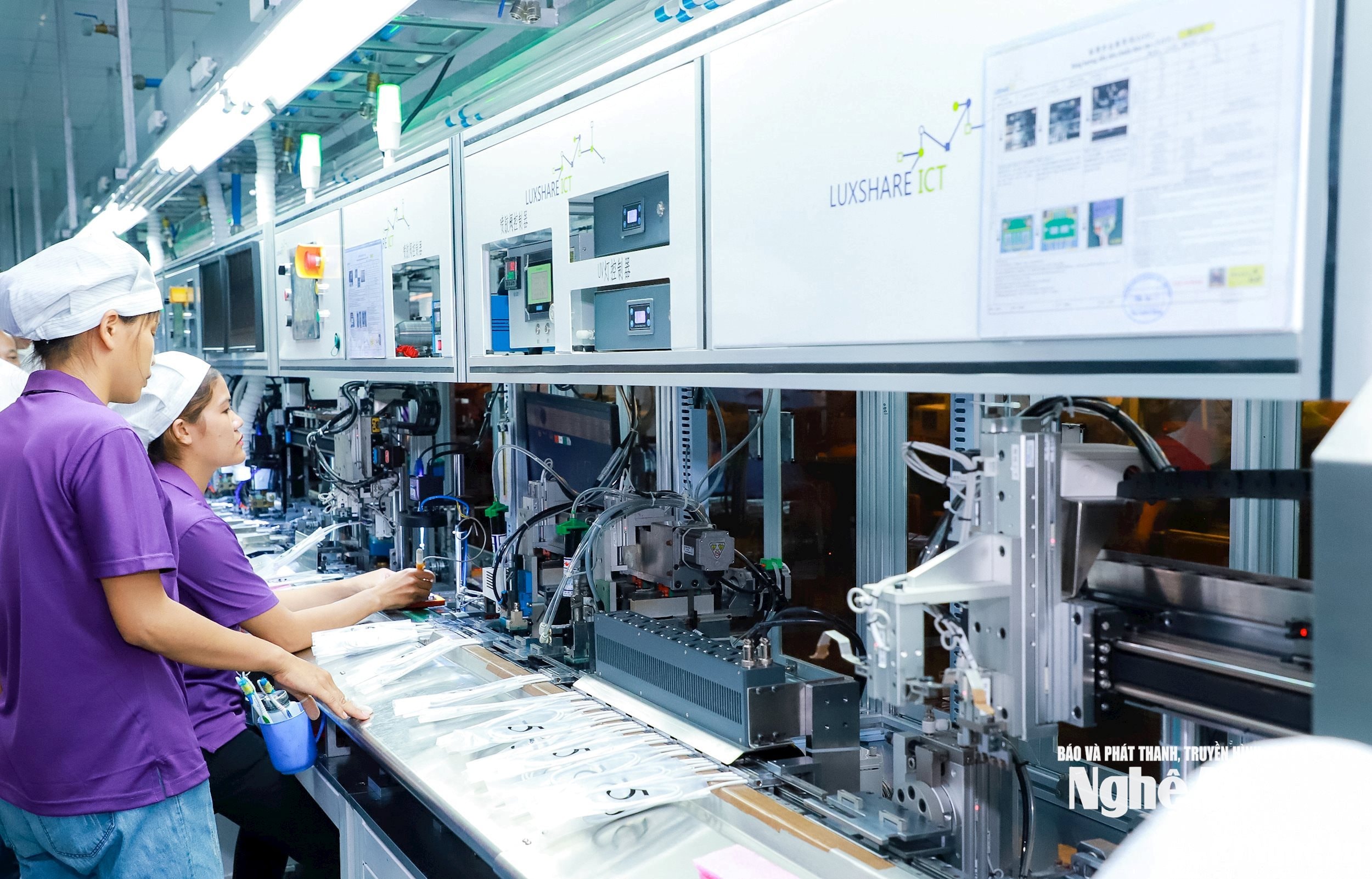
Placed within the context of the past term, it is possible to clearly outline the province's economic landscape moving towards greater sustainability, depth, and resilience. However, this is not a momentary breakthrough, nor the result of temporary solutions, but rather the culmination of a continuous accumulation process, meticulously prepared, persistent, and consistent over many terms.
More importantly, these achievements lay a solid foundation for Nghe An to enter the accelerated development phase from 2026 to 2030 with the goal of achieving an average growth rate of 12% or higher. This is a completely feasible goal, set by the Provincial Party Committee, Provincial People's Council, and Provincial People's Committee based on a thorough and systematic analysis of specific, clear, and comprehensive factors, considering political, legal, investment resource, infrastructure, human resources, and development position.
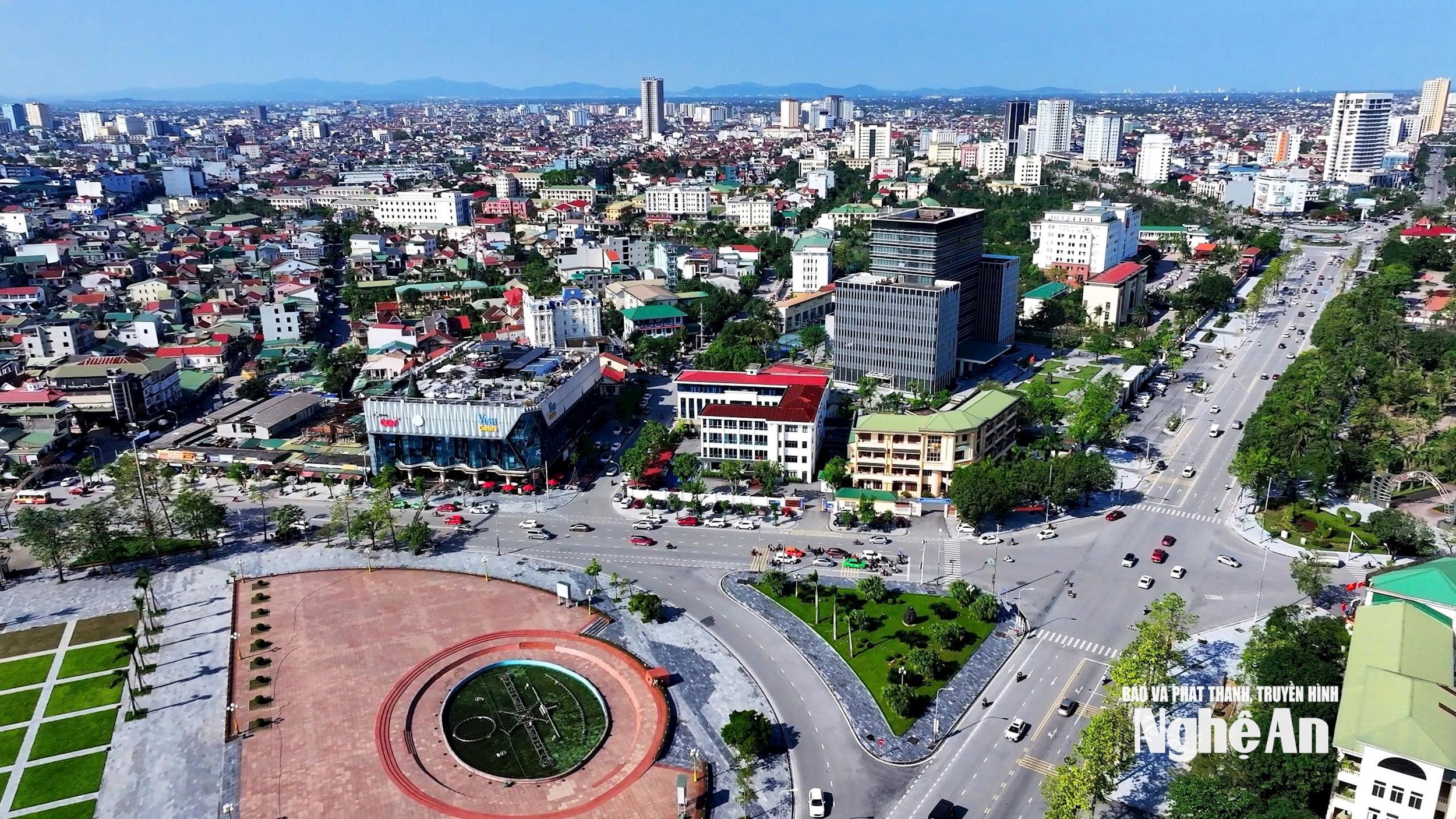
First and foremost, the most important foundation for establishing a new phase of development for Nghe An is that the province has fully consolidated its political and legal basis at the strategic level. The Central Government's attention and expectations for Nghe An have been institutionalized through a system of resolutions creating a framework for synchronous, stable, and long-term development. These include Resolution No. 39-NQ/TW of the Politburo on building and developing Nghe An province until 2030, with a vision to 2045; Resolution No. 36/2021/QH15 and Resolution No. 137/2024/QH15 of the National Assembly on piloting and supplementing piloting of specific mechanisms and policies; and the Provincial Planning for the period 2021-2030, with a vision to 2050.
Alongside institutional development, the province's infrastructure has been relatively well-prepared and synchronized, overcoming the "lack and weakness" phase to enter a phase where it is ready for accelerated growth. Infrastructure is not only viewed from a transportation perspective but approached in a holistic sense: inter-regional transportation connectivity, industrial park infrastructure and ready investment land, energy infrastructure, telecommunications, digital transformation, and social infrastructure. Even in the midland and mountainous areas, access to basic services has improved significantly, creating a foundation for gradually narrowing the development gap between regions.
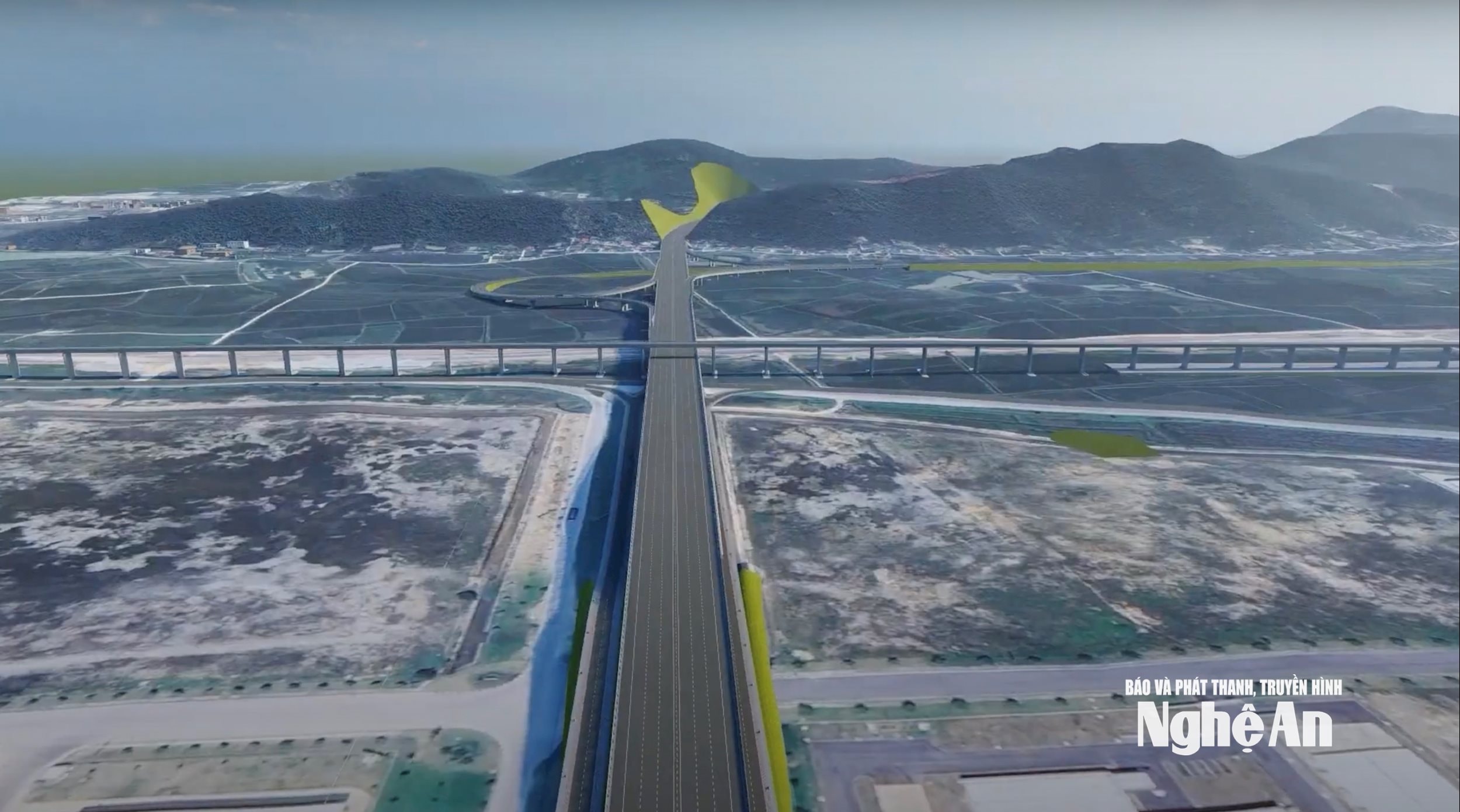
A particularly significant factor, a "soft condition" but one that determines the potential for breakthrough, is the clear shift in development thinking and the aspiration for progress of the entire political system, business community, and people of the province. The mindset of "the province is still poor and struggling" has now been fundamentally replaced by a new awareness: "This is the time to move forward; failing to seize the opportunity will be a disservice to the province's development history." This change is gradually being translated into action, influencing the way of thinking, doing, and organizing implementation.
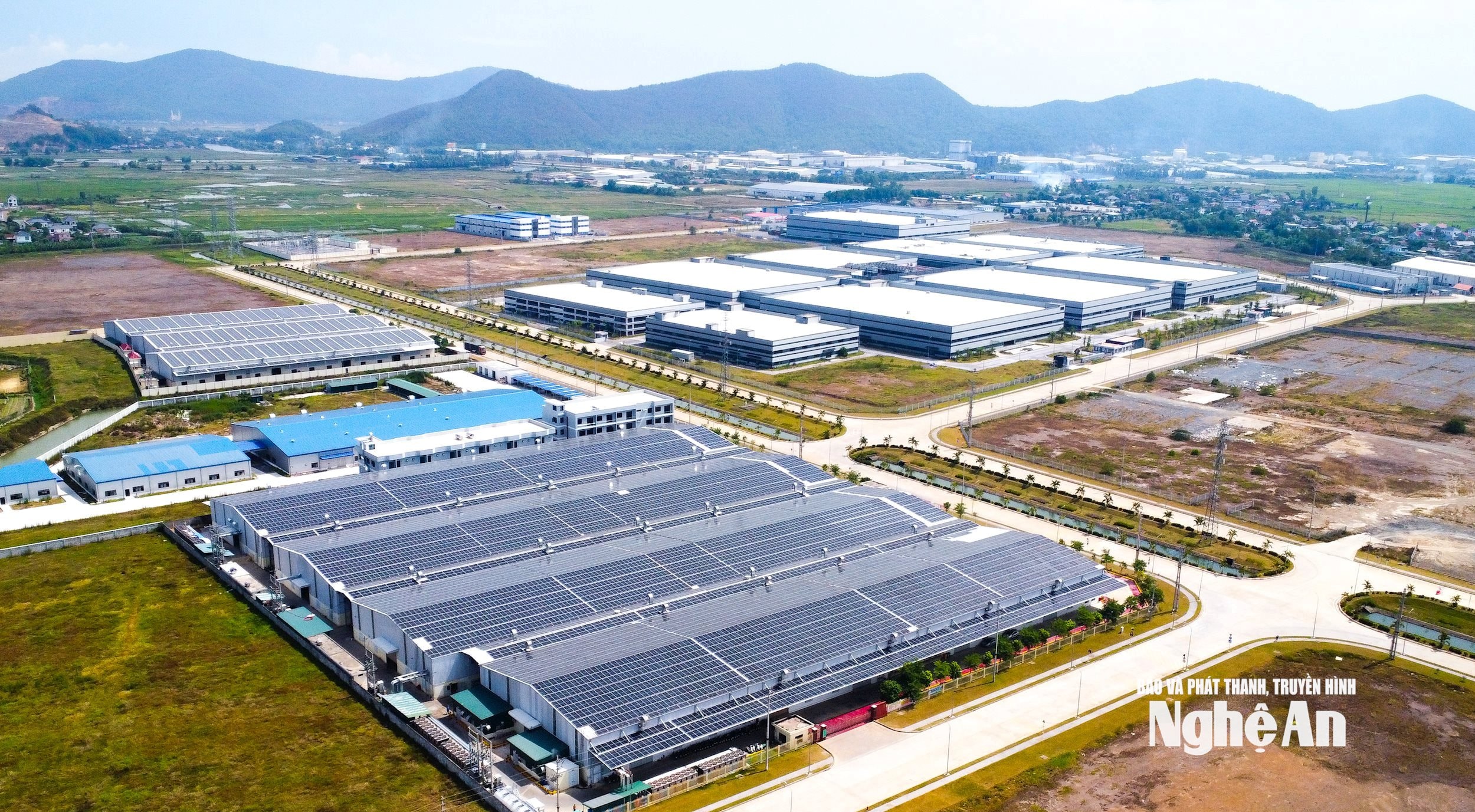
Along with a shift in mindset, after years of persistent and consistent effort, Nghe An has gradually established a distinct position and brand in attracting investment. The province has become a long-term production and business hub for many large domestic and foreign corporations, especially in the processing and manufacturing industries. Simultaneously, administrative reforms and improved service attitudes are gradually becoming a genuine competitive advantage, although there is still room for further enhancement.
To realize the set goals, based on a comprehensive assessment of the socio-economic situation, clarifying the strengths, potential, and limitations of each development area, the provincial leadership has established strategic directions coupled with specific directives. The focus is on effectively exploiting the comparative advantages of each region, reorganizing resources in a more rational way, thereby promoting sustainable socio-economic development, gradually increasing income, and improving the quality of life for the people.
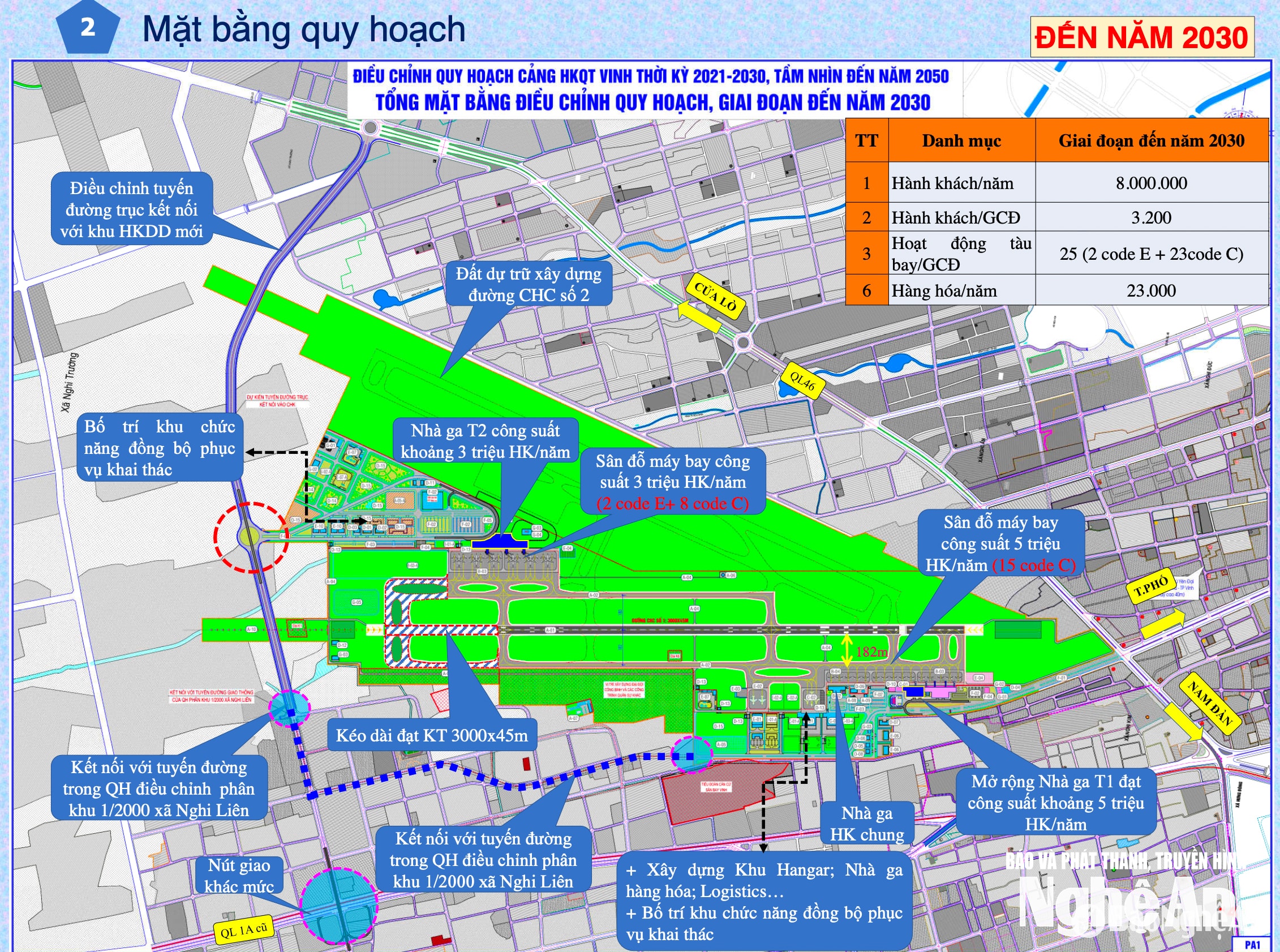
First and foremost, the coastal plain continues to be the most important pillar of growth. The province has identified two major directions to focus on.First,Expanding the Southeast Economic Zone from the current approximately 21,000 hectares to 105,000 hectares, coupled with the completion of the Cua Lo deep-water seaport infrastructure, the Quynh Lap LNG power plant, and Vinh International Airport, will create a foundation for attracting large-scale industrial, logistics, and supply chain service projects.
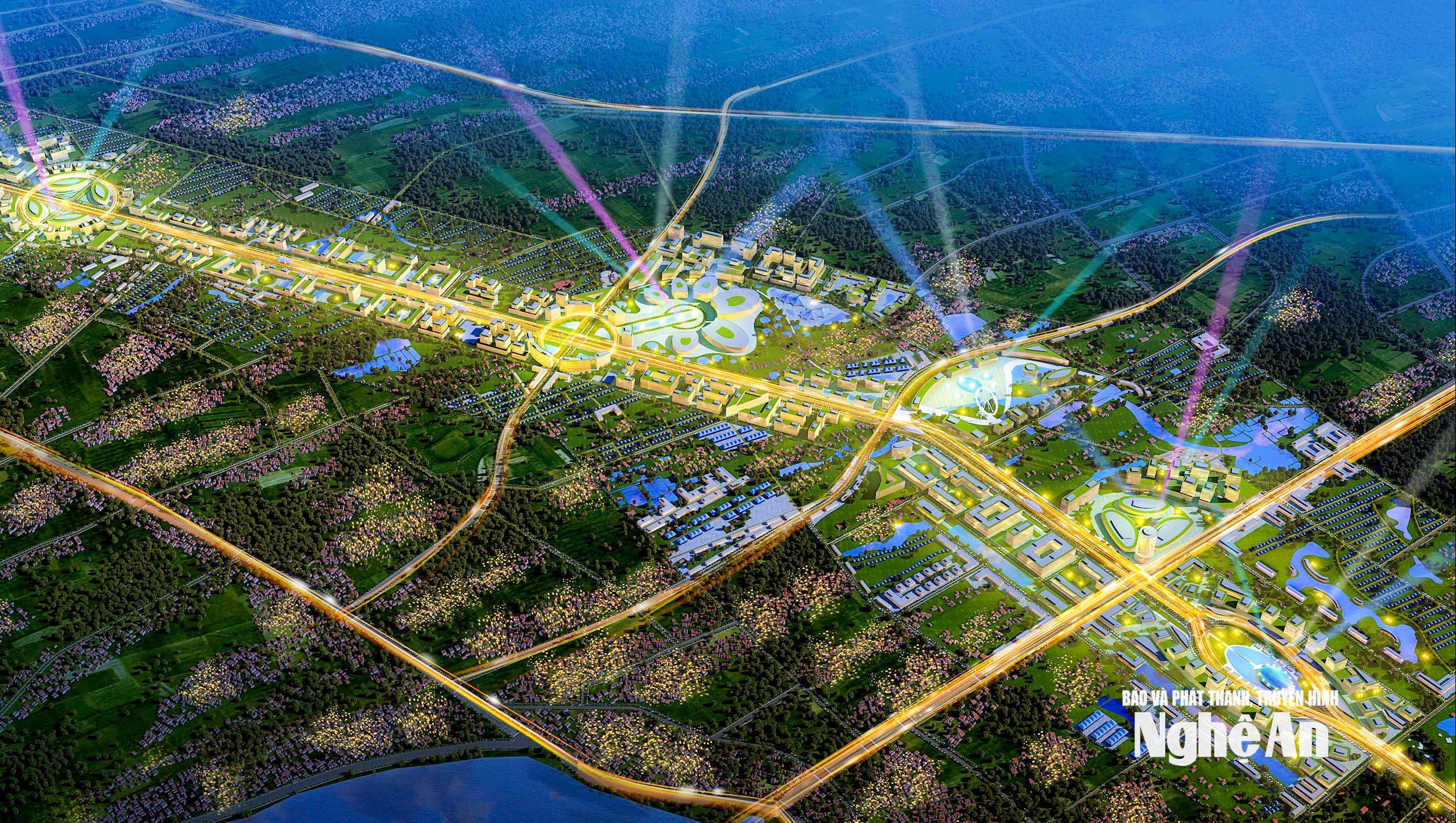
Secondly,Urban and service development should be modern and integrated, expanding living spaces while creating new growth drivers for the service sector. A key focus is reshaping the urban growth axis by connecting the Vinh-Cua Lo Boulevard, Highway 72, the VSIP Industrial, Urban and Service Zone, and Vinh Station on the North-South high-speed railway line. Based on this, urban development around Vinh Station following the TOD (Transit-Oriented Development) model will open up new development opportunities, increase the ripple effect throughout the region, and more effectively exploit Cua Lo's year-round beach tourism. In the long term, research and proposals could be submitted to the central government to allow the formation of free trade and economic zones within this eastern economic corridor.
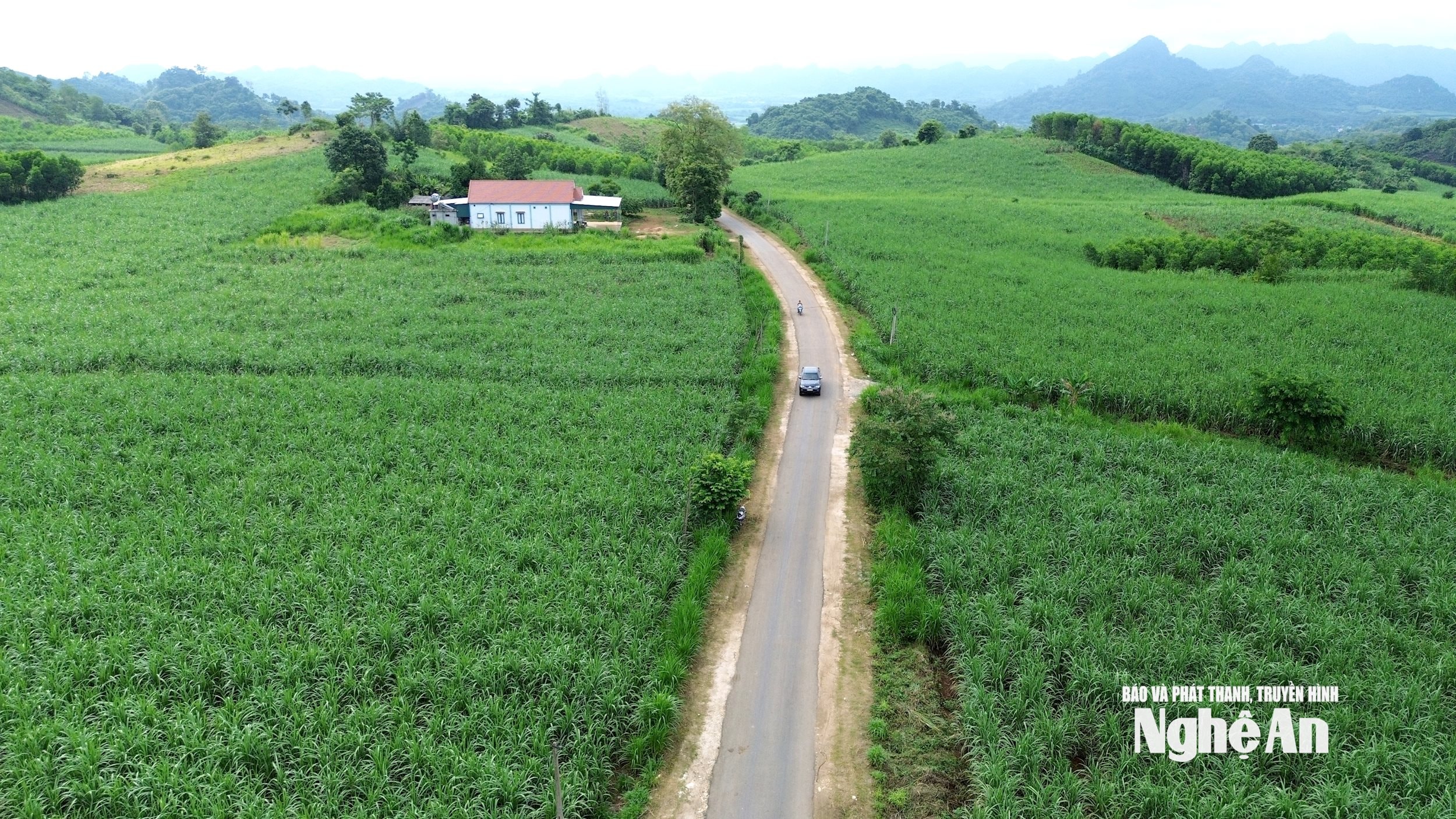
For the midland and mountainous regions, the province has identified two main pillars of growth.The first pillar is,The goal is to establish and develop concentrated raw material areas of sufficient scale, closely linked to the processing industry and stable consumer markets. In the coming period, one of the priorities will be to develop large-scale raw material areas linked to deep processing facilities, increasing added value.
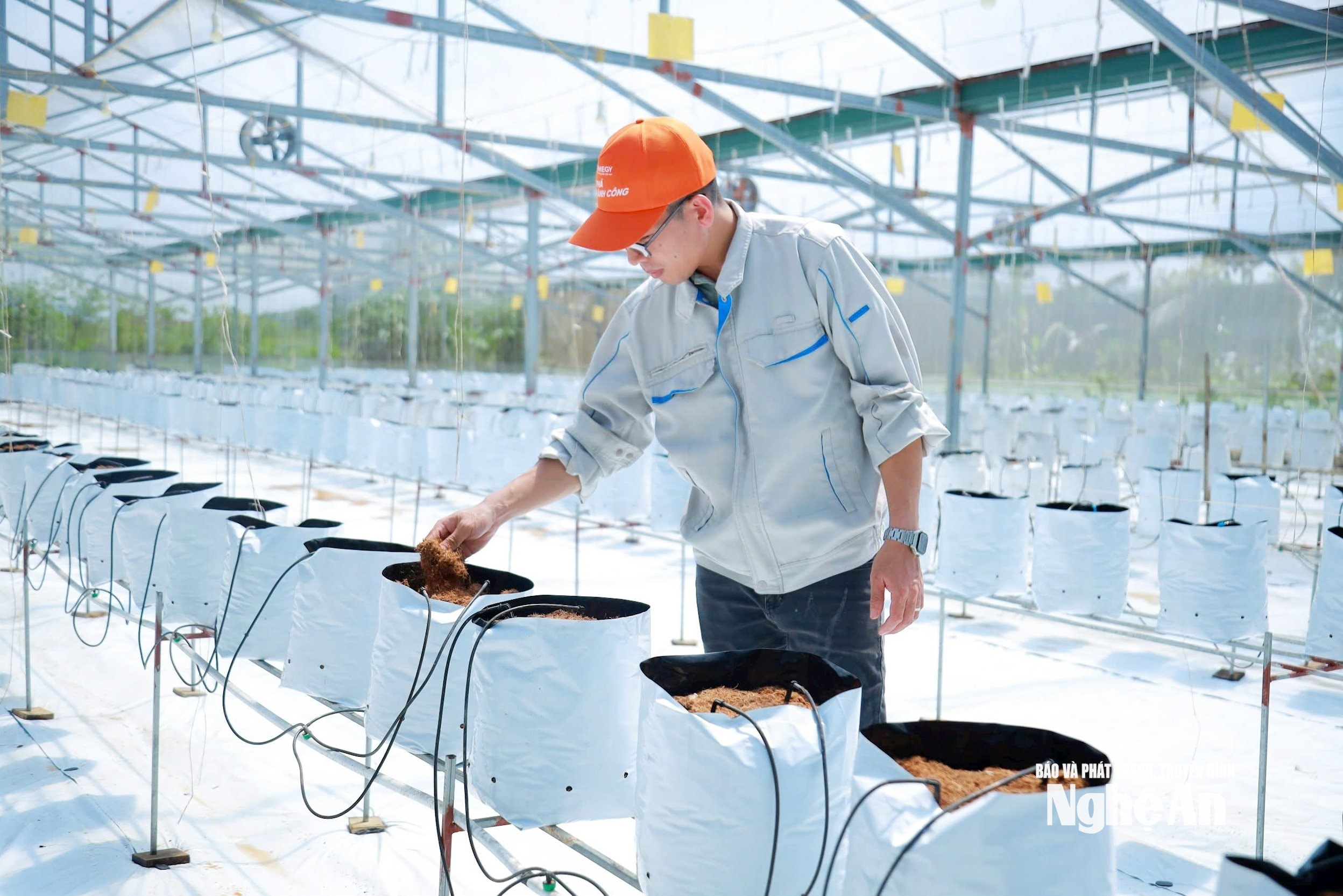
The second pillar is,The province is promoting high-tech agriculture and forestry to improve productivity, quality, and efficiency in land and forest resource utilization. Simultaneously, it is calling on professional investors to develop industrial clusters of approximately 50-70 hectares each, equipped with integrated and professional infrastructure, and selecting suitable industries to create local jobs and promote economic restructuring.
The achievements during the 2021-2025 period have created the necessary material foundation, but more importantly, they have fostered confidence, aspirations, and strong political determination to enter a new phase of development aimed at making "Nghe An a prosperous province of the country, a national-level growth pole; a center of the North Central region for high-tech industry and agriculture, healthcare, education and training, science and technology, trade, logistics, tourism...", as set out in the Resolution of the 20th Provincial Party Congress, term 2025-2030.
.png)
However, development practice shows that today's achievements, if not continued and renewed with new drivers, can easily become obstacles for tomorrow. Therefore, along with effectively exploiting traditional drivers such as investment, consumption, and exports, the province is also proactively preparing the conditions and nurturing new growth drivers based on the development of the digital economy, knowledge economy, and innovation ecosystem to maintain continuous double-digit growth for a long period once traditional growth opportunities gradually shrink.