
Strengthen control over the assets and income of officials.
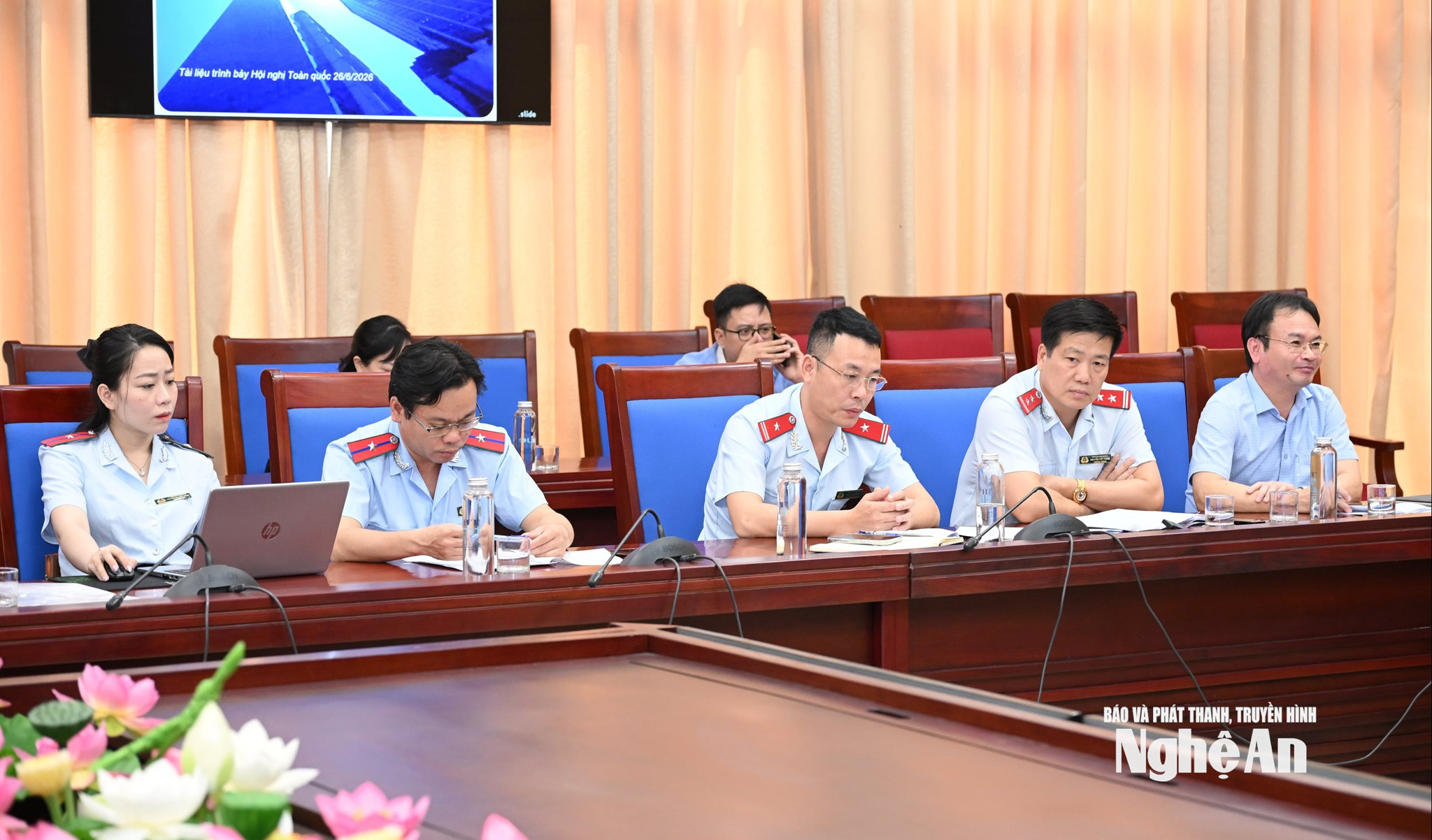
On the morning of June 26th, the Government Inspectorate held a nationwide online conference to disseminate and guide the implementation of Government Decree No. 164 on controlling assets and income of persons holding positions of power and authority.
Comrade Nguyen Van Cuong, Deputy Chief Inspector of the Government, chaired the conference. Also attending were leaders of inspection agencies from central ministries and branches, and leaders of provincial People's Committees.
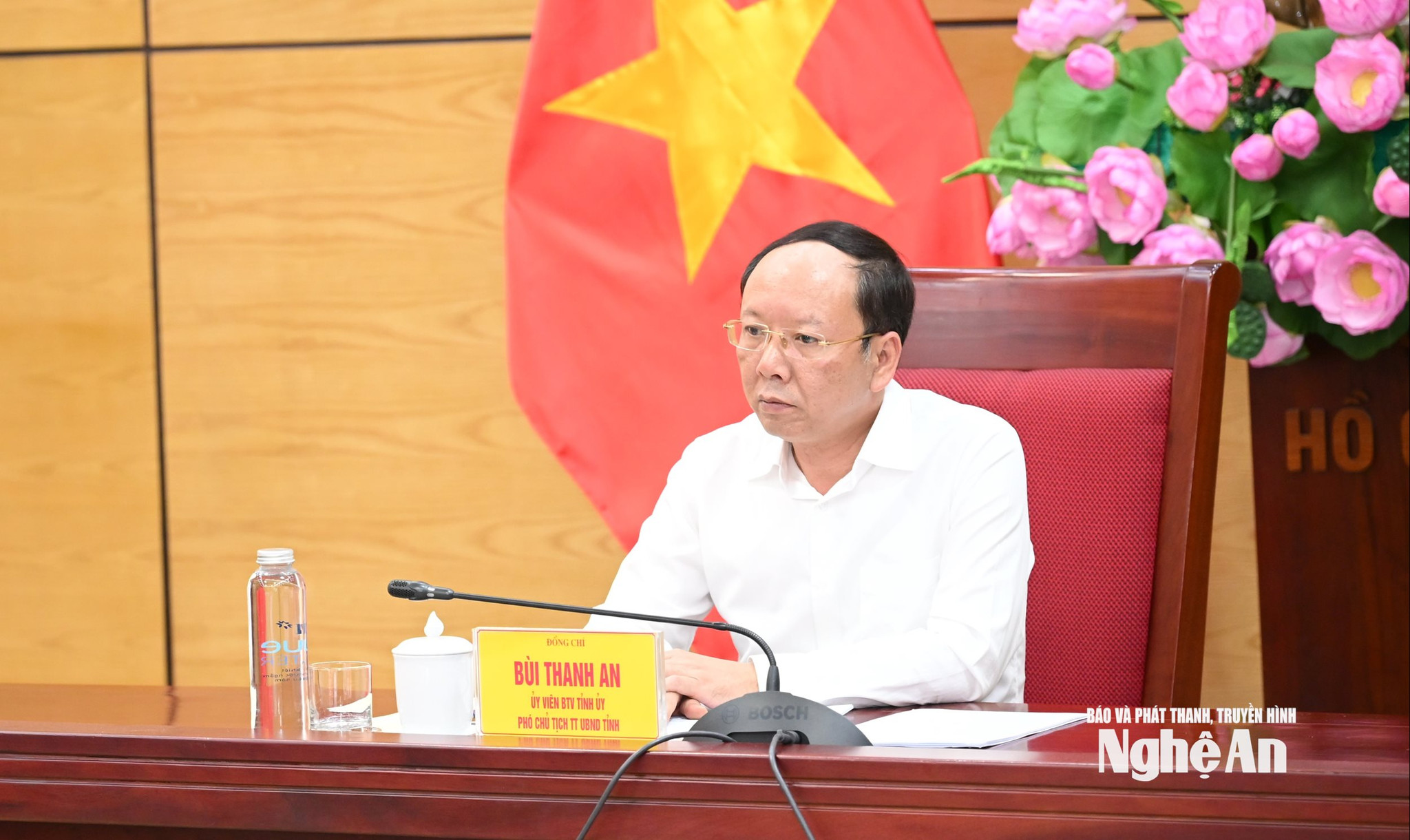
Comrade Bui Thanh An - Member of the Standing Committee of the Provincial Party Committee, Permanent Vice Chairman of the Provincial People's Committee - presided over the meeting at the Nghe An location.
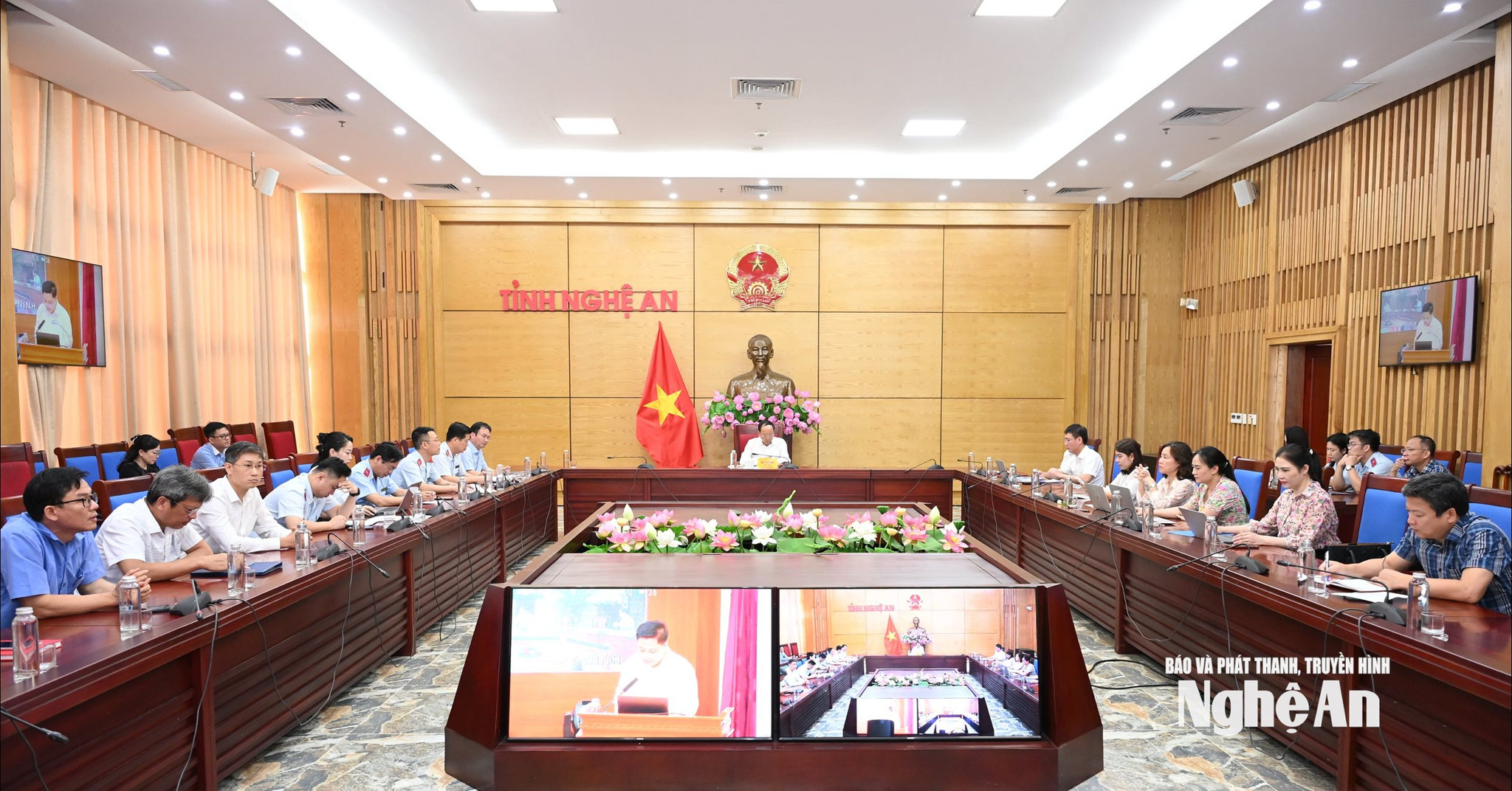
The fight against corruption, waste, and negative practices is currently deepening under the decisive leadership of the Central Steering Committee, headed by General Secretary and President To Lam. Controlling assets and income is not only a tool to detect illicit assets but also a fundamental solution to prevent conflicts of interest and control power.
Decree No. 164/2026/ND-CP officially takes effect from July 1, 2026, coinciding with the effective date of the Law amending and supplementing a number of articles of the Law on Prevention and Combat of Corruption in 2025. The promulgation of these documents creates a unified legal framework, fundamentally reforming the method of controlling the assets of officials and civil servants.
One of the most notable new points in Decree 164 is the increase in the value threshold for assets that must be declared. Accordingly, assets such as precious metals, gemstones, cash, and securities must be declared when their value is 150 million VND or more. In addition, those obligated to declare assets must also publicly disclose overseas accounts and total income between two declarations.
Regarding the scope, the category of individuals obligated to file annual declarations has been more clearly defined, including those holding positions from Deputy Head of Department and equivalent or higher, working in state agencies, public service units, and state-owned enterprises. This expansion ensures comprehensive coverage, leaving no positions prone to corruption in financial management, public investment, and personnel organization overlooked.
To ensure integrity, the Decree specifies the details for developing an annual asset verification plan. The supervisory agency will randomly select individuals for verification through a lottery or computer software, with a minimum of 10% of those obligated to declare assets at each agency or unit being selected; at least one of these individuals must be a head or deputy head of the agency or unit.
In particular, regulations regarding the explanation of asset changes have been tightened. When assets or income increase by 1 billion VND or more during the year, the declarant must clearly explain the source. If the explanation is dishonest, the violator will face severe disciplinary measures.
Specifically, candidates for the National Assembly and People's Councils who make false declarations will be removed from the list of candidates. Officials slated for appointment or approval will be removed from their intended positions. In other cases, depending on the severity, they may be warned, have their salary reduced, be demoted, dismissed, or forced to resign.
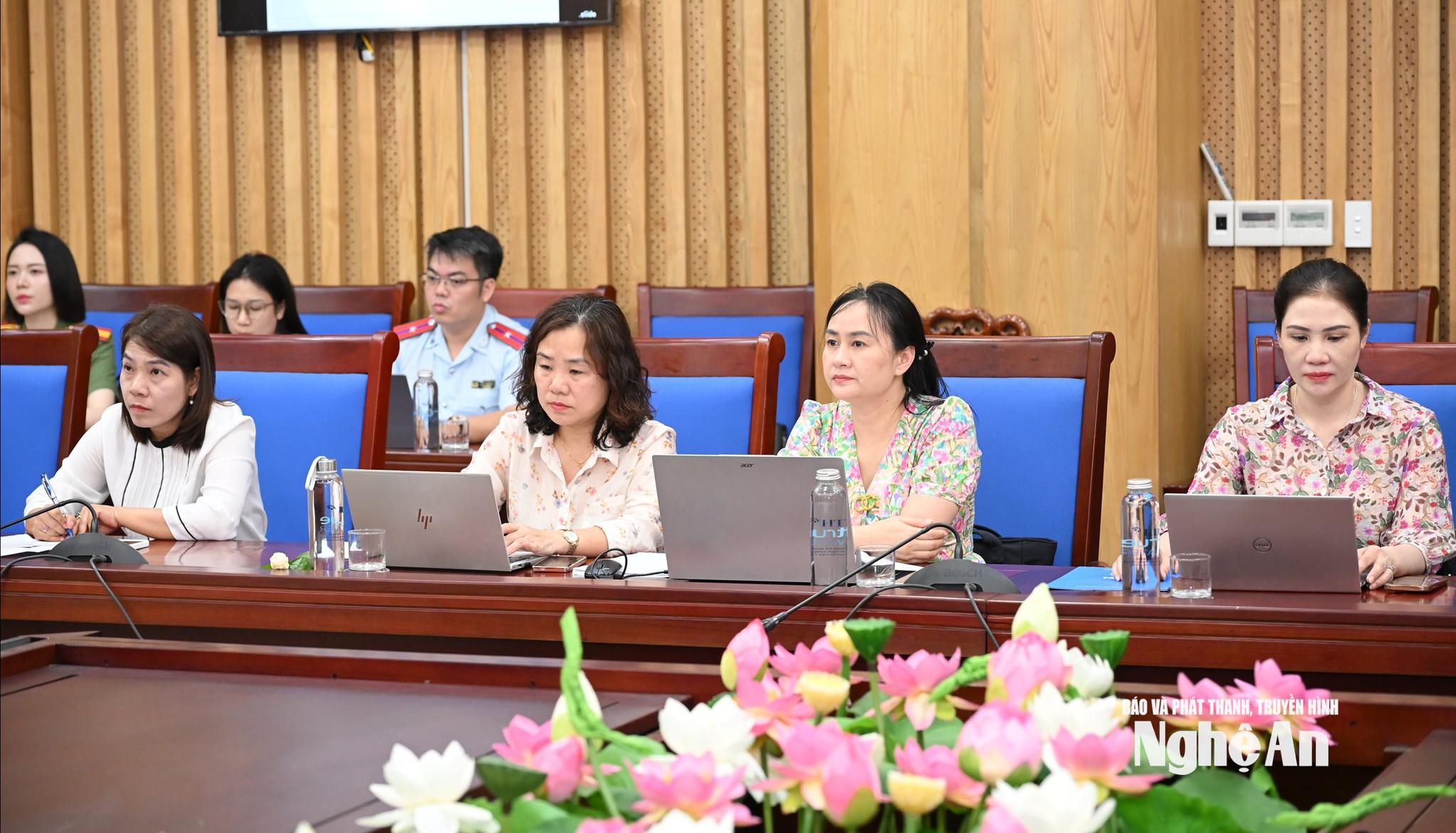
At the conference, delegates paid particular attention to the establishment of a national database on asset and income control, to be located at the Government Inspectorate. This system will be interconnected with databases on population, land, and taxes to facilitate quick and accurate verification.
Promoting the application of digital technology not only helps to store declarations securely and long-term, but also minimizes subjective human intervention in the control process.
Concluding the conference, Comrade Nguyen Van Cuong - Deputy Inspector General of the Government - requested that leaders of ministries, sectors, and localities uphold a high sense of responsibility and fully understand the new contents to unify the implementation methods. The ultimate goal is to ensure that Decree 164 is put into practice in a substantive way, contributing to enhancing the accountability of officials and purifying the ranks.


