

Strengthening the close relationship between the Party and the people in the new era.
The new era presents new, comprehensive requirements, tasks, and solutions to strengthen the close relationship between the Party and the people.
Strengthening the close relationship between the Party and the people in the new era of the nation is of great importance, not only ensuring the stability and sustainable development of the country, but also contributing to building and rectifying a clean and strong Party and political system; enhancing the leadership capacity, governance, and fighting strength of the Party, the management capacity of the State, the effectiveness of national governance, constantly innovating the content and methods of operation of the Vietnam Fatherland Front and its member organizations, and upholding the responsibility of citizens.
CHey Slivereasonuận and thselfc tiễnmoi quanhsystem mật thiunmarketabletriceiwomana DherngvOhiNhappypeople
Marxism-Leninism defines revolution as the undertaking of the masses, highlighting the importance of the relationship between the Party and the people. Lenin stated: "Vibrant, creative socialism is the undertaking of the masses themselves."(1)And he warned: "One of the greatest and most terrifying dangers is cutting yourself off from the masses."(2).
Throughout the revolutionary leadership, our Party and President Ho Chi Minh always deeply understood the immense role of the people, and consistently focused on building and strengthening the close relationship between the Party and the people. President Ho Chi Minh affirmed: "In the sky, nothing is more precious than the people. In the world, nothing is stronger than the united force of the people."(3)He warned: "Being distant from the people, not having close contact with them, is like standing suspended in mid-air; failure is inevitable."(4)"The experience of revolution is that you must be close to the masses. If you are far from the masses, you can't accomplish anything."(5)He further stated: "Only when the broad masses acknowledge the Party's correct policies and leadership capabilities will the Party gain its leading position."(6).
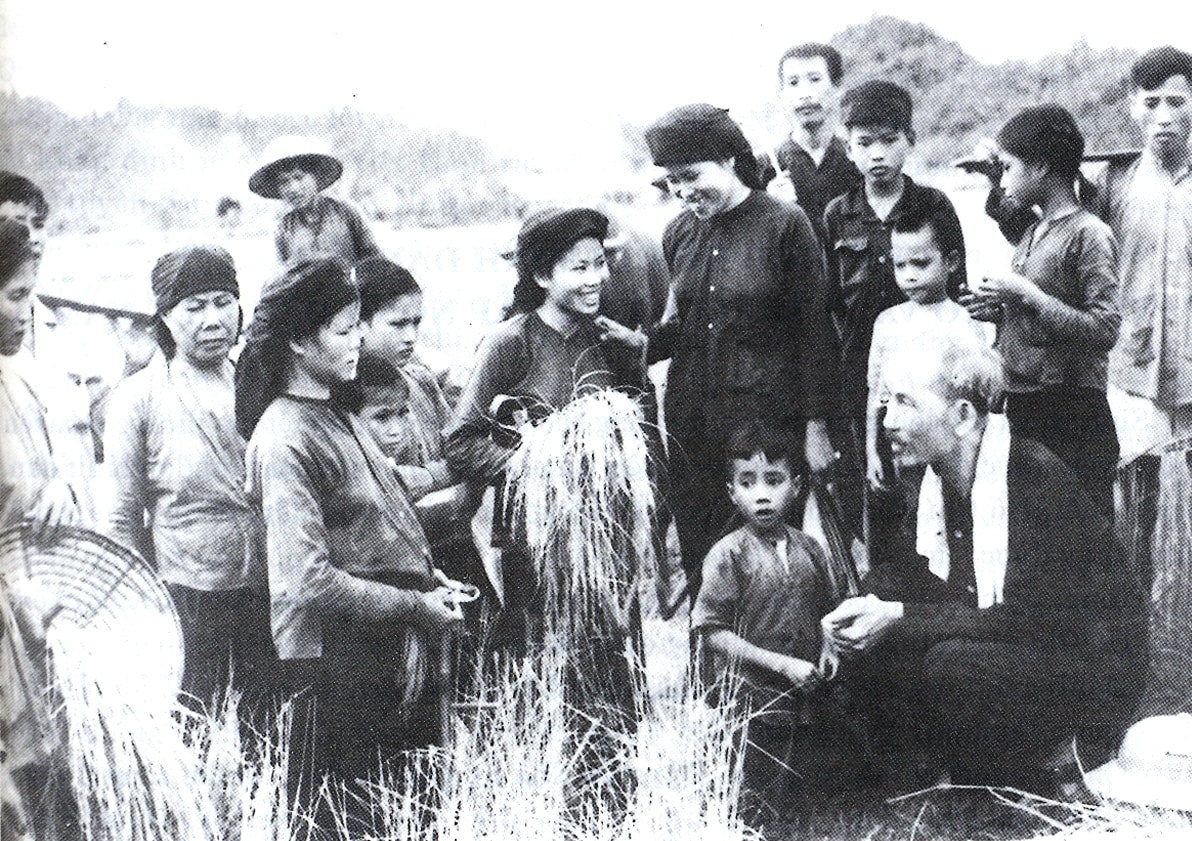
Referring to the close relationship between the Party and the people, right from the Third Party Congress (1960), our Party affirmed: "The strength of the people lies in having the Party as the vanguard leader; the invincible strength of the Party lies in its close connection with the broad masses."(7)The 13th National Congress of the Party placed the people at the center, as the subject in the national development strategy: "All policies and guidelines must truly stem from the demands, aspirations, legitimate rights and interests of the people; strengthen close ties with the people, rely on the people to build the Party, take the happiness and well-being of the people as the goal to strive for; consolidate and strengthen the people's trust in the Party, the State, and the socialist system."(8)The 13th National Congress of the Party clearly stated the importance of respecting and promoting the people's right to self-governance according to the motto "The people know, the people discuss, the people do, the people inspect, the people supervise, and the people benefit." At the same time, it emphasized the direction: "Leading the institutionalization of the Constitution regarding the fundamental rights and obligations of citizens to maximize the people's right to self-governance in the process of building, protecting, and developing the country. Researching and promulgating mechanisms for the people to participate in building the Party, building a clean and strong political system, and building a team of cadres. Actively urging, supervising, and inspecting the implementation of the Party's resolutions on mass mobilization work."(9).
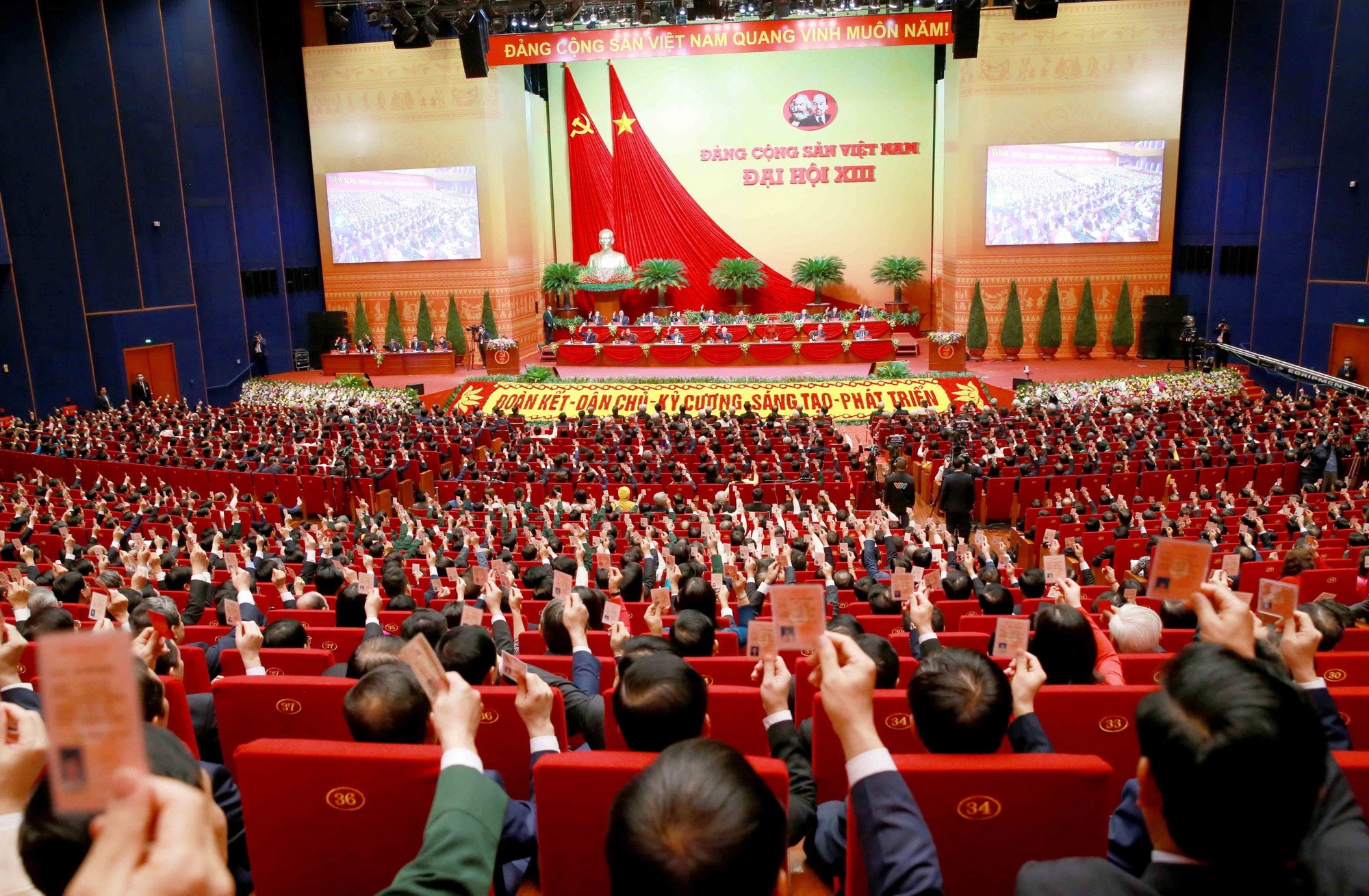
The relationship between the Party and the people is formed by the objective demands of the revolutionary cause. This is a very special relationship. The Party is both the leader and the ruler, and also the servant of the people, while the people, who voluntarily support and agree with the Party's leadership, are the masters of the country. The Party's strength lies in the close bond between the Party and the people.
Building on the tradition of patriotism, absorbing the theories of Marxism-Leninism and Ho Chi Minh Thought, the Communist Party of Vietnam has put forward the extremely correct viewpoint: "Revolution is the undertaking of the people, by the people, and for the people; the people are the masters, the people exercise mastery."(10)This viewpoint affirms the special position and importance of the close relationship between the Party and the people. It is precisely because of the profound and consistent understanding of this viewpoint that our Party has wisely led our people to defeat all invading enemies and achieve many great and historically significant accomplishments in the construction and development of the country.
Boichersituation andotSoriceiheri method chincubate yunmarketableu De teatngcUhuhngmoi quanhsystem mật thiunmarketableauthoriwomana DherngvOhiNhappypeople inkdepend onoriginalmOhi
The global, regional, and domestic contexts and situations are closely related and directly or indirectly impact the relationship between the Party and the people in the new era. The 13th Party Congress objectively and profoundly predicted the international, regional, and domestic situations that would affect the implementation of resolutions, including the relationship between the Party and the people.
The global situation continues to change rapidly, complexly, and unpredictably. Peace, cooperation, and development remain the dominant trends, but they face many new challenges. Strategic competition among major powers, local conflicts between some countries remain intense, protracted, and potentially complex, along with traditional and non-traditional security issues that directly and lastingly impact economic, trade, and investment activities, as well as political policies, social life, and the lives of people in many countries. The Fourth Industrial Revolution continues to develop strongly, profoundly impacting all fields and social strata worldwide. Science and technology have made unprecedented breakthroughs, contributing to success in areas such as artificial intelligence (AI), the Internet of Things (IoT), big data, cloud computing, blockchain technology, intelligent robots, and automation. The trends of green transformation, digital transformation, and energy transition are increasingly being promoted by many countries. The Asia-Pacific region continues to be a dynamic center of development, but also a key area of competition among major powers. Disputes over territorial sovereignty, seas, and islands continue to be complex. Challenges such as climate change, environmental degradation, resource depletion (including water resources), natural disasters, and epidemics impact people's lives daily and hourly.
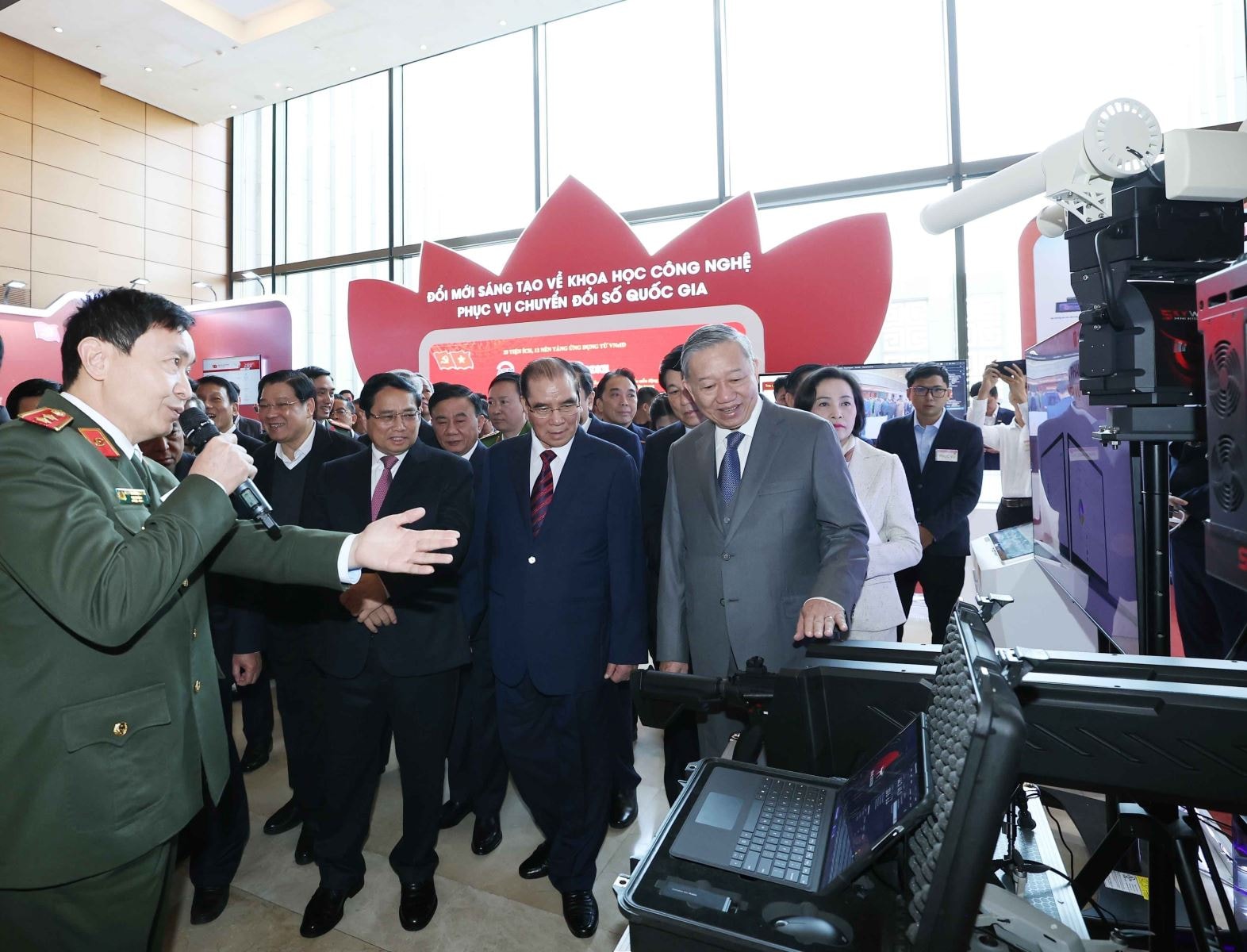
The domestic situation has many fundamental advantages. After nearly 40 years of the Party's leadership in implementing the reform process, the country has achieved many accomplishments and its international prestige has continuously improved. This result was affirmed by General Secretary To Lam in his article."Radiant Vietnam”“To date, Vietnam has become a developing country with a middle income, deeply and broadly integrated into world politics, the global economy, and human civilization. It undertakes many important international responsibilities and plays an active role in many international organizations and important multilateral forums. Independence, sovereignty, unity, and territorial integrity are maintained; national and ethnic interests are ensured. The size of the economy in 2024 reached over 470 billion USD, ranking 32nd in the world and among the top 20 economies in terms of trade and attracting foreign investment. The lives of the people have improved significantly, the poverty rate has decreased sharply, currently only 1.93% (according to the multidimensional standard) compared to 60% in 1986. The potential in politics, economics, culture, society, science and technology, national defense, and security is constantly being enhanced.”(11)The revolution to streamline the organizational structure of the political system and reorganize administrative units according to the two-tiered local government model has initially been implemented effectively.

However, the country still faces difficulties and challenges, as the Party has clearly stated: “Fundamental factors such as institutions, infrastructure, high-quality human resources, technology… are still low compared to the requirements for Vietnam to soon become a modern industrialized country… Social issues put great pressure on socio-economic development such as population aging, wealth inequality, and development levels. Natural disasters, epidemics, climate change, sea level rise, and saltwater intrusion are increasing rapidly with strong and unpredictable intensity,...”(12).
The above context and situation will directly or indirectly affect the thinking of all strata of the population, impacting the results and effectiveness of job creation, income improvement, poverty reduction, changes in the social labor structure, handling of environmental issues, sanitation, food safety, education, medical care for the people, ensuring political security, social order and safety, and combating the distortion of Vietnam's achievements in democracy, human rights, ethnicity, and religion, aiming to divide the close relationship between the Party and the people, and to divide the national unity.
The new era presents new, comprehensive requirements, tasks, and solutions to strengthen the close relationship between the Party and the people. The following key solutions need to be implemented in a coordinated manner:
Mot is,teatngcUhuhngSselfleader Dsir/ma'amocincubatea Dherng riddleivOhihsystemthomainrpoopand the whole communityhoi Debuilddselfng,cincubatengco vwomanng chắc moi quanhsystem mật thiunmarketableauthoriwomana DherngvOhinhappypeople.
The Party continues to lead the State in institutionalizing and concretizing the Party's views and guidelines on promoting the people's right to self-governance and strengthening the great national unity; first and foremost, policies to implement the mechanism of "Party leadership, State management, people's ownership" and the motto "The people know, the people discuss, the people do, the people inspect, the people supervise, and the people benefit." Plans and measures are in place to effectively disseminate and educate the people on legal matters, while continuing to effectively implement several enacted laws directly related to the people, such as the Labor Code, the Law on Referendums, the Law on Grassroots Democracy, the Law on Receiving Citizens, the Law on Complaints, and the Law on Denunciations… Regularly receiving citizens, engaging in dialogue with citizens, and promptly and lawfully resolving legitimate proposals and requests from citizens, preventing "hot spots," complex and prolonged mass complaints that disrupt security, order, and social safety…
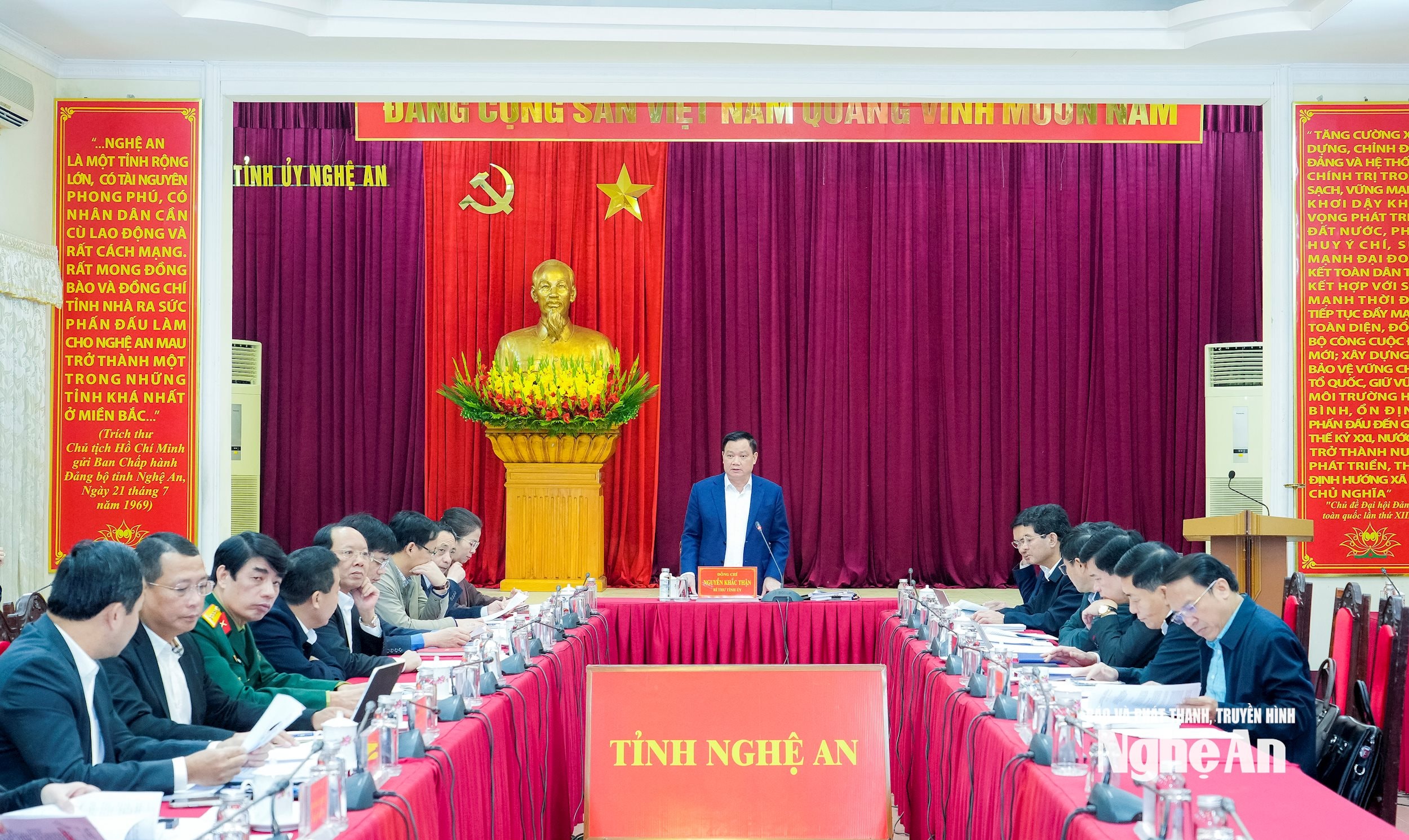
Party committees should strengthen leadership, inspection, and supervision of the implementation of Party resolutions, decisions, and regulations in Party building and rectification; especially regarding what Party members are not allowed to do, the responsibility of setting an example, adhering to the principle of democratic centralism, self-criticism and criticism, and building national unity, etc., in order to create a real transformation in the awareness, responsibility, and actions of cadres and Party members, especially key cadres and leaders, before the Party and the people. Through regular inspection and supervision, obstacles and difficulties in implementing the Party's policies and guidelines should be promptly identified and resolved at the grassroots level. Organizations and individuals who excel in their tasks should be promptly commended and rewarded, while those that fail to implement or implement Party resolutions, decisions, and regulations ineffectively should be criticized and disciplined.
Party committees should strengthen the education and training of cadres and Party members, especially key officials and leaders at all levels, to live exemplary lives, be responsible to the people, and "match words with actions" so that the people trust and follow them. In particular, they should continue to promote the implementation of "Studying and following the thoughts, ethics, and style of Ho Chi Minh," creating a transformation in cadres and Party members regarding their style of "being close to the grassroots," "being close to the masses," and "matching words with actions," leading to an upright lifestyle, dedication, responsibility in their work, and promptly and lawfully addressing the legitimate proposals and requests of the people.
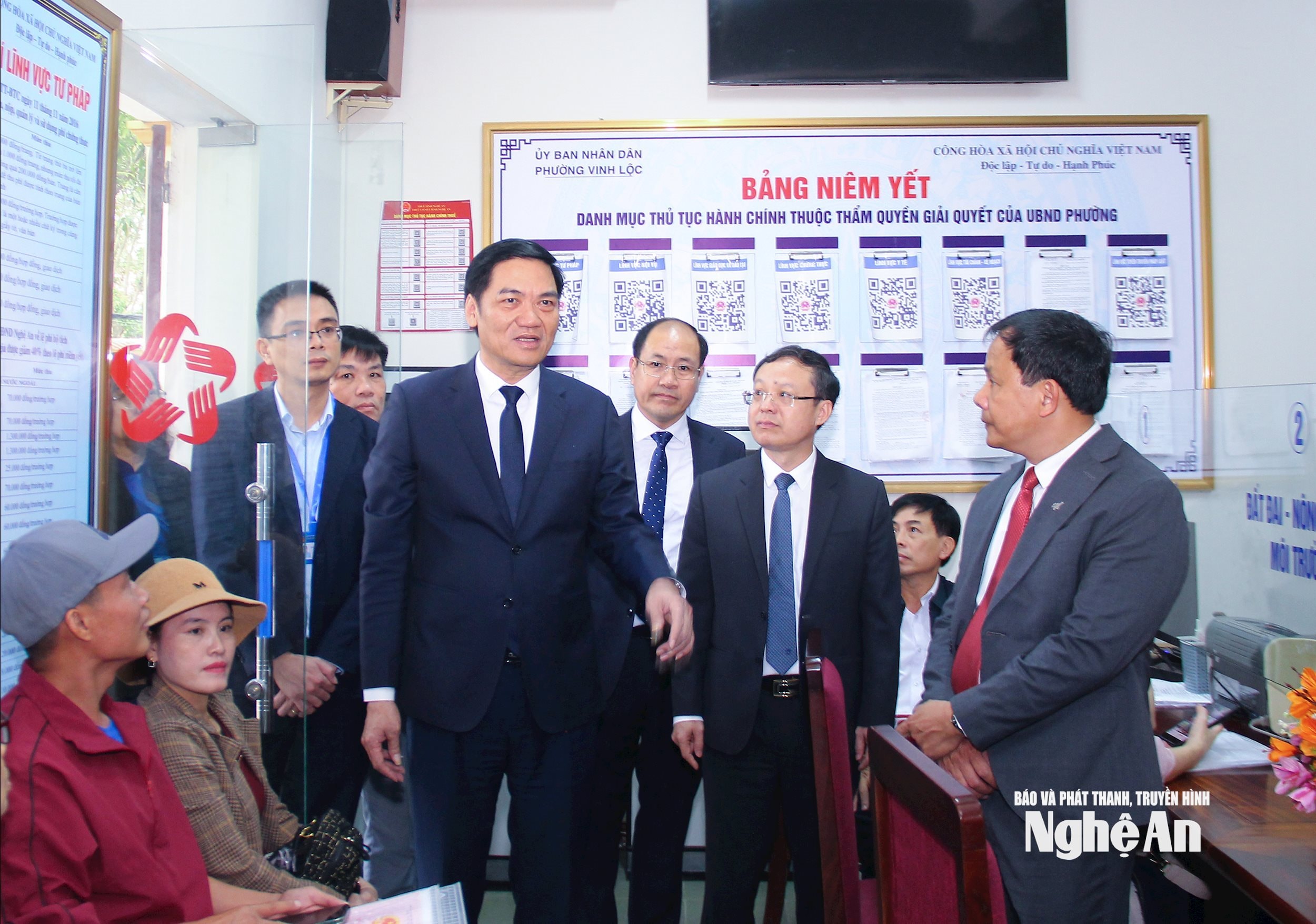
Continue to innovate the Party's leadership methods in mass mobilization work in accordance with socialist orientation and international integration. Based on close assessment and forecasting of the international and domestic situation, especially grasping issues of concern to the people and related to their legitimate rights and interests, the Party will correctly orient the groups of solutions for leading mass mobilization work. Pay attention to leading the building and strengthening of the organization, apparatus, and staff working in advising and directly implementing mass mobilization work; at the same time, lead the supplementation of Party documents and State laws to promote the role, activeness, and initiative of the Vietnam Fatherland Front and people's organizations in carrying out assigned tasks, especially in propaganda and mobilization of members, affiliates, and the people.
Secondly, teatngcUhuhworkuhern reason and DiètravelcincubateHey darlingnUhOhc in constructiondselfngmoi quanhsystem mật thiunmarketableauthoriwomana DherngvOhinhappypeople.
Institutionalize and concretize the Party's guidelines, policies, viewpoints, and resolutions on mass mobilization work in a timely manner into policies, legal documents, programs, projects, and plans for implementation. Continue to evaluate the institutionalization of the five viewpoints of the Party in Resolution No. 25-NQ/TW, dated June 3, 2013, of the 7th Plenum of the 11th Central Committee "On strengthening and renewing the Party's leadership over mass mobilization work in the new situation," the mechanism of "Party leadership, State management, people's ownership," and the motto "The people know, the people discuss, the people do, the people inspect, the people supervise, and the people benefit" for the entire population to implement. Concretize Resolution No. 19-NQ/TW, dated June 16, 2022, of the 5th Plenum of the 13th Central Committee "On agriculture, farmers, and rural areas until 2030, with a vision to 2045"; Resolution No. 20-NQ/TW, dated June 16, 2022, of the 5th Plenum of the 13th Central Committee "On continuing to innovate, develop and improve the effectiveness of the collective economy in the new period"; Resolution No. 43-NQ/TW, dated November 24, 2023, of the 8th Plenum of the 13th Central Committee "On continuing to promote the tradition and strength of national unity, building our country to be increasingly prosperous and happy"; Resolution No. 68-NQ/TW, dated May 4, 2025, of the Politburo "On developing the private economy";… require the State to continue institutionalizing these into policies and laws for the entire Party and people to implement.
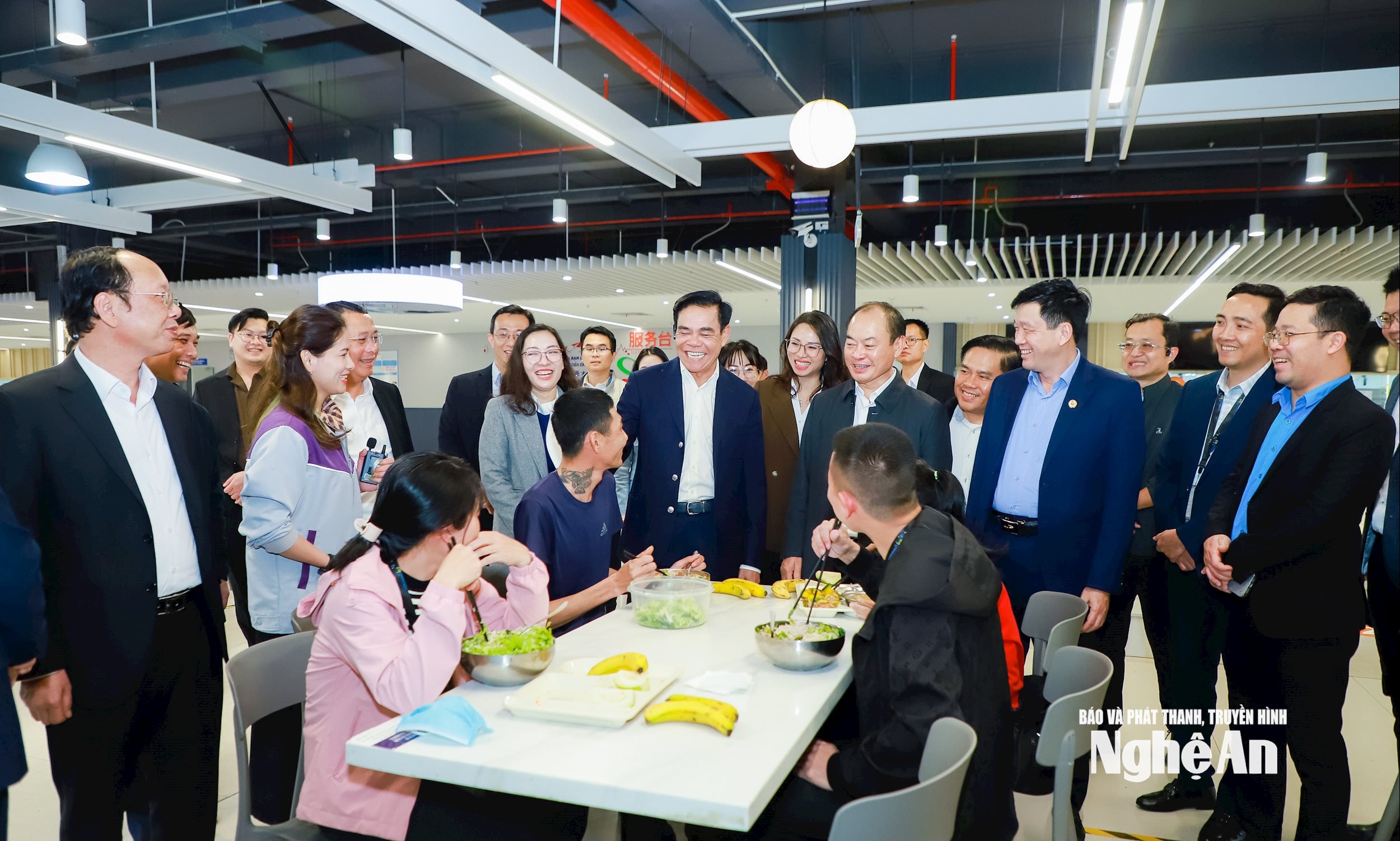
The government and authorities at all levels are mobilizing all resources to effectively direct and implement the policies and documents of the Party, the National Assembly, and the People's Councils. They are ensuring resources to improve the speed and quality of growth, promote rapid and sustainable socio-economic development, and strengthen national defense, security, and foreign relations. On this basis, they are continuously improving the material and spiritual lives of all segments of the population. This is the most important solution to consolidate and strengthen the close relationship between the Party and the people.
State agencies at all levels must continue to promote the people's right to self-governance and practice broad democracy, especially direct democracy. Promoting the people's right to self-governance creates social consensus, strengthens the great national unity, and mobilizes all resources from all strata of society to better implement the country's reform process. State agencies must promptly and lawfully address legitimate proposals and recommendations from citizens. However, the practice of democracy must always be linked to "the supremacy of law," upholding social discipline and order; resolutely combating the abuse of democratic freedoms and the distortion of democratic results aimed at undermining the Party, the State, and the great national unity.
Since the beginning of 2025, the Central Committee of the Party, the Politburo, the Secretariat, and General Secretary To Lam have paid close attention to leading the streamlining of the political system's organizational structure, reducing intermediate levels, ensuring effective social management, fostering development, and serving the people. In particular, from July 1, 2025, the two-tiered local government model will officially operate nationwide. Based on this, it is necessary to continue streamlining and consolidating the political system's organizational structure to be more efficient and effective, coupled with promoting administrative reform, building a digital government, resolving issues related to the people quickly and efficiently, and implementing grassroots democracy as stipulated by law. Economic development must be linked with ensuring social security, protecting the environment, and maintaining sustainable ecosystems...
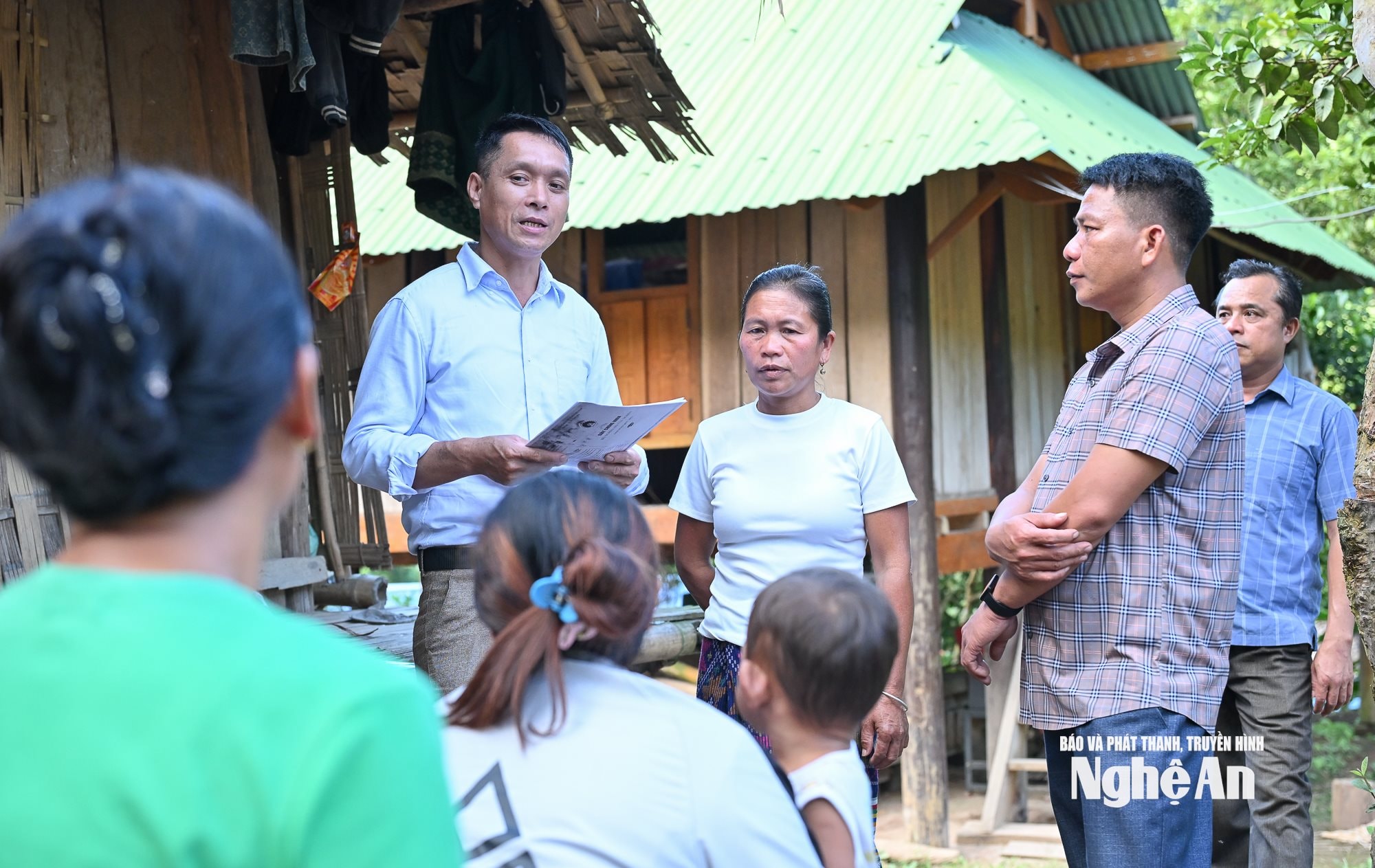
Rely on the people to build a clean and strong Party, government, and political system. Promote the people's right to self-governance, respect their opinions, initiatives, and contributions before and during the implementation of policies, laws, and regulations. Continue to supplement mechanisms for the people to participate in monitoring the implementation of major projects and programs closely related to their lives and jobs. Create conditions for the people to participate in monitoring and providing feedback to officials and Party members, especially in the fight against corruption, waste, and negative practices, and in practicing thrift.
Thchokingthree,teatngcUhuhresponsibilityisystemmcincubateaMattrậnTsocket nouoc VisystemVietnam and others Dcompletehepeople in constructiondselfngmoi quanhsystem mật thiunmarketableauthoriwomana DherngvOhinhappypeople.
The Vietnam Fatherland Front and people's organizations continue to innovate the content and methods of their activities. In the new era, the Vietnam Fatherland Front and its member organizations are required to operate according to new models and the policies, directives, and conclusions of the Central Committee, the Politburo, and the Secretariat that have recently been issued, such as: Directive No. 48-CT/TW, dated June 24, 2025, of the Central Committee "On leading the Congress of Delegates of the Vietnam Fatherland Front and political and social organizations at all levels towards the National Congress of Delegates of the Vietnam Fatherland Front for the 2026-2031 term"; Decision No. 301-QD/TW, dated June 9, 2025, of the Secretariat of the Central Committee, “Regulations on the functions, tasks, and organizational structure of the Vietnam Fatherland Front Committee at the provincial and commune levels”;... People's organizations continue to effectively fulfill their role as representatives protecting the legitimate rights and interests of their members. Focus on grassroots levels, diversify forms of mobilization and gathering of all strata of the people in accordance with the level of education and specific characteristics of each region, locality, etc. Strengthen the dissemination of information on resolutions, decisions, and regulations of the Central Committee, the Politburo, and the Secretariat related to the people, while effectively performing the functions of social supervision and criticism; participate in building a clean and strong Party and government. Organizing and motivating union members, association members, and citizens to participate in patriotic emulation movements and campaigns, mobilizing all resources for socio-economic development, thereby contributing to improving the material and spiritual lives of the people,...
.jpg)
Building a team of cadres for the Vietnam Fatherland Front and other political and social organizations that meets the requirements and tasks, creating a team of cadres with a style of "being close to the people, understanding the people, learning from the people, respecting the people, and being responsible to the people"; "listening to what the people say, speaking in a way the people understand, and acting in a way the people trust" and truly being "servants of the people". Strengthening and improving the qualifications of cadres working in mass mobilization in terms of political theory, grasping practical situations, professional skills, and skills in gathering and mobilizing the masses, meeting the requirements of the new organizational structure when implementing the revolution of streamlining the political system's organizational structure to operate effectively and efficiently under the leadership of the Party. Cadres in charge of mass mobilization must grasp public opinion, synthesize issues of concern to the people, related to the legitimate rights and interests of the people, especially legitimate proposals and recommendations from the people, in order to advise Party committees and authorities on timely handling and resolution, absolutely preventing complex complaints or "hot spots" from occurring.
After reorganizing and consolidating the apparatus of the Vietnam Fatherland Front and other political and social organizations according to the new model, it is necessary to create high consensus and build close coordination relationships to best fulfill political tasks in the new era.

Thchoking tUh,teatngcUhuhresponsibilityisystemmcincubateanhappypeoplevèbuilddselfngmoi quanhsystem mật thiunmarketableauthoriwomananhappypeoplevOhi Dherng.
To best exercise their right to self-governance, citizens regularly contribute their opinions to the Party's leadership and the State's management in a constructive spirit, for the benefit of the nation.
First and foremost, citizens and voters have the responsibility to contribute their opinions to the Party and the State on policies, laws, and regulations before their official promulgation; to regularly participate in providing feedback on the activities of the National Assembly, People's Councils, People's Committees, and elected representatives they have elected; to contribute opinions on major programs, plans, and projects related to people's lives; and to participate in monitoring the implementation of plans and projects, as well as monitoring the character, ethics, and lifestyle of officials and Party members according to the regulations of the Party and the State.
Strictly adhering to and implementing the State's policies and laws, and fulfilling civic duties, is demonstrated in every specific activity and action, such as participating in traffic, protecting the environment, ensuring security and order, preventing and combating fires and explosions, etc. All citizens are equal before the law. In addition to voluntarily complying, each citizen also has the responsibility to promote and encourage family members and the community to do the same; participate in managing security and order, building a new, civilized lifestyle in the residential area; and implement community regulations and conventions for the common good.

Strengthening civic responsibility and obligations in labor, production development, and business activities to improve the material and spiritual lives of families and communities, and contributing to the state budget. Rapid and sustainable socio-economic development depends on the efforts and contributions of the people through the production and business activities of enterprises, cooperatives, households, etc.
With the Party's efforts to streamline and perfect the organizational structure of the political system to be "lean, strong, efficient, effective, and effective," every citizen, agency, and organization must uphold their responsibility to support, contribute to, and build a clean and strong Party and State.
(1) VI Lenin: Complete Works, National Political Publishing House - Truth, Hanoi, 2005, vol. 35, p. 64.
(2) VI Lenin: Complete Works, op. cit., vol. 44, p. 426.
(3) Ho Chi Minh: Complete Works, National Political Publishing House - Truth, Hanoi, 2011, vol. 10, p. 453.
(4) Ho Chi Minh: Complete Works, op. cit., vol. 5, p. 326.
(5) Ho Chi Minh: Complete Works, op. cit., vol. 12, p. 634.
(6) Ho Chi Minh: Complete Works, op. cit., vol. 3, p. 168.
(7) Complete Party Documents, National Political Publishing House, Hanoi, 2002, vol. 21, p. 695.
(8) Documents of the 13th National Congress of Delegates, National Political Publishing House, Hanoi, 2021, Vol. I, pp. 96 - 97.
(9) Documents of the 13th National Congress of Delegates, op. cit., vol. II, p. 249.
(10) Resolution No. 25-NQ/TW, dated June 3, 2013, of the 7th Central Committee Meeting of the 11th Party Congress "On strengthening and renewing the Party's leadership over mass mobilization work in the new situation".
(11) Prof. Dr. To Lam: Radiant Vietnam, Communist Magazine, No. 1055 (February 2025), pp. 5 - 6.
(12) Documents of the 13th National Congress of Delegates, op. cit., vol. II, pp. 92-93.


