
Accelerate the completion of the national land database from April to December 2026.
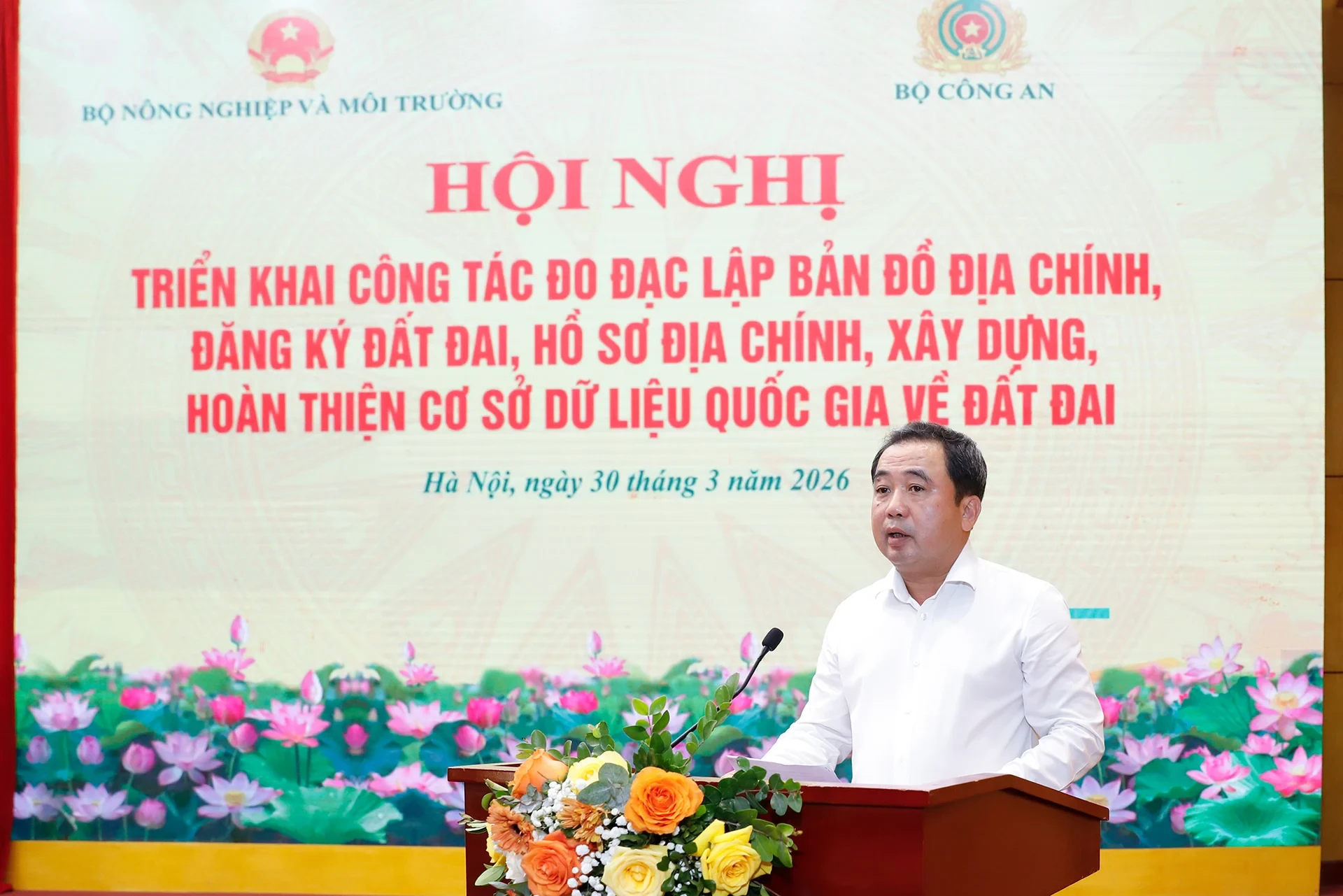
On the afternoon of March 30th, the Ministry of Agriculture and Environment, in coordination with the Ministry of Public Security, organized a conference to implement the work of surveying, mapping, land registration, building land records, and completing the national land database.
The conference was held in person at the headquarters of the Ministry of Agriculture and Environment, combined with online participation from provinces, cities, and communes nationwide.
Attending the conference were Comrade Tran Duc Thang - Member of the Political Bureau, Minister of Agriculture and Environment; and members of the Central Committee of the Party: Lieutenant General Nguyen Van Long - Deputy Minister of Public Security; and Trinh Viet Hung - Permanent Deputy Minister of Agriculture and Environment.
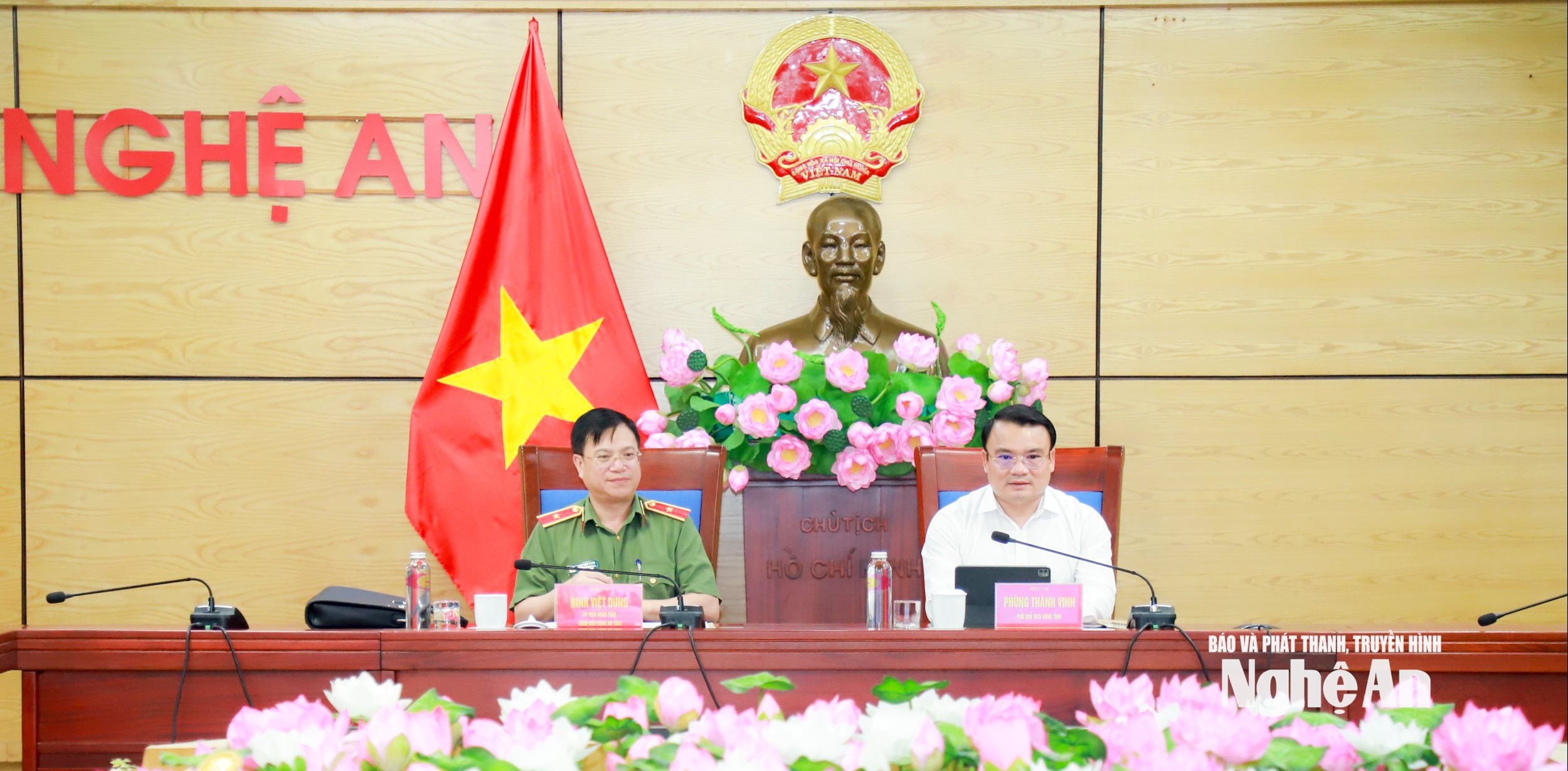
The national land information system will be completed by 2026.
The conference aimed to implement the plan of the Ministry of Agriculture and Environment and the Ministry of Public Security to strengthen and promote the work of surveying, mapping, and compiling cadastral records, and completing the national land database nationwide.
The plan will be implemented over a period of 9 months (April 1, 2026 - December 31, 2026), with synchronized deployment from the central government to the local level, down to the commune, village, hamlet, and residential group levels.
Accordingly, localities will focus on surveying, mapping, registering land, and building databases for approximately 45 million land parcels that have not yet been digitized, in order to bring them under management, exploitation, and use.
In addition, we will continue to improve, maintain, update, and effectively utilize the land database that was built during the "90-day campaign" to enrich and clean up national land data, implemented from September 1st to November 30th, 2025.
Specifically, for approximately 24 million land parcels standardized according to the criteria of "correct - complete - clean - livable," the management method will gradually shift from manual to digital, ensuring real-time updates of changes and data reuse in resolving administrative procedures.
As for the approximately 37 million land parcels already in the database, the plan requires continued refinement, matching, and supplementation of information to ensure the criteria of "accurate - complete - clean - viable," while also fully standardizing the three data groups: spatial data, attribute data, and unstructured data.
In his opening remarks at the conference, Minister of Agriculture and Environment Tran Duc Thang highly appreciated the results of the "90-day campaign" with the motto "accurate, sufficient, clean, living, unified, and shared," creating an important foundation for building a national land database.
The Minister emphasized that the implementation of land surveying, cadastral mapping, land registration, and the completion of the land database is a key political task in the national digital transformation process, especially in the field of land management.
The goal for 2026 is to complete the construction of a centralized, unified, synchronized, multi-purpose national land information system for approximately 106 million land parcels nationwide, ensuring real-time operation.
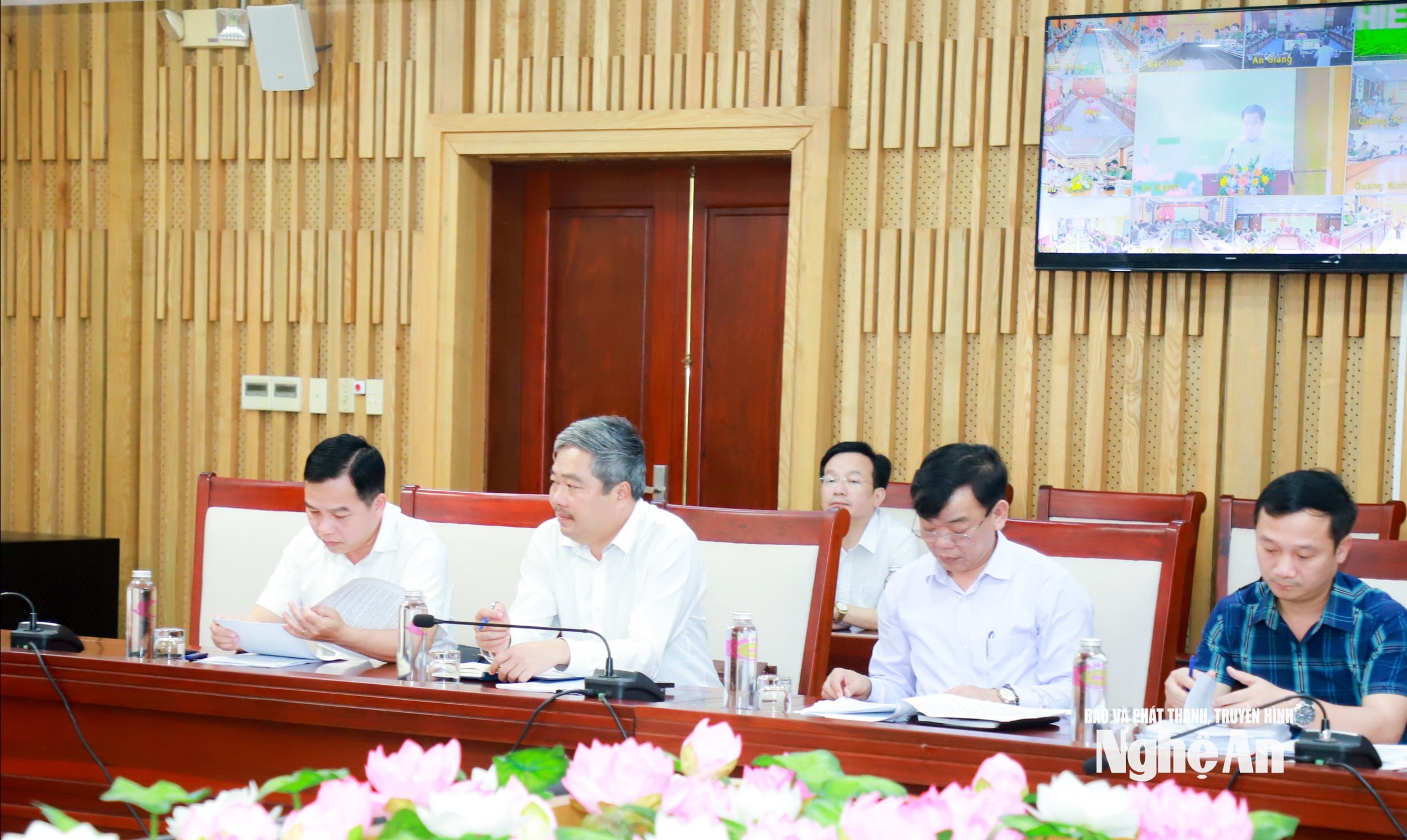
To achieve this goal, delegates at the conference focused on discussing and clarifying the remaining workload in localities; proposing technical and organizational solutions for implementation; mobilizing human resources, financial resources, and the participation of businesses; and ensuring the security and safety of the system during simultaneous deployment, without disrupting or hindering the handling of administrative procedures for citizens and businesses.
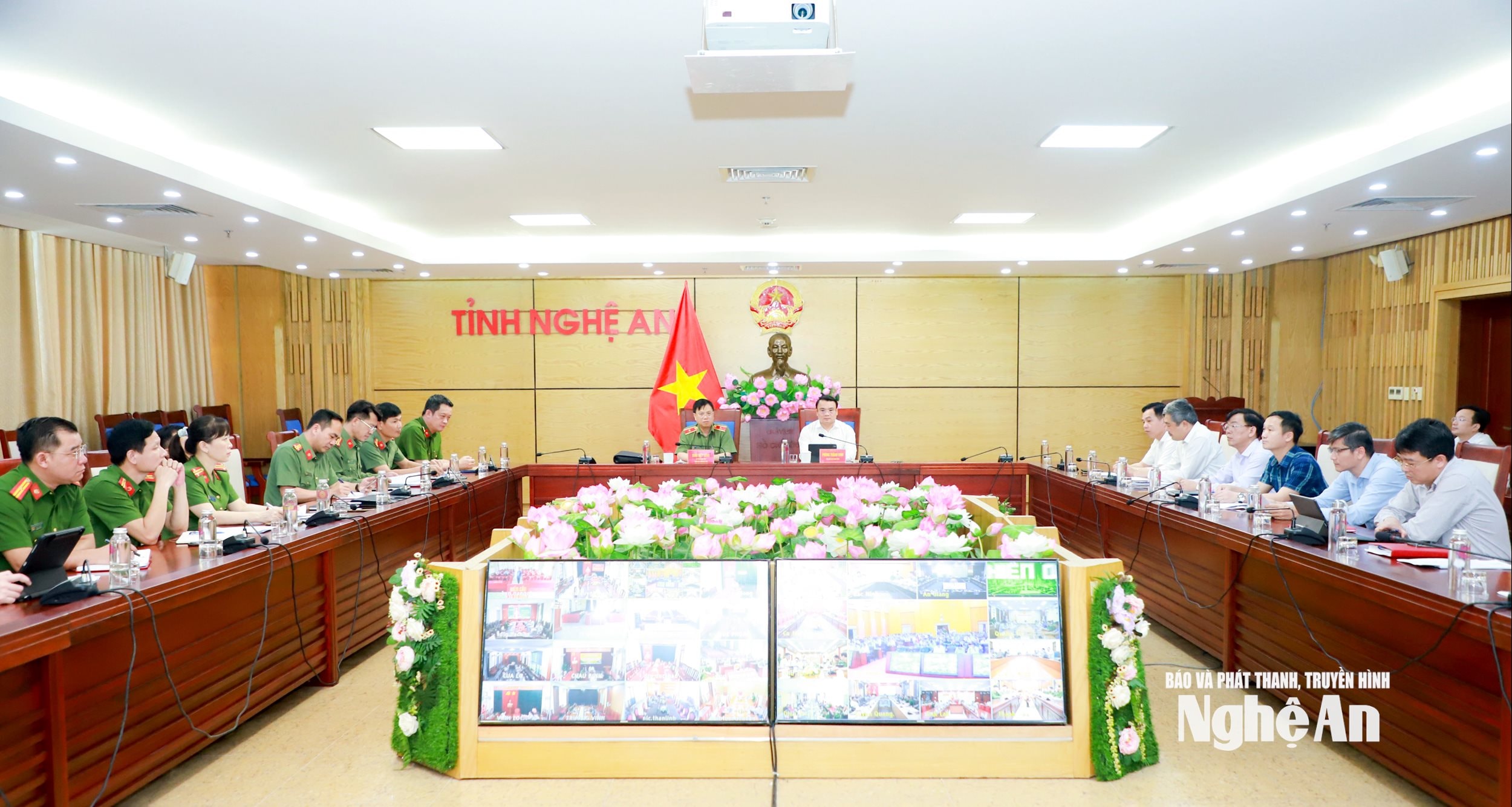
In Nghe An province, implementing a campaign to enrich and clean up land data, the province has focused resources on decisive implementation, thereby increasing the percentage of land parcels meeting the criteria of "correct - complete - clean - viable" to 574,028 parcels, accounting for 49% of the total number of land parcels with data, higher than the national average of 37%.
Currently, the province is continuing to prepare technical designs and cost estimates for the construction of a land database for the remaining 62 communes.
Develop a detailed plan and assign specific responsibilities.
In his concluding remarks at the conference, to achieve the planned objectives, the Permanent Deputy Minister of Agriculture and Environment, Trinh Viet Hung, requested that ministries, sectors, and localities focus on accelerating the progress of land surveying and mapping associated with land registration and completing land cadastral records.
Based on the review, it is necessary to clearly identify areas that have not been surveyed, lack records, and are data "blank zones" in order to develop a detailed plan, assign specific responsibilities, and ensure completion by 2026.
Local authorities should prioritize implementation in areas with high urbanization rates, economic development zones, border areas, islands, and areas with ongoing disputes and complaints. The approach must be flexible, following the principle of "doing the easy things first, the difficult things later," but ensuring overall progress.
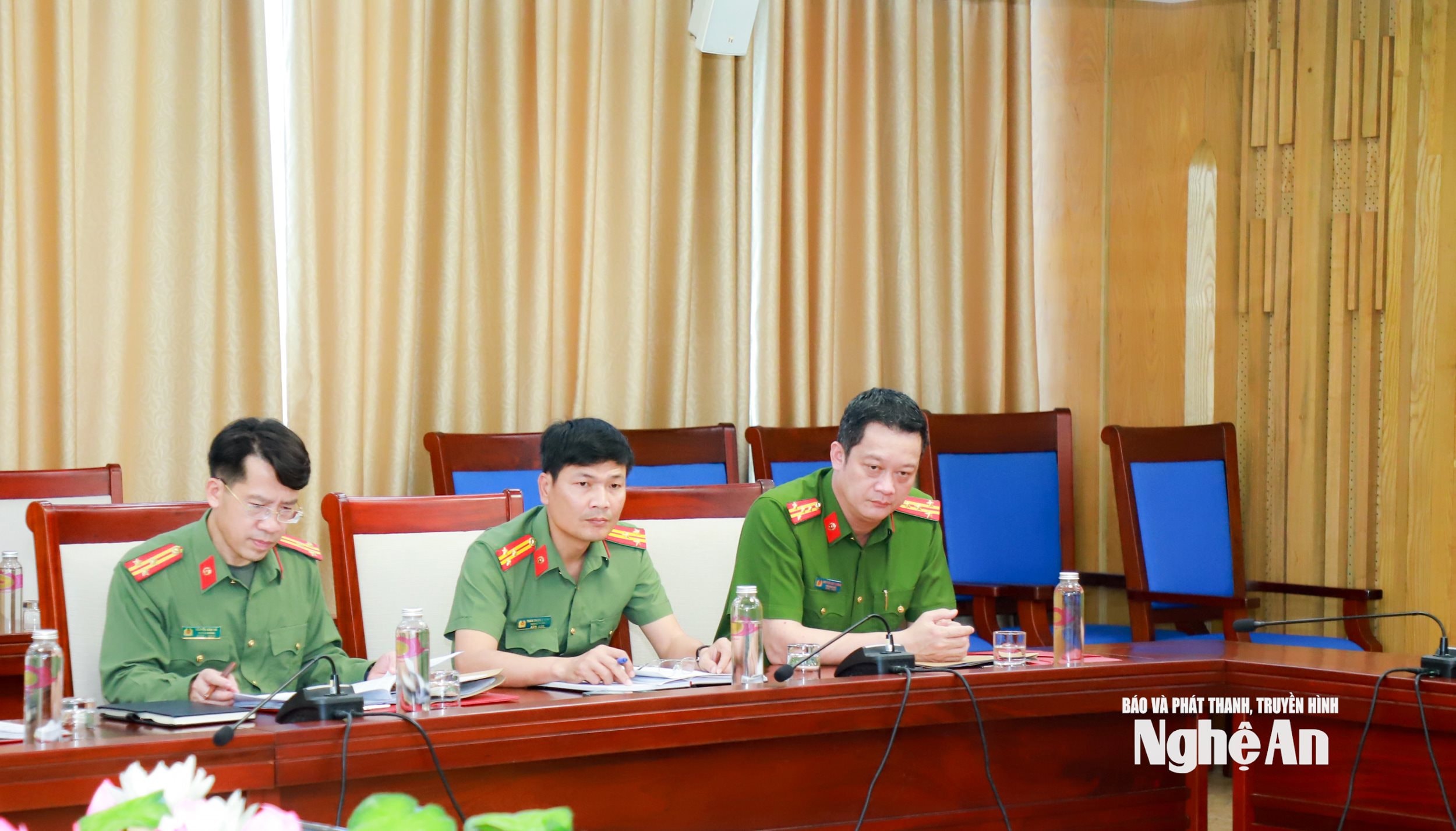
The Permanent Deputy Minister of Agriculture and Environment also emphasized that the data, once compiled, must be immediately put into operation, updated regularly, continuously, and synchronously in real time.
At the same time, it is necessary to review, match, and verify land user information with the national population database; supplement historical data and complete missing information to ensure that the land data system is "accurate, complete, clean, and up-to-date".
Cases involving discrepancies, unidentified landowners, or incomplete legal documentation must be resolved definitively.
In addition, he also suggested focusing on improving technological infrastructure, ensuring data safety and security; promoting connectivity, sharing, and effective exploitation of databases, aiming to best serve citizens and businesses.
Deputy Minister Trinh Viet Hung also requested enhanced coordination among ministries and agencies; in which the Ministry of Natural Resources and Environment plays the leading role in guiding, inspecting, monitoring, and compiling progress; the Ministry of Public Security directs local police forces to coordinate implementation; and the Ministry of Finance ensures resources.
The Ministry of Science and Technology provides support in terms of standards and technology. The People's Committees of provinces and cities are directly responsible to the Prime Minister for the progress and quality of building land databases in their localities.


