
Making Nghe An's mark in the digital space.
The digital space is expanding the possibilities for bringing images of Nghe An to the public. But there is still a gap between "being seen" and "being remembered." The challenge is not just about appearing more often, but about telling the story of Nghe An in a way that is compelling and consistent enough that a single view can lead to a desire to learn more, experience, and choose Nghe An.
When heritage finds its audience on digital platforms.
During the month of August, the folk songs of Ví and Giặm are not only present on stage. Images of the contestants in the 2026 "Searching for Nghệ Tĩnh Folk Song Talent" competition appear continuously through articles, photos, videos, contestant introductions, performances, and behind-the-scenes stories. Even after a performance ends on stage, it continues to seek new viewers on Facebook, TikTok, and YouTube.
From the preliminary rounds, the digital element was incorporated into the competition as contestants submitted videos of their singing voices for the judges to evaluate. The competition also developed its own unique brand identity featuring lotus petals, the Lam River, a boat, and the call-and-response style of folk singing, creating visual consistency throughout the communication process.
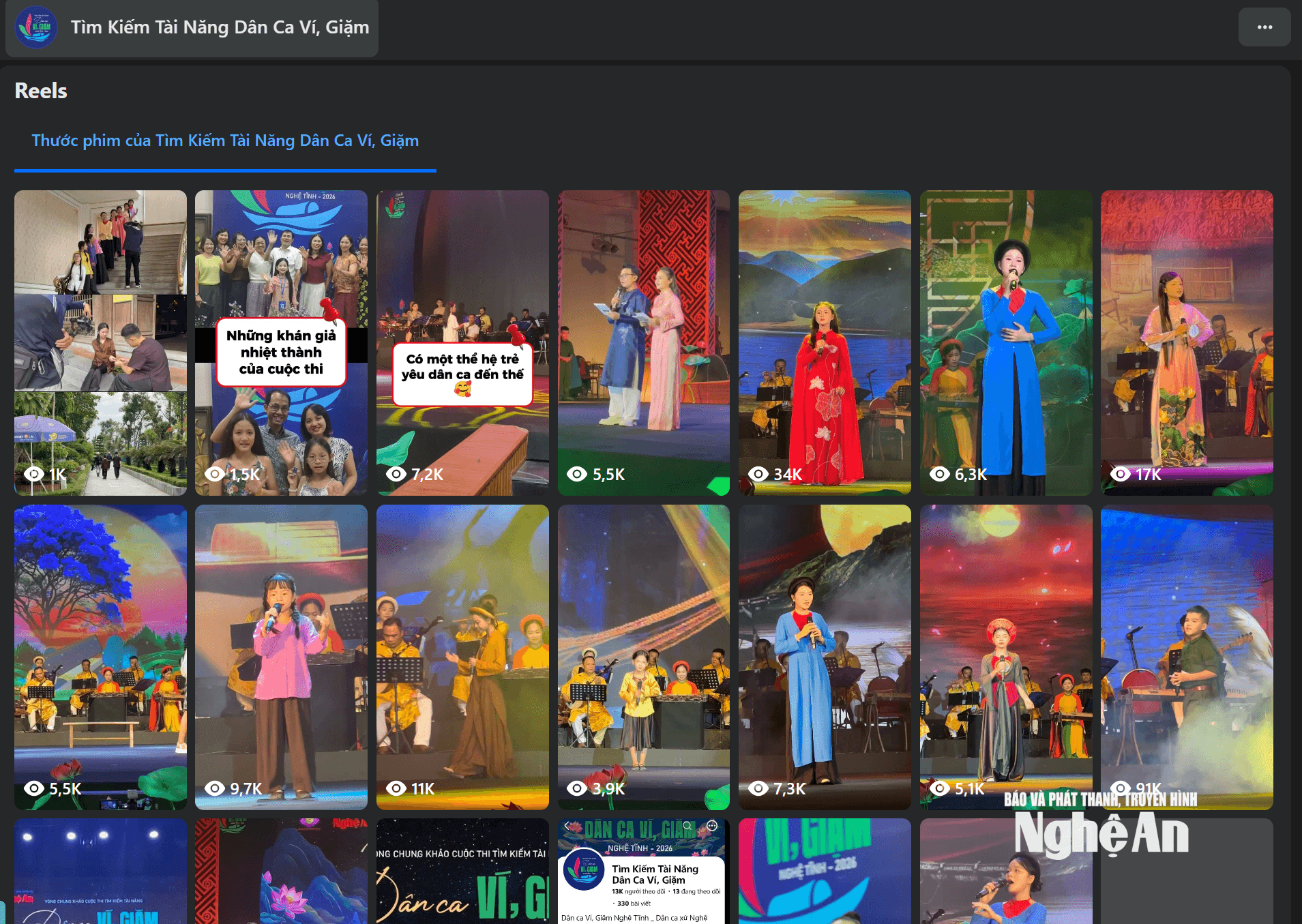
What's noteworthy is not just bringing a traditional competition to an online environment. The way the content is organized has created more "touchpoints" between heritage and the public.
Viewers can get to know the contestants before the show, watch their performances, comment, share, and then relive performance clips on other platforms. The final round continues to be broadcast live on digital platforms, taking the competition beyond the confines of the studio.
This approach is also evident in many other cultural activities.
In the "Exploring Nghe An's Cultural Heritage 2025" competition for junior high school students in Yen Thanh, students created videos introducing their hometown's heritage, posted them on social media, and used likes and shares as part of the competition content. Instead of just receiving knowledge, students became direct storytellers about their hometown.
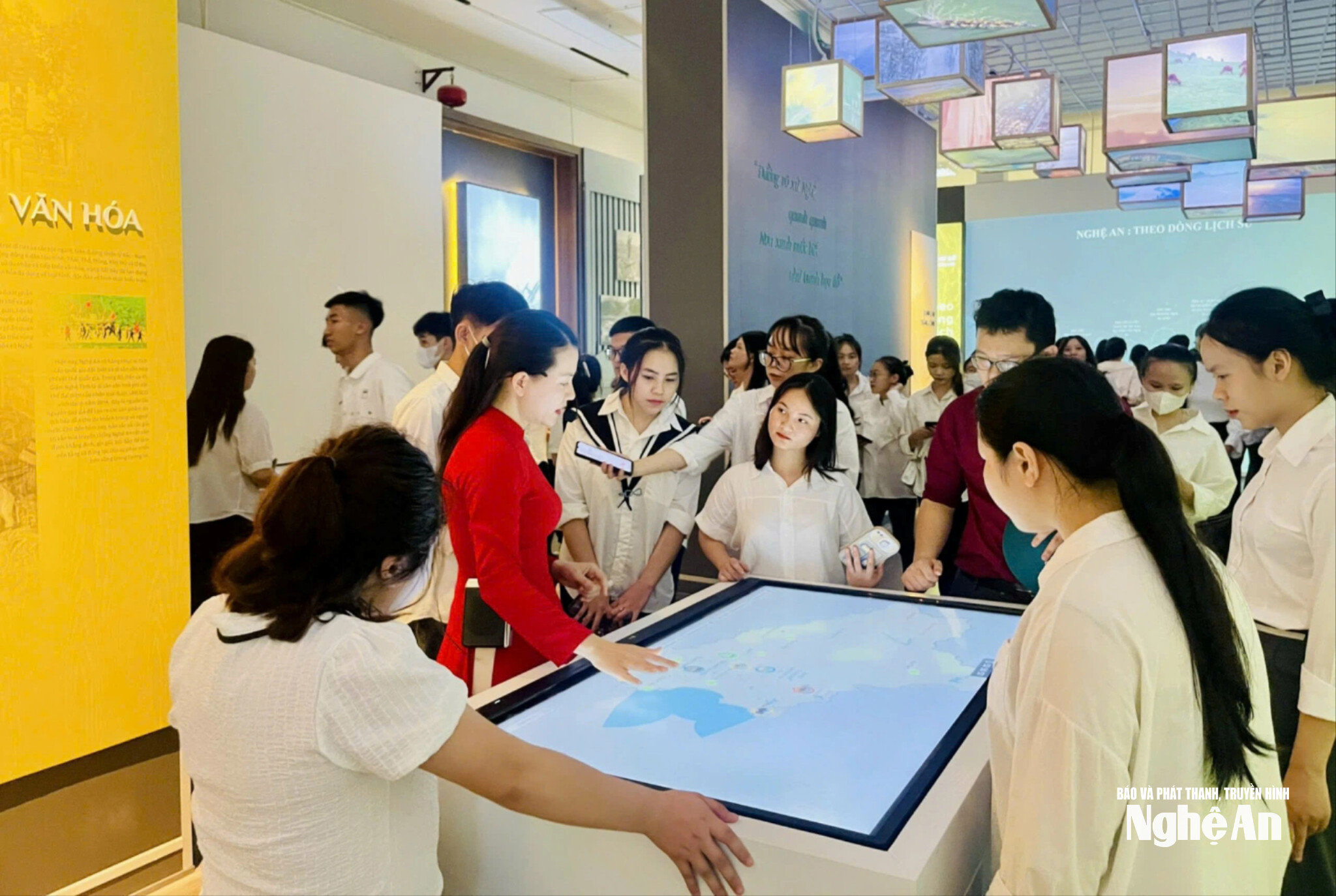
At the Nghe An – Soviet Nghe Tinh Museum, digital media also demonstrated its ability to translate on-screen interest into real-life action.
According to Ms. Phan Thi Ha Long, Deputy Director of the Museum, after information and registration links for experiential programs such as "Flowers of the Land," "A Date with the Moon," and "The Flavors of the Highlands" were posted on the fanpage, hundreds of people registered in a short period of time.
The effectiveness of digital communication, therefore, doesn't necessarily lie solely in large view counts. More importantly, it's about the ability to move the audience from seeing online content to engaging in a specific activity.
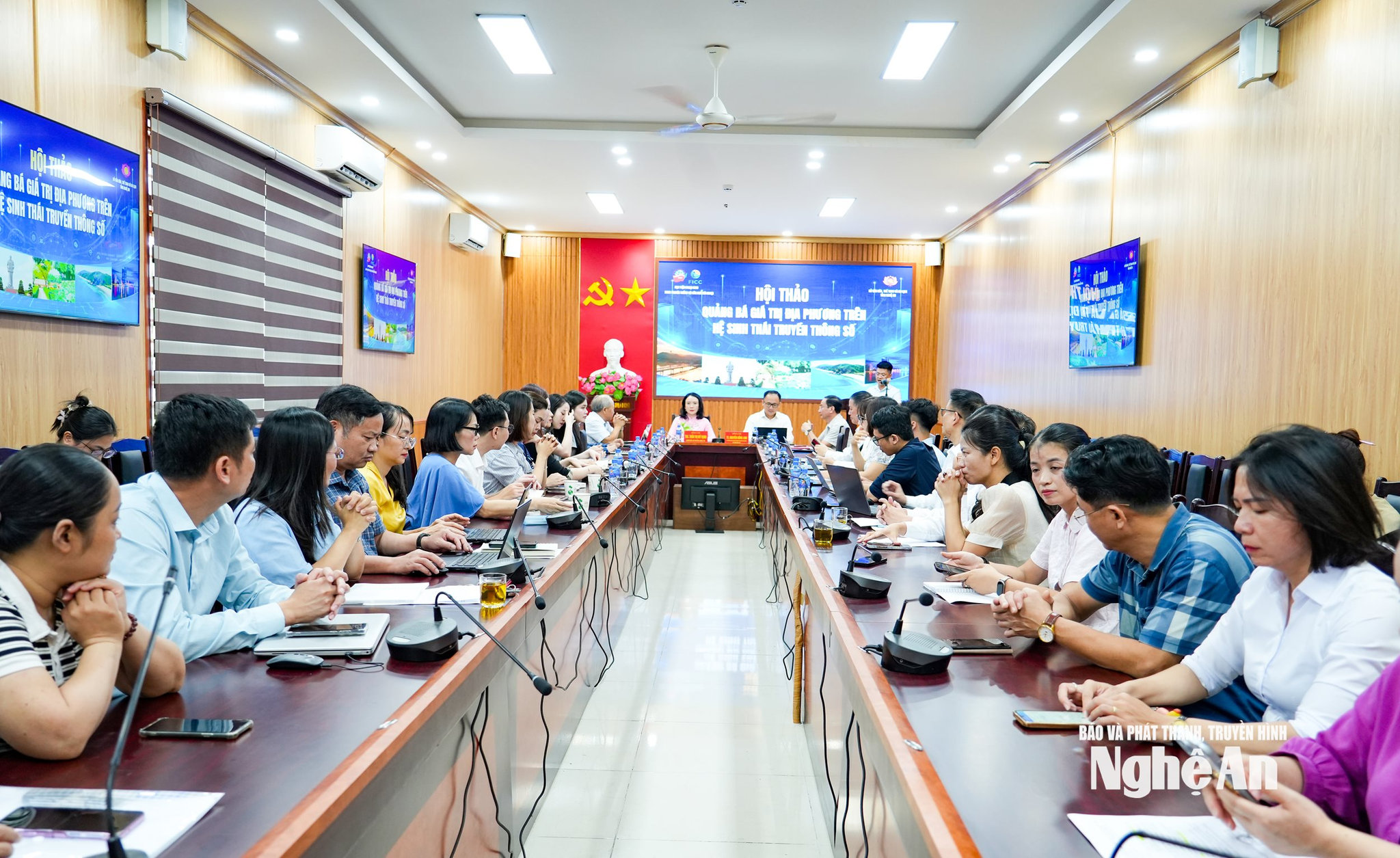
According to the report atScientific workshop "Promoting local values in the digital media ecosystem"Organized by the Nghe An Department of Culture, Sports and Tourism in collaboration with the Diplomatic Academy on August 14th, these two media campaigns garnered millions of views, mostly from accounts that had not previously followed the page.
From folk singing competitions and museum activities to major events, the digital space is helping the cultural values and destinations of Nghe An transcend local boundaries and reach new audiences.
Communication methods are also gradually shifting from simply providing information to creating content for the public to view, interact with, share, and participate in.
From "being seen" to "being chosen"
Views, likes, and shares are the most visible numbers after any media campaign. But a video with a million views doesn't necessarily mean that many people will remember Nghe An, and it certainly won't make them want to learn more about or choose it as a destination.
Nghe An has a wealth of material to tell: the birthplace of President Ho Chi Minh, the folk songs of the Vi and Giam ethnic groups, Cua Lo and Pu Mat beaches, the culture of the Mekong Delta, revolutionary relics, traditional crafts, cuisine, and the people of Nghe An. The issue is not a lack of stories, but whether those stories can be connected to form a sufficiently clear and distinctive image of Nghe An.
After reviewing several tourism promotional videos about Sen Village and Nghe An specialties on social media, Dr. Ta Bich Loan, a lecturer in the Department of Communication and Foreign Cultural Relations at the Diplomatic Academy of Vietnam, commented that many products have successfully exploited emotions, used impressive imagery, and had a rhythm that resonates with young people. However, some content still lacks a clear message, leaning more towards data and narration rather than characters and experiences; and the visual identity across products is not consistent.
.jpg)
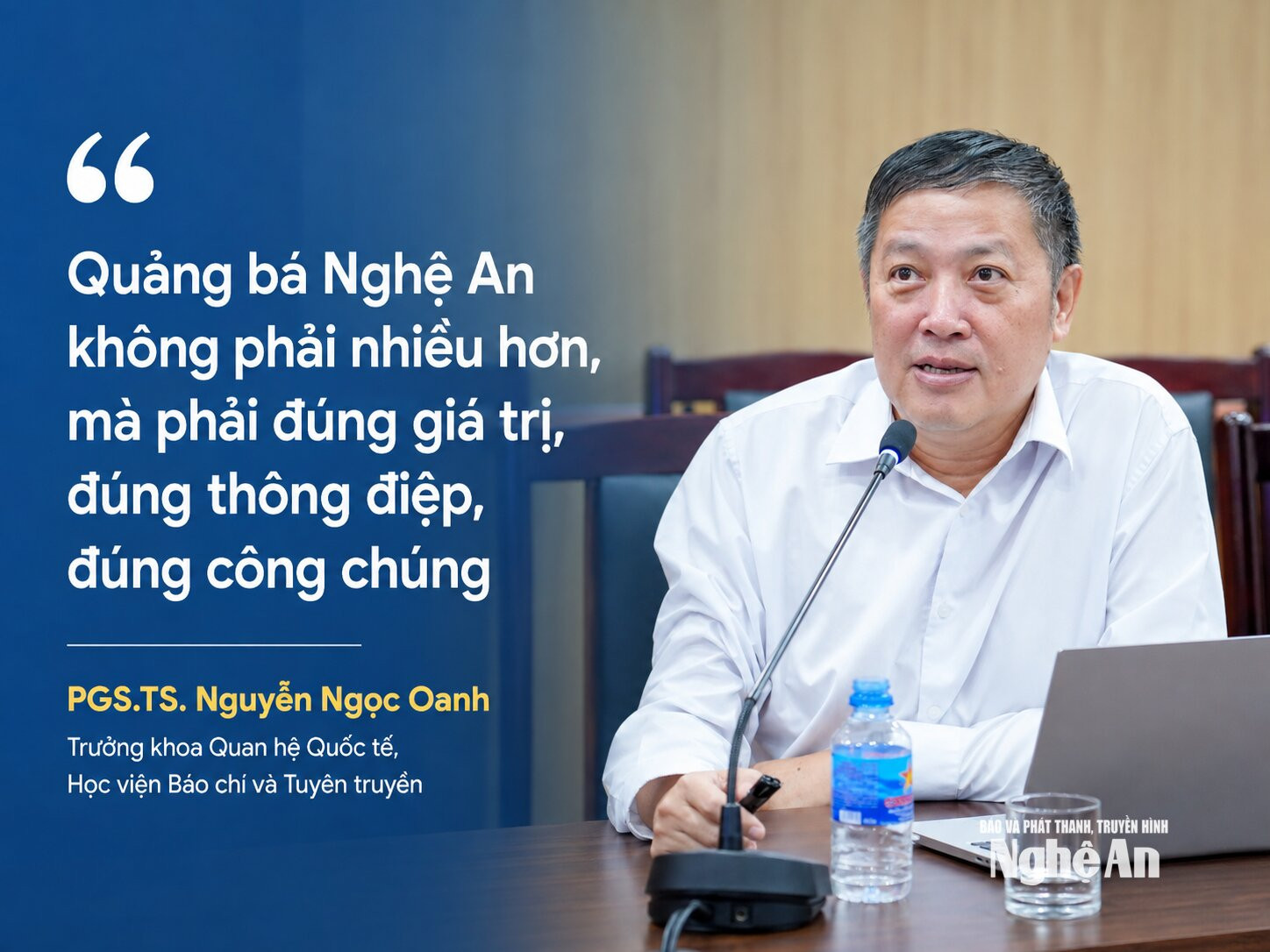
According to Associate Professor Dr. Nguyen Ngoc Oanh - Head of the Department of International Relations, Academy of Journalism and Communication, the challenge is not about promoting Nghe An more, but about promoting it strategically: with the right values, the right message, the right channels, the right audience, and in a measurable way. For international audiences, the content also needs to be tailored to each market and create a pathway from awareness to learning, experiencing, and choosing.
Therefore, the crucial question is not just how to get a video viewed more, but what Nghe An wants the public to remember. History enthusiasts might start with President Ho Chi Minh's birthplace; those who enjoy cultural experiences might explore folk songs, cuisine, and traditional crafts; and nature lovers might be interested in Pu Mat and the Mekong Delta. The same region can be told in many ways, catering to different interests.
However, many narratives still need to have commonalities. Dr. Tran Thu Thuy, a lecturer at the Diplomatic Academy, argues that local media needs to move from "being known" to "being remembered" and "being chosen." If images of history, culture, nature, and people appear disjointedly, the public will find it difficult to recognize what makes Nghe An unique.
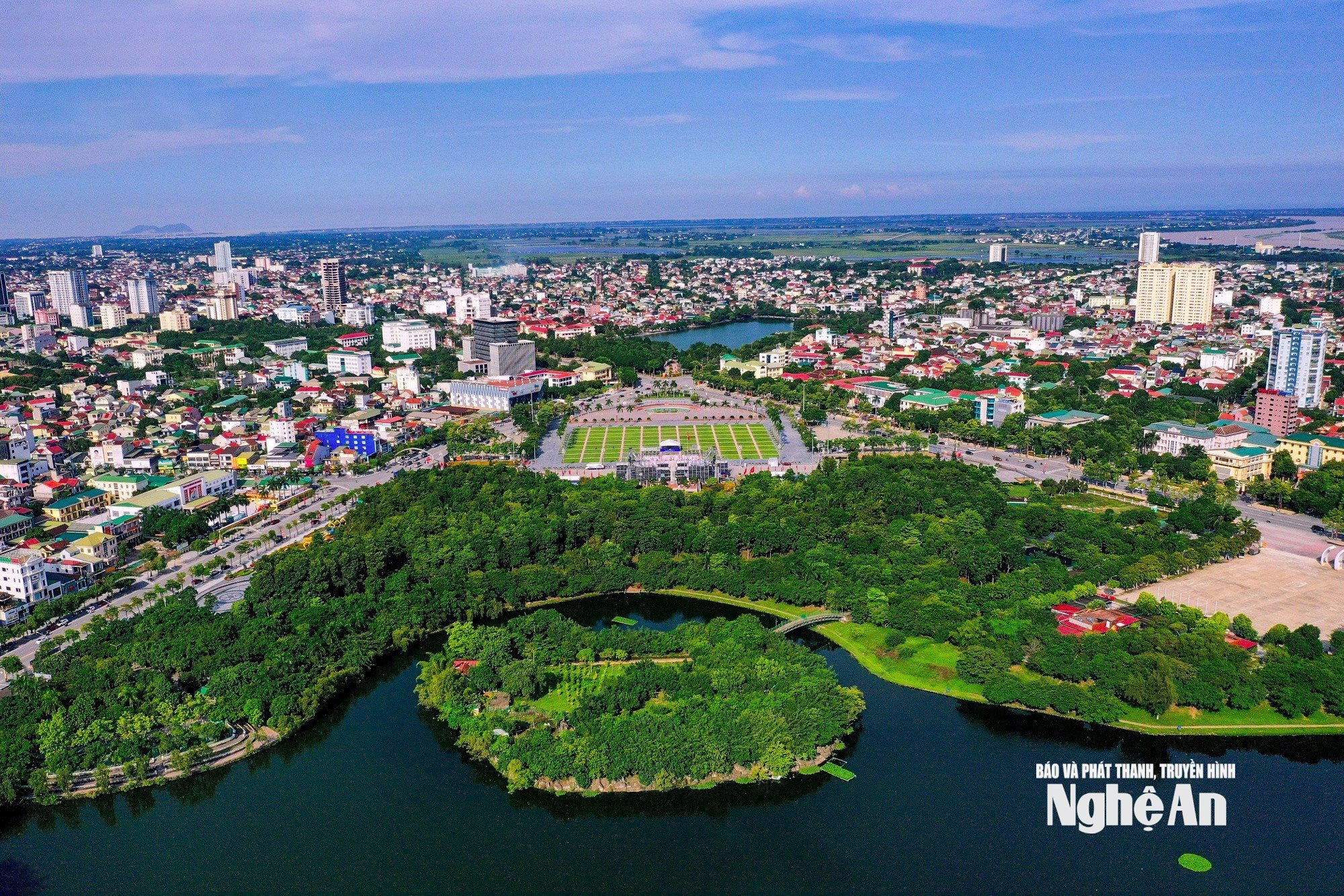
The story shouldn't be limited to the values of the past. Besides the village of Sen, its folk songs and melodies, historical sites, and natural landscapes, there's also a Nghe An undergoing transformation in terms of urbanization, infrastructure, and services; young people finding new ways to tell stories of their homeland; and communities creating new products and experiences. An image that combines traditional depth with contemporary vitality will be more accessible to the public.
From a heritage perspective, Ms. Hoang Thi Khanh, Deputy Head of the Nghe An Relics Management Board, said that the unit proposed building a brand identity and implementing common communication campaigns, unifying the message, images, hashtags, and themes for each period. At the same time, people, especially young people, are encouraged to participate in sharing stories about relics, customs, folk songs, traditional crafts, historical figures, and life in their homeland.
The way the content was organized in this year's "Searching for Nghe Tinh Folk Song Talent" competition partly reflects that approach: there is a common theme, but each contestant still brings their own unique face, voice, and story.
In the tourism sector, digital media also needs to create more specific "pathways." A video about the Mekong Delta can lead viewers to information about routes, accommodations, and community experiences; a story about folk songs and dances can connect to performance spaces, villages, and nearby destinations. When viewers know where to go next and what to experience, the distance from "seeing" to "going" is shortened.
To achieve this, the story of Nghe An needs to be told by many stakeholders, from government agencies, the press, cultural organizations, businesses, tourism professionals to the local people themselves. Each stakeholder has their own way of telling the story, but they all need to contribute to creating a clear, recognizable overall image for the public.
Technology, AI, or algorithms can help content spread faster, translate more easily, and reach the right people, but they cannot replace a compelling story and a real-life experience. Therefore, the goal is not to have Nghe An appear more frequently on phone screens, but rather for viewers to recognize the different nuances of the same region through a video of folk singing, a story from Lang Sen village, images of Cua Lo, or an experience in the Mekong Delta. This will help them understand Nghe An better, remember it longer, and have more reasons to visit Nghe An.


