
Creating sustainable vitality for grassroots culture.
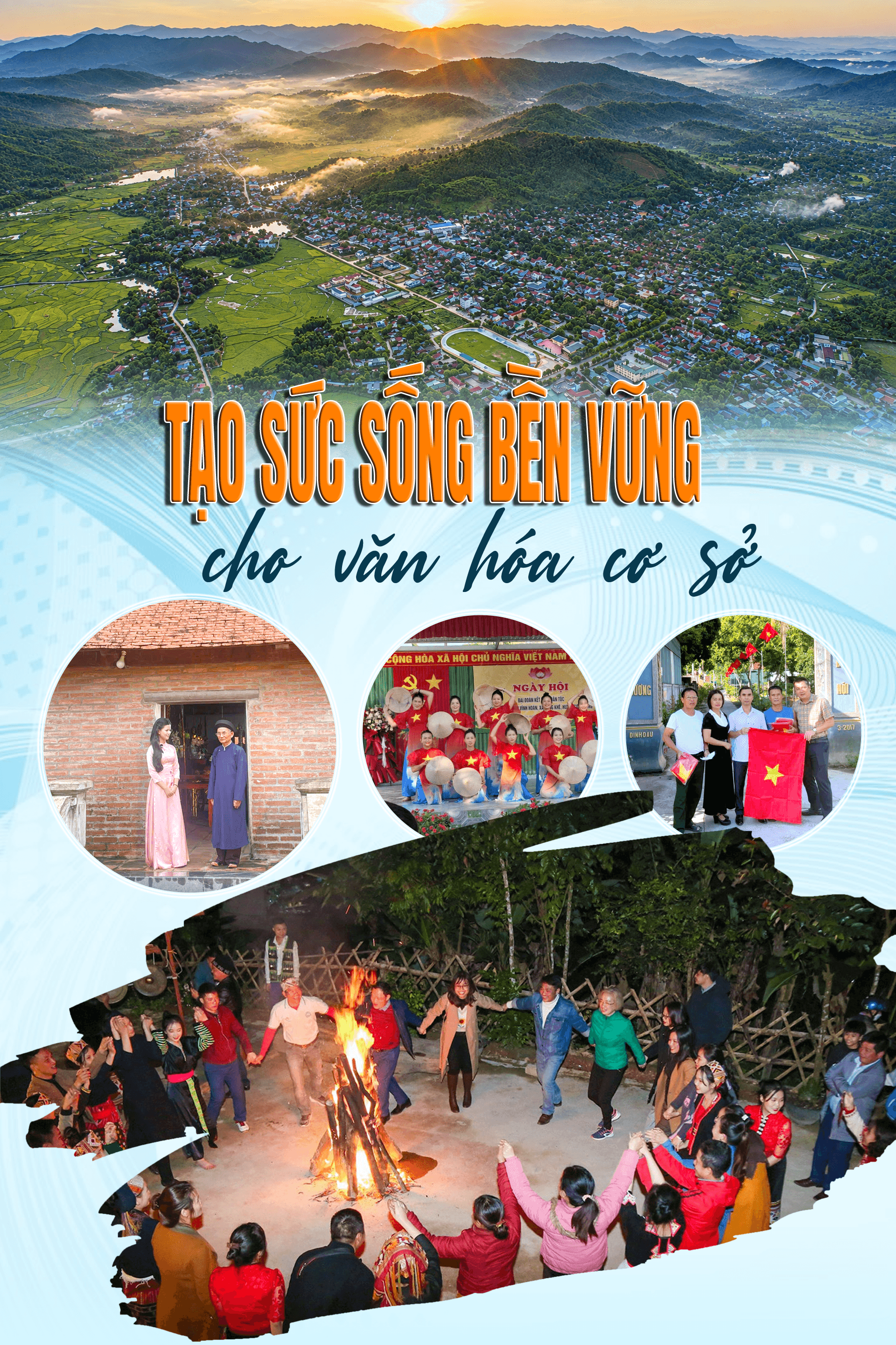
There are cultural movements that don't need much campaigning, because they begin with people voluntarily contributing their labor to build a fence, working together to complete a community center, contributing a small amount to help needy households, or simply preserving a familiar way of life. When culture becomes a part of life, the movement is no longer something to be done but something people want to do, like breathing and thinking for the people in a village community.
Thanh Nga/Present: Hong Toai •22/9/2026
*****
There are cultural movements that don't need much campaigning, because they begin with people voluntarily contributing their labor to build a fence, working together to complete a community center, contributing a small amount to help needy households, or simply preserving a familiar way of life. When culture becomes a part of life, the movement is no longer something to be done but something people want to do, like breathing and thinking for the people in a village community.

One day in mid-September, it was raining heavily in Binh Minh village, Con Cuong commune, but in the houses along the road, the story of the new cultural center was still being talked about with excitement. Some contributed labor, others contributed money, and some took care of each task to build the cultural and sports facilities, meeting the requirements of the exemplary cultural model at the provincial level that the locality intends to register for completion the following year.
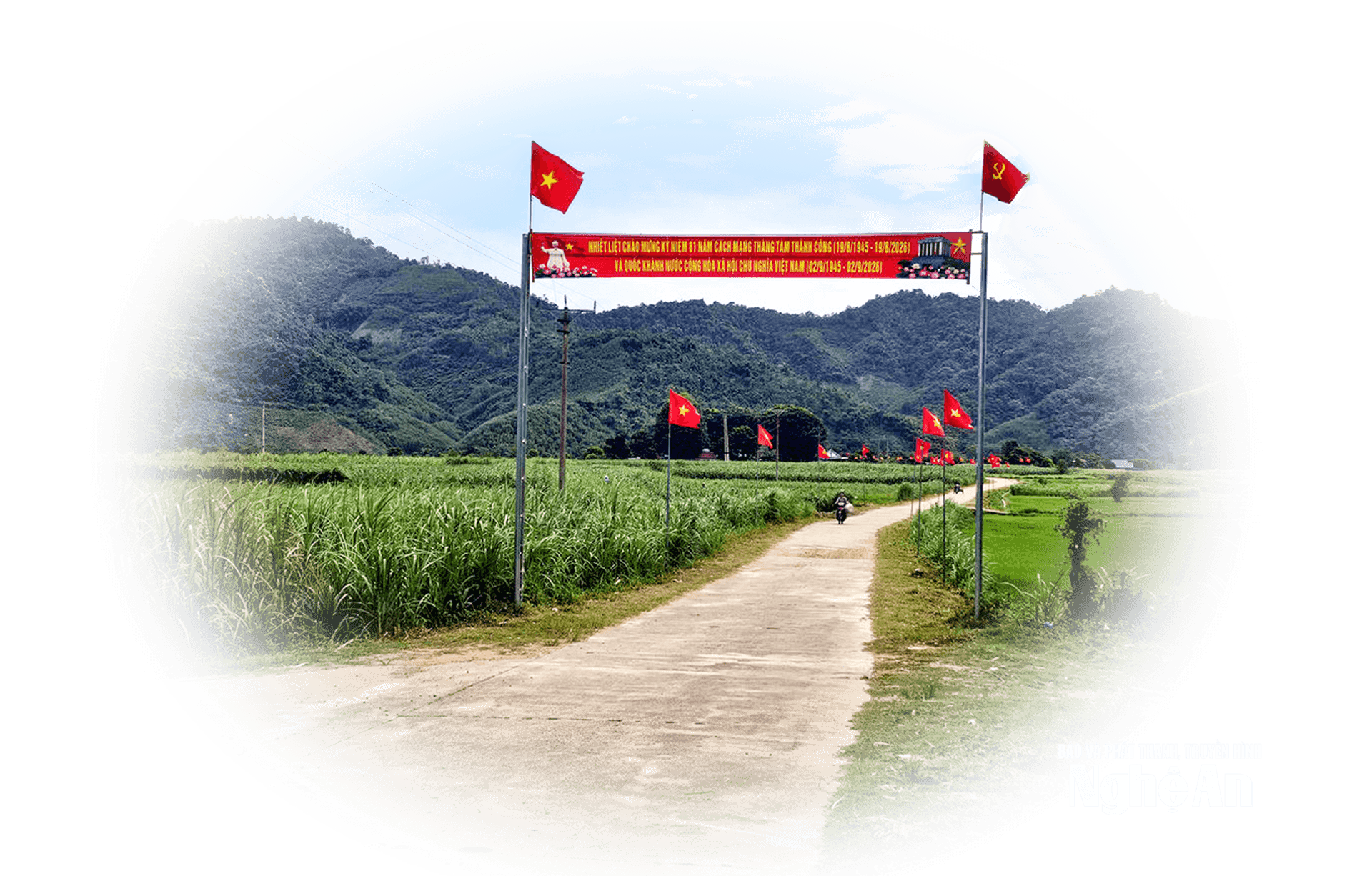
According to Nguyen Xuan Chien, head of Binh Minh village, since the launch of the model cultural center project, the villagers have responded quite positively. People have participated in building fences and completing the facilities inside the cultural center, such as the sound system, cameras, and sports playground for the elderly, following the guidance of the Provincial Cultural Center. However, looking only at the completed work doesn't fully explain the vitality of the movement in Binh Minh village.
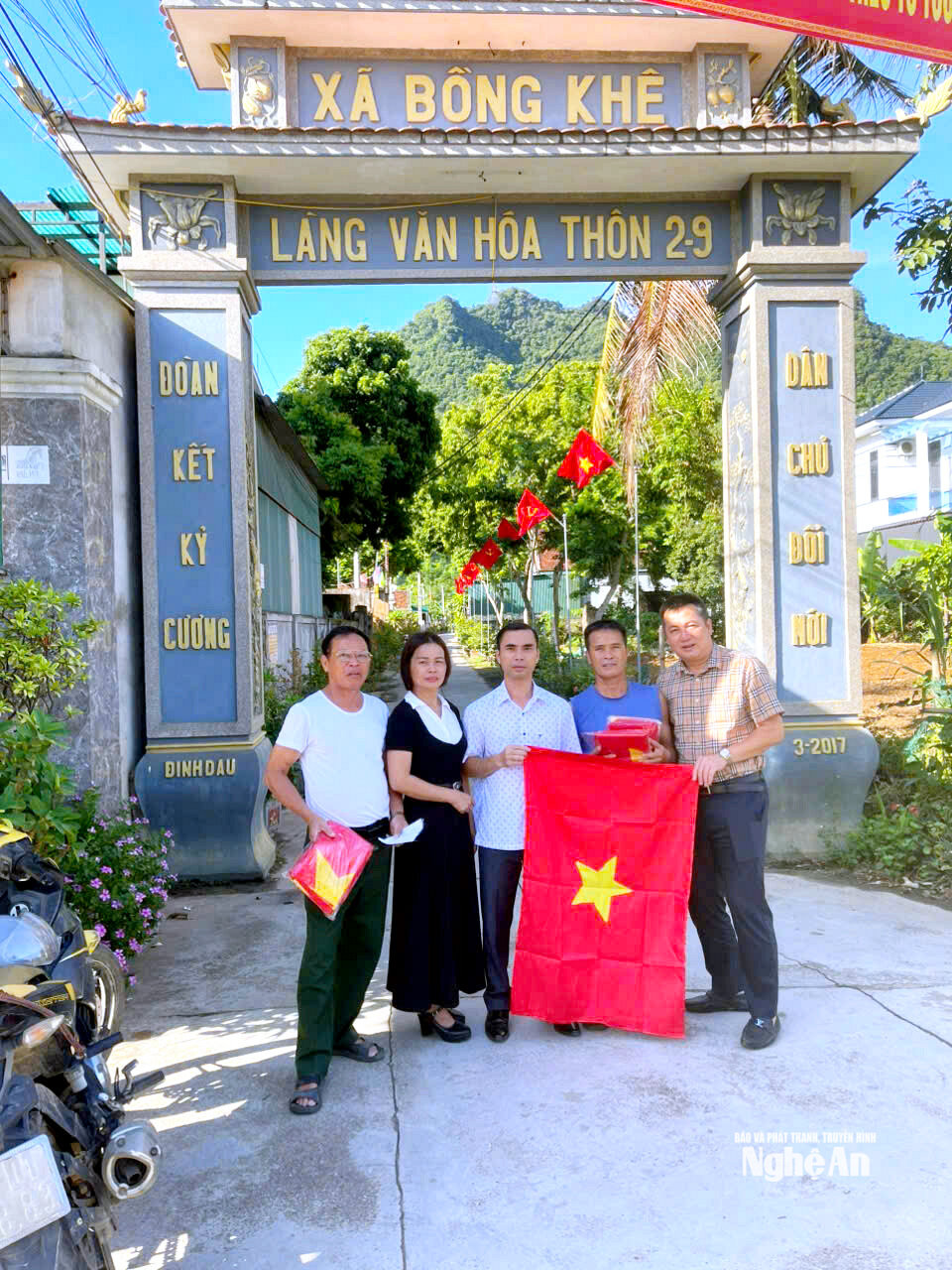
Binh Minh village was established by merging villages 2/9 and Vinh Hoan in Con Cuong commune. Village 2/9 was known for its strong sense of community solidarity. According to Mr. Chien, the most valuable aspect is not a specific cultural title, but the neighborly spirit that has become ingrained in their way of life.
When a family faces difficulties, illness, accidents, or a bereavement, the surrounding families consider it their own responsibility. Some offer condolences, others help with chores, and still others take care of the arrangements. No one needs to be reminded; it's a movement, and it doesn't require a specific program to be launched.
It is from this established tradition that many cultural, artistic, and sporting activities in Binh Minh village have formed and been maintained quite naturally.
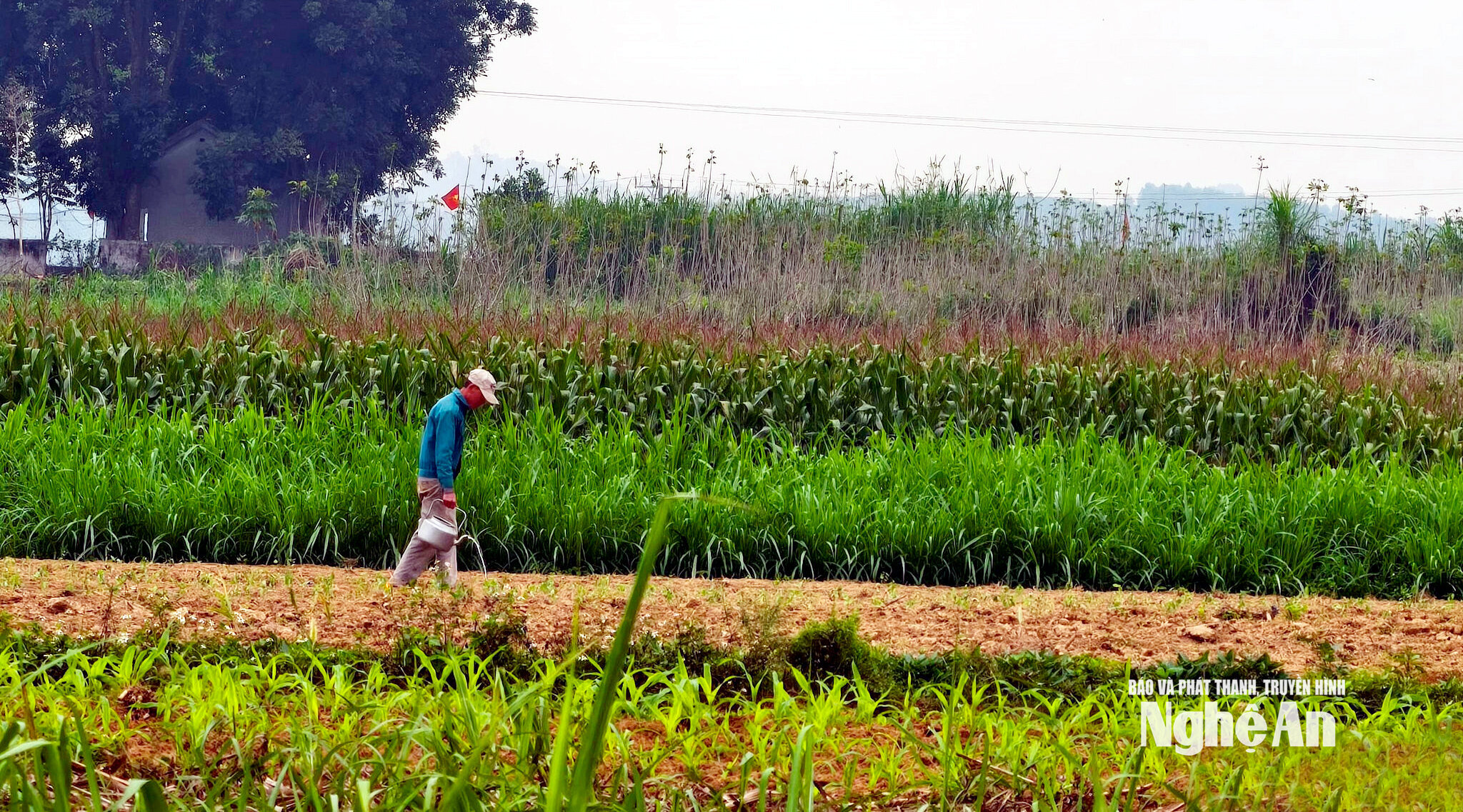
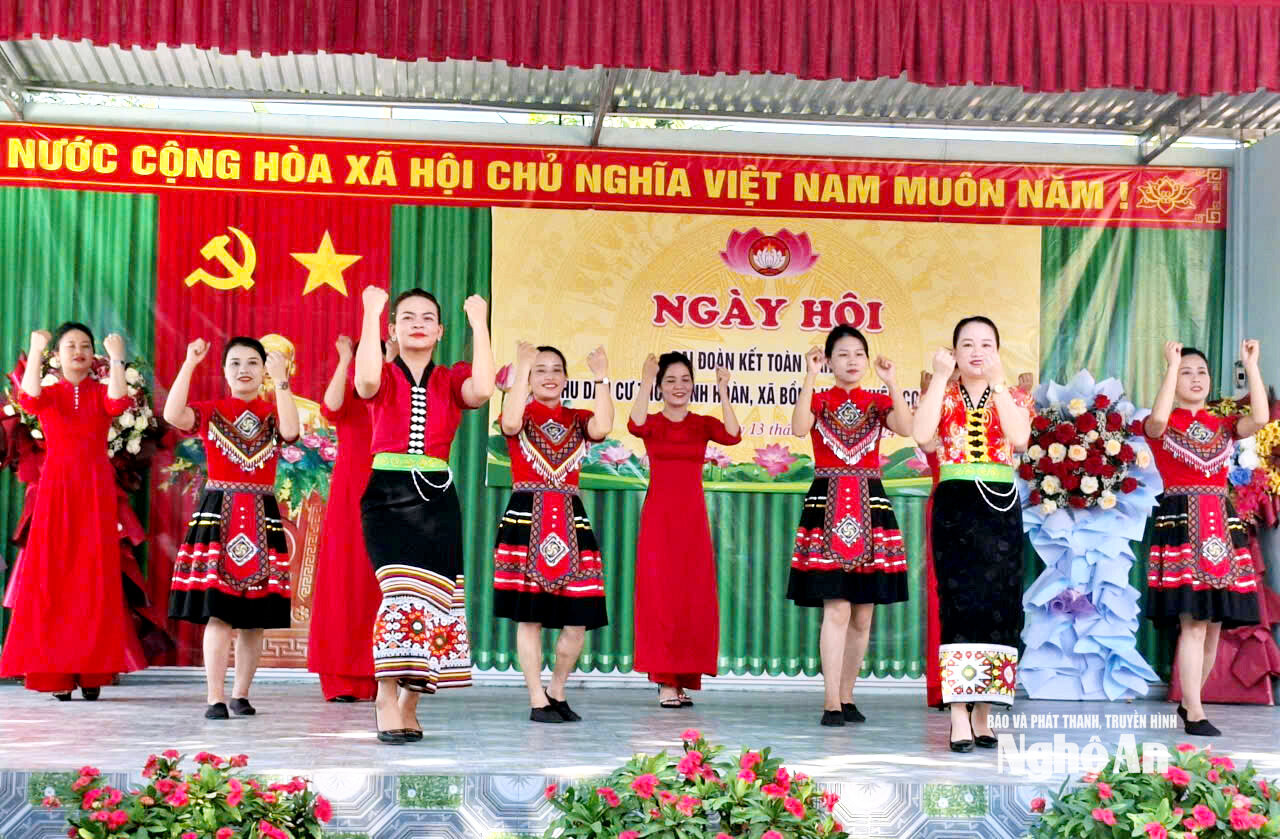
Ms. Phan Thi Thuy, Head of the Culture Department of Con Cuong commune, said that while the establishment of folk song clubs is quite common in the lowlands, maintaining a regular arts club in mountainous areas is not easy. However, in Binh Minh village, for many years, alongside the Vi and Giam Folk Song Club, there has also been a Thai Folk Song Club.
It is worth noting that the residents of the former 2/9 village, originally from Nam Dan district, moved to this village right around National Day. They had a long-standing love for folk songs, enjoyed socializing, and competing with each other, so cultural and artistic activities became a need within the community itself.
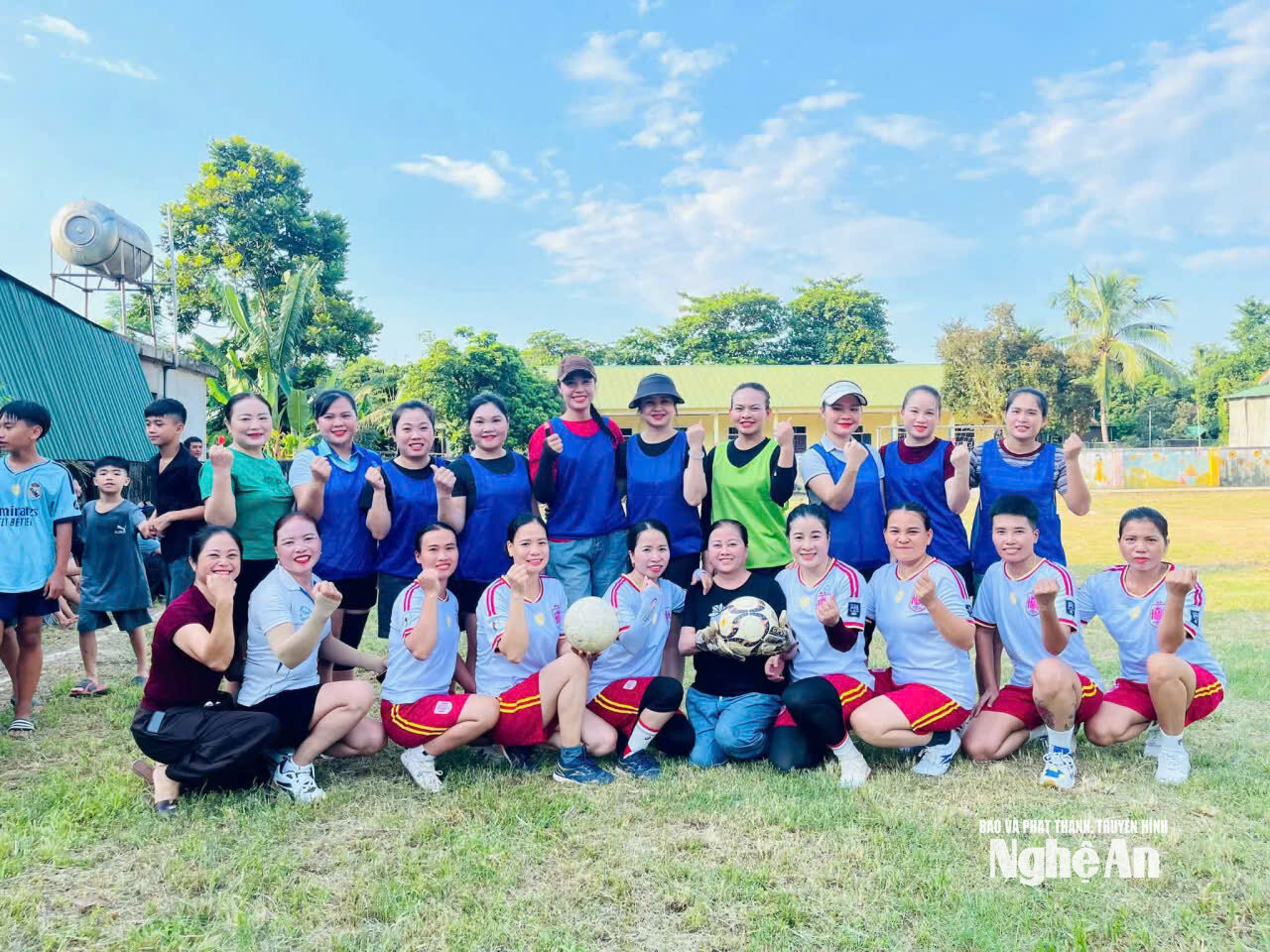
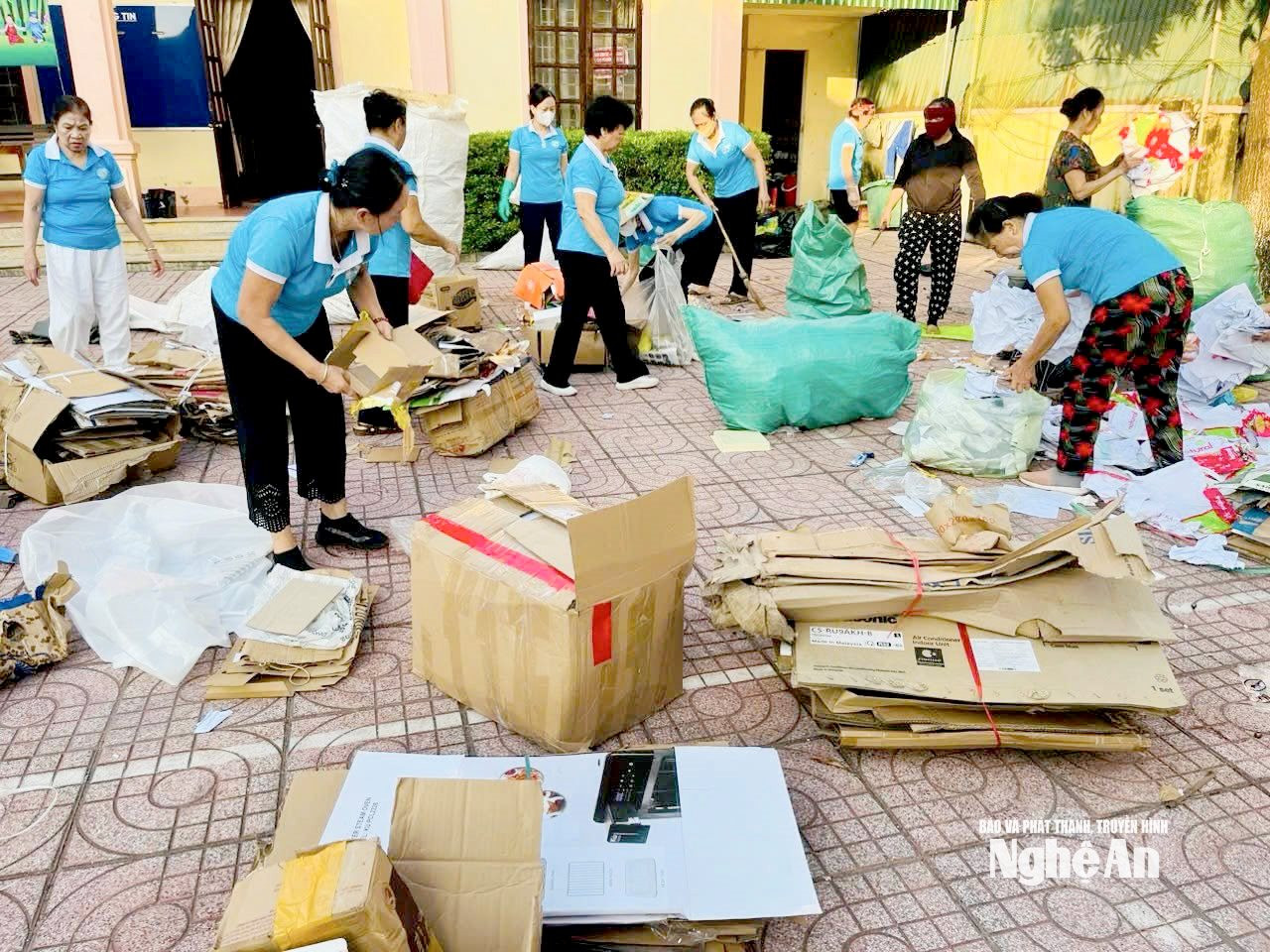
In Hamlet 14, Hung Loc Ward, Vinh Loc Commune, the story is viewed from a different perspective. For many years, the people here have maintained activities to support each other's economic development, including the "pig farming for savings" and "scrap collection" movements to create resources to help disadvantaged families.
The amounts of money may not be large, but their significance lies in how the community perceives its responsibility towards one another. A family facing hardship is no longer just a private matter. One person's difficulty becomes a reason for many to join hands.
According to Hoang Thuy Phuong, Vice Chairman of the Vinh Loc Ward People's Committee, it is difficult to specifically identify which ancestral cultural traditions have been preserved the longest. However, the promotion of the "All citizens building a cultured life in residential areas" movement over many years is one of the foundations that helps maintain community activities.
Beyond economic support, the residents here once jointly implemented the "Residential Area Saying No to Unsafe Food" model. Households unanimously agreed not to produce or process sausages and other cooked foods for the market unless their origin and quality were guaranteed. Looking back today, these actions may no longer resemble a widely launched movement. They have become a way of behaving, a way for the community to regulate its own behavior.
That is perhaps a higher state of a cultural movement: when people no longer think of themselves as participating in a movement, but positive behaviors are still maintained. Ms. Tieu Quynh Trang, Deputy Head of the Cultural Affairs Department at the Provincial Cultural Center, believes that each locality has long-standing cultural movements. The important thing is to identify these values, guide local authorities in selecting and developing them into shining examples, thereby forming unique grassroots cultural models that can be sustained in the long term.
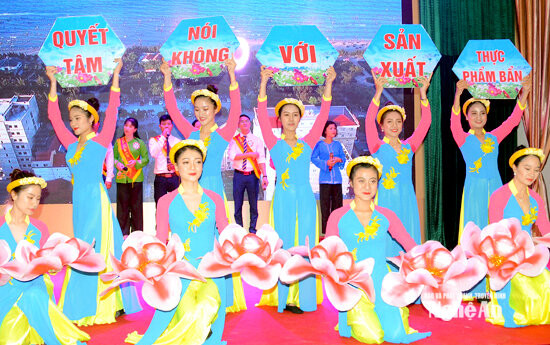
Ms. Trang also stated: This approach raises a thought-provoking issue: Building a cultural movement doesn't necessarily have to begin with bringing a pre-existing model to the locality. Sometimes, the first thing to do is to find out what already exists in that community, what the people are doing, what they love, and what values have been maintained through generations.

While Binh Minh village in Con Cuong commune demonstrates the strength of movements stemming from community spirit and neighborly solidarity, and Vinh Loc ward showcases the ability to transform community behavior into a cultural norm, in Quynh Mai ward, the story of promoting culture is being given a new impetus: the creativity of young people.
In Quynh Mai ward, during a training session, students from Quynh Thien Secondary School were instructed on how to introduce local cultural destinations to tourists. Nguyen Phuong Anh, a female student, enthusiastically shared that they have nurtured a love for their homeland's history since childhood, because the area possesses rich cultural heritage that their ancestors have painstakingly preserved.
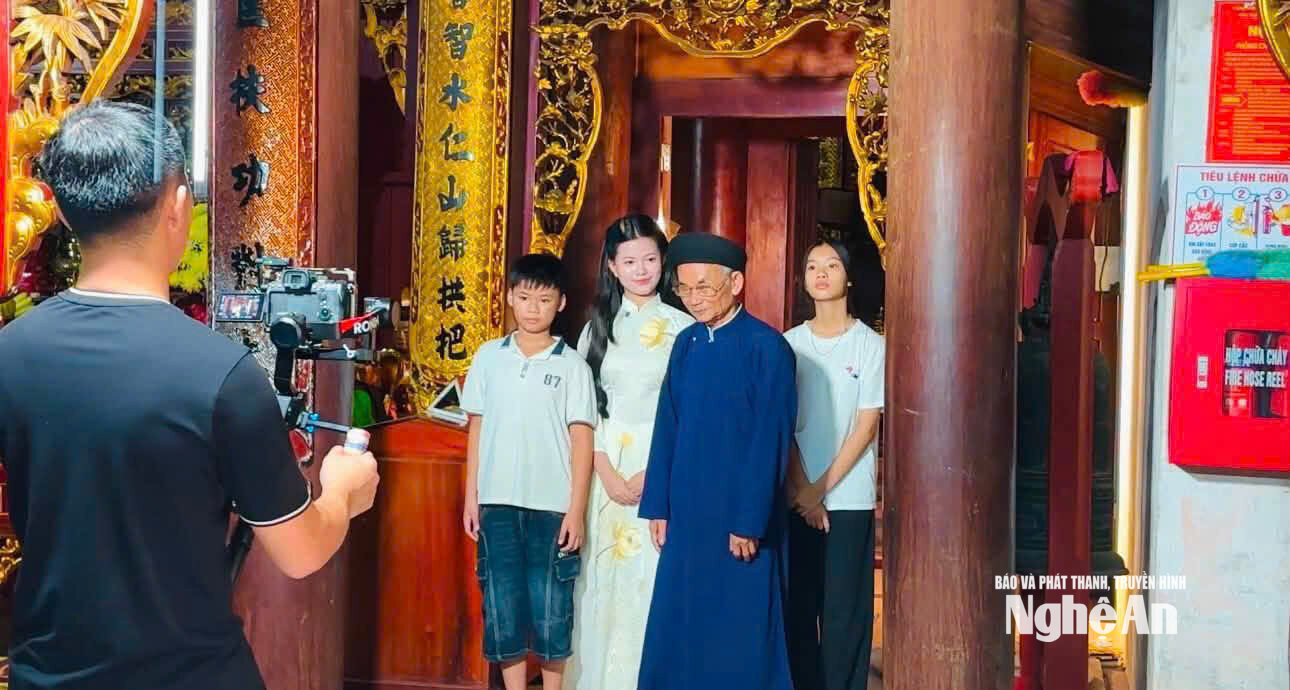
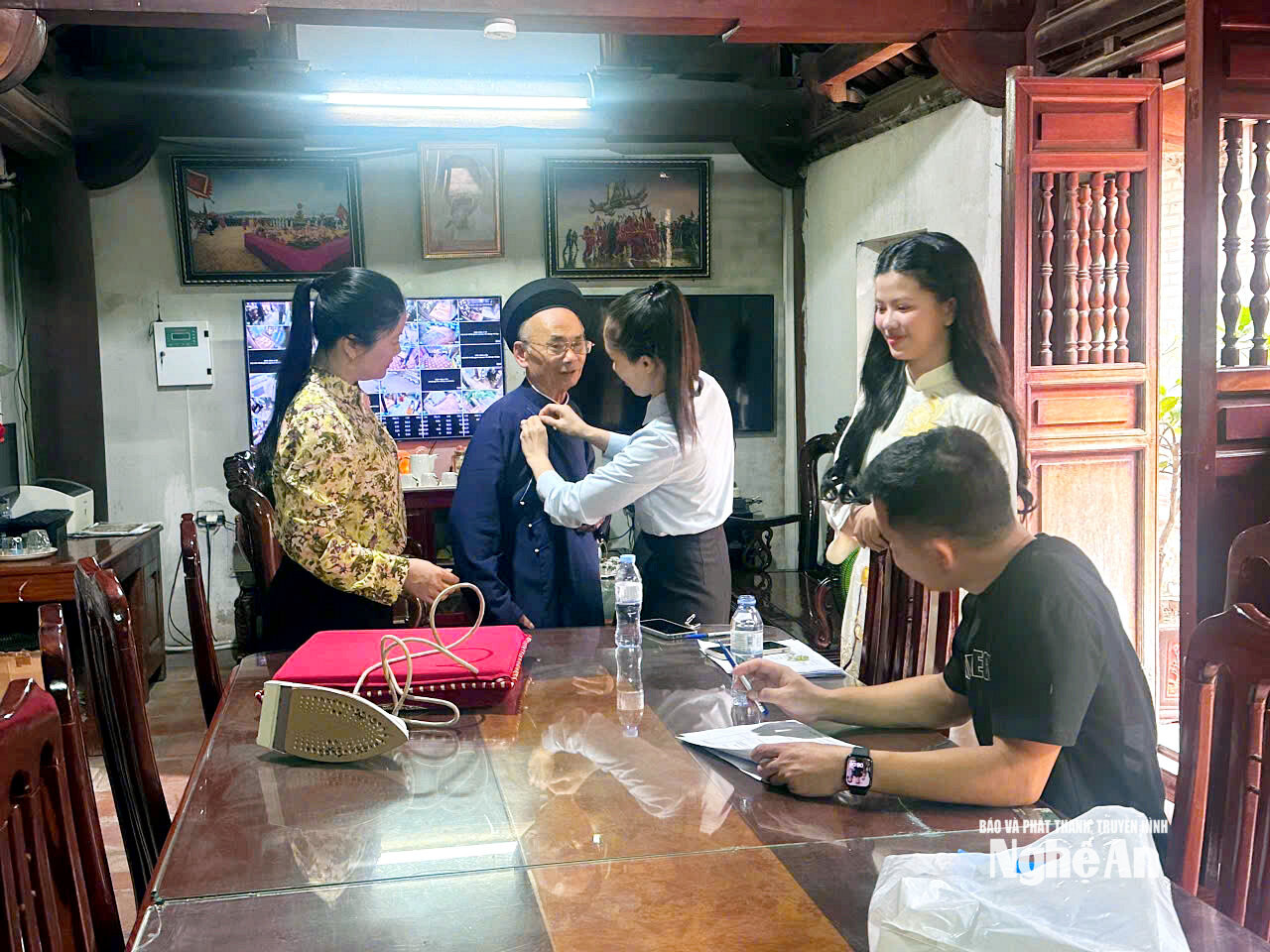
But for Phuong Anh, loving heritage alone isn't enough; young people must know how to tell the story of their homeland in the language of today, with more relatable and accessible perspectives. That's how values that seemed to lie dormant in the past can re-enter present life. For many years, Phuong Anh has been a tour guide for groups visiting Quynh Mai ward to see cultural sites like Corn Temple or Quynh Beach…
Recently, Phuong Anh, along with local authorities and residents, participated in the production of a 9-episode series titled "Corn Temple - The Sacred Soul at the Seaport." The heritage site is not only introduced through traditional narrations but also retold through images, stories, and an approach more suitable for younger audiences.
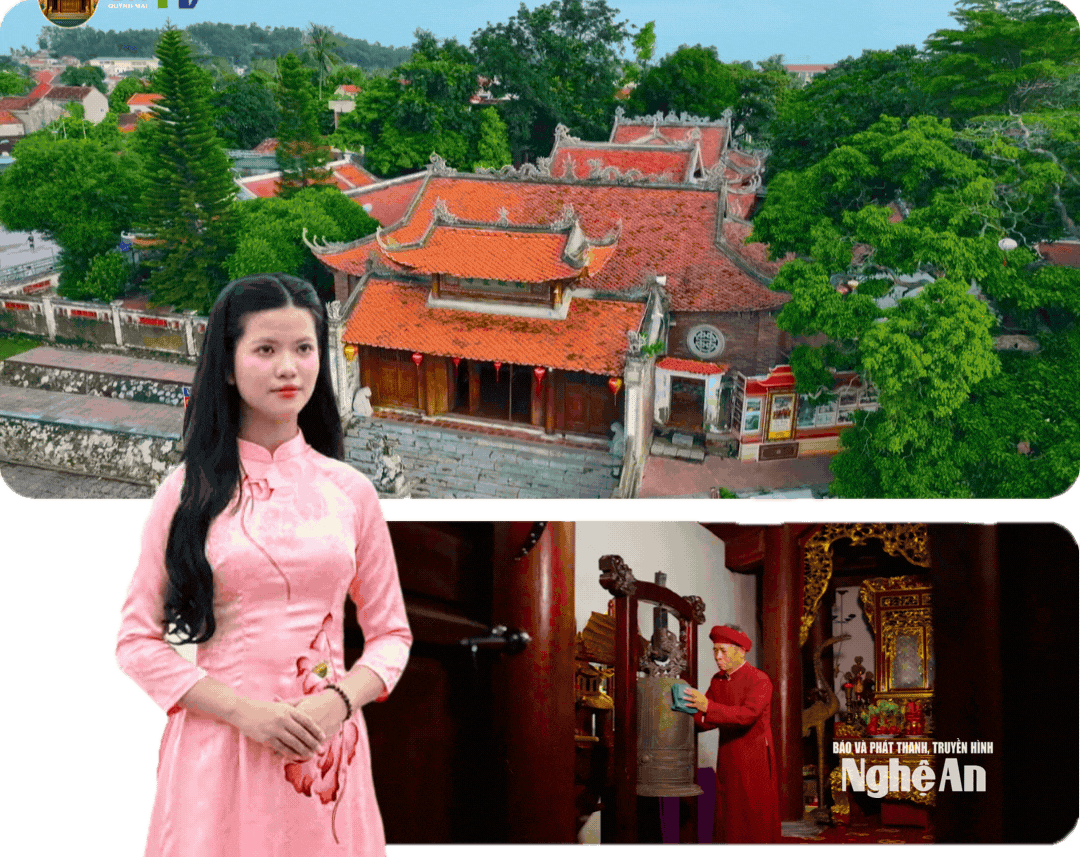
Ms. Nguyen Thi Ha, Vice Chairman of the People's Committee of Quynh Mai Ward, said that the locality is promoting the cultural values left by their ancestors, from historical relics to the spirit of the people of the old Quynh Phuong coastal area. These values are recognized not only as heritage that needs to be preserved but also as a driving force for creativity and vitality of today's generation.
Ms. Quách Thị Cường, Deputy Director of the Department of Culture, Sports and Tourism, believes that building a local movement requires unity and creative implementation. However, without continuity and preservation across generations, it is difficult to form a sustainable cultural identity. Therefore, the focus should be on cultivating a mindset and way of doing things in each citizen and each locality.
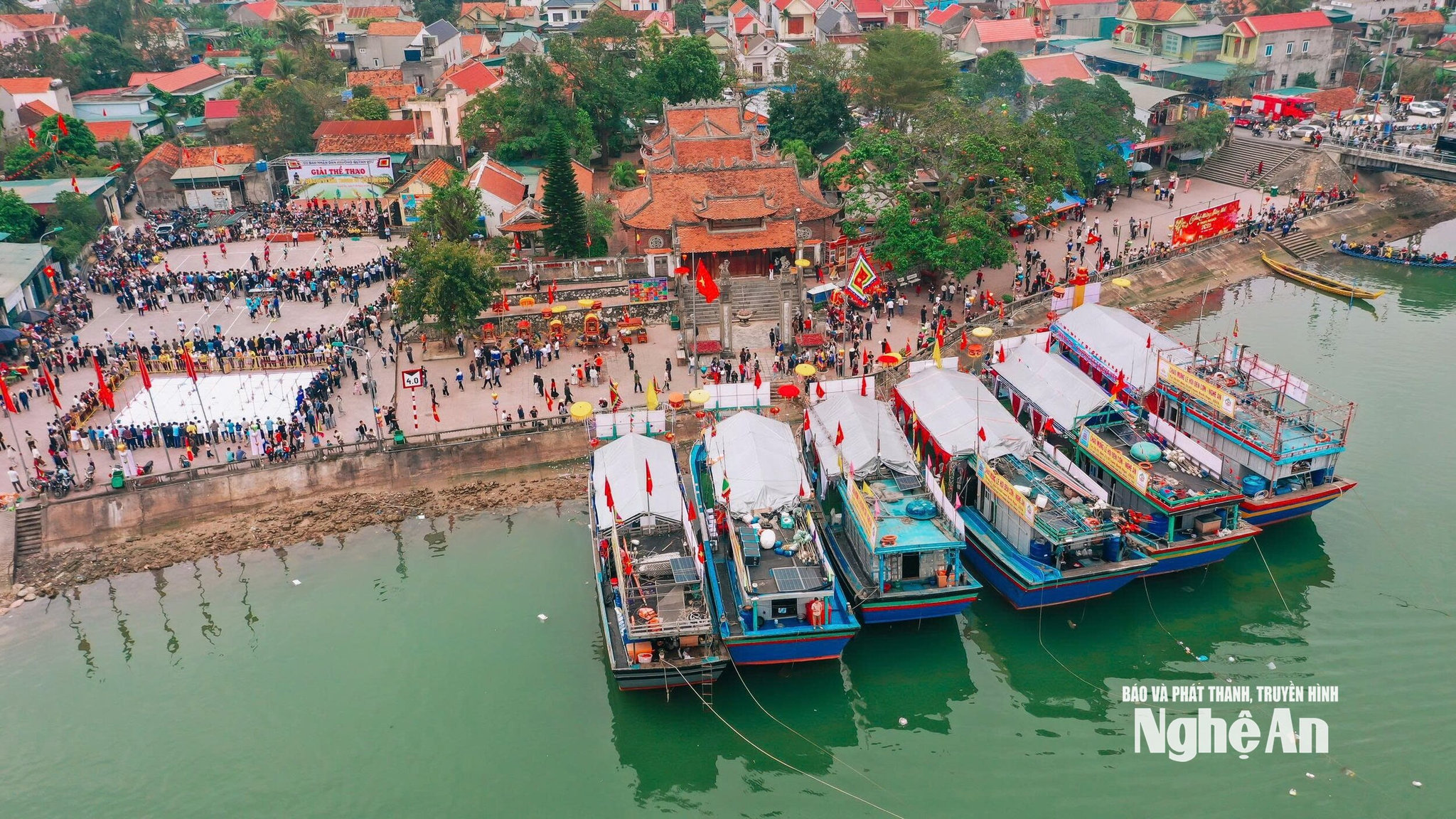
This is perhaps also the crux of the story of grassroots cultural development. A movement may begin with a plan, a program, or a campaign. But to endure, it must transcend the boundaries of the plan to become a habit; overcome government efforts to become a community need; and transcend one generation to become a value embraced and renewed by subsequent generations.
Therefore, building grassroots culture should not just be about creating new movements. More importantly, it's about correctly identifying existing values within the community, giving people space to develop them, and encouraging them to be creative based on tradition. That's when cultural movements truly take root in life, and once they've taken root, there's no need to constantly pull people towards culture through campaigns. Life itself will nurture the movement, while the movement will enrich life with a better set of values. That is the path for grassroots culture to develop naturally, sustainably, and with lasting vitality.


