
Russian military magazine analyzes the limitations of air-to-air missiles in Ukraine.
A report from Military Thought magazine acknowledges that a lack of integrated intelligence networks and formulaic combat habits have affected the performance of Russian air-to-air missiles.
In an in-depth review, the military magazineMilitary ThoughtRussian sources have reported on the underperformance of their domestically produced air-to-air missiles in the context of current conflicts. Public analysis acknowledges significant shortcomings in modern air warfare operations, where hardware superiority is no longer the sole determining factor in victory or defeat.
Changes in modern air combat theory
According to this magazine, air combat today has shifted from close-range dogfights to beyond-visual-range (BVR) engagements. In this scenario, aircraft fire based on radar data and integrated network intelligence systems. The advantage lies with better situational awareness and information coordination, rather than relying solely on the technical specifications of the fighter jet.
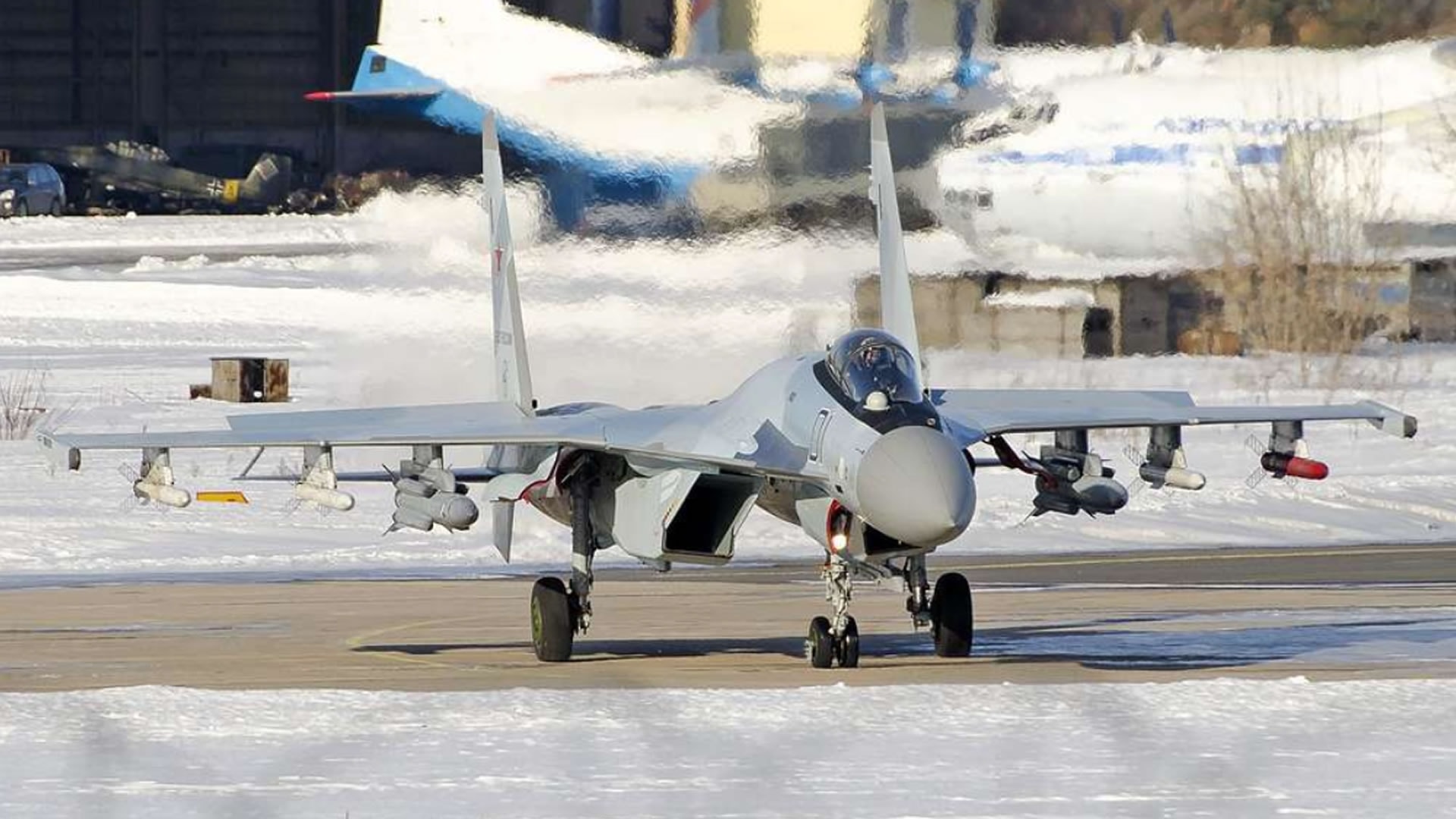
Despite possessing theoretically powerful weapons such as the Su-35, MiG-31, and the long-range R-37M missile (with a maximum range of 300 km), the Russian Air Force still struggles to completely dominate the skies. The core reason identified is the comprehensive intelligence support network that NATO provides to Ukraine, allowing enemy pilots to track the location of Russian fighter jets and the timing of missile launches in real time.
The opponent's adaptive tactics
The report details how Ukrainian pilots deployed defensive measures to neutralize Russian missiles. One common technique was performing a 180-degree flip upon detecting an approaching missile. This action forced the missile into a chase from behind, significantly reducing its kinetic energy and combat effectiveness by up to 50%.
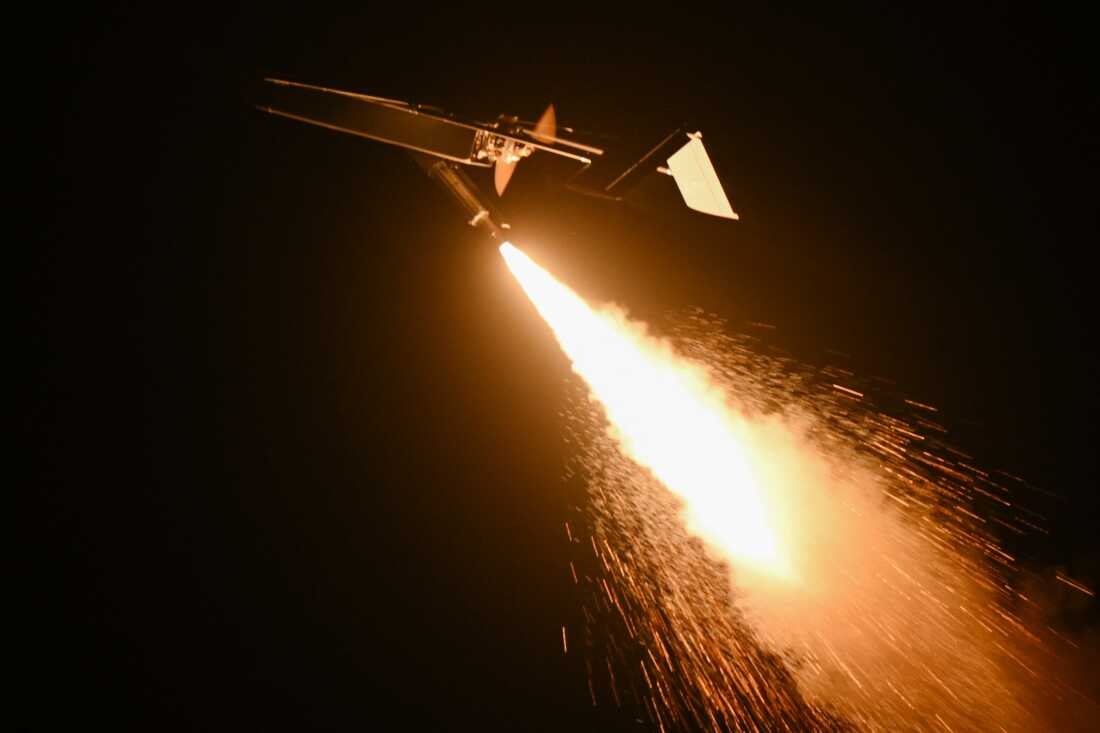
Furthermore, exploiting the terrain by flying at extremely low altitudes allowed Ukrainian aircraft to jam radar targeting systems. The combination of fighter jets and surface-to-air missile (SAM) units formed a mobile ambush network, forcing Russian fighters to maintain a greater distance than ideal for safety.
The barrier of stereotypical combat thinking.
A fatal flaw was highlighted by the magazine.Military ThoughtThis highlights the predictable nature of Russian operations. Air force units tend to use a fixed number of airfields and fly along repetitive patrol routes. These habits make it easy for Ukraine to anticipate their moves and develop effective interception plans.
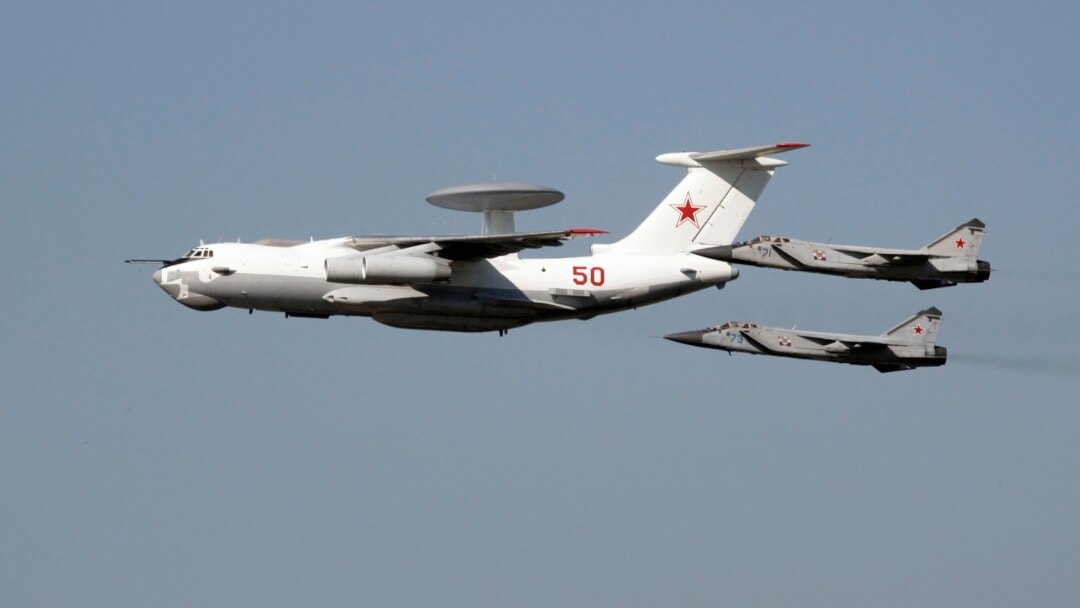
The report concludes that in network-centric warfare, aircraft cannot operate as "lone wolves." Weapon effectiveness depends on a chain of interconnected links from satellites and early warning aircraft (AWACS) to electronic warfare. While the R-37M missile still proves valuable in psychological pressure and repelling enemy aircraft, Russia needs to significantly improve its network integration capabilities to optimize its firepower.


