
Focus intensely on the organization and implementation of the plan.
According to Deputy Prime Minister Pham Gia Tuc, planning can only truly be effective when it is implemented seriously, synchronously, and efficiently. Therefore, the requirement is to focus intensely on the organization and implementation of the plan.
On the morning of May 6th, the Ministry of Finance held a conference to announce the national master plan and regional plans for the period 2021-2030, with a vision to 2050. Attending the conference was Comrade Pham Gia Tuc, Member of the Political Bureau and Standing Deputy Prime Minister of the Government.
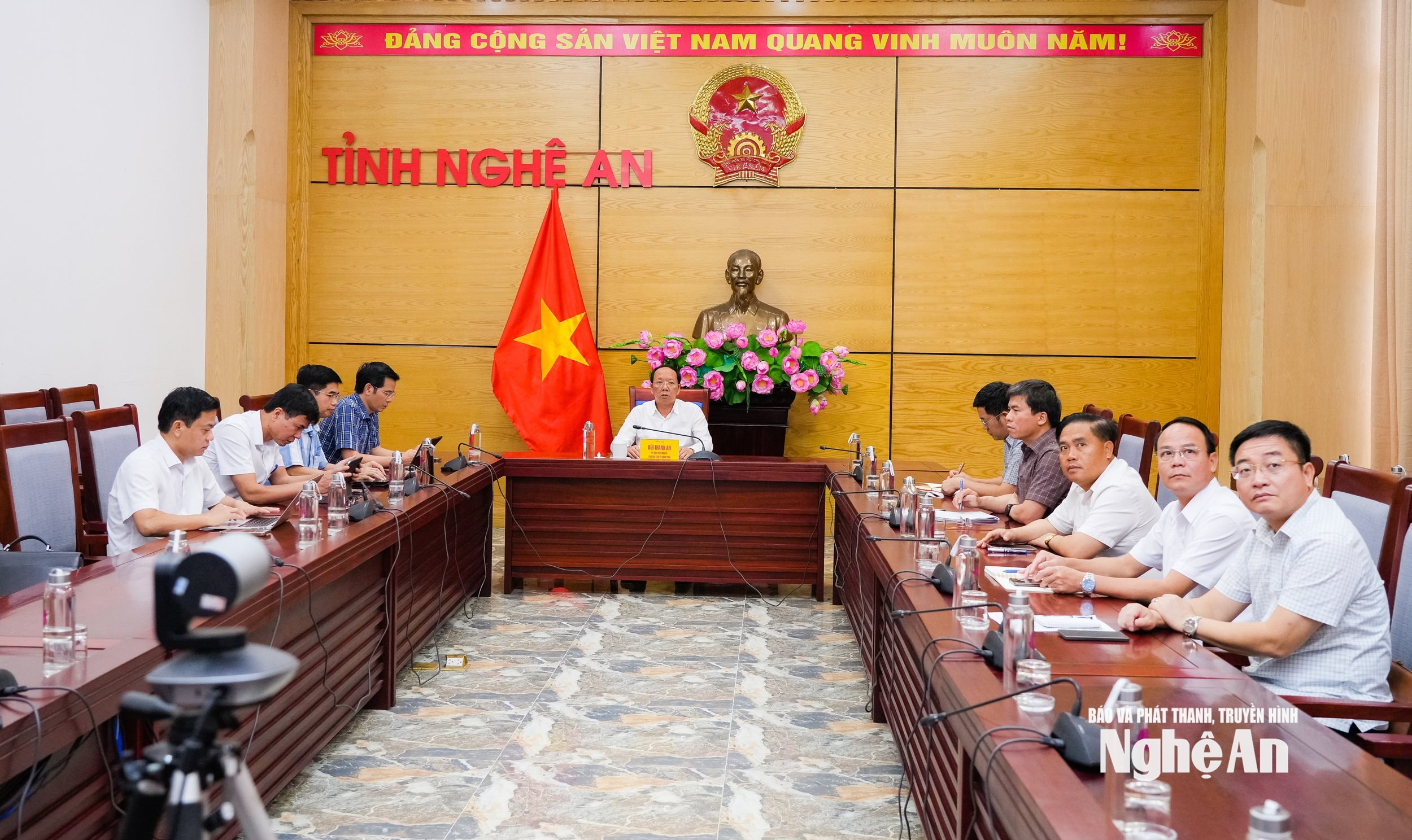
At the Nghe An location, Comrade Bui Thanh An - Member of the Standing Committee of the Provincial Party Committee, Permanent Vice Chairman of the Provincial People's Committee - was present. Also attending were leaders of provincial departments and agencies.
The national plan aims to strive for Vietnam to become a developing country with modern industry and high middle income by 2030, establishing a new growth model with science and technology, innovation, and digital transformation as the main drivers. The national development spatial organization model will be efficient, unified, and sustainable.
Economic zones, economic corridors, and growth poles play a leading and guiding role in socio-economic development and enhancing the nation's competitiveness.
The average annual growth rate of Gross Domestic Product (GDP) for the period 2026-2030 is projected to reach 10% or more. By 2030, GDP per capita at current prices is expected to reach approximately US$8,500. The average annual growth rate of social labor productivity for the period 2026-2030 is projected to exceed 8.5%. The contribution of total factor productivity (TFP) to growth is expected to exceed 55%.
By 2050, Vietnam will be a powerful, prosperous, and happy nation, a developed country with high income, a fully-fledged, modern, and integrated socialist-oriented market economy, a just, democratic, and civilized society; social governance based on a complete digital society; and among the leading industrialized countries in the Asian region.
During the period 2031-2050, the goal is to achieve an average GDP growth rate of approximately 7.0-7.5% per year. By 2050, the per capita GDP at current prices is expected to reach approximately US$38,000; the urbanization rate will be 70-75%; and the Human Development Index (HDI) will reach 0.85.
The plan clearly defines the country's development space with 6 socio-economic regions.
Accordingly, the northern mountainous midland region comprises 9 provinces: Lang Son, Cao Bang, Thai Nguyen, Tuyen Quang, Phu Tho, Lao Cai, Lai Chau, and Dien Bien.
The Red River Delta region comprises six provinces and cities: Hanoi, Hai Phong, Quang Ninh, Bac Ninh, Hung Yen, and Ninh Binh.
The North Central region comprises 5 provinces and cities: Hue, Thanh Hoa, Nghe An, Ha Tinh, and Quang Tri.
The South Central Coast and Central Highlands region comprises 6 provinces and cities: Da Nang, Quang Ngai, Gia Lai, Dak Lak, Khanh Hoa, and Lam Dong.
The Southeast region comprises three provinces: Ho Chi Minh City, Dong Nai, and Tay Ninh.
The Mekong Delta region comprises 5 provinces and cities: Can Tho, Dong Thap, Vinh Long, An Giang, and Ca Mau.
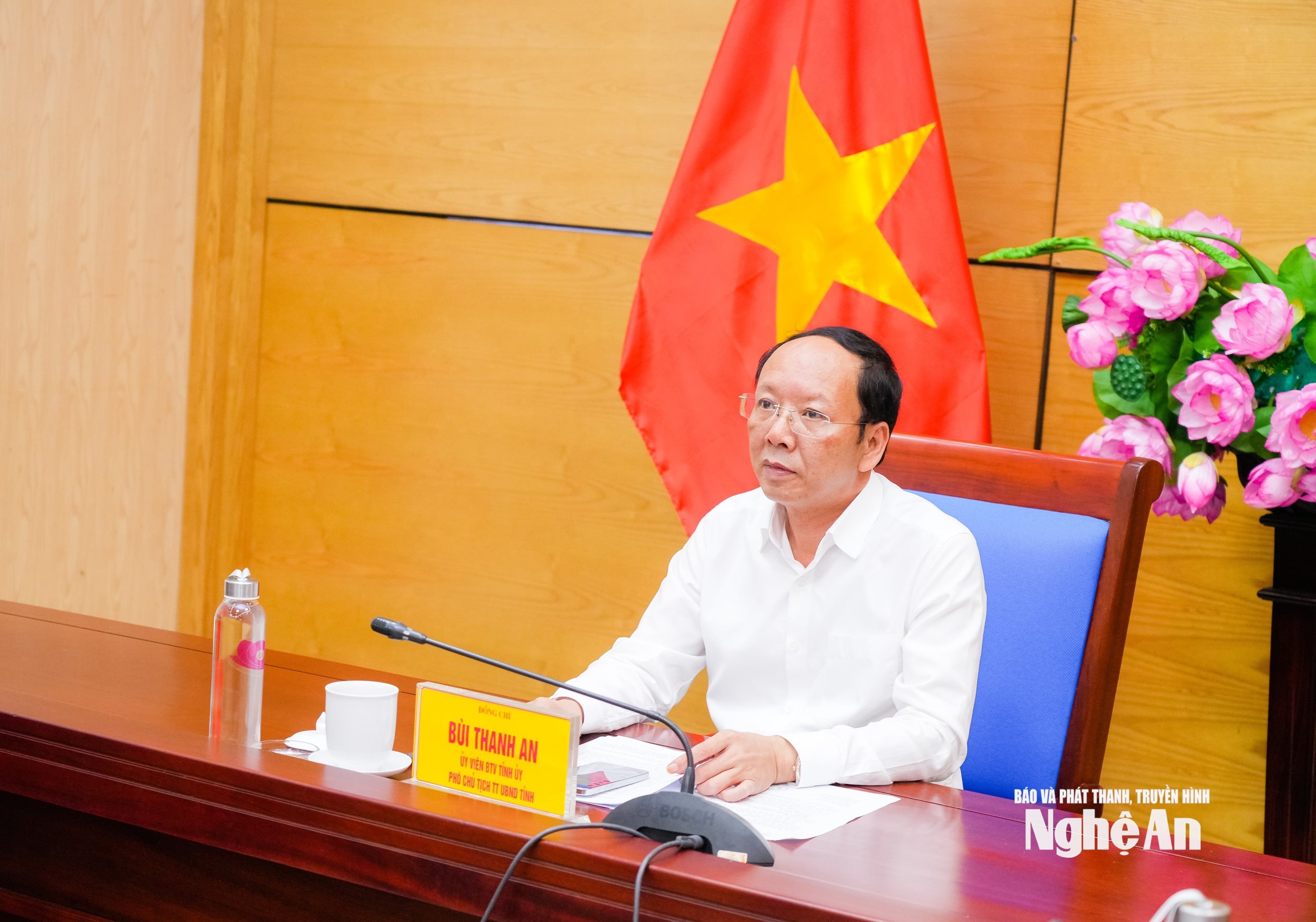
Speaking at the conference, Deputy Prime Minister Pham Gia Tuc emphasized: This adjustment of the National Master Plan and regional planning aims to reorganize and open up new development spaces in line with the arrangement of administrative units at all levels, the implementation of a two-tiered local government model, and the achievement of double-digit economic growth targets; updating the viewpoints, objectives, and orientations of the Party's 14th Congress documents and newly issued policies.
This includes clearly defining key tasks, breakthroughs, development orientations, and spatial organization for the development of industries and sectors at the national and regional levels.
According to the Deputy Prime Minister, planning and its implementation are playing an increasingly important role in managing and directing development. This is not just the responsibility of any one ministry, sector, or locality, but a shared responsibility of the entire political system.
In the coming period, planning can only truly be effective when it is implemented seriously, synchronously, and efficiently. Therefore, it is essential to focus intensely on the organization and implementation of the plan.
To effectively implement the planning and achieve sustainable development goals, the Deputy Prime Minister requested ministries, sectors, and localities to: urgently organize the announcement and public disclosure of approved plans and adjustments to existing plans in accordance with the Planning Law; and urgently complete the preparation and adjustment of regional and provincial plans for the period 2021-2030, with a vision to 2050, to ensure consistency and synchronization with the recently adjusted national master plan.
Ministries and sectors should urgently complete the review and adjustment of national sectoral plans to ensure they are consistent with the revised National Master Plan and higher-level plans.


