Chinese semi-submarine, Iran fires missiles, Russian base in Sudan
Images from Huangpu show a 65-meter-long, triple-hulled semi-submersible vessel, suspected of using pump-jet technology; Iran launches missiles from deep inland into the Sea of Oman; Sudan revives proposal for a Russian base in Port Sudan.
The December 7th arms news highlights three developments: China unveiled a prototype of a triple-hulled, semi-submersible warship at Huangpu (Guangzhou); the Iranian Islamic Revolutionary Guard Corps (IRGC) launched missiles from deep inland toward the Sea of Oman during the Eghtedar exercise; and Sudan revived its proposal to allow Russia to establish a 25-year naval base in the Red Sea.
China tests prototype of triple-hulled semi-submersible.
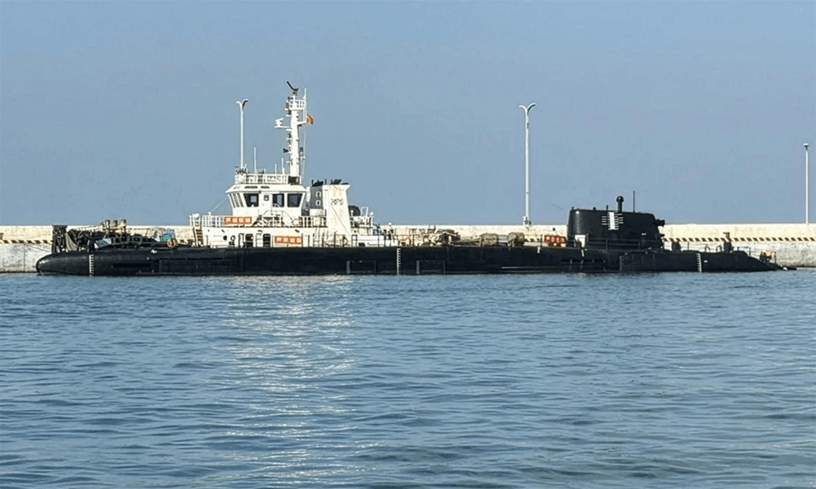
Images from the Huangpu Shipyard (Guangzhou) show a vessel with an elongated hull, trimaran structure, very small superstructure, and markings resembling a draft indicator. These markings suggest the possibility of semi-submersible or fully underwater operation.
The minimalist design, lacking visible missile launchers, UAV compartments, or large living quarters, suggests the vehicle may be an unmanned vessel or require very few operators. With an observation length of approximately 65 meters and a dark gray or black paint scheme similar to a submarine, its triple-hull configuration is unusual for both surface vessels and traditional submarines.
Analyst Alex Luck noted the possibility of positioning a pump-jet propulsion system at the rear, which would reduce noise and air bubbles during movement, making it suitable for stealth operations at high speeds. The small structure on the ship's back could accommodate a ventilation duct or antenna.
- A frequently mentioned hypothesis is that the semi-submersible carries missiles, which can launch projectiles and then dive to reduce the probability of detection.
- Other possibilities mentioned include: a platform for deploying UAVs, mini-submarines, and vehicles for covert missions in shallow waters.
- Another approach: testing prototypes for technology development in hybrid projects combining surface vessels and submarines.
The true purpose has not been announced. The lack of superstructure space also means the ship is not intended for a large crew or large-scale radar/sensor systems. Its appearance at Huangpu gives further credence to the hypothesis of a "semi-submersible weapons depot," which has been rumored since 2017.
Iran demonstrates land-based anti-ship attack.
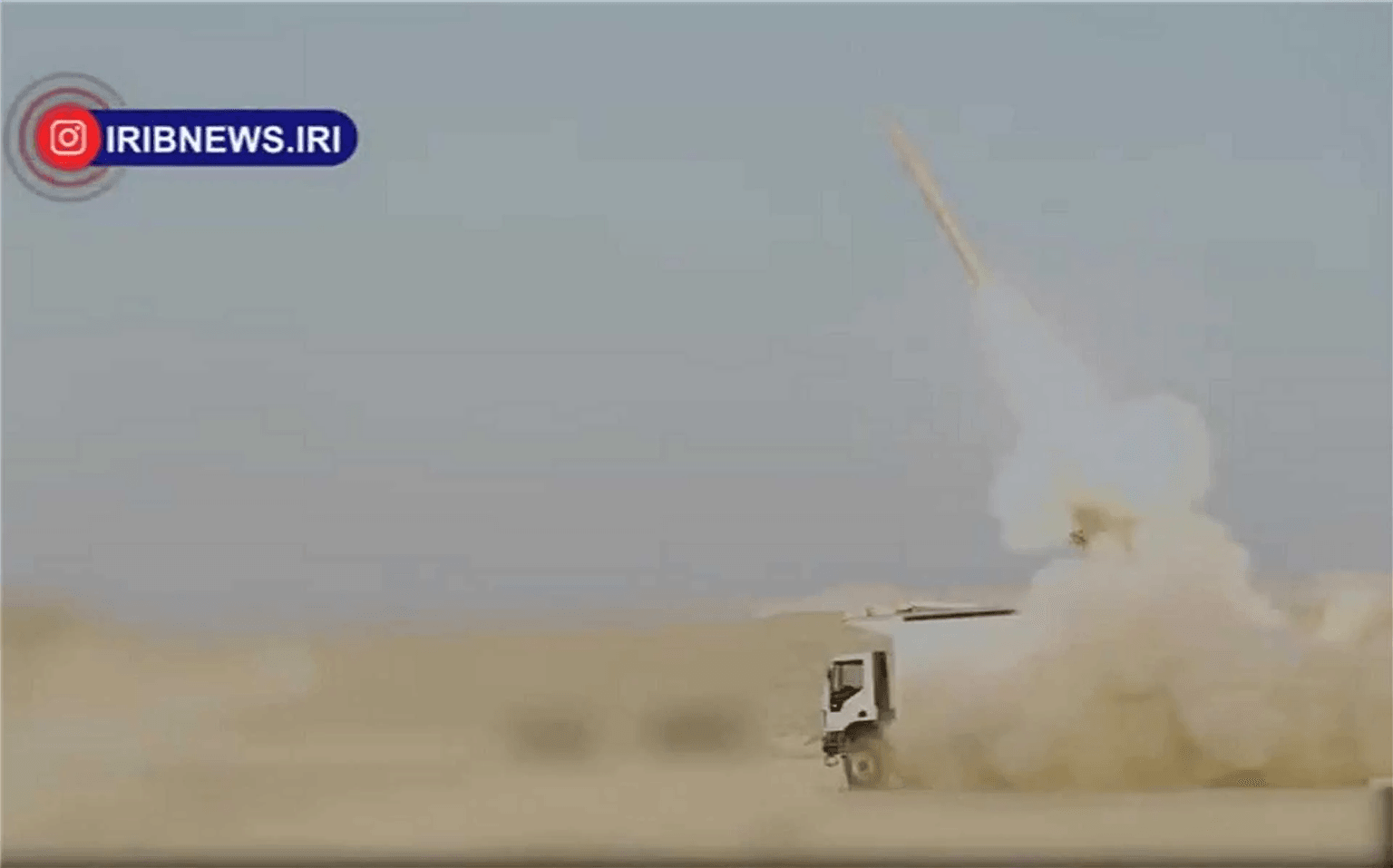
On December 5th, the IRGC launched a series of cruise and ballistic missiles during the second phase of the Eghtedar naval exercise. The missiles were fired from multiple locations deep inland, directed at simulated targets in the Sea of Oman. Iranian officials declared this a deterrent message to Israel and other US-allied nations in the region.
According to Iranian media, the participating missiles include the Qadr-110, Qadr-380, Qadir, and 303 ballistic missiles. Launches from dispersed locations inland indicate a priority on increased range, maneuverability, and reduced risk of detection/preemptive strike before firing. UAV units were also deployed to simulate attacks on "enemy bases," demonstrating multi-directional coordinated operations.
Regional analysts are paying attention to the Qadr-380, believed to be a long-range cruise missile (over 1,000 km), capable of flying low over the sea and deployable from mobile launchers or underground silos. This domestically launched approach extends the operational range beyond the Persian Gulf, while also complicating the enemy's response cycle.
The images released by Iran cannot be independently verified. However, satellite data and concurrent maritime activity suggest an increased military presence in the Gulf of Oman. The exercises serve both as a technical test and a deterrent signal amid regional tensions.
Sudan gives the green light for a Russian naval base.
Sudanese military leaders have revived a proposal to allow Russia to build a 25-year naval base on the Red Sea, most likely at Port Sudan. According to sources cited by the Wall Street Journal, the proposal would allow for the deployment of approximately 300 personnel and the docking of four warships, including nuclear-powered vessels.
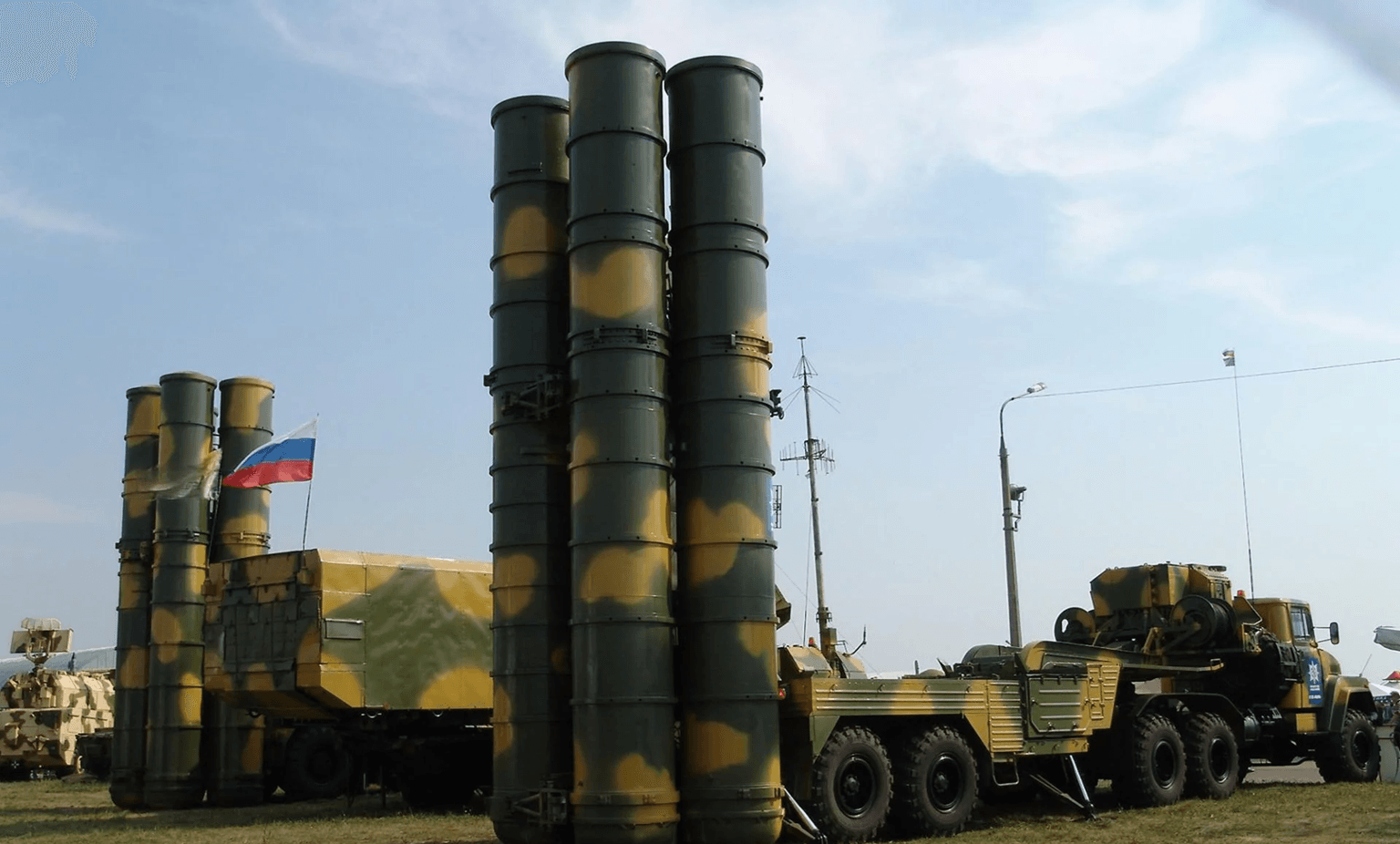
In return, Khartoum sought air defense systems and weapons at preferential prices to counter RSF, including the S-300PMU2 (64N6E2 radar detecting targets at over 300 km), the S-350 Vityaz (intercepting aircraft and missiles at approximately 120 km using the 9M96E2), along with the Buk-M2E, Pantsir-S1, KAB guided bombs, guided rockets, and UAV-based interception capabilities manufactured in Russia.
| System | Main functions | The parameters are stated in the source. |
|---|---|---|
| S-300PMU2 + 64N6E2 radar | Long-range air defense | Target detected over 300 km |
| S-350 Vityaz + 9M96E2 | Intercepting aircraft and medium-range missiles. | The range is approximately 120 km. |
If delivered, these systems would help Sudan form a multi-layered air defense network, increasing protection for Khartoum and Port Sudan against armed UAVs, missiles, and short-range attacks. In the field, this layered air defense capability could affect the balance of power on the routes connecting the capital to the Red Sea.
Besides the military sector, the agreement prioritizes granting mining concessions to Russian companies. For Russia, a base in the Red Sea expands its naval presence beyond restricted areas like the Black Sea or the Baltic, providing access to the Suez-Indian Ocean shipping lane, where many major powers have a strong presence.