
The Burevestnik nuclear missile releases radiation, and the HIMARS FLEX represents a multi-purpose advancement.
Technical analysis shows that Russia's Burevestnik missile leaves a radioactive trail in flight, while the FLEX upgrade package transforms HIMARS into a high-altitude air defense system.
Russia's nuclear cruise missiles, the US's multi-purpose rocket artillery system, and Israel's naval presence strategy in the Horn of Africa are the focus of the latest military report. Technical analyses reveal significant advances but also present numerous environmental and geopolitical challenges.
The nuclear propulsion mechanism of the 9M730 Burevestnik missile.
The 9M730 Burevestnik cruise missile (NATO designation: SSC-X-9 Skyfall) is identified as using a direct-intake open-cycle nuclear engine. According to reports from scientists at the Massachusetts Institute of Technology (MIT), this mechanism allows the missile to achieve a nearly unlimited range but leaves a radioactive trail throughout its flight.
The operation of the Burevestnik reactor is divided into two stages: starting with a solid-fuel booster stage and maintaining operation with a nuclear engine. Atmospheric air is pushed by compressors through narrow channels around the nuclear fuel block, heated by fission heat, and expands through nozzles to generate thrust. The direct contact of air with the reactor causes radioactive products to be carried along and released into the environment.
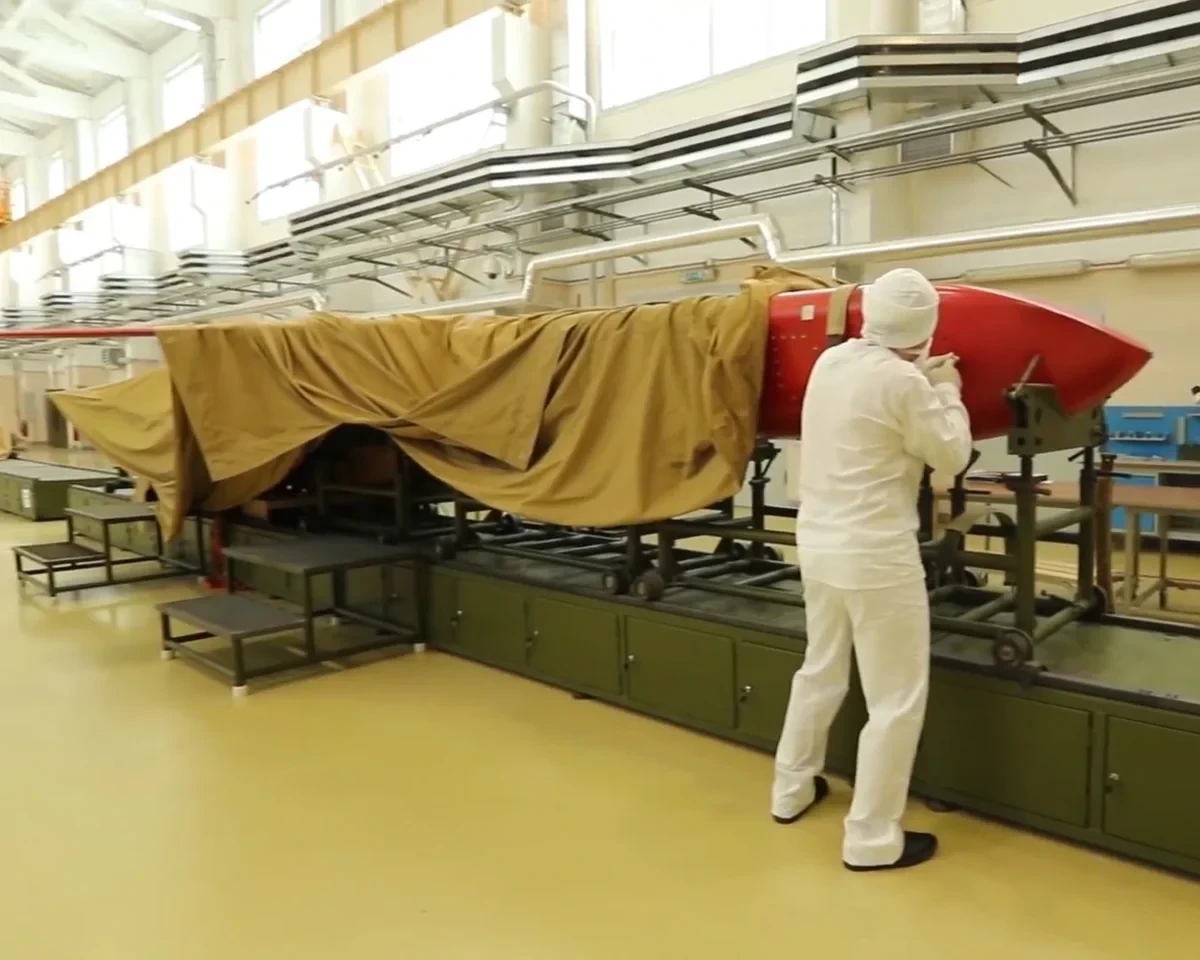
Test data shows that in the most recent launch in October 2025, the missile maintained its trajectory for 15 hours, covering a distance of approximately 14,000 km. Experts consider this to be the optimal design in terms of size, but also the "dirtiest" solution due to the issue of radioactive dispersion.
HIMARS FLEX: The transformation into an air defense system
Lockheed Martin has just introduced the FLEX upgrade package for the HIMARS multiple rocket launcher system, expanding its combat capabilities from ground attack to air defense. The key to this upgrade is the dual-pod configuration on the standard M1140 chassis, doubling the ammunition capacity compared to the previous version.
Notably, HIMARS FLEX can now integrate the Patriot PAC-3 MSE interceptor missile. Thanks to the Integrated Fire Command and Control (IBCS) network, the system can receive target data from remote sensors without the need for an accompanying fire control radar. This makes HIMARS a versatile platform, capable of flexibly switching between launching ATACMS and PrSM tactical missiles and intercepting enemy missiles.
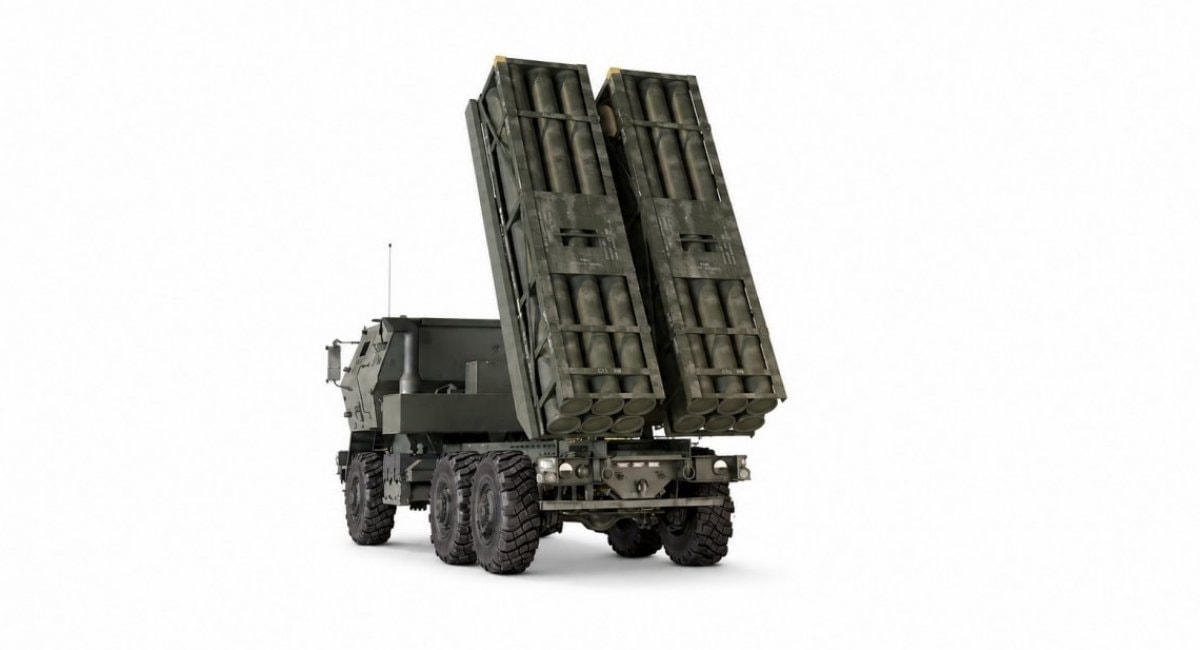
The new configuration allows the system to carry up to 12 GMLRS rockets or 8 surface-to-air missiles. Its battlefield network connectivity makes HIMARS FLEX a crucial link in a modern multi-layered defense system.
Israel's submarine strategy in the Red Sea
The Israeli Navy is planning to deploy Dolphin-class submarines to the port of Berbera in Somaliland. This strategic location, situated across the Gulf of Aden from Yemen, allows Israel to closely monitor Houthi activities and vital shipping lanes in the Red Sea.
The Dolphin-class submarines are Israel's most modern underwater combat vehicles, equipped with Popeye Turbo cruise missiles with an estimated range of 1,500 km. Establishing a presence in the Horn of Africa not only helps protect gas platforms but also expands Israel's deterrence capabilities against distant threats.
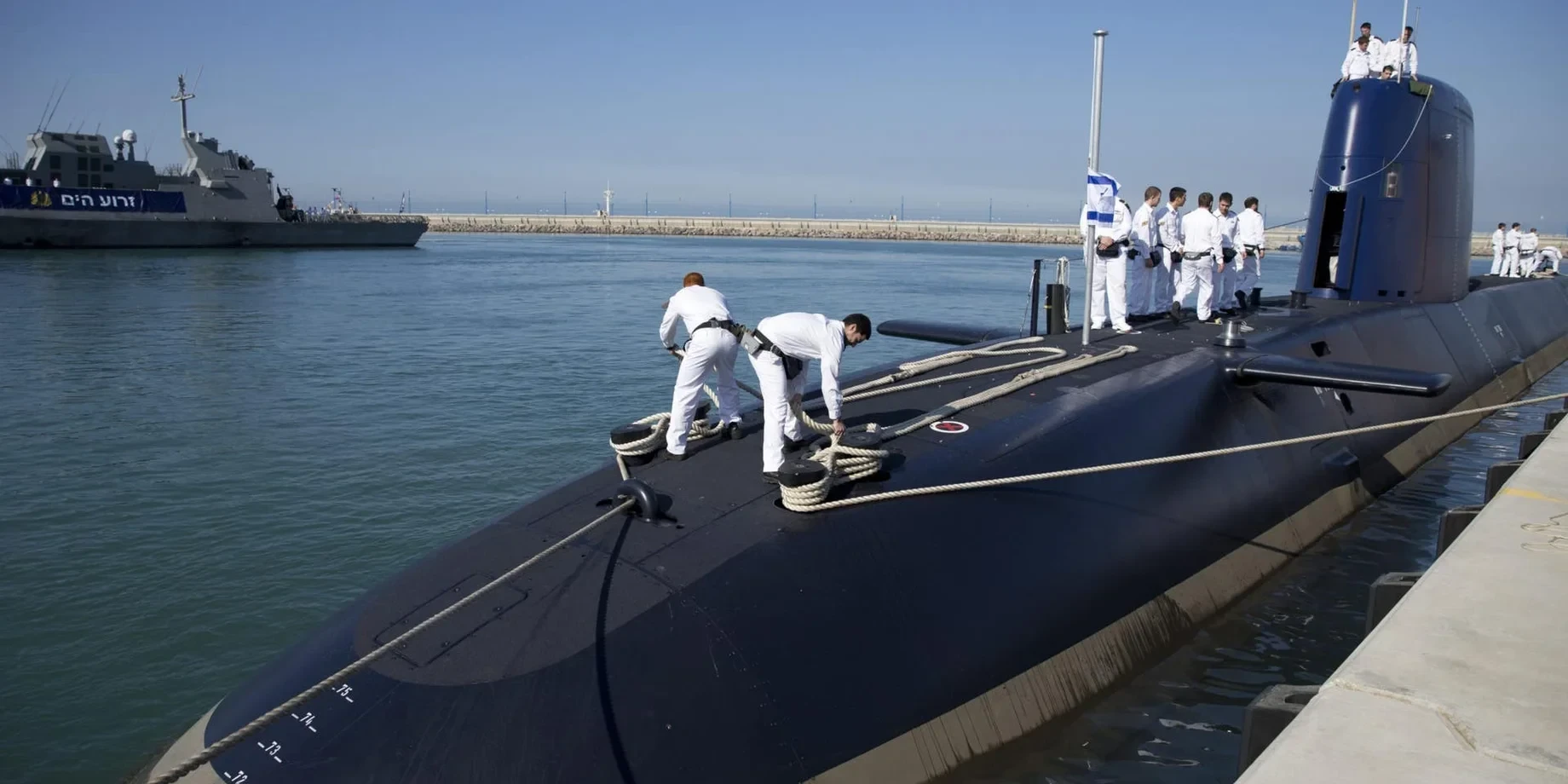
This move comes as the Horn of Africa region is becoming a hotbed of competition for influence. The combination of the Dolphin submarine's stealth capabilities and the strategic location of the Berbera port will create a significant tactical advantage for the Israeli Navy in controlling international shipping lanes.


