
Iran's Kheibar Shekan missile: A technological challenge to the THAAD and Arrow systems.
Iran has deployed the Kheibar Shekan missile, which travels at Mach 9 and utilizes MaRV technology, putting significant pressure on modern missile defense systems such as THAAD and Arrow.
Iran has deployed its latest generation ballistic missile, the Kheibar Shekan, in military operations targeting northern Israel. According to military sources, this weapon possesses superior technical characteristics, making it difficult for even the most modern missile defense systems to intercept.
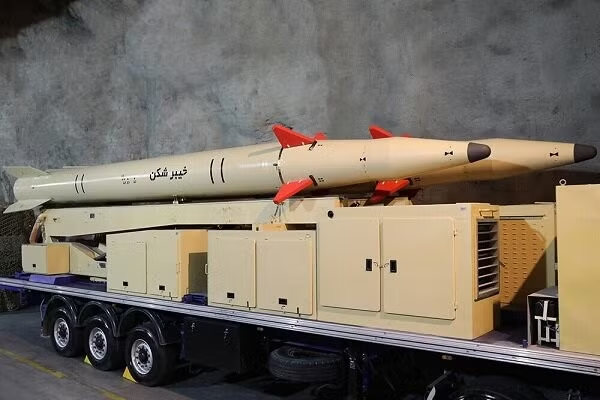
MaRV technology and superior speed.
The Kheibar Shekan missile is notable for its ability to reach speeds of up to...Mach 9during the dive phase. The unique feature of this weapon is its integration.Mobile Re-entry Vehicle (MaRV)This technology allows warheads to flexibly adjust their trajectory within the atmosphere instead of traveling along a fixed ballistic path.
Constantly changing trajectories combined with extremely high speeds pose a significant challenge for systems such asTHAAD(USA) andSanta(Israel). The ability to create multiple decoy targets when using cluster munitions in the terminal phase can overload the enemy's processing system, significantly reducing the effectiveness of interception in the final phase.
Advantages of solid-fuel engines
According to data from the Stockholm International Peace Research Institute (SIPRI), the Kheibar Shekan uses a solid-fuel engine, which shortens the launch preparation time.under 10 minutesThis figure is significantly better than the 30-45 minutes of Iran's previous traditional liquid-fuel systems.
Typical technical specifications:
- Range:1,450 km
- Length:11.4 m
- Warhead weight:Approximately 550 kg (high explosives)
- Navigation system:High-precision satellites
Iran's technology transition strategy
The appearance of the Kheibar Shekan marks a significant shift for Iran from bulky liquid-fueled missile systems to highly mobile solid-fuel platforms. This missile can be deployed on mobile launchers disguised as civilian transport vehicles, increasing its survivability against preemptive attacks.
This missile system was developed based on the Khorramshahr system, which underwent several generations of improvements from 2017 to 2023. The focus on accuracy and the ability to penetrate air defense networks is seen as a core strategy for Iran to compensate for its air force limitations and enhance its deterrence capabilities in the region.


