
Anti-aircraft missiles and interceptor drones: The technological race to protect modern airspace.
Analyzing the technical advantages between expensive anti-aircraft missiles and inexpensive interceptor drones in a multi-layered air defense model against UAV attacks.
In modern warfare, the effectiveness of an air defense system is measured not only by the number of targets shot down, but also by its ability to withstand prolonged attacks. The emergence of inexpensive unmanned aerial vehicles (UAVs) presents defense forces with a critical economic and technical dilemma: should they expend expensive missiles or deploy flexible interceptor drones?
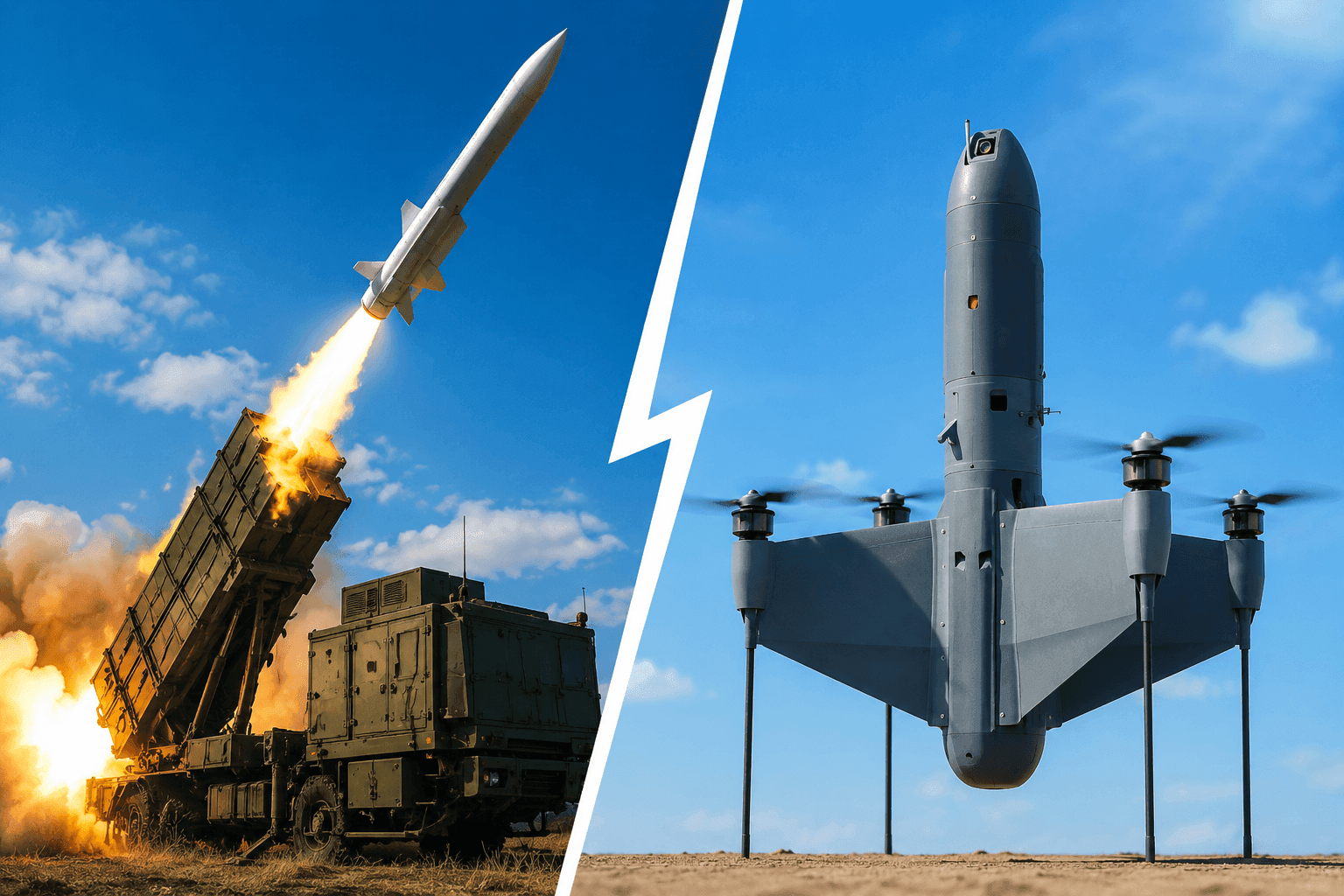
Speed and quick response: The absolute advantage of missiles.
Anti-aircraft missiles possess a significant advantage in terms of reaction speed, range, and the ability to intercept highly dangerous targets such as fighter jets, cruise missiles, or ballistic missiles. Anti-aircraft missiles, already on the launcher, can accelerate immediately after leaving the launch tube, optimizing processing time when the defending side has only a few minutes to react.
Conversely, interceptor drones need time to take off, gain altitude, receive data, and move to the approach position. For slow-flying UAVs like the propeller-driven Shahed, interceptor drones can still keep up. However, when the enemy upgrades to jet-powered UAVs reaching speeds of around 500 km/h, current interceptor drones such as the P1-SUN Jetkiller (370 km/h) or Bullet (aiming for 400-500 km/h) face clear technical limitations.
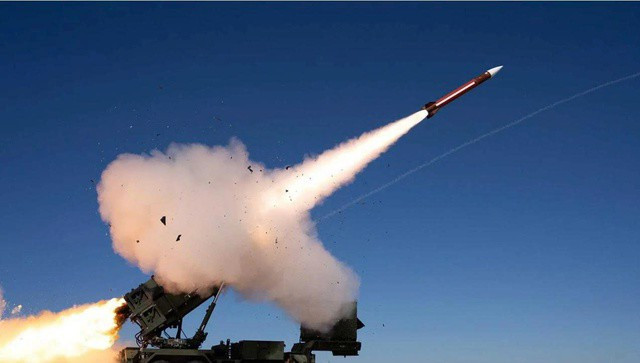
Therefore, anti-aircraft missiles like the Patriot remain a mandatory means in the task of countering ballistic missiles or protecting strategic targets from high-speed threats.
Optimizing operational costs with interceptor drones.
The biggest difference between the two solutions lies in the financial aspect. A modern anti-aircraft missile like the PAC-3 MSE costs around $4 million, while a Shahed UAV costs only about $35,000. Continuously using million-dollar missiles to destroy cheaper targets would quickly deplete ammunition stocks and drain the budget.
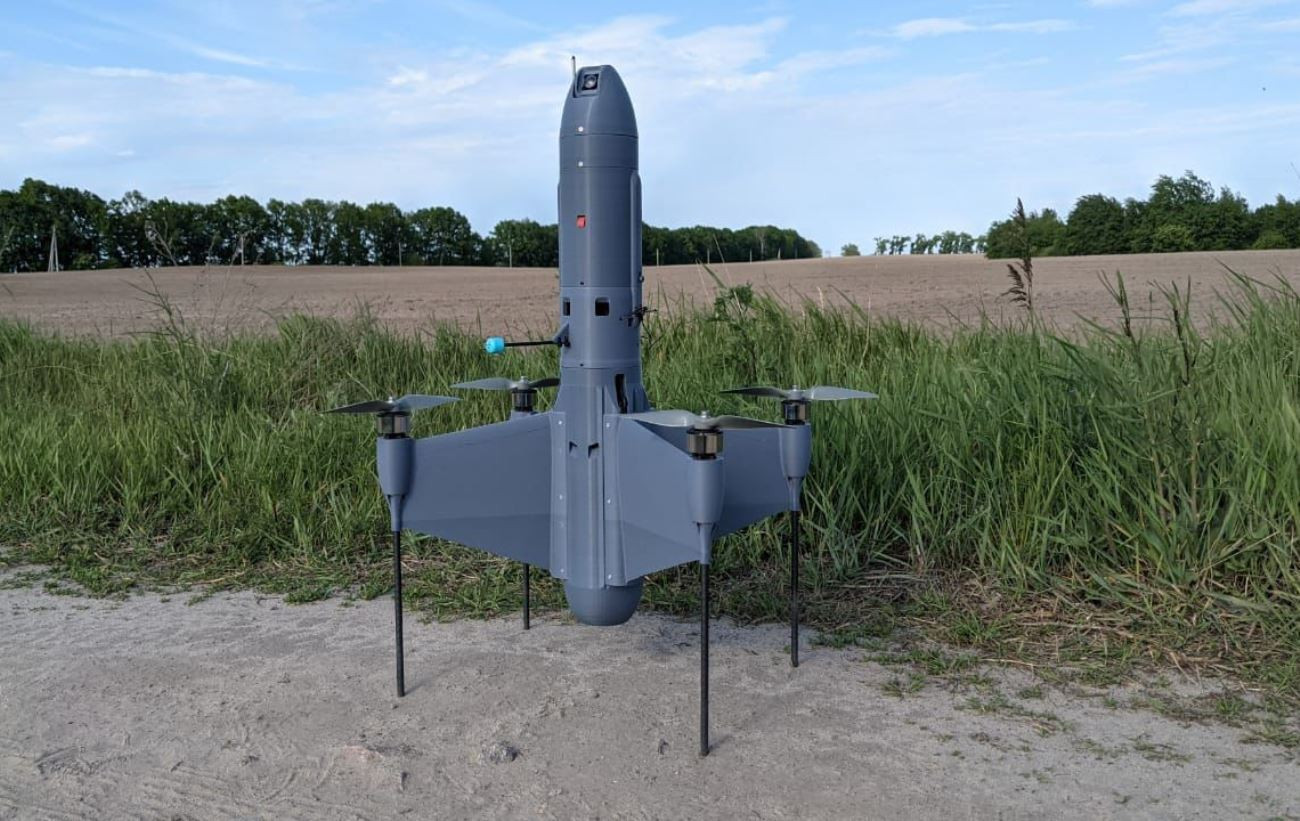
Interceptor drones solve this problem with production costs ranging from under $1,500 to a few thousand dollars per unit. Thanks to the use of commercially available components and a simple manufacturing process, this type of vehicle can easily be scaled up in a short time. Actual data shows that interceptor drones accounted for approximately 40% of UAVs shot down in the Ukrainian battlefield in April 2026, a significant increase from 25% during the previous winter.
Technical reliability and tactical adaptability
Anti-aircraft missiles incorporate sophisticated seekers, precise flight management systems, and can withstand harsh weather conditions. In contrast, interceptor drones are heavily influenced by wind, clouds, visibility, and electronic jamming. Low flight paths, easily obscured by terrain, also cause drones to consume more battery power.
Nevertheless, drones possess greater adaptability after launch. Some advanced models, such as RTX's Coyote Block 3NK, can patrol, hover, use non-kinetic energy effects to neutralize swarms of UAVs, and then return for reuse. Furthermore, drone control software and recognition algorithms can be continuously upgraded in short cycles to counter new combat tactics from the enemy.
Building a model of a multi-story air-conditioned room.
Modern air defense systems cannot rely on a single weapon when the enemy organizes a coordinated attack involving reconnaissance UAVs, decoys, cruise missiles, and ballistic missiles. Relying solely on missiles would be prohibitively expensive; relying only on drones would allow high-speed targets to easily penetrate the defenses.
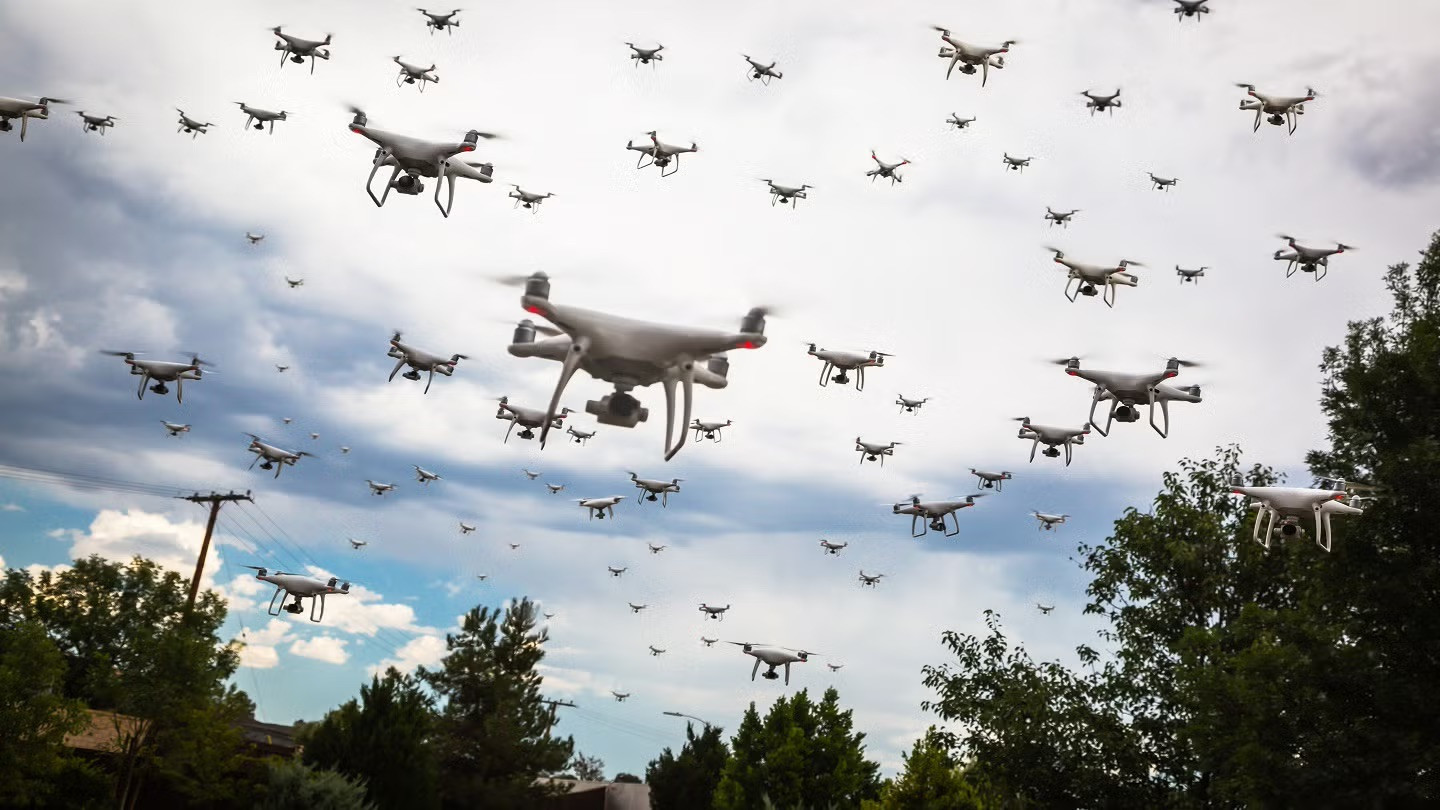
The multi-tiered air defense model optimizes task allocation:
- Electronic warfare:Blocking the UAV's positioning signals and control links.
- Artillery and machine guns:Close-range protection against low-flying targets.
- Interceptor drones:Responsible for conducting large-scale, low-cost UAV raids.
- Short/medium/long-range missiles:Destroy fighter jets, cruise missiles, and ballistic missiles.
Military alliances like NATO are pushing for the integration of this network system. The Drone Edge project, launched in Ankara with a budget of over $40 billion over five years, aims to connect all sensors, operators, and diverse interceptor vehicles to a single unified command center.


