
Tesla Cybertruck 2023–2025: A quick review of the lighting issue.
63,619 Tesla Cybertrucks manufactured between November 2023 and October 2025 are being recalled due to LED headlights exceeding the intensity limit specified in FMVSS 108. Tesla plans to fix this with an over-the-air (OTA) update, minimizing downtime for users.
Sixty-three Tesla Cybertrucks manufactured between November 2023 and October 2025 have been identified as having LED headlights that emit light exceeding the permissible limits according to FMVSS 108 standards and are subject to a recall for correction. Internal assessments using photometric testing revealed that the control software "ordered" the headlights to emit excessive light, potentially causing glare and distracting oncoming drivers. Tesla plans to address the issue with an over-the-air (OTA) software update, avoiding unnecessary in-car visits.
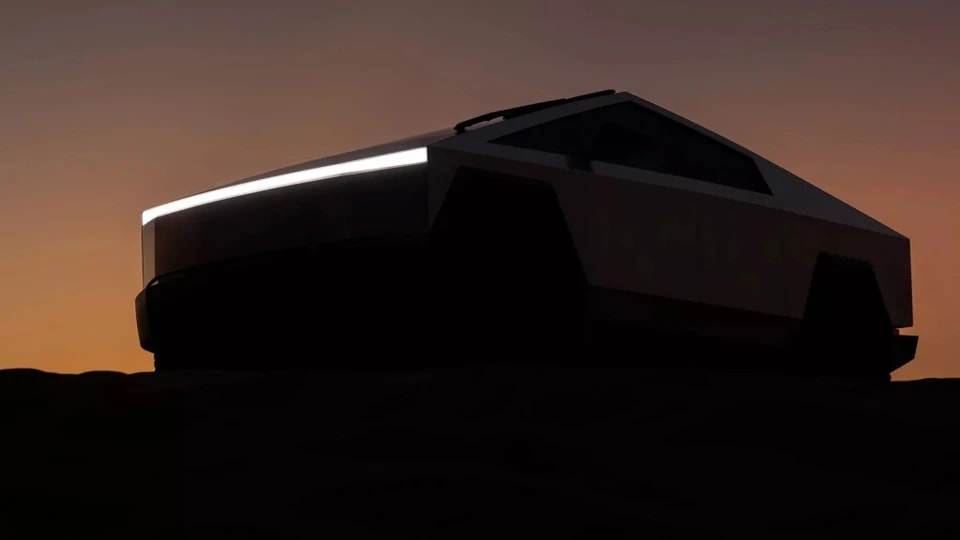
Headlights exceeding regulations: conclusions from photometric testing.
Internal photometric measurements show that the brightness of the Cybertruck's LED headlights exceeds the maximum limit set by US authorities in FMVSS 108. When brightness exceeds this standard, the beam can cause glare for oncoming traffic, reducing visibility and reaction time.
In the case of the Cybertruck, the engineering team concluded that the cause was the control software, not a hardware fault in the lights. Identifying the cause at the software level allows for faster and more consistent fixes via OTA.
Lighting design and philosophy: where aesthetics must go hand in hand with safety standards.
The Cybertruck uses LED headlights at the front. Internal tests showed that the actual illumination level exceeded the limits. For vehicles with prominent light strip designs, ensuring the intensity and distribution of light comply with regulations is a key technical factor, aiming to balance brand recognition and visibility for all traffic flow.
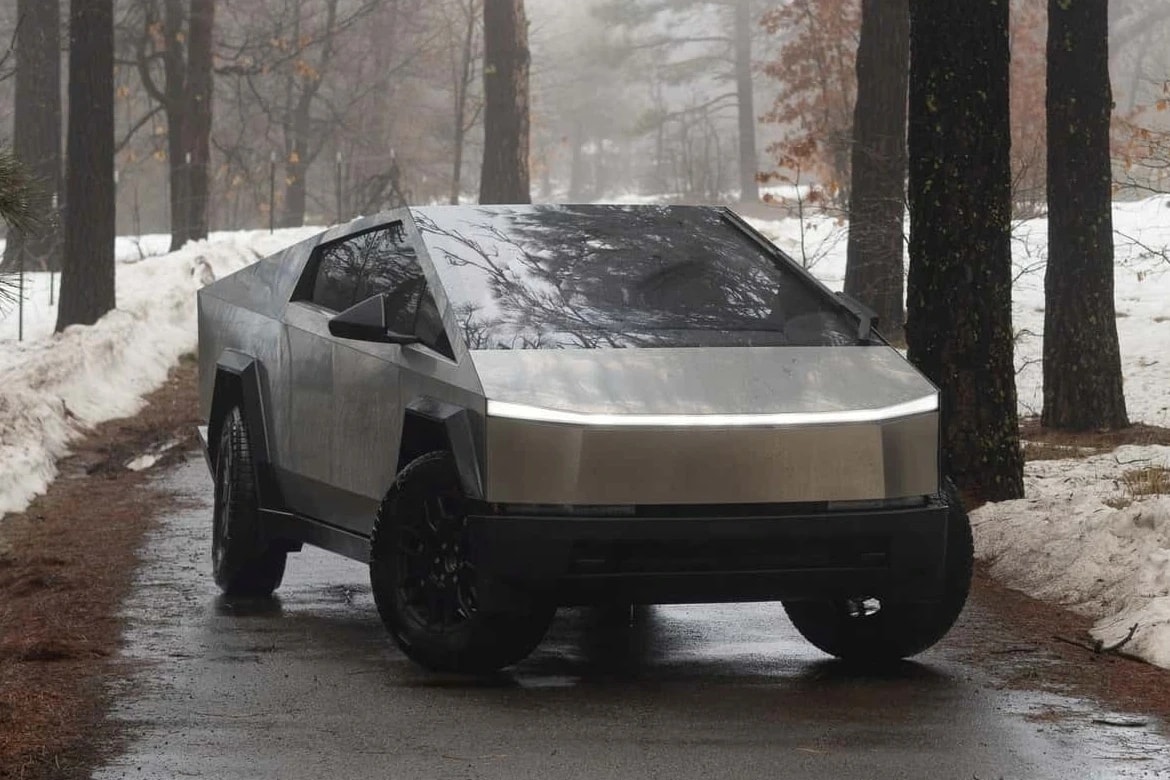
Nighttime user experience: glare risks and how to mitigate them.
Authorities believe that headlights exceeding the permitted level can dazzle oncoming drivers, leading to distraction. With the error stemming from a software issue, the over-the-air (OTA) solution minimizes disruption for vehicle owners. After the update, the expected illumination intensity is adjusted to comply with FMVSS 108, while maintaining the necessary lighting effectiveness for Cybertruck drivers.
Industry precedent: not an isolated case.
Tesla isn't the first manufacturer to recall vehicles due to overly bright headlights. Last year, over 3,000 Macan Electric vehicles experienced a similar issue and were fixed with a software update. Prior to that, in 2022, GMC Terrain addressed the problem with a hardware solution using a sticker to partially block the light beam. These examples demonstrate the industry's diverse response strategies, ranging from software adjustments to hardware interventions, depending on the lighting system configuration of each model.
Scope, timeline, and methodology for bug fixing.
| Category | Detail |
|---|---|
| Car model | Tesla Cybertruck (electric pickup truck) |
| Number of influences | 63,619 vehicles |
| Production time | November 2023 – October 2025 |
| Problem | LED headlights emit light exceeding the FMVSS 108 limit. |
| Reason | Software calibration error for the lighting control system. |
| Safety risks | Risk of causing glare and distracting oncoming drivers. |
| Remedial methods | The OTA software update is expected to be released soon. |
Impact on users and fleet operations
With a scale of 63,619 vehicles, the update requires an organized deployment roadmap to ensure all vehicles receive the patch promptly. Over-the-air (OTA) updates, if implemented, help reduce the load on the service system, minimizing waiting times and additional costs for customers. This also demonstrates the advantage of the electronic architecture that allows for remote updates when the error originates from the software.
Compared to competitors in the segment
In the context of electric vehicles increasingly relying on software to optimize the driving experience, manufacturers – from Tesla to other German and American brands – must strictly adhere to lighting regulations. Experience from the Macan Electric and GMC Terrain shows that solutions can be flexible: if the issue is purely software-related, an over-the-air (OTA) update is the best option; if it involves beam distribution due to hardware, physical intervention may be necessary.
Conclusion: A quick assessment based on technical criteria.
- Advantages: The cause is identified at the software level; the ability to fix the problem via OTA shortens the repair time and reduces disruption for users.
- Limitations: Headlight intensity exceeds FMVSS 108 standard; risk of glare for oncoming vehicles; large-scale impact affecting 63,619 vehicles manufactured between November 2023 and October 2025.
- Suggested action: Wait for the official update announcement and complete the OTA update as soon as it's available to bring the lighting system back to compliance levels.
This recall underscores the importance of photometric testing and compliance with lighting standards for electric vehicles using high-intensity LED lights. With a software-based solution, the issue is likely to be resolved efficiently, preserving user experience and ensuring the safety of road users.


