
Tesla Model 3 2025, Model Y 2026: Technical Review
Tesla is recalling 12,963 2025 Model 3 and 2026 Model Y vehicles due to an InTiCa solenoid battery contact that may open while the vehicle is running, causing a loss of traction. No accidents have been reported; the company will replace the faulty parts.
Tesla has issued a recall notice for 12,963 vehicles in the U.S., including 5,038 2025 Model 3s and 7,925 2026 Model Ys, according to filings with the National Highway Traffic Safety Administration (NHTSA). The issue is believed to involve a contact in the high-voltage battery pack, which uses an InTiCa solenoid, that could open unexpectedly while the vehicle is in motion, leading to a loss of traction.
This article approaches the issue from a technical perspective: clarifying the phenomenon, remediation process, and user experience in the incident scenario, based on the recall document published by NHTSA.
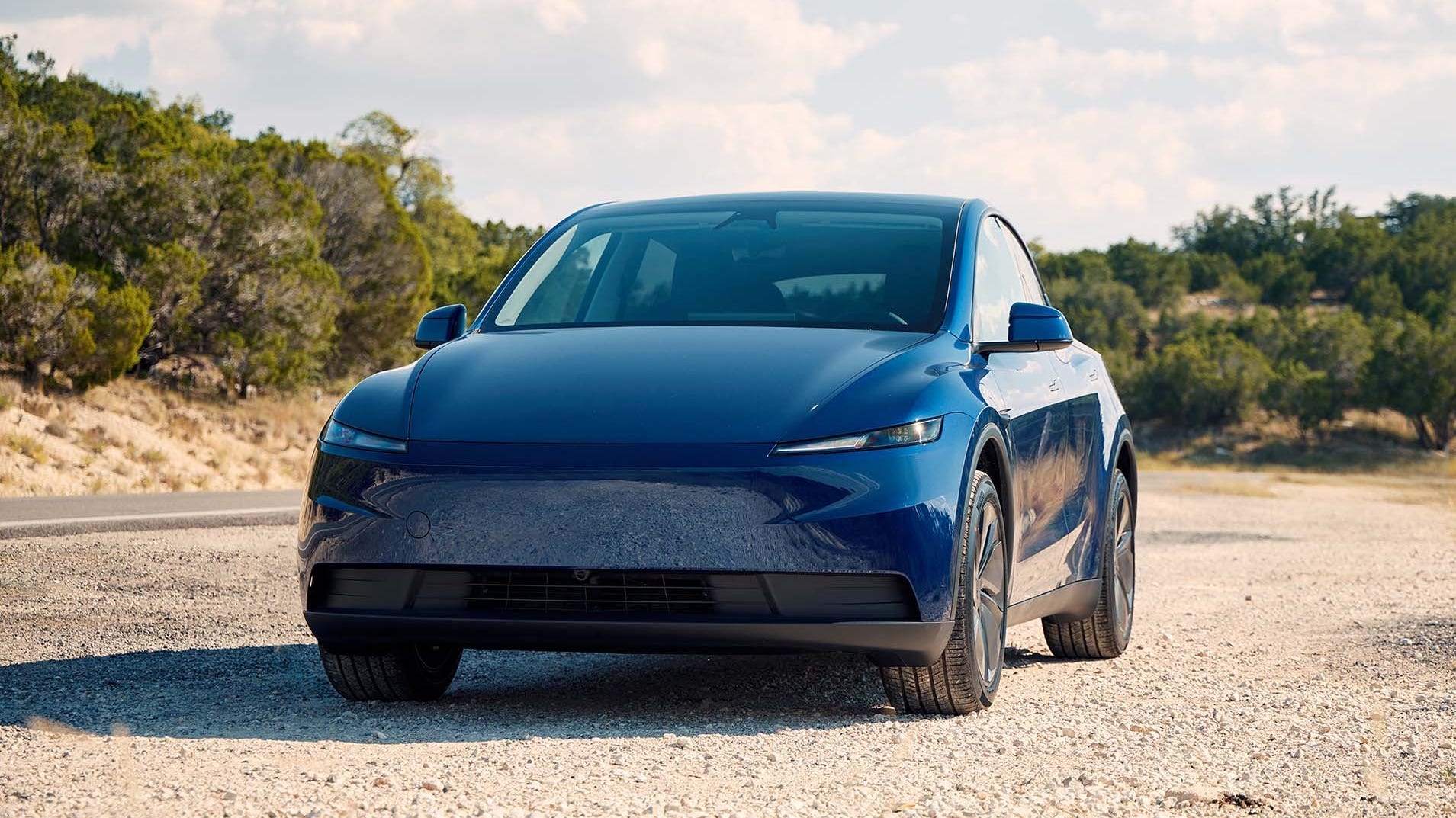
Technical test from a recall
According to the recall document, the battery pack contacts on the affected vehicles were manufactured with InTiCa solenoids that have faulty coil connections. This connection can cause the solenoid to open abruptly, disconnecting the battery pack from the powertrain and resulting in a loss of traction. There is no warning before the loss of traction occurs. When the incident happens, the infotainment screen displays a visual warning with instructions to pull over to a safe place.
As of October 7, 2025, Tesla had recorded 36 warranty claims and 26 related field reports. The company stated that it had not received any reports of collisions, injuries, or fatalities related to this issue.
High voltage systems and the role of contactors
In electric vehicle architecture, the contactor is an electromechanical mechanism that allows the high-voltage battery pack to be disconnected from/connected to the powertrain. If the contactor opens while running, the system loses the traction needed to maintain acceleration. The recall document identifies the InTiCa solenoid as the source of risk due to a substandard coil terminal connection, leading to unintended open state.
In terms of operation, a sudden loss of traction can be detrimental to the driver when accelerating, overtaking, or merging. Therefore, instructing the driver to pull over immediately upon seeing the warning is necessary to establish a passive safety state for the vehicle and passengers.
Design is not the focus of this case.
The recall document does not mention any exterior changes or differences between the affected vehicles. Therefore, body design or aerodynamics are not within the scope of this article's assessment.
User experience when the vehicle loses traction.
The key takeaway from the documentation is the warning experience: before the incident, there were no warning signals. Immediately after the loss of traction, the system displayed a visual warning and safe handling instructions on the central screen. This shows that Tesla prioritizes providing immediate guidance at the user interface level. The documentation doesn't detail the status of other systems, so this article avoids speculation.
Safety data and remediation roadmap
Documents submitted to the NHTSA indicate there have been no accidents, injuries, or fatalities related to the issue. Regarding technical measures, Tesla will replace the faulty contactor with a non-solenoid InTiCa component. Notifications to dealerships and service centers are expected on or shortly after October 15th; notifications to vehicle owners are expected to be sent by mail starting December 9th. Owners can proactively check their vehicle status using their VIN number on the NHTSA lookup page.
Reference:NHTSA Recall Lookup Tool.
Pricing and positioning: not directly affected.
The recall document does not mention the selling price or changes to the equipment configuration. Therefore, this article does not compare the cost of ownership or product value; the focus is on safety and repair options.
Recall summary table
| Category | Detail |
|---|---|
| Scale | 12,963 vehicles |
| Car line | Tesla Model 3 (5,038 vehicles), Tesla Model Y (7,925 vehicles) |
| Five generations | Model 3 2025; Model Y 2026 |
| Influencing components | Battery pack contactor using InTiCa solenoid |
| Phenomena | The contacts may open while the vehicle is running, causing a loss of traction. |
| Warning for the driver | There is no early warning; after loss of traction, a warning and instructions to pull over are displayed on the screen. |
| Field data | 36 warranty claims, 26 field reports as of October 7, 2025 |
| The consequences are recorded. | No collisions, injuries, or fatalities have been reported. |
| Remedial measures | Replace the contact assembly with a solenoid-free InTiCa component. |
| Notification schedule | Dealership/Service Center: around October 15th; Owner: estimated December 9th |
| Source | Recall documents released by NHTSA |
Conclude
From a technical perspective, this recall highlights the crucial role of contactors in the high-voltage safety chain of electric vehicles. The risk of sudden traction loss is noteworthy due to the lack of early warning, but current field data shows no road safety consequences. Replacing components that do not use InTiCa solenoids is a direct solution to the root cause of the problem.
Advantages/Disadvantages of Condensation
- Pros: Clearly identified faulty component; specific troubleshooting procedure; no reported accidents.
- Disadvantages: Loss of traction occurs without early warning; directly impacts operational capability if a failure occurs.


