
Tesla Model S Plaid: 12 Years of Evolution and the Next Step
Twelve years later, Tesla maintains the Model S with software and performance updates; prior to the Lucid Air Sapphire and Taycan Turbo GT, the company is preparing the Redwood NV9X platform starting in 2025.
Launched in 2012, the Tesla Model S – a large electric sedan – played a key role in the automotive industry's shift towards electrification. After more than a decade, the Model S is no longer the absolute leader, but Tesla has maintained its position through performance and software upgrades, along with a visual refresh in 2021. Competitive pressure now comes from rivals with superior specifications, while a next-generation platform is reportedly under development.
Legacy of performance: from P100D to Plaid
In 2016, the P100D version with 762 horsepower and Ludicrous mode allowed the Model S to accelerate from 0–96 km/h in 2.5 seconds, which was the fastest acceleration time for a production car at the time. Later, Ludicrous Plus further reduced this to 2.3 seconds, solidifying the Model S's image as a performance-focused electric sedan.
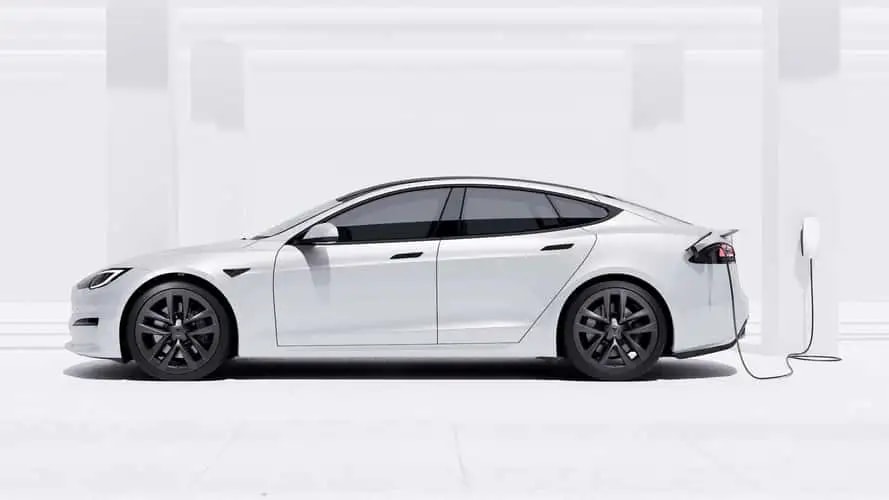
The most recent upgrade took place in 2021, featuring exterior refinements, new headlights, and a more modern interior. The center console screen layout changed to a 17-inch horizontal display, replacing the previous vertical one. This update also introduced the Model S Plaid, becoming the most powerful variant in the model's history.
Current position: a race for performance and range.
While the Model S retains its image as a performance-oriented luxury sedan, new rivals have surpassed it in key metrics. The Lucid Air Sapphire is described as the world's fastest electric sedan, and the Porsche Taycan Turbo GT boasts significantly higher track performance. Furthermore, standard Lucid Air versions offer a longer range, narrowing the Model S's advantage.
Long-term lifecycle strategy: continuous updates instead of new generations.
For a traditional manufacturer, a 12-year-old model would typically be discontinued. Tesla takes a different approach: maintaining the Model S for the long term and continuously updating its software and performance. This approach helps the Model S remain present in the premium electric sedan segment, despite increasingly fierce competition.
Redwood and the NV9X platform: a new generation direction.
A completely new generation of the Model S is likely under development, although Tesla has not confirmed it. According to leaked information, the internal project, codenamed “Redwood,” is being built on Tesla’s next-generation electric vehicle platform. In a January 2024 financial meeting, Elon Musk stated that the first vehicles of this new generation would begin production at the Giga Texas (Austin) plant in mid-2025.
This platform is expected to support not only compact cars but also large luxury sedans, most likely including the next-generation Model S. According to Reuters, the next-generation platform, codenamed NV9X, will be shared with at least two other models, not just crossovers or SUVs. These facts reinforce the possibility that Tesla's flagship sedan is preparing for a platform transition.
Requirements for the successor to the Model S
The current Model S retains its luxurious and sporty appearance, but lacks major design changes since 2016. A new generation – if commercialized – would need a more efficient platform, longer range, and more impressive acceleration for Tesla to solidify its position in the premium electric sedan segment.
Notable performance milestones and upgrades
| Year | Version/Upgrade | Key specifications |
|---|---|---|
| 2016 | Model S P100D (Ludicrous) | 762 horsepower; 0–96 km/h: 2.5 seconds |
| After 2016 | Ludicrous Plus | 0–96 km/h: 2.3 seconds |
| 2021 | Redesigned; launching Plaid. | New headlight cluster; modern interior; 17-inch horizontal display. |
Conclude
The Model S has maintained its appeal for 12 years thanks to software and performance upgrade cycles, along with a 2021 refresh and the Plaid variant. Under pressure from the Lucid Air Sapphire and Porsche Taycan Turbo GT, signs of the Redwood/NV9X project and production starting in mid-2025 at Giga Texas suggest Tesla may be preparing for the next step in its flagship sedan lineup. A new generation Model S – if launched – would need higher efficiency, longer range, and more impressive handling to reassert its position.


