
The next-generation Tesla Model S: Is the Redwood platform the future?
After more than a decade, the Tesla Model S is facing intense competition. The new "Redwood" platform could be the key to a next generation, reshaping the future of this iconic model.
The pioneering position is being challenged.
The Tesla Model S, launched in 2012 and Tesla's longest-running product, is facing significant challenges. Once a dominant icon in the high-performance electric sedan segment, the Model S's position is no longer secure as newer competitors have surpassed it in many aspects, such as performance and range.
Currently, the Lucid Air Sapphire has overtaken the Model S Plaid as the world's fastest electric sedan, while the Porsche Taycan Turbo GT demonstrates superior performance on the racetrack. Even the standard version of the Lucid Air is rated higher than the Model S in overall performance. The Model S's only remaining competitive advantage seems to be its Full Self Driving system, which, while not yet perfected, is considered more advanced and accessible than its rivals.
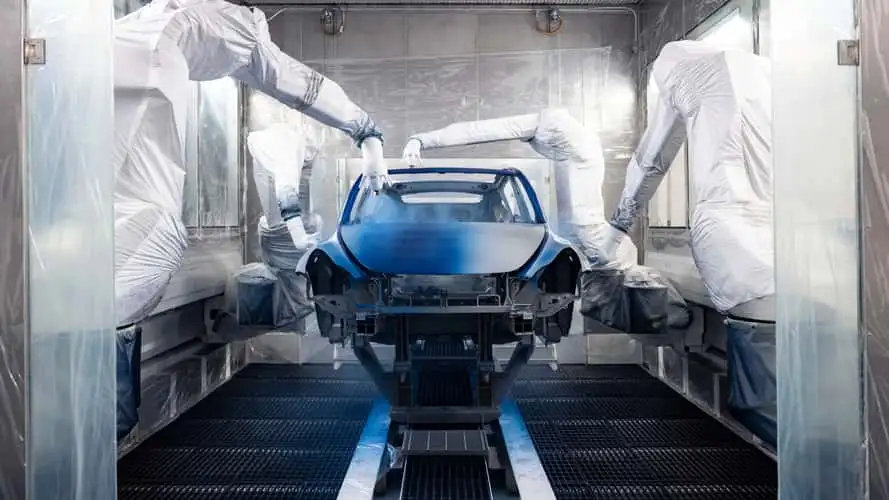
The journey of an icon spanning over a decade.
Tesla began developing the Model S before 2007 and launched the commercial version in 2012. The car shattered stereotypes about electric vehicles with its sporty, luxurious design and impressive performance.
Throughout its product lifecycle, the Model S has received several notable upgrades. In 2016, the P100D version with “Ludicrous” mode achieved 762 horsepower, capable of accelerating from 0-96 km/h (0-60 mph) in just 2.5 seconds. The most recent major upgrade in 2021 brought exterior and interior changes, a more modern design with a horizontally positioned center screen, and the introduction of the high-performance Plaid version. However, fundamentally, the overall design of the car has remained largely unchanged since 2016.
The "Redwood" foundation and hopes for the next generation.
According to sources, Tesla is developing an entirely new electric vehicle platform internally codenamed “Redwood.” Elon Musk has confirmed that the first vehicle using this platform is expected to be produced at the Giga Texas plant by mid-2025.
This next-generation platform, internally codenamed “NV9X”, is believed to be for more than one model. This opens the possibility that an entirely new generation of Model S will be developed on this architecture, promising significant improvements in performance, range, and technology.
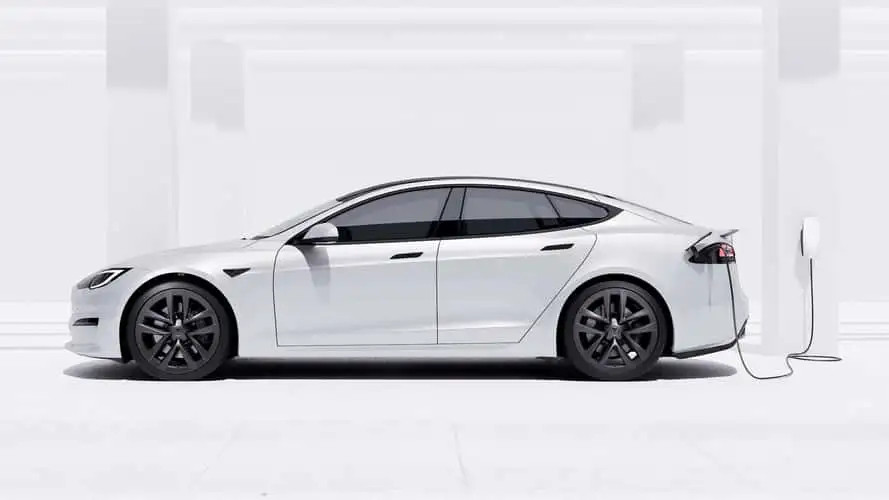
Market pressure and the future of the Model S
Competitive pressure is a crucial factor. While the Model S was virtually unrivaled upon its launch, the luxury electric sedan market has now become vibrant with the entry of the BMW i5, Mercedes-Benz EQE, and Porsche Taycan. Consumers have more choices, and Tesla can hardly ignore the segment it once dominated.
Although sales of the Model S and Model X (nearly 69,000 vehicles in 2023) are relatively modest compared to the 1.74 million Model 3 and Model Y vehicles sold, maintaining a presence in the premium segment remains strategically important. Allowing an iconic model like the Model S to end its lifecycle without a worthy successor would be a loss for the legacy it has created in the automotive industry.


