
Mid-Autumn Festival and street lion dance art
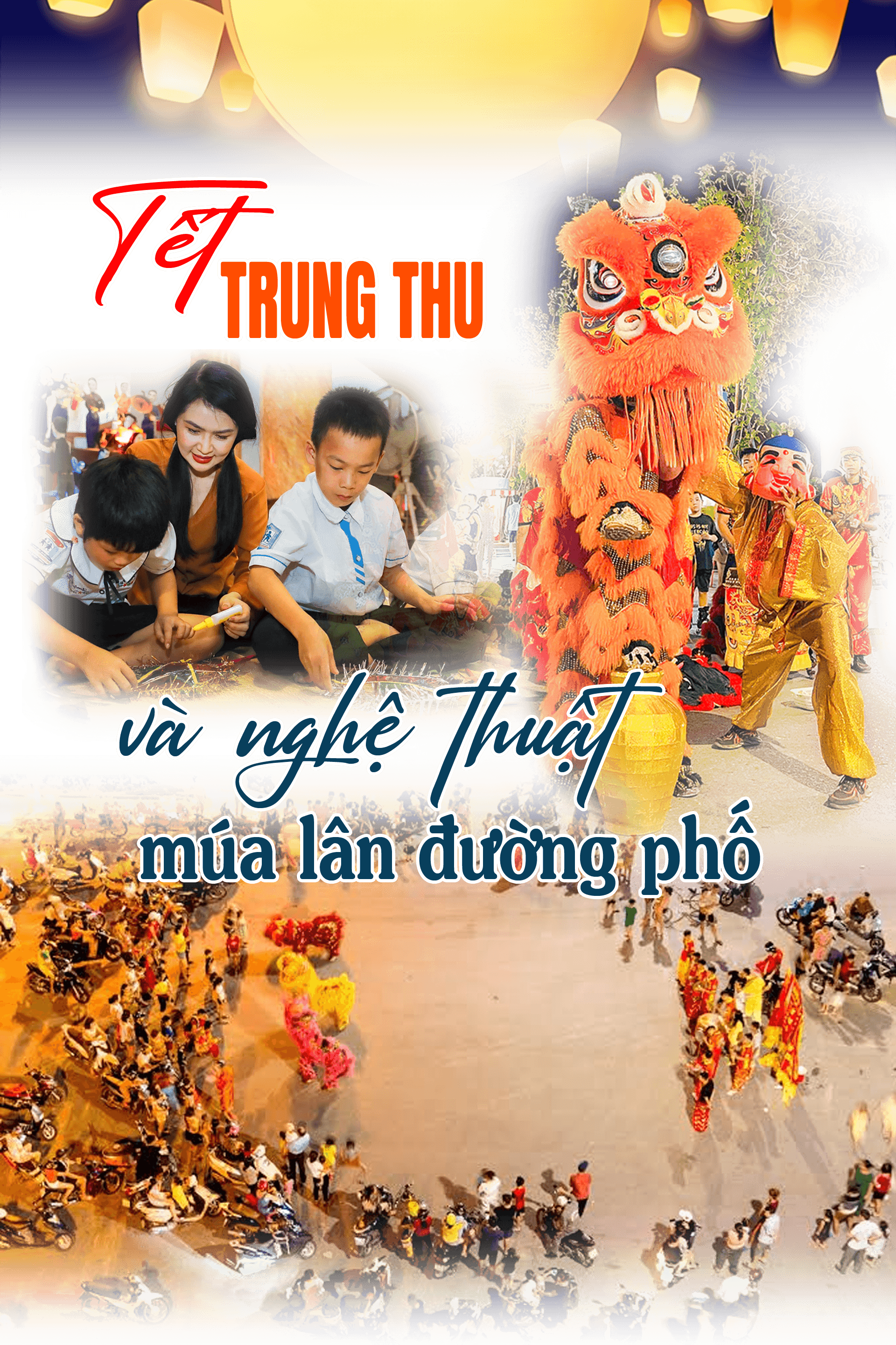
Mid-Autumn Festival used to be a community celebration, where children made their own lanterns, paraded them through the alleys, and waited together for the feast. The lively sounds of lion dance drums, the light from the paper lanterns, and the laughter of children created a unique memory of the Mid-Autumn Festival. Today, such celebrations are becoming rare. The story of the lion dance therefore raises a broader question: Is it possible to restore to children a space for street art, a true Mid-Autumn Festival celebration?
Thanh Nga/Present: Hong Toai •15/9/2026
*****
Mid-Autumn Festival used to be a community celebration, where children made their own lanterns, paraded them through the alleys, and waited together for the feast. The lively sounds of lion dance drums, the light from the paper lanterns, and the laughter of children created a unique memory of the Mid-Autumn Festival. Today, such celebrations are becoming rare. The story of the lion dance therefore raises a broader question: Is it possible to restore to children a space for street art, a true Mid-Autumn Festival celebration?

Back then, weeks, even months, before the Mid-Autumn Festival, children would start preparing their lanterns. These lanterns, made from rice paper and bamboo frames, were simple star-shaped lanterns, sometimes more elaborate ones like moving lanterns with figures illuminated by candlelight. Grapefruit seeds, harvested after each grapefruit season, were also used to string together small lanterns, which, when lit, emitted a very distinctive fragrance.
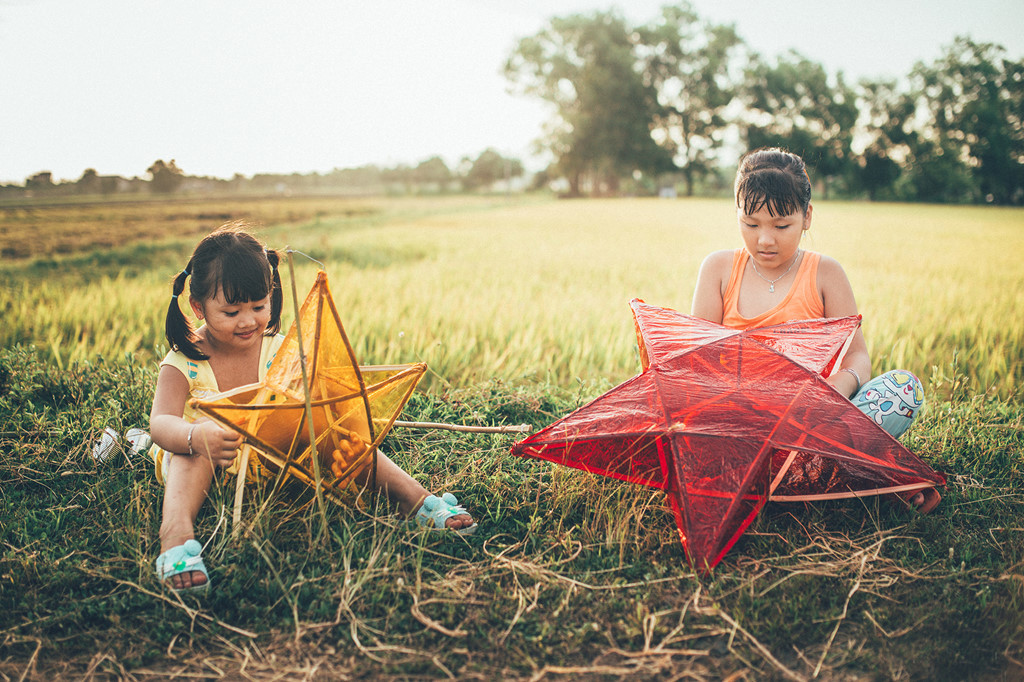
Those materials aren't expensive. But it's precisely that simplicity that makes a Mid-Autumn Festival lantern a part of our memories. Children not only have a toy to hold in their hands, but also a story about how it was made.
Mr. Nguyen Van Ha, a traditional Do paper maker in Vinh Loc ward, recalls that about two decades ago, around this time of year, paper makers would be busy with the season. Paper used for making Mid-Autumn Festival lanterns, especially the colored paper, was always in high demand and customers would place orders early.
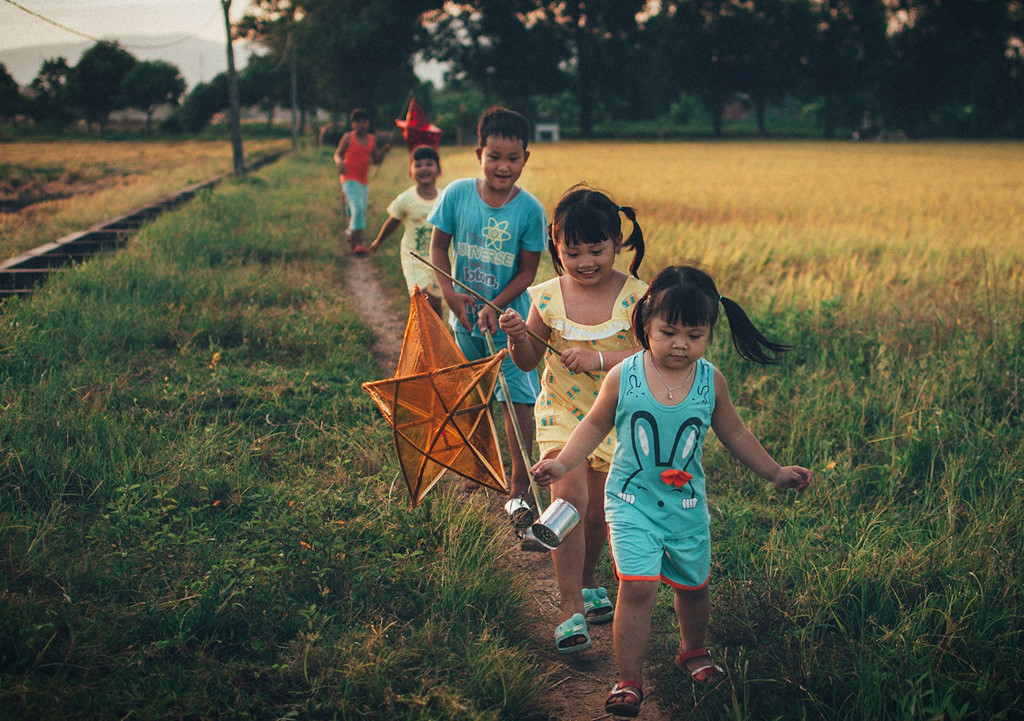
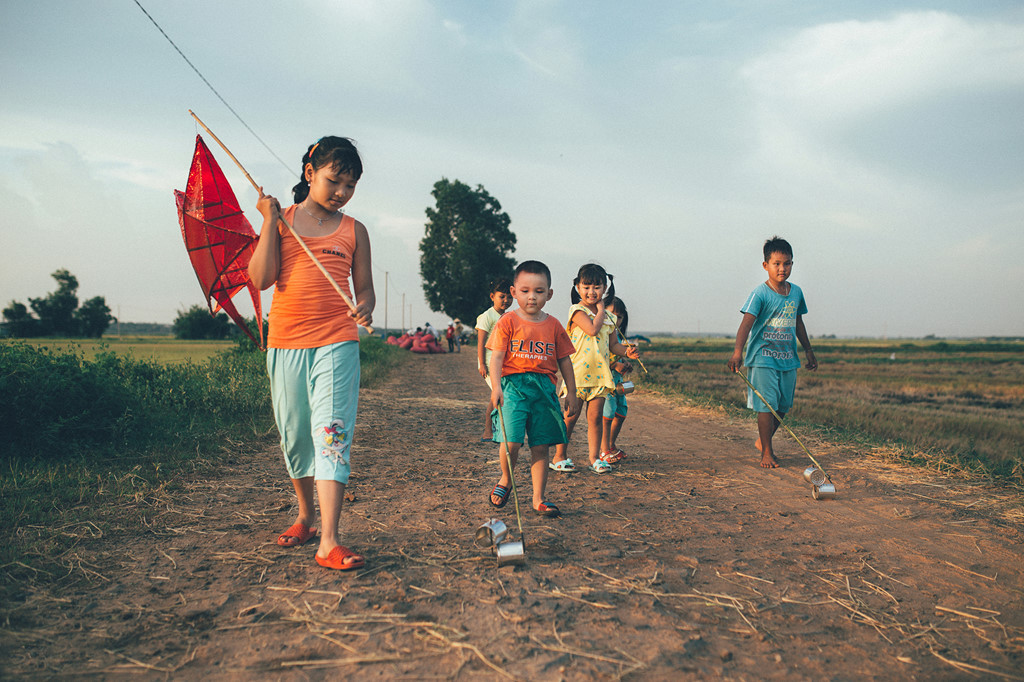
In the past, the Mid-Autumn Festival wasn't a fixed-time event. It was a whole process of preparation and anticipation. Children would get together to make lanterns, and in the evening, they would go on lantern parades. Some parades started around 7 PM and lasted until almost 10 PM, when the children would gather again to enjoy the feast.
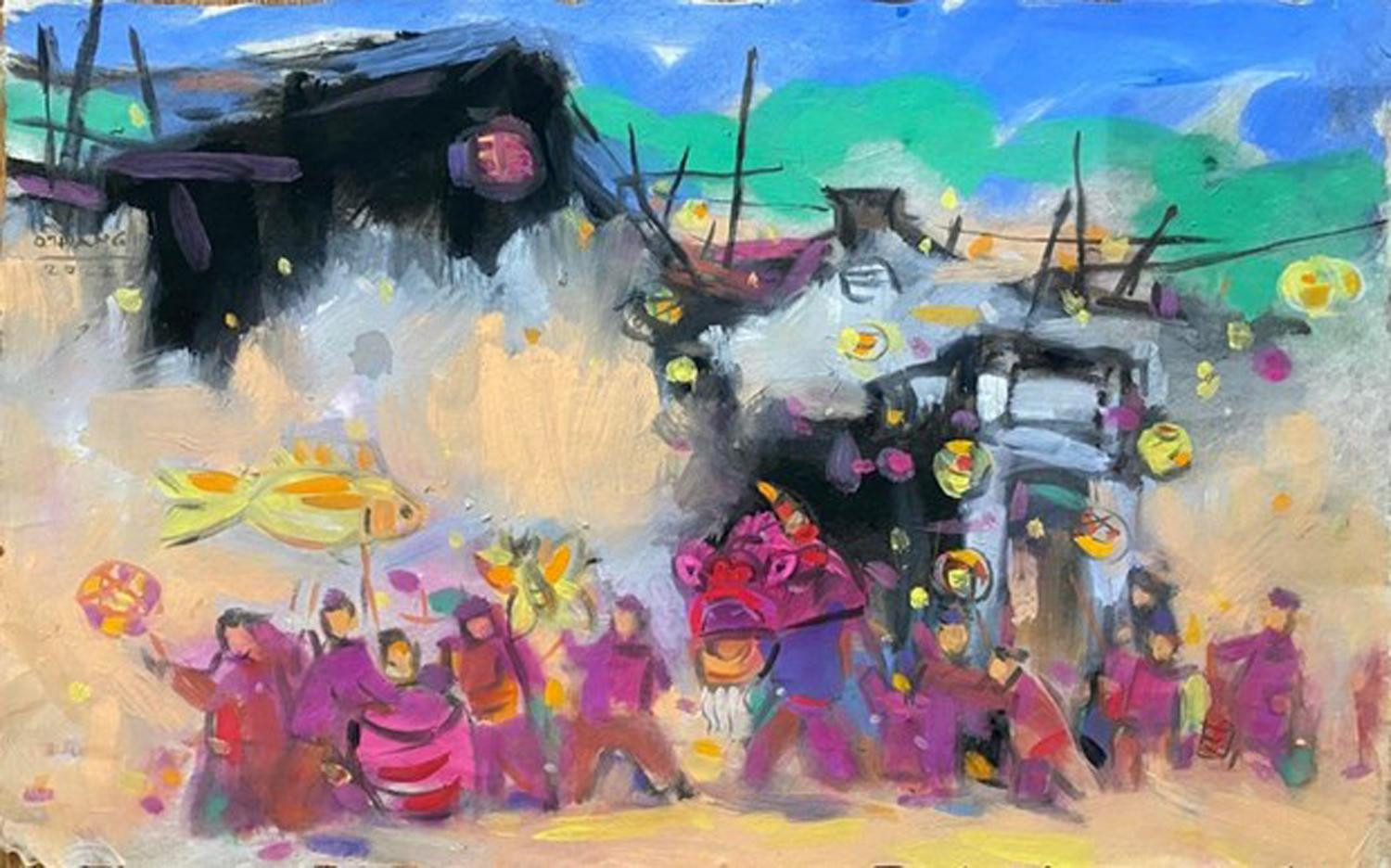
The lanterns lead the way, followed by a long line of children. Laughter, drumming, and calls echo through the village lanes and alleys. Behind the lion dance troupe of the youth union members from the village and commune, a long line of children laugh and cheer, joining in the dance as the lions and dragons move.
Ms. Nguyen Thi Thu Van from Thanh Vinh ward shared: "Nowadays, Mid-Autumn Festival celebrations are mostly held at community centers in neighborhoods or at other community gathering points. This method is convenient for organization but creates a certain distance from residential areas further away. After the merger, in some places, the community center is far from residential areas, and children who want to participate have to be driven there by their parents. So, from a fun event that children could easily attend, the Mid-Autumn Festival has gradually become a program that children are brought to watch. This change may seem small, but it alters the very nature of the celebration."
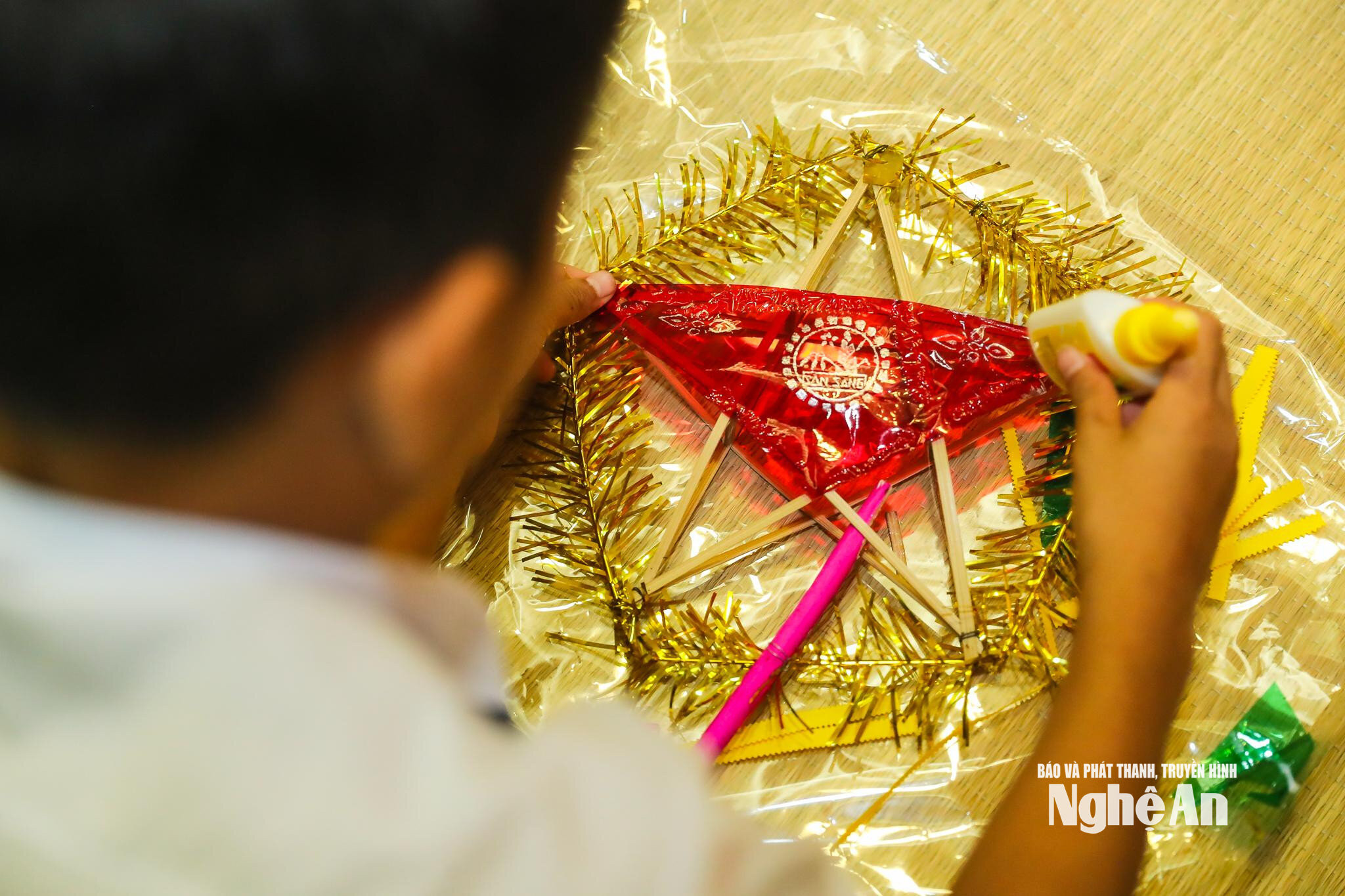
Once, during a lantern-making workshop organized by a school in collaboration with the Nghe An - Soviet Nghe Tinh Museum, witnessing children participate in the lantern-making process, what lingered in my mind wasn't the difference between the old and new toys, but the excitement that remained in their eyes.
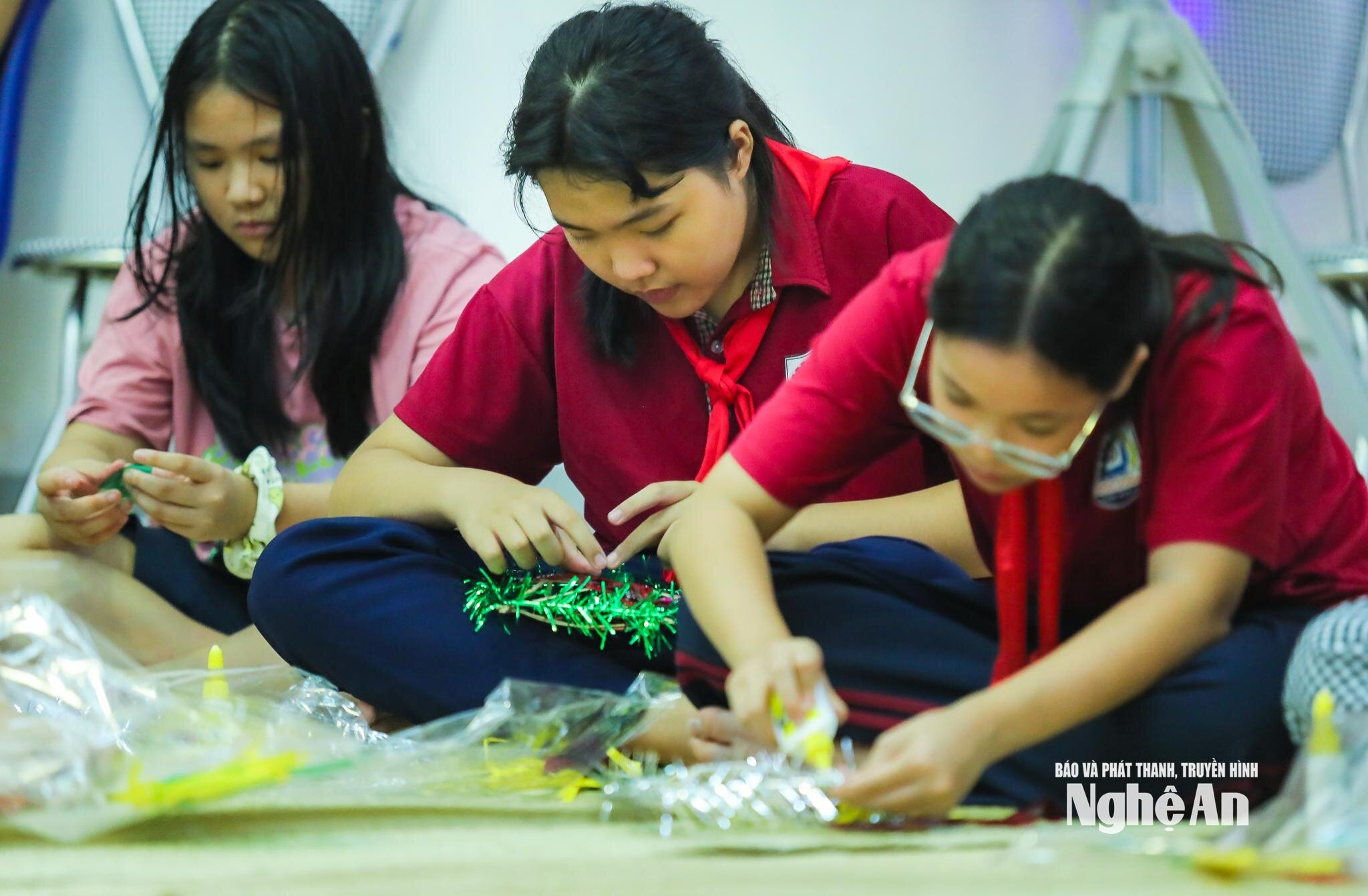
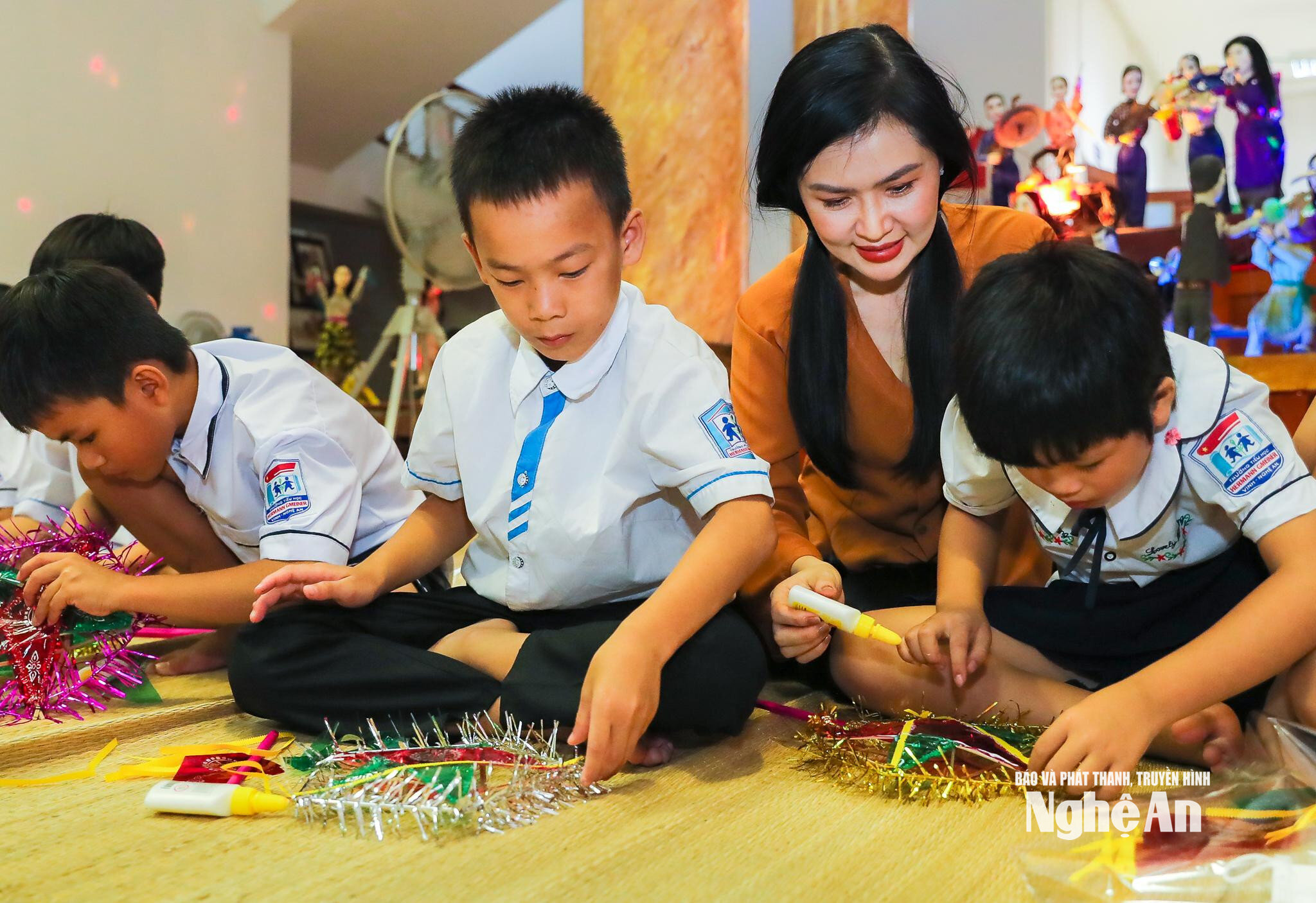
According to Ms. Nguyen Thi Lan Huong from the Nghe An - Soviet Nghe Tinh Museum: The problem is that very few parents have enough time and patience to sit with their children and make a lantern. There are also not many places that organize workshops where children can make their own Mid-Autumn Festival toys, thereby understanding that behind a paper lantern lies a craft, a way of playing, and a cultural story.
Meanwhile, the modern toy market offers an overwhelming number of choices. Mass-produced Mid-Autumn Festival lanterns, many of which originate from China, come in a wide variety of designs, with eye-catching sounds and light effects. Children are easily attracted to toys that light up, play music, and move.
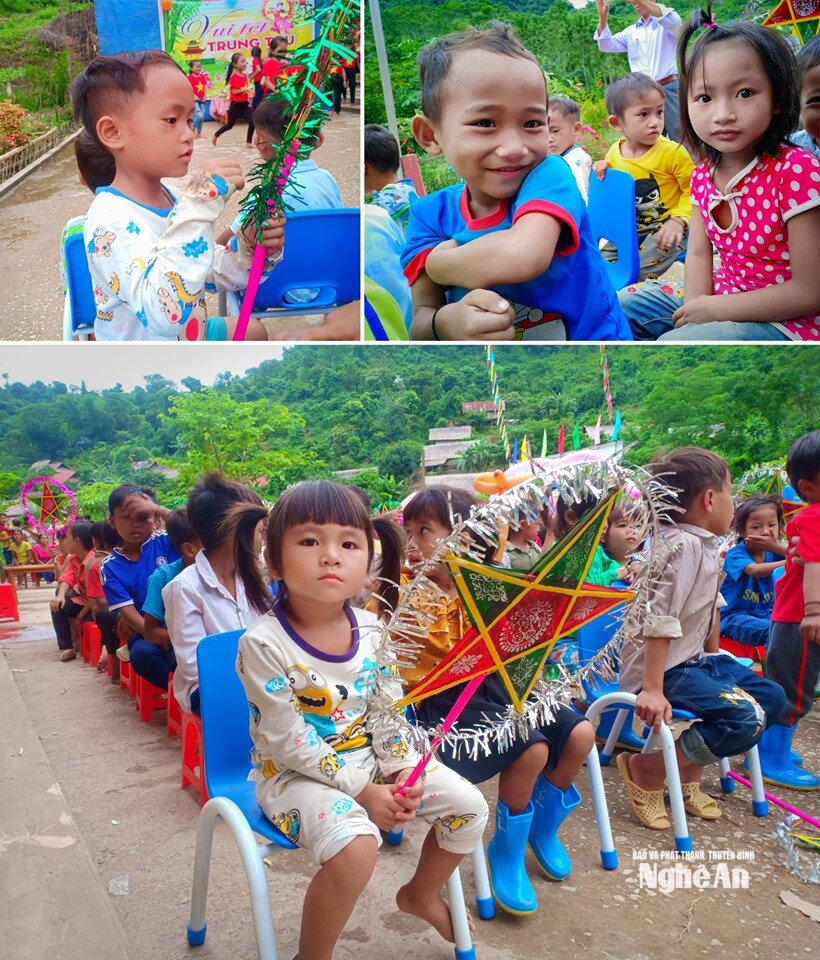
But a toy with many special effects isn't necessarily the one that will be remembered for the longest time. Because childhood memories aren't just made up of beautiful or modern objects. They are also made up of what the child did, played, and experienced with others.
A store-bought lantern might be far more beautiful than a homemade one. But a homemade lantern holds within it the story of an evening spent with parents, of the times they messed up and tried again, of a lantern parade with neighborhood friends. That's something no lighting effect can replace.
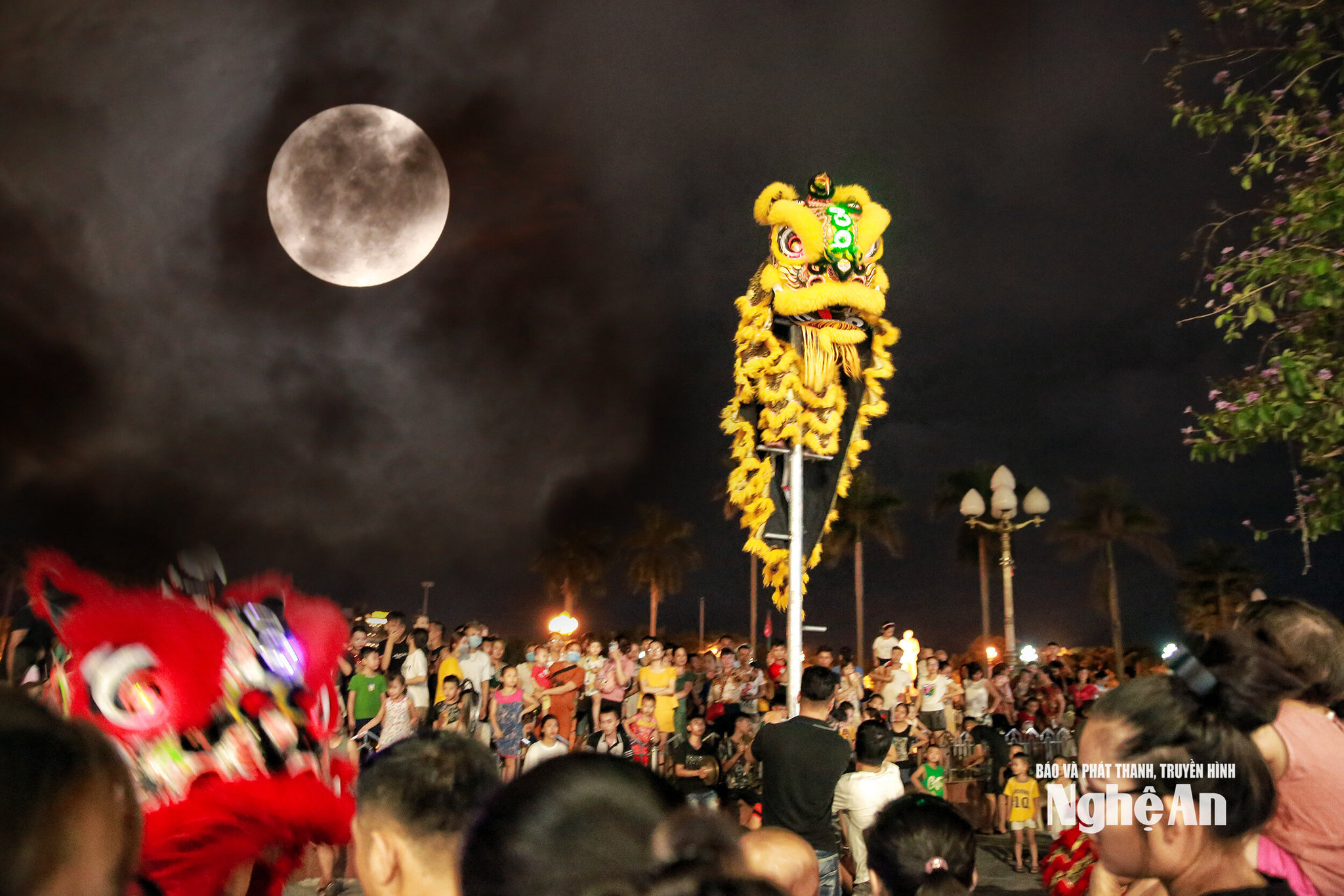
Besides the lantern procession, the Mid-Autumn Festival also features lion dances, an activity deeply rooted in community spaces. The drums, cymbals, the lion's dance moves, and the children following behind create a naturally joyful street performance. Spectators don't remain completely outside; they step out of their homes, joining the crowd. Children run to the sound of the drums, and adults stand at their doors waiting for the lion dance procession to pass. This is a form of street art that is very close to everyday life.
However, lion dance in many places is changing these days. Some lion dance troupes are becoming more commercialized, going door-to-door to perform and collect money. When this activity becomes a service, the lion dance still has the drumming and beautiful dance moves, but its community significance may gradually diminish.
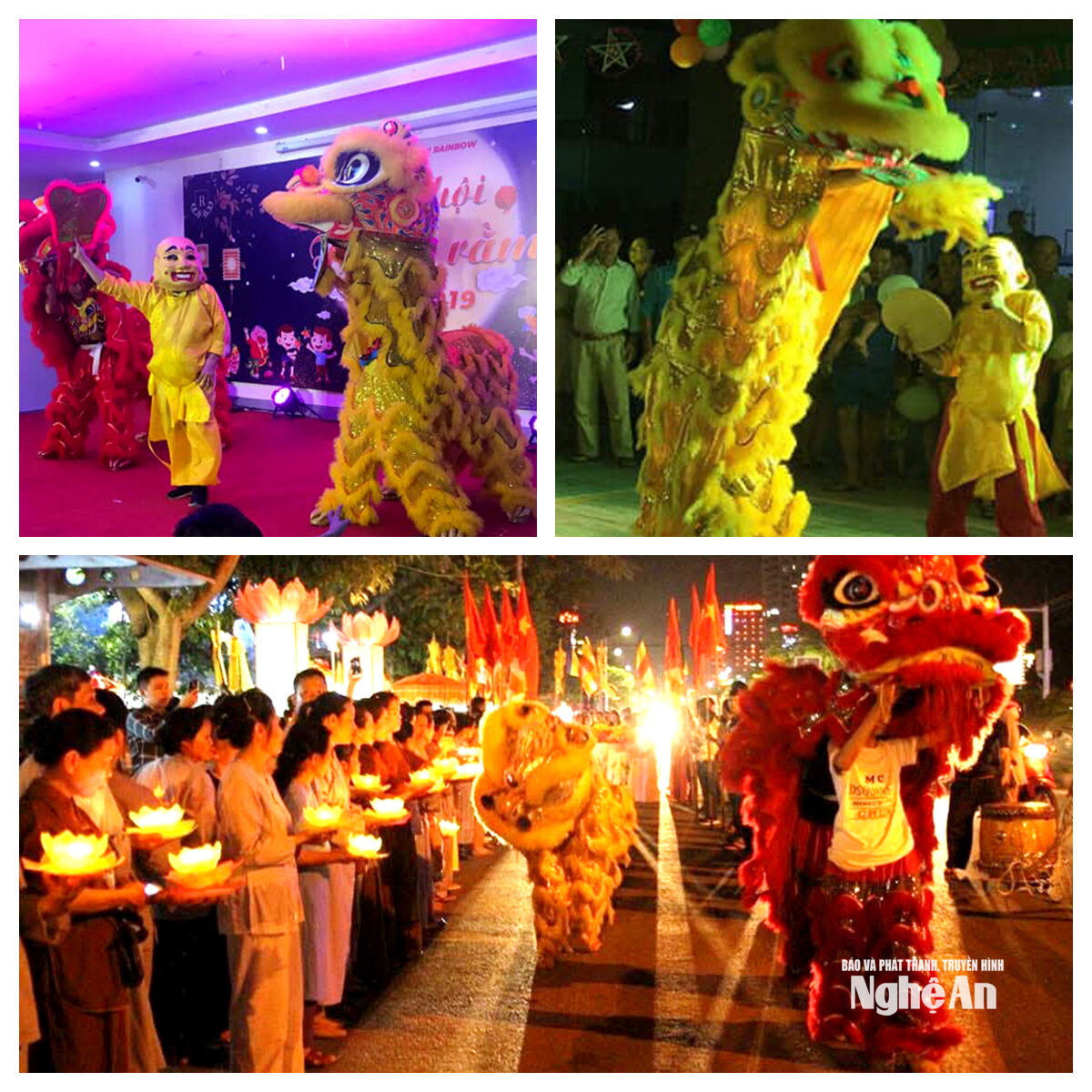
It's worth noting that we have many opportunities to organize a more engaging Mid-Autumn Festival celebration. It doesn't necessarily have to be an expensive stage show. It could start on a street, in a community center, a small square, or a cultural space. There, children could make their own lanterns, participate in lantern parades, watch lion dances, play traditional games, and listen to stories about the Mid-Autumn Festival of the past. Artisans could guide them in papermaking and making traditional toys. Art groups could perform short acts. Lion dance troupes could perform not just on stage but among the children. Then, the Mid-Autumn Festival wouldn't just be a show for children to "watch," but a truly memorable celebration. Perhaps that's what today's Mid-Autumn Festival is lacking.
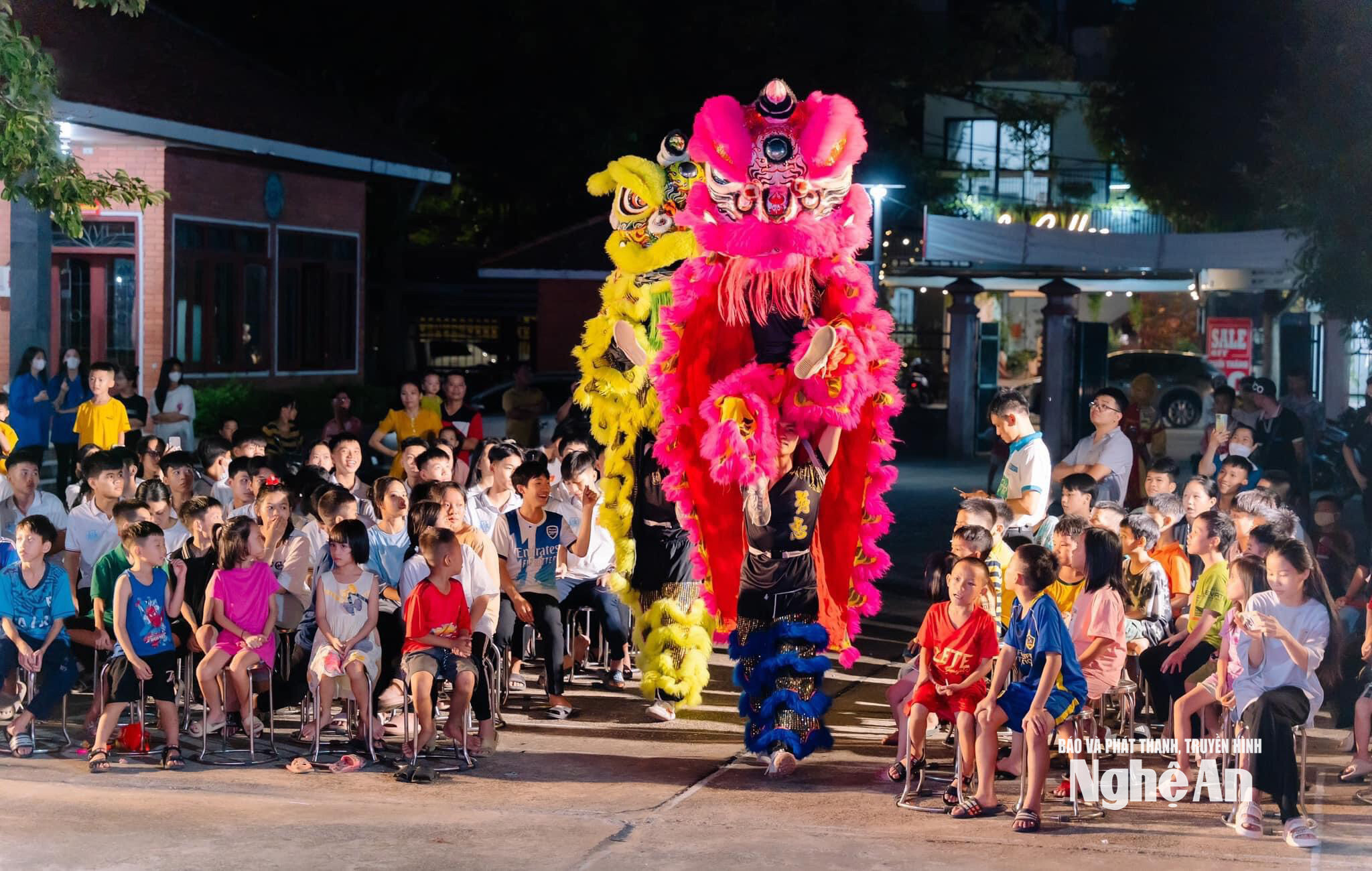
Perhaps, instead of just organizing Mid-Autumn Festival nights on stage, we need more truly authentic moonlit celebrations? Nights where, after the lively lion dances and drumming, a long procession of children follows along the streets. Lanterns, star-shaped lanterns, and revolving lanterns... all made by the children themselves, shimmer in the night. Laughter echoes from one end of the alley to the other. And then, the Mid-Autumn Festival is not just a holiday celebrated for children. It becomes a childhood memory that they truly live in.


