
THAAD and S-400: The challenge of protecting radar systems in modern warfare.
Attacks in the Middle East exposed the weaknesses of the THAAD radar against precision missiles, while the mobility of India's S-400 helped it withstand the onslaught.
The US THAAD missile defense system and the Russian S-400 are facing different survival challenges in modern conflicts in the Middle East and South Asia, where radar has become a top priority target.
Damage to the THAAD radar system in the Middle East.
According to military reports, the US has suffered significant equipment losses in its military campaign against Iran. The biggest weakness lies in the critical radar components of the THAAD missile defense system.
Notably, the AN/FPS-132 early warning radar at Al Udeid Air Base in Qatar, worth approximately $1.1 billion, was severely damaged after the attack on February 28. Qatari authorities confirmed that the facility was hit by gunfire.
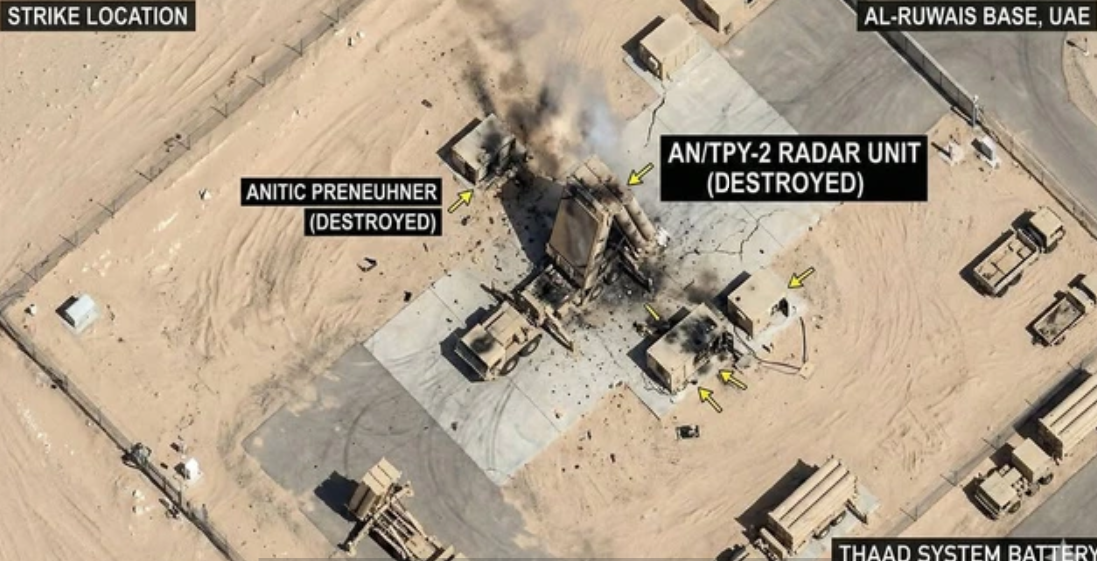
Additionally, the AN/TPY-2 radar at Muwaffaq Salti Air Base in Jordan and a similar complex in the Al-Ruwais industrial area (UAE) were also hit by Iranian guided missiles and suicide drones. Damage in the UAE is estimated at approximately $300 million.
The mobility advantage of India's S-400 system.
In contrast to the fixed or less mobile systems in the Middle East, India's deployed S-400 Triumf system is believed to have withstood a conflict with Pakistan in May 2025. The key to this survival is its superior mobility.
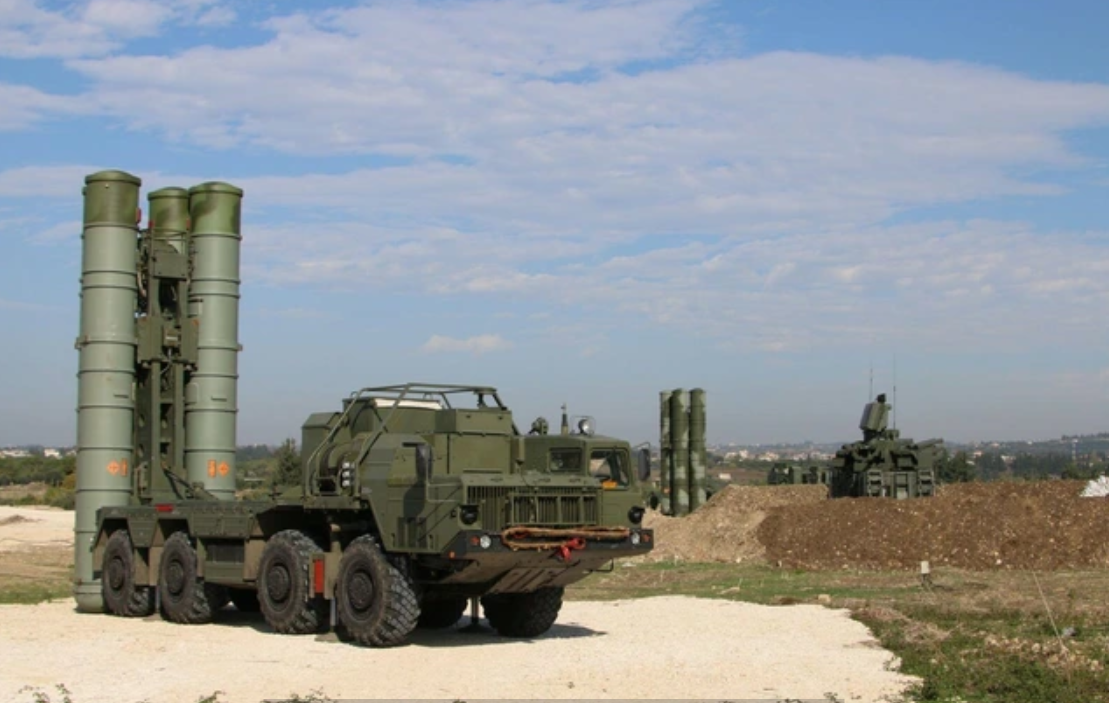
The S-400 batteries, mounted on heavy wheeled vehicles, allow for a "fire and withdraw" tactic. Even if the enemy has identified their location via satellite intelligence, Indian crews can quickly relocate the launchers and radars, minimizing the risk of further attack.
Radar - The Achilles' heel of every air defense system.
In modern warfare, air defense suppression operations (SEAD) always focus on destroying the enemy's radar. When radar is disabled, the entire air defense system loses its ability to detect targets and guide interceptor missiles.
The rise of inexpensive unmanned aerial vehicles (UAVs) is creating new challenges. A suicide drone costing around $50,000 can inflict serious damage on radar systems worth hundreds of millions of dollars. This is forcing nations to reconsider their multi-layered defense structures.
Experts believe that protecting expensive assets like THAAD or S-400 requires close coordination between short-range systems such as Patriot and Iron Dome, and electronic warfare measures to disrupt the enemy's guidance signals.


