
Technological challenges as Ukraine manufactures Patriot missiles domestically
The localization of the Patriot PAC-3 MSE missile faces significant hurdles related to guidance head technology, a closed supply chain, and a deployment time spanning many years.
The announcement regarding the licensing of Ukraine to domestically produce interceptor missiles for the Patriot air defense system was made at the NATO summit in Ankara. However, analysis from a technical and defense industry perspective reveals that the gap between legal licensing and the first missile produced is a significant challenge, requiring years of implementation and enormous financial resources.
Technical bottlenecks and supply chain issues related to PAC-3 MSE ammunition.
The Patriot is not simply a launcher but a complex air defense system comprising radar, a command center, and interceptor missiles. The version Ukraine is aiming for is the PAC-3 MSE, the most modern and difficult-to-manufacture variant in the Patriot family. This type of missile employs hit-to-kill technology, requiring absolute precision and strict export control procedures from the US.
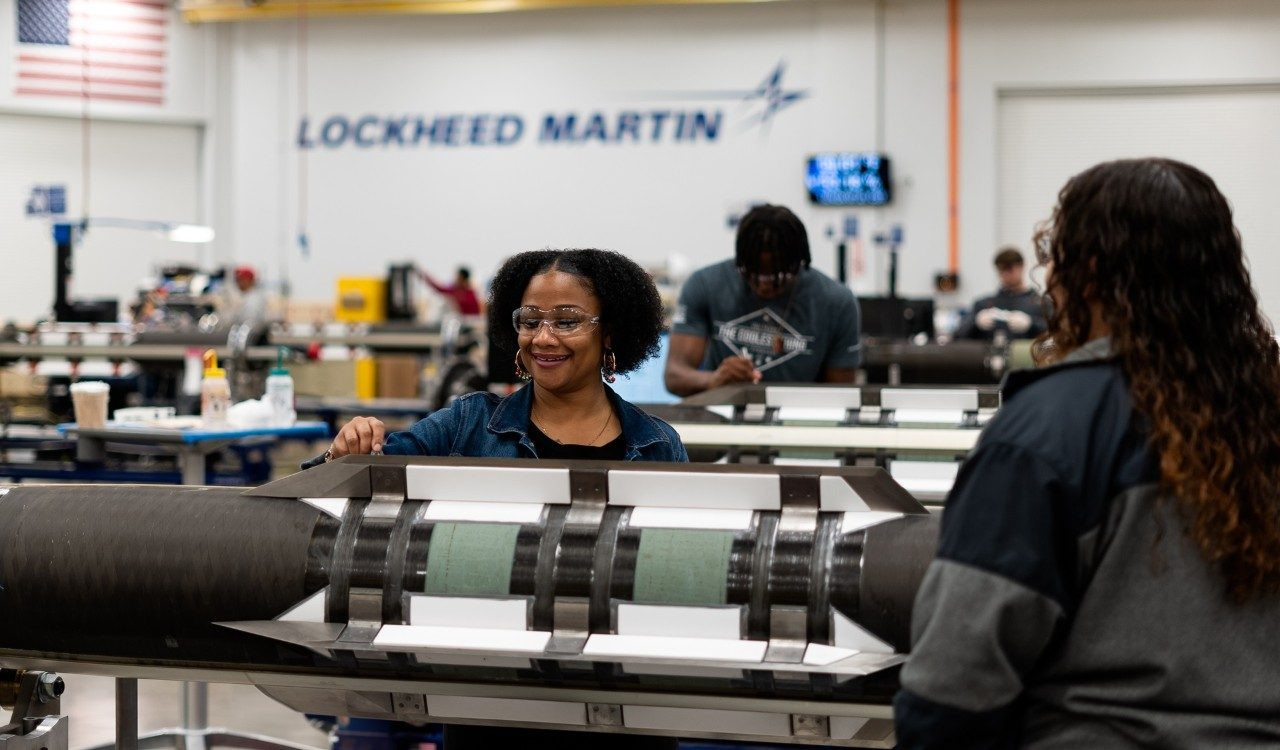
One of the biggest bottlenecks lies in the Patriot missile's guidance system. This complex component is currently manufactured at only one Boeing plant in Huntsville, Alabama, with a capacity of approximately 650 to 700 units per year. Complete reliance on the US for guidance systems means that even if Ukraine has an assembly line, its production is still limited by its partner's manufacturing capacity.
Furthermore, to establish a complete production facility, Ukraine needs to build factory infrastructure, install specialized production lines, receive technology transfer, and train highly skilled technical personnel. This process is time-consuming and costly, especially in the context of an ongoing conflict.
Actual implementation in allied countries
The history of transferring Patriot technology to U.S. allies shows that deployment has consistently taken many years:
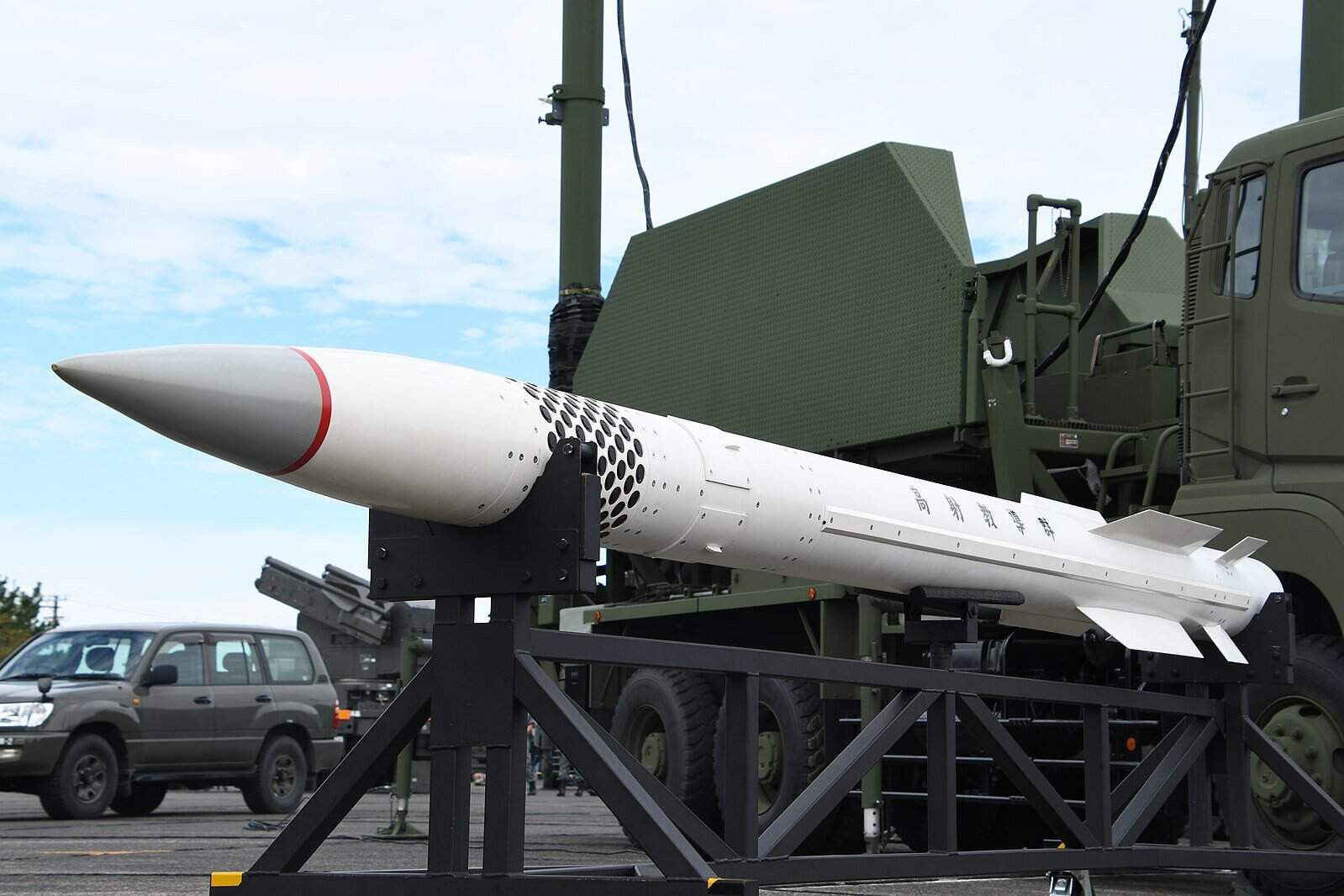
- Japan:Japan was the first country licensed to manufacture Patriot missiles through Mitsubishi Heavy Industries in 2006. Although it took two years to perfect the production line, after nearly two decades, Japan still has to import guidance systems and core components from the US, keeping production at around 30 missiles per year.
- Virtue:The COMLOG joint venture (between MBDA Deutschland and Raytheon) began production of the PAC-2 GEM-T munition in 2022. Construction at the Schrobenhausen plant started in 2024, is expected to be completed in September 2026, and the first batch of products will only be delivered in 2027.
- Poland:The agreement to manufacture small steering motors for the PAC-3 MSE was signed in 2018, but it will take 7 years (until September 2025) for the production line to receive operational certification.
Barriers related to the nature of technology and security infrastructure.
Ukraine has demonstrated the capability to rapidly scale up the production of unmanned aerial vehicles (UAVs) and domestic cruise missiles. However, this model is difficult to apply to the Patriot system. Drone missiles primarily utilize commercially available components (COTS) and an open architecture. Meanwhile, the Patriot uses highly secure military technologies to avoid the risk of intellectual property and technical secret leaks.
Furthermore, building an anti-aircraft missile production plant on Ukrainian territory faces the risk of being attacked by enemy fire. The option of locating the plant abroad, on the other hand, presents challenges regarding manpower, legal procedures, and competition for component supplies with other allies.
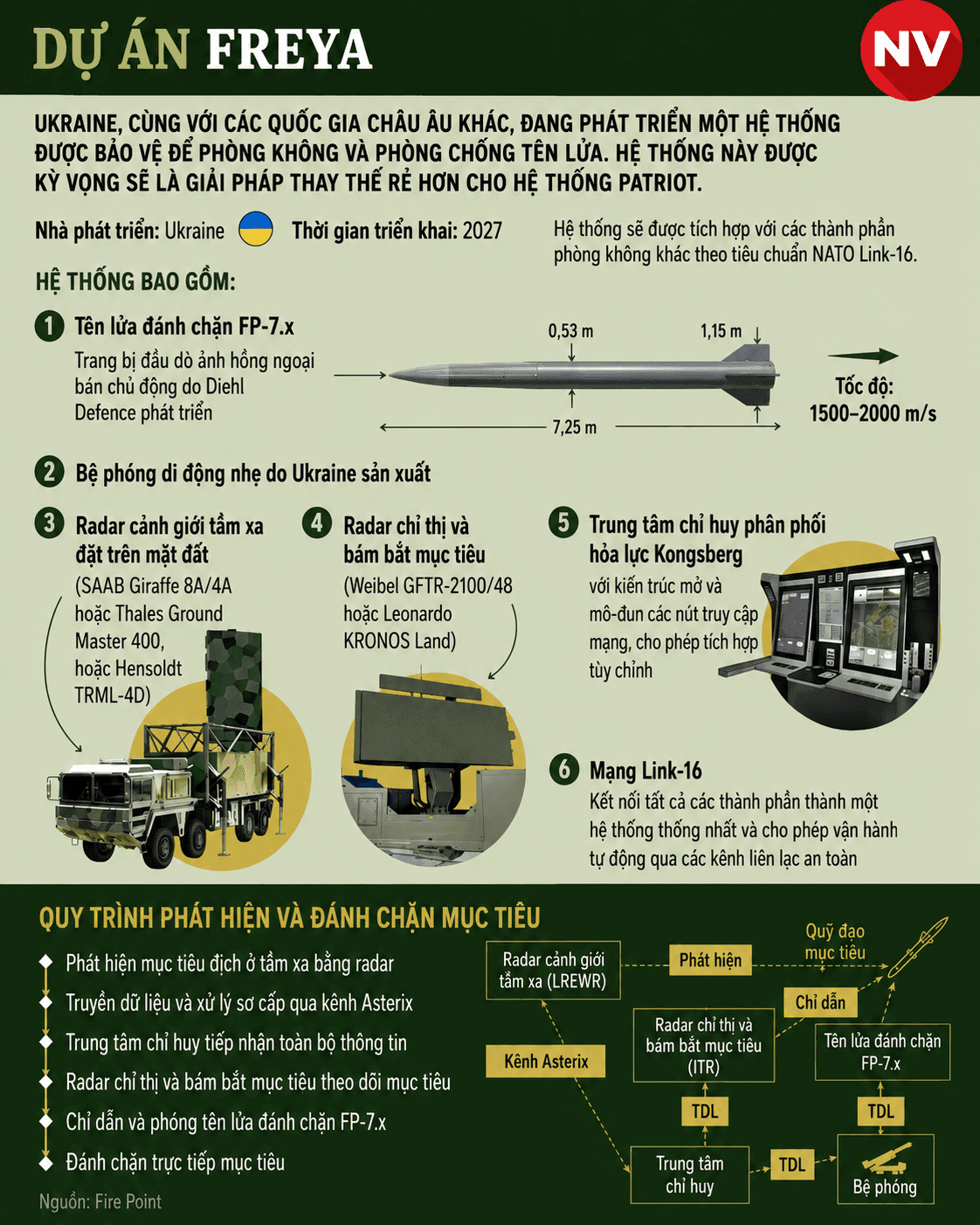
In the short term, Ukraine continues to maintain its diversification strategy: acquiring SAMP/T systems from France and Italy, acquiring existing Patriot launchers, and developing the domestic FREYA air defense system (combining domestically produced missiles with imported management systems and radar) to address immediate urgent needs.


