
Challenges in building new rural areas in Nghe An
The new rural development program for the period 2026-2030 faces many opportunities but also numerous challenges as criteria are raised while support resources decrease. In Nghe An, localities are proactively seeking solutions to achieve the goals of the new phase.
Seize the opportunity, take the initiative.
Dong Loc is one of the 10 communes registered to achieve the new rural and modern rural standards of the province in 2026. Formed on the basis of merging Khanh Hop, Thinh Truong, and Nghi Thach communes of the former Nghi Loc district, this locality has many advantages in terms of transportation infrastructure, trade and service development, and people's income.
Mr. Nguyen Duc Tho, Chairman of the People's Committee of Dong Loc commune, said: Immediately after receiving the set of criteria, the locality reviewed and found that many criteria had already met or were close to the advanced new rural development criteria from the previous phase. Along with the advantages of developing the economy, trade, and services, and the orientation to become a commercial and service urban area in the next term, registering to build a modern new rural area is considered consistent with the local development orientation.
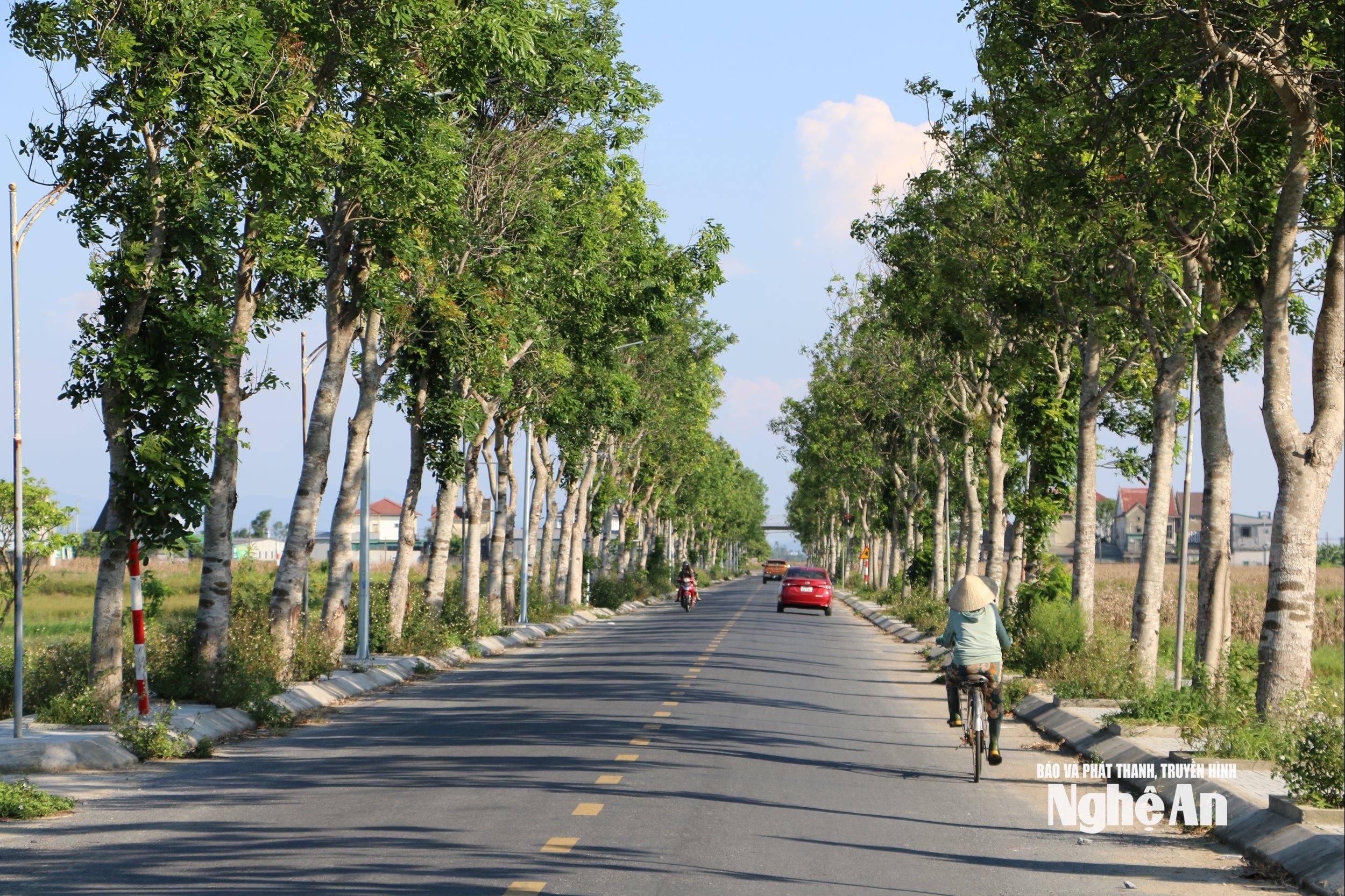
Through on-site investigation, Dong Loc commune currently has a fairly well-developed transportation system with National Highway 46 and National Highway 48E passing through it, along with many connecting roads to the commune center that have received significant investment. The average per capita income reaches 60-65 million VND per year. The locality is also making efforts to improve the quality of online public services and enhance the quality of the living environment.
Based on an assessment of the current situation, the commune found that littering in unauthorized places still occurs in some border areas and along deserted roads. Therefore, the commune has invested over 70 million VND to install 15 surveillance cameras to promptly detect and remind people to dispose of waste in the correct places and at the correct times.
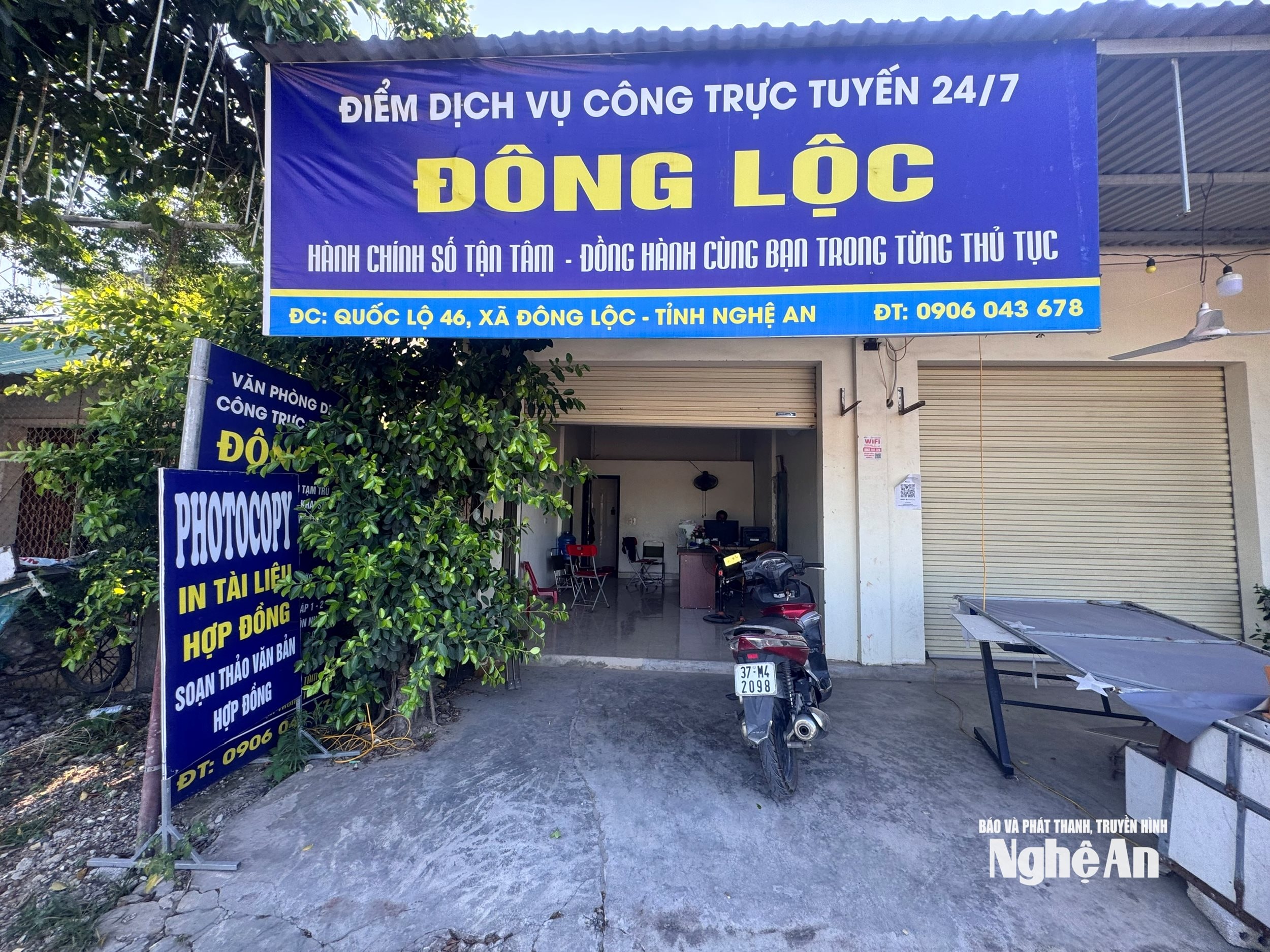
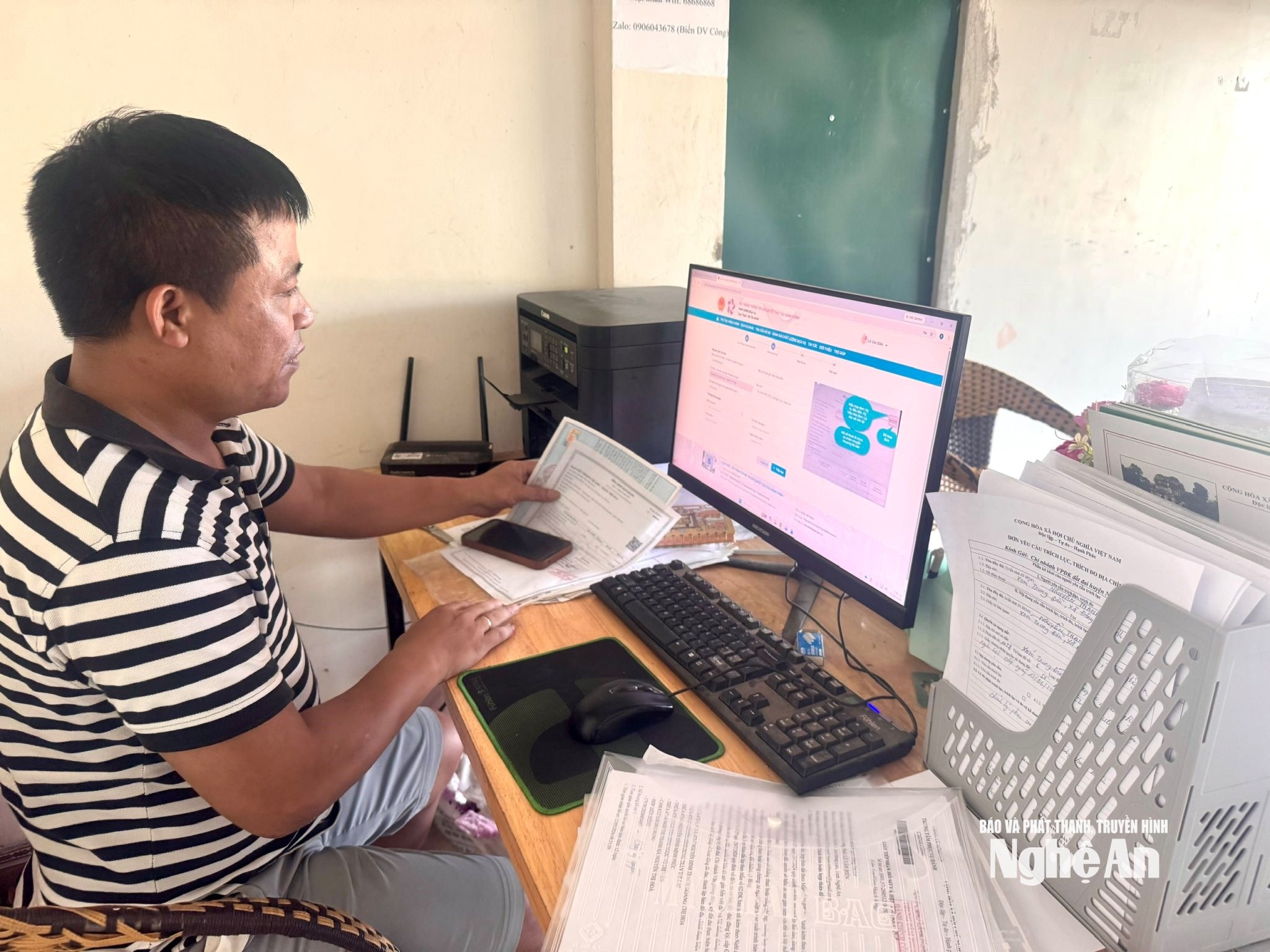
In the field of administrative reform, in addition to the support point at the Public Administrative Service Center, the commune has also set up an additional support point for online public service declarations outside the headquarters to facilitate citizens in carrying out administrative procedures.
Similarly, in Van Kieu commune, despite being a mountainous area, because it was formed from two communes, one of which, Nghi Van (formerly), had already achieved advanced new rural standards, many basic criteria were inherited. Immediately after receiving the new set of criteria, the locality reviewed and registered to build a new rural area to create momentum for the entire political system to participate.
Mr. Nguyen Phan Khoi, Vice Chairman of the People's Committee of Van Kieu commune, said that the locality's advantages include a stable political system, basic infrastructure investment, and over 100 fairly developed family farms and large-scale farms. Therefore, the commune should focus on completing the remaining criteria, especially supporting the application of science and technology in production, developing new economic models, and circular economy.
Along with Dong Loc and Van Kieu communes, Kim Lien commune is also one of the first localities to implement the new phase of rural development. With the former Kim Lien commune, which had already achieved the model new rural development standard, as its core, the commune continues to play a leading role in the new rural development movement in the former Nam Dan area. Immediately after the new criteria were introduced, the commune established a steering committee, issued a thematic resolution, and developed an implementation plan. The commune also recognized that after the administrative merger, the number of hamlets increased from 6 to 43, leading to a significant increase in the need for investment in transportation infrastructure, irrigation, and other facilities serving the people.
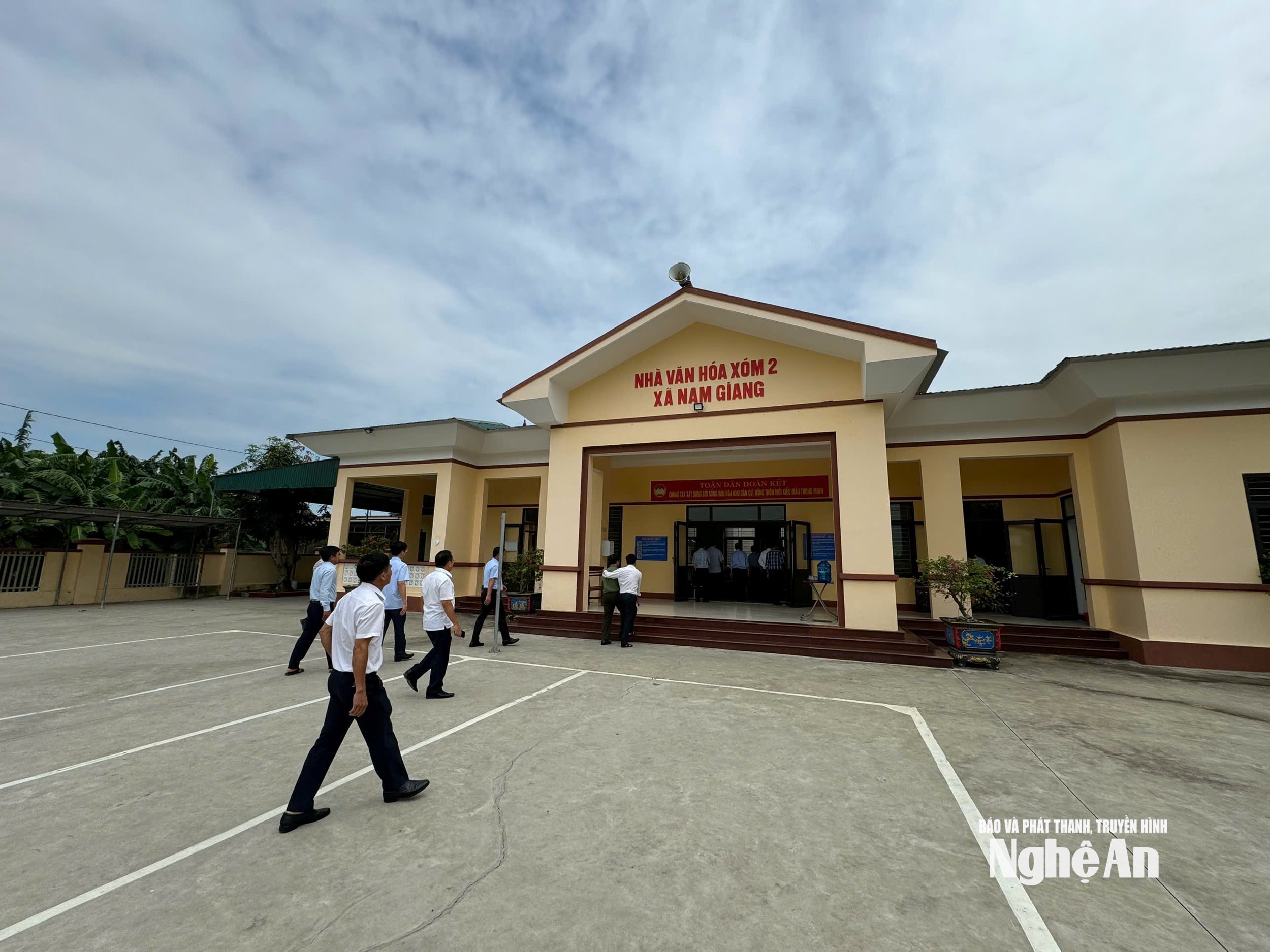
To support infrastructure development, the commune has boldly established a mechanism to provide 50% of the concrete needed for upgrading roads in hamlets and 100% of the concrete needed for reinforcing irrigation canals. According to Mr. Tran Thanh Hai, Vice Chairman of the Kim Lien Commune People's Committee, the requirements of the new rural development criteria in the new phase not only focus on meeting transportation needs but also aim at landscape, environmental, and aesthetic factors. In the coming time, many roads in the area will be paved with asphalt using new technology to improve infrastructure quality.
According to the Provincial Department of Cooperative Economics and Rural Development, 10 communes have registered to achieve the new rural standard and modern new rural standard in 2026. Under the new regulations, the assessment period extends until October 2027, giving localities ample time to review and refine the criteria and potentially add more communes to register during the implementation process.
Many challenges
Besides the advantages mentioned above, the new phase of rural development is posing numerous challenges for localities.
In Kim Lien commune, although it had previously achieved the status of a model new rural area, the expansion of its administrative boundaries has significantly altered the scale of management. Previously, the commune had only 6 hamlets, but now it has increased to 43; the number of schools, medical facilities, and public works has also increased to more than 10. This has placed much greater pressure on maintaining and improving the criteria for a new rural area compared to before.
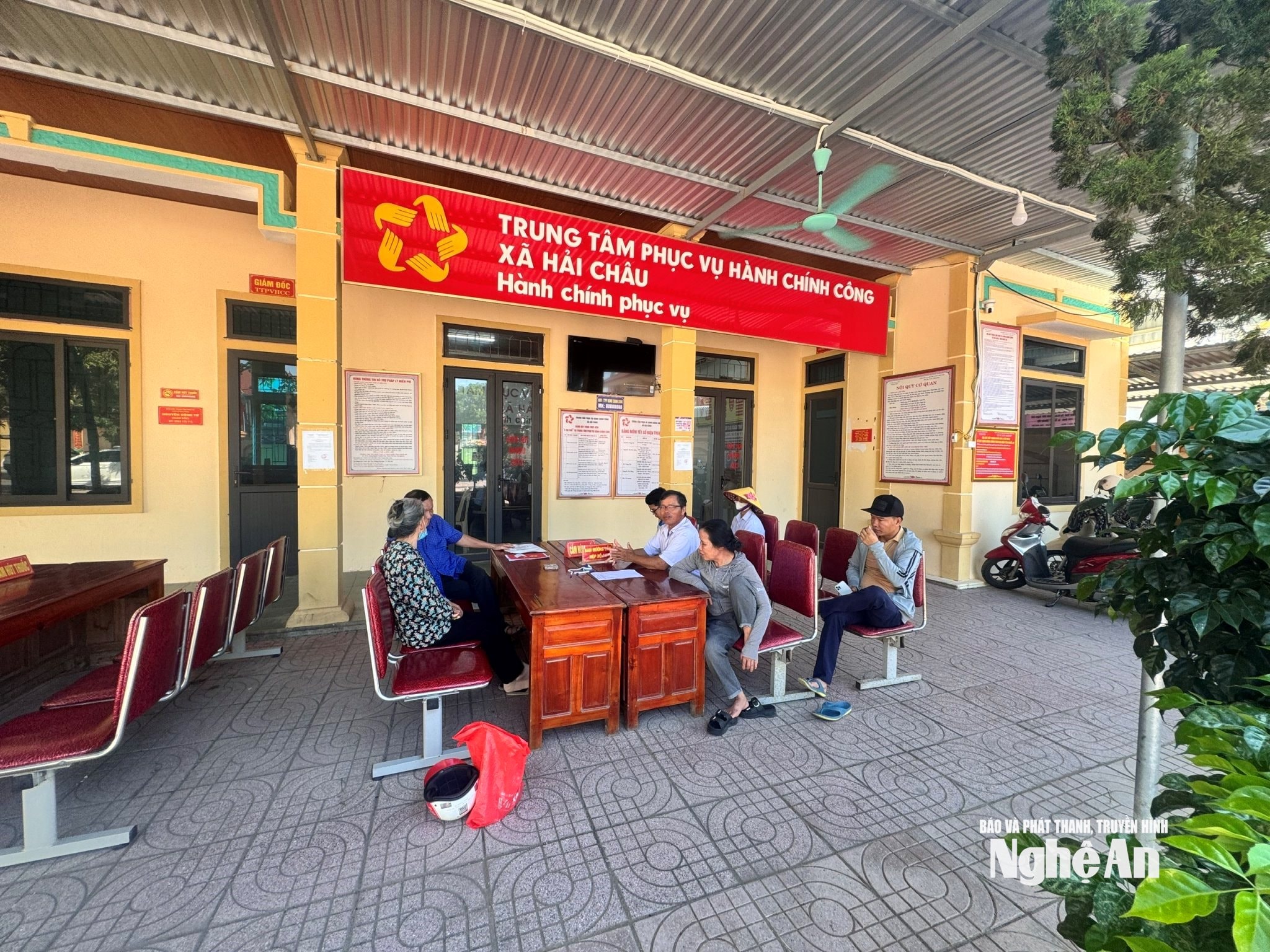
Similarly, in Hai Chau commune, many important infrastructure projects exceed the local government's resource allocation capacity. These include a connecting road from National Highway 1 to the coastal road, approximately 5 km long and 24m wide, with a total investment of hundreds of billions of VND.
Due to resource constraints, some localities such as Yen Thanh, Minh Chau, Quynh Anh, Quynh Phu, Quynh Van, and Quynh Luu, despite having the conditions to build new rural areas, have not registered to complete the project in 2026 but have chosen to postpone implementation to ensure feasibility.
According to representatives from the Department of New Rural Development, under the Provincial Department of Cooperative Economics and Rural Development, the biggest challenge currently is investment resources. While Nghe An province was allocated nearly 10,000 billion VND for the New Rural Development Program during the 2020-2025 period, this amount has been reduced to only about 4,700 billion VND for the 2026-2030 period, a decrease of more than half.
Not only have resources decreased, but the funding for national target programs in 2026 has yet to be allocated. Therefore, many localities are quite confused about developing plans and organizing the implementation of the criteria.
Currently, most localities are still implementing funds carried over from 2025. Of the total national target program budget of approximately 1,500 billion VND, only about 66 billion VND is specifically allocated to new rural development. Under current conditions, even communes aiming to achieve new rural development standards by 2026 will only receive approximately 1.5-2 billion VND in budget support each.
Another difficulty reported by localities is the incomplete system of mechanisms and implementation guidelines. Although the National Criteria for New Rural Development for the period 2026-2030 was issued about six months ago, some ministries and sectors have yet to issue complete guiding circulars. Therefore, Nghe An province has not yet been able to finalize regulations on the allocation of investment capital and support levels for each group of communes. If the allocation of capital continues to be slow and concentrated in the last months of the year, it will affect the progress and disbursement of national target programs.
Furthermore, planning criteria are also posing many obstacles. After implementing the two-tiered local government model, the spatial scope of many communes has expanded, rendering old plans unsuitable. Localities oriented towards urban development such as Hai Chau, Van An, Dong Hieu, or communes within the Southeast Economic Zone such as Hung Nguyen and Dong Loc cannot independently develop their own plans but must coordinate with provincial departments and agencies, leading to implementation progress being heavily dependent on higher levels of government.

Mr. Tran Thong, Vice Chairman of the People's Committee of Hai Chau commune, said that while some communes not included in the urban planning scheme have proactively hired consulting units to develop general plans, Hai Chau commune and some other localities have to wait for plans from higher levels. Currently, the locality has only provided data to support the planning process and has not yet determined the completion date to simultaneously implement the next criteria.
The progress of building new rural areas in 2026 is slower than planned due to many old regulations expiring after administrative unit reorganization, while new mechanisms are still being finalized. However, once the guiding documents, support mechanisms, and related regulations are fully issued, the implementation process at the grassroots level will be smoother, creating favorable conditions for localities to achieve the goals of building new rural areas in the new phase.
Mr. Nguyen Van Hang - Deputy Head of the Provincial Department of Economic Cooperation and Rural Development


