
The challenge posed by Iranian heat-seeking missiles to US military aircraft.
Inexpensive and mobile heat-seeking missile systems are becoming a significant threat to modern fighter jets and UAVs due to their passive attack capabilities, which are difficult to detect.
For decades, air superiority has been considered the cornerstone of U.S. military power. However, recent reports indicate that even the world's leading forces are facing an increasing threat from low-cost air defense systems, particularly heat-seeking missiles. The downing of an F-15E Strike Eagle fighter jet in Iranian airspace, for example, reflects the practical effectiveness of these weapons in modern warfare.
Passive attack mechanisms are difficult to counter.
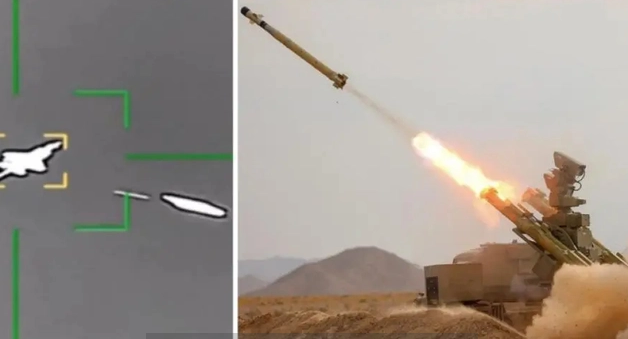
Unlike radar-based guidance systems that emit electromagnetic waves to locate targets, heat-seeking missiles operate passively. The missile's infrared seeker locks onto a heat source emitted from the aircraft's engine and automatically adjusts its flight path to approach it. This makes it difficult for aircraft warning systems to detect the threat early; pilots often only become aware of it when the missile is already very close.
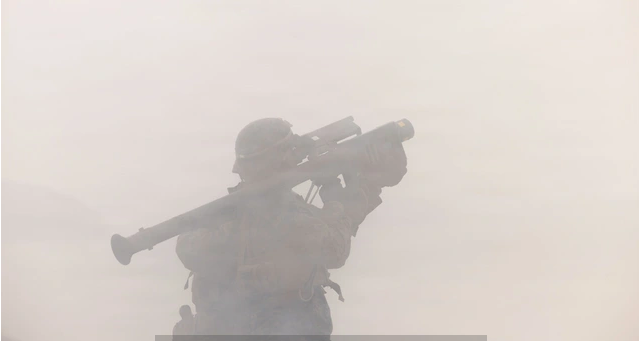
Modern man-portable air defense systems (MANPADS) have far surpassed Cold War-era models. Many are equipped with advanced thermal imaging sensors, capable of distinguishing real targets from thermal flares more effectively than before.
The ability to neutralize stealth technology.
Notably, even modern stealth aircraft like the F-35 Lightning II are not completely immune to this type of weapon. Stealth technology is primarily designed to reduce radar reflections, but it cannot completely eliminate the heat signature from jet engines. Furthermore, heat-seeking missiles often use proximity fuses, allowing them to inflict significant damage through shock waves and shrapnel without direct impact.
Low-altitude aircraft such as helicopters, attack aircraft, and unmanned aerial vehicles (UAVs) are particularly vulnerable. In combat environments requiring low-altitude flight for ground support, the risk of being ambushed by MANPADS units is very high.
Iran's production and tactical advantages
Iran has leveraged its Soviet and Russian technological foundations to localize the production of its heat-seeking missile systems. Because they don't require sophisticated microchips or highly complex industrial processes, the country can maintain large stockpiles of these weapons despite technology sanctions. The modular design of the missiles also simplifies manufacturing and maintenance.
Impact on air combat tactics
Low cost is a key factor in making heat-seeking missiles effective asymmetric weapons. A MANPADS system costs many times less than a new-generation fighter jet, but can force the enemy to completely change their operational plans. Air defense units can deploy ambush tactics from hidden positions or launch multiple missiles simultaneously to overwhelm the aircraft's self-defense systems.
The rise of these systems demonstrates that in modern warfare, expensive technology doesn't always guarantee an absolute advantage. Simple, mobile, and inexpensive systems, when used correctly, can still exert sufficient pressure to influence the course of the battlefield.


