
Thailand is the first ASEAN country to purchase the BARAK MX air defense system.
The Royal Thai Air Force signed a 3.44 billion baht contract to purchase a BARAK MX battery from IAI to integrate IADS, enhancing multi-layered air defense against UAVs and long-range missiles. This HIMAD system replaces the old system and has undergone combat testing, according to the source.
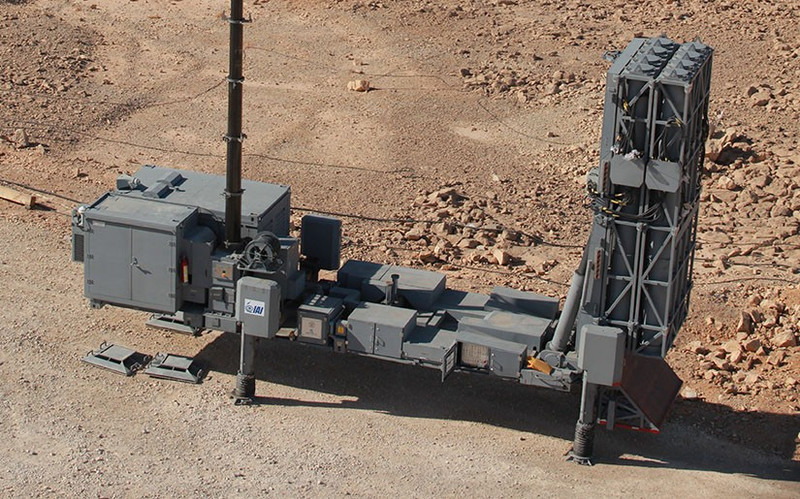
The Royal Thai Air Force has selected the BARAK MX air defense missile system from Israel Aerospace Industries (IAI) as part of its Integrated Air Defense System (IADS) upgrade. The 3.44 billion baht (approximately $107 million) contract includes a complete battery, described as Thailand's most advanced air defense asset currently available, making Thailand the first ASEAN country to purchase the BARAK MX (source).
Deployment objectives and role in the IADS network
According to official announcements, the BARAK MX was selected to counter evolving airborne threats, particularly drones and long-range missiles. As a High Altitude Area Defense (HIMAD) system, the new battery will replace older systems, providing multi-layered protection for strategically important locations within the IADS network.
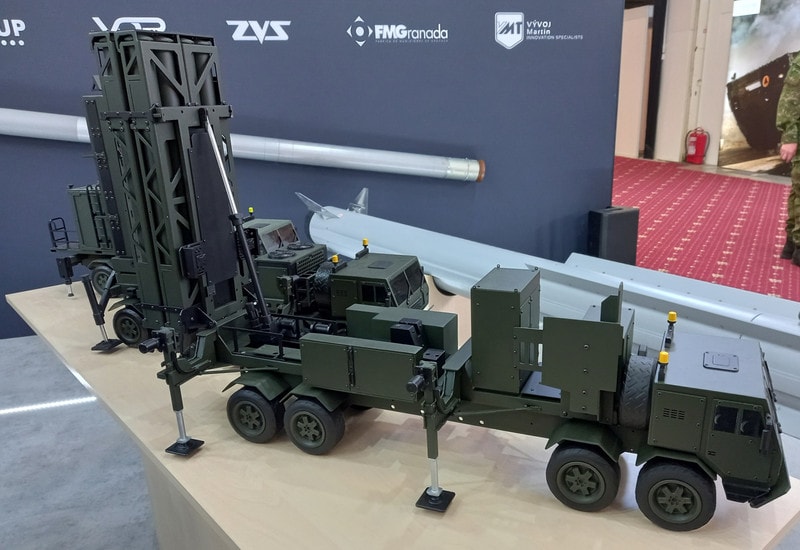
The technical specifications are as stated.
- Modular architecture, network-oriented, optimized for integration and scalability.
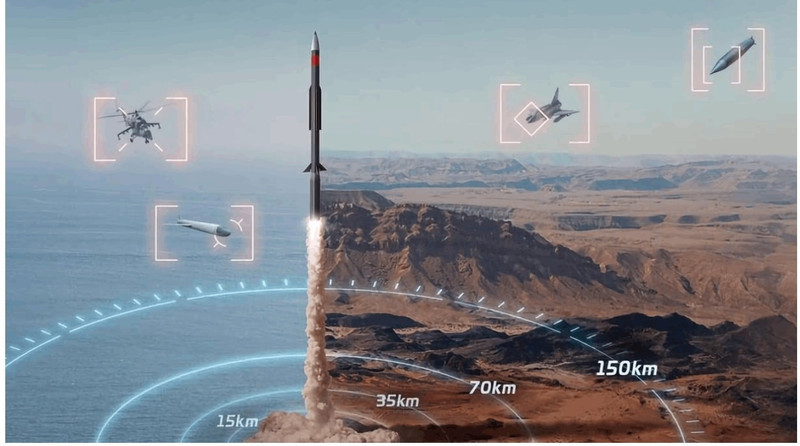
- The system's described target range for interception includes: aircraft, helicopters, cruise missiles, UAVs, and "even intercontinental ballistic missiles."
- It was combat-tested in Israel's "Operation Lion Rises" in June, where the system reportedly successfully intercepted numerous Iranian missile attacks (according to sources).
Operational aspect
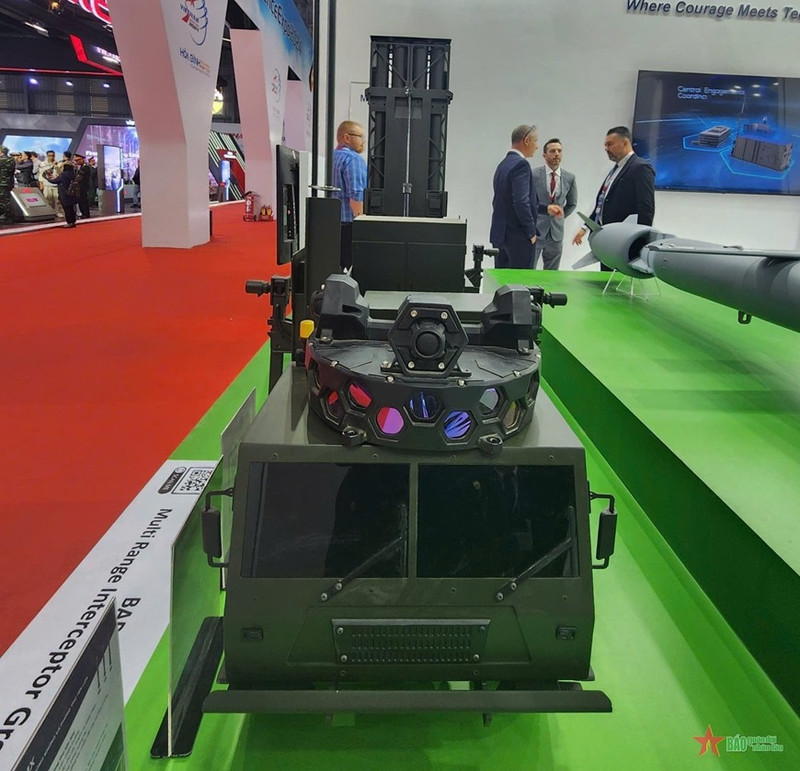
In its role as a HIMAD, the BARAK MX battery serves as an additional medium-to-high-altitude interceptor for the air defense network, reducing the burden on short-range layers and strengthening the protection of key nodes. Integration with IADS allows for intelligence sharing and a unified operational picture, thereby increasing the effectiveness of detection and interception against multi-directional attacks by UAVs and missiles.
Regional context and HIMAD needs
The decision to invest in HIMAD comes amid growing security concerns in the region. Neighboring countries like Cambodia and Myanmar are deploying long-range offensive weapons, including China's PHL-03 missile system (130 km range) and North Korea's Hwasong ballistic missile (300-700 km range). The proliferation of UAVs, unmanned aerial vehicles, and cruise missiles further increases the need for reliable interception solutions.
Coalition expansion capability
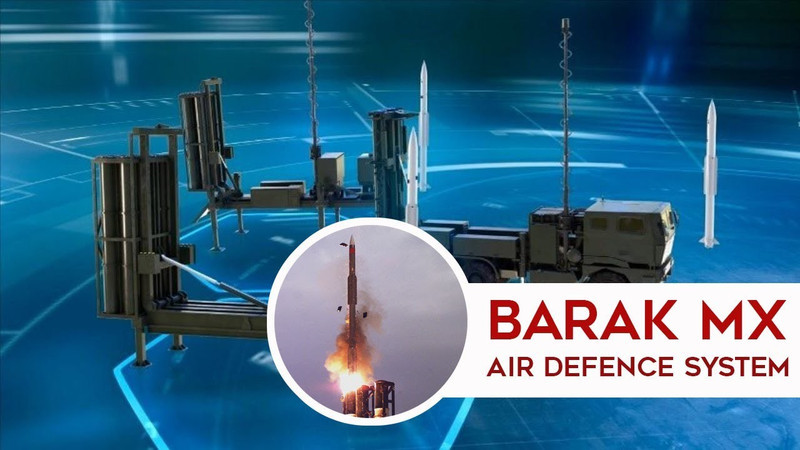
The Royal Thai Army and Navy are reportedly evaluating the BARAK MX system for future procurements, opening up the possibility of multi-platform use to build a joint operational air defense network, consistent with the system's network orientation (according to source).
Data summary by source
| Category | Information |
|---|---|
| Contract value | 3.44 billion baht (approximately $107 million) |
| Package size | A complete BARAK MX battery |
| Classify | HIMAD (mid-range to high-end) |
| Interceptor target | Aircraft, helicopters, cruise missiles, UAVs, intercontinental ballistic missiles (as described in the system) |
| Deployment | Integrating IADS, replacing the old system, provides multi-layered protection for strategic locations. |
| Combat situation | He is said to have fought in Operation "Lion Rising". |
| Threat context | PHL-03 (130 km), Hwasong (300 - 700 km); widespread use of UAVs, self-propelled weapons, and cruise missiles. |
Conclusion based on source data
The acquisition of a BARAK MX battery provides Thailand with an additional HIMAD air defense layer, aligning with the IADS orientation and the need to counter UAVs and long-range missiles in the regional context. Further assessments by the Army and Navy, if implemented, could expand the joint operational air defense network across multiple platforms (according to source).


