
Thai Xuyen 111 and TBR97 demonstrate high productivity and quality.
The weather during the recent spring season was quite unfavorable, with droughts and storms occurring in many areas, making agricultural production difficult. However, ThaiBinh Seed Group's rice varieties, namely the three-line hybrid Thai Xuyen 111 and the high-quality purebred TBR97, still demonstrated high yields and quality in fields from the North to the Central region.
Confirmation by Thai Xuyen 111
The success of agricultural production in Nghe An province and other provinces in recent years is largely due to improved rice varieties. The Thai Xuyen 111 three-line hybrid rice variety, a flagship product of ThaiBinh Seed Group, and other rice varieties have contributed significantly, especially in provinces like Nghe An, Thanh Hoa, and Hung Yen. Considered a rice variety that combines the yield of hybrid rice with the quality of purebred rice, Thai Xuyen 111 and other ThaiBinh Seed varieties remain popular choices in many localities due to their high efficiency.
The advantage of Thai Xuyen 111 lies in its strong adaptability to fluctuating soil and climate conditions. The weather in Central and Northern Vietnam is complex; the spring crop is often bitterly cold at the beginning of the season, with prolonged overcast skies, while the summer-autumn crop faces high temperatures and drought. This rice variety exhibits outstanding biological characteristics with a deep, firmly anchored root system, enabling the plant to absorb nutrients well, and to withstand drought and cold. The stem is sturdy, with short, flexible internodes, creating resistance to lodging during storms and heavy rains in the heading and flowering stages.
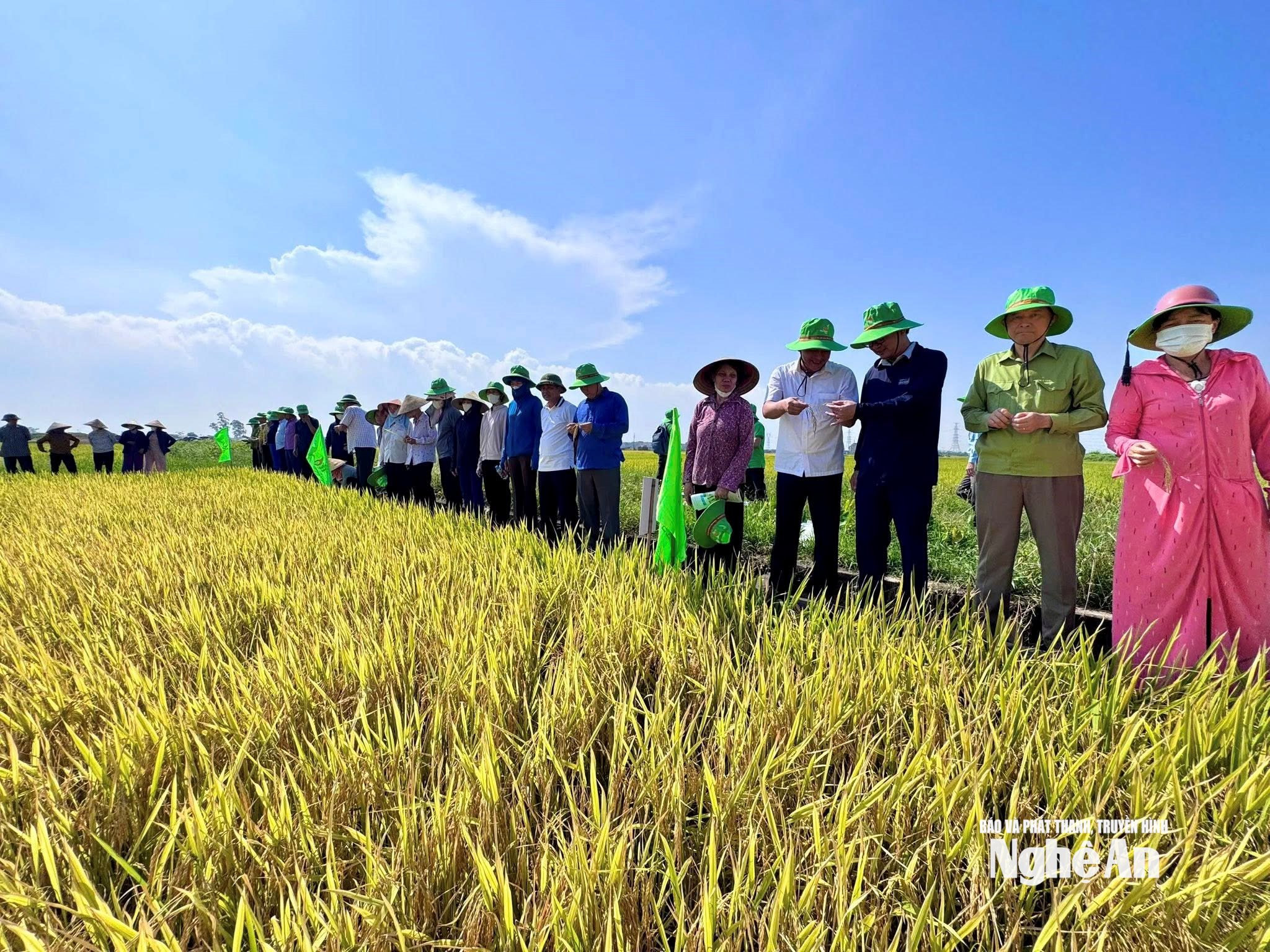
This past spring, farmers in Nghia Lam commune had a bumper crop of Thai Xuyen 111 rice. Despite unfavorable weather conditions during the spring season, with severe cold at the beginning and stormy weather during the flowering stage, over 103 hectares of Thai Xuyen 111 rice (using nearly 3.1 tons of seeds) in the commune still achieved high yields (7.5-8 tons/ha). In Nam Lam village, this rice variety accounts for 40 out of 48 hectares of the total cultivated area. In the final days of the harvest season, the rice fields of Nam Lam are a shimmering golden color, with ears of rice heavy with grain.
The family of Ms. Ho Thi Huong and Mr. Truong Van Nghia in Nam Lam village, Nghia Lam commune, planted over 3 sao (approximately 0.3 hectares) of Thai Xuyen 111 rice and achieved good results. Ms. Ho Thi Huong shared that Thai Xuyen 111 is suitable for the family's fertile land, the plants are strong, resistant to cold, and yield a stable and superior harvest compared to other rice varieties. Actual harvest results show that the family's rice crop yielded nearly 4 quintals per sao.
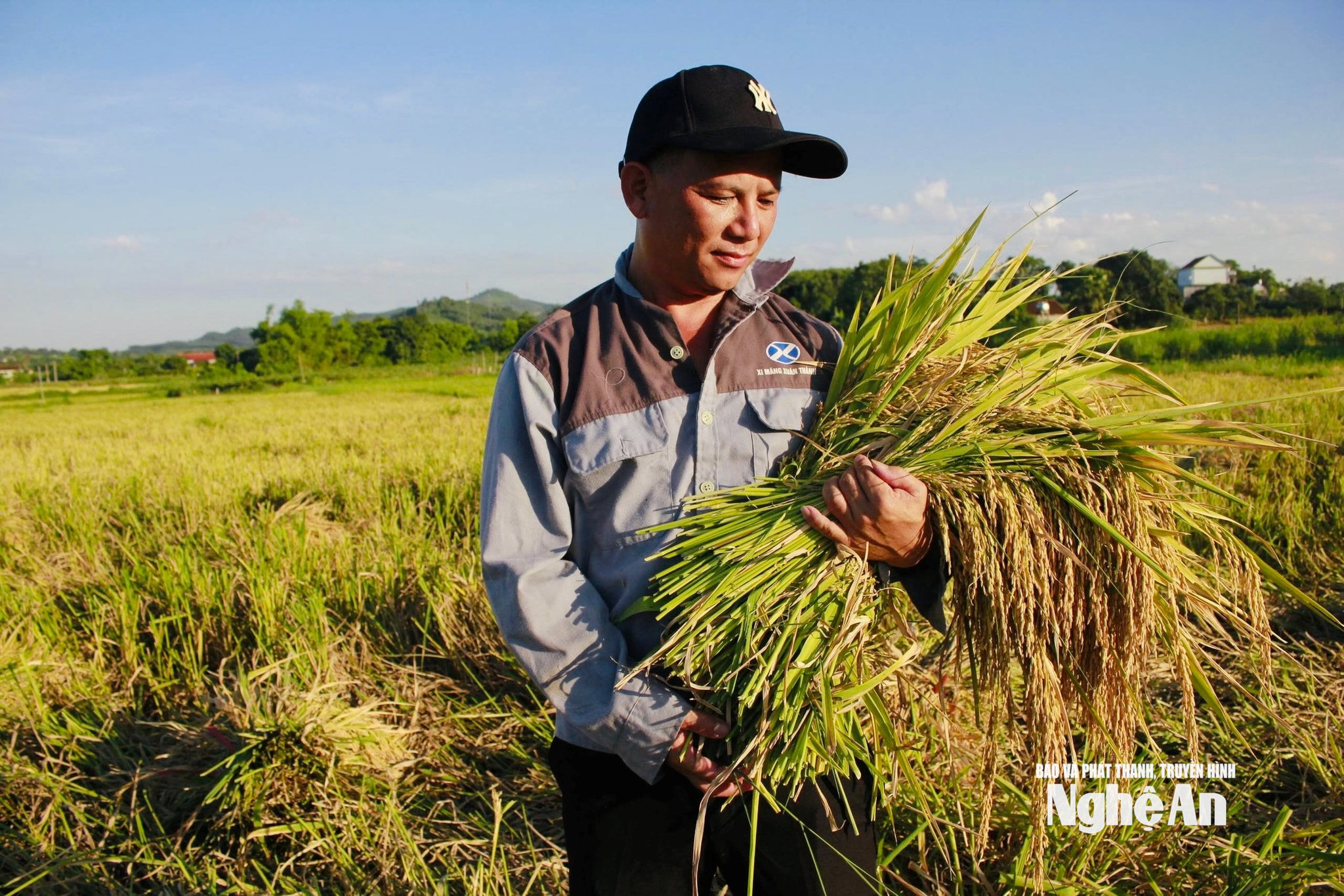
Mr. Tu Minh Ha, head of Nam Lam village, confirmed that the average yield for the entire village is about 4 quintals/sao (approximately 400 kg per 1000 square meters), with many well-cultivated fields reaching up to 4.5 quintals/sao. This rice variety has strong tillering ability, good pest and disease resistance, and is suitable for paddy fields. For many years, Thai Xuyen 111 has been a reliable choice on the fields of Nghia Lam.
In a conversation with Mr. Lo Xuan Du, Vice Chairman of the Nghia Lam Commune People's Committee, it was learned that the commune's rice yield reached 35-40 quintals/sao (equivalent to 7.5-8 tons/ha), an impressive figure for a semi-mountainous area. To achieve this result, the local authorities collaborated with the Provincial Agricultural Extension Center to organize systematic technical training. Building on the success of the spring crop, the Nghia Lam Commune People's Committee continues to orient the Thai Xuyen 111 rice variety into the production structure for both the summer-autumn and main crop seasons in alluvial areas, aiming to further increase rice production productivity.
Besides yield, Thai Xuyen 111 scores points in terms of commercial quality. Thai Xuyen 111 rice grains are long, translucent, and free from white spots. When cooked, the rice grains are glossy, soft, sticky, have a rich flavor, and retain their characteristic aroma; the rice does not dry out or become hard when cooled. The high quality of Thai Xuyen 111 rice ensures a good selling price on the market and easy purchasing by traders.
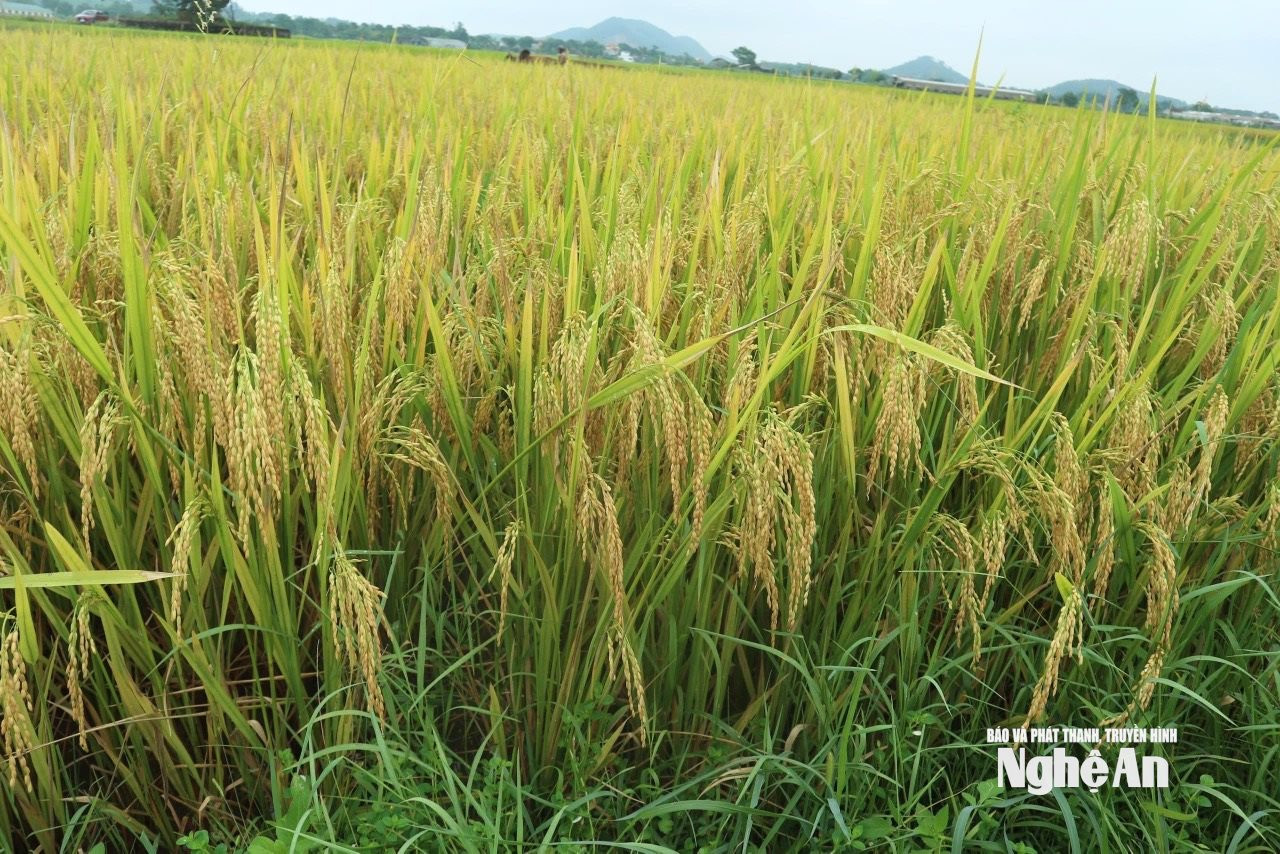
From an agricultural engineering perspective, Thai Xuyen 111 possesses strong and concentrated tillering ability. The plant produces sturdy tillers, resulting in a high density of panicles per unit area. It has good resistance or tolerance to dangerous pests and diseases such as blast, brown spot, and especially bacterial leaf blight during the Summer-Autumn - Monsoon season.
According to published information, Thai Xuyen 111 is currently cultivated in many midland communes of various provinces. In Nghe An, it is common in the (former) districts of Nghia Dan, Thanh Chuong, Do Luong, Dien Chau, Quy Hop, Quynh Luu, and Yen Thanh. The average yield reaches 70-80 quintals/hectare. In Thanh Hoa, this rice variety is widely grown in many key rice-producing districts such as Yen Dinh, Tho Xuan, and Vinh Loc (formerly), yielding a stable output of 7.5 to 8.5 tons/hectare.
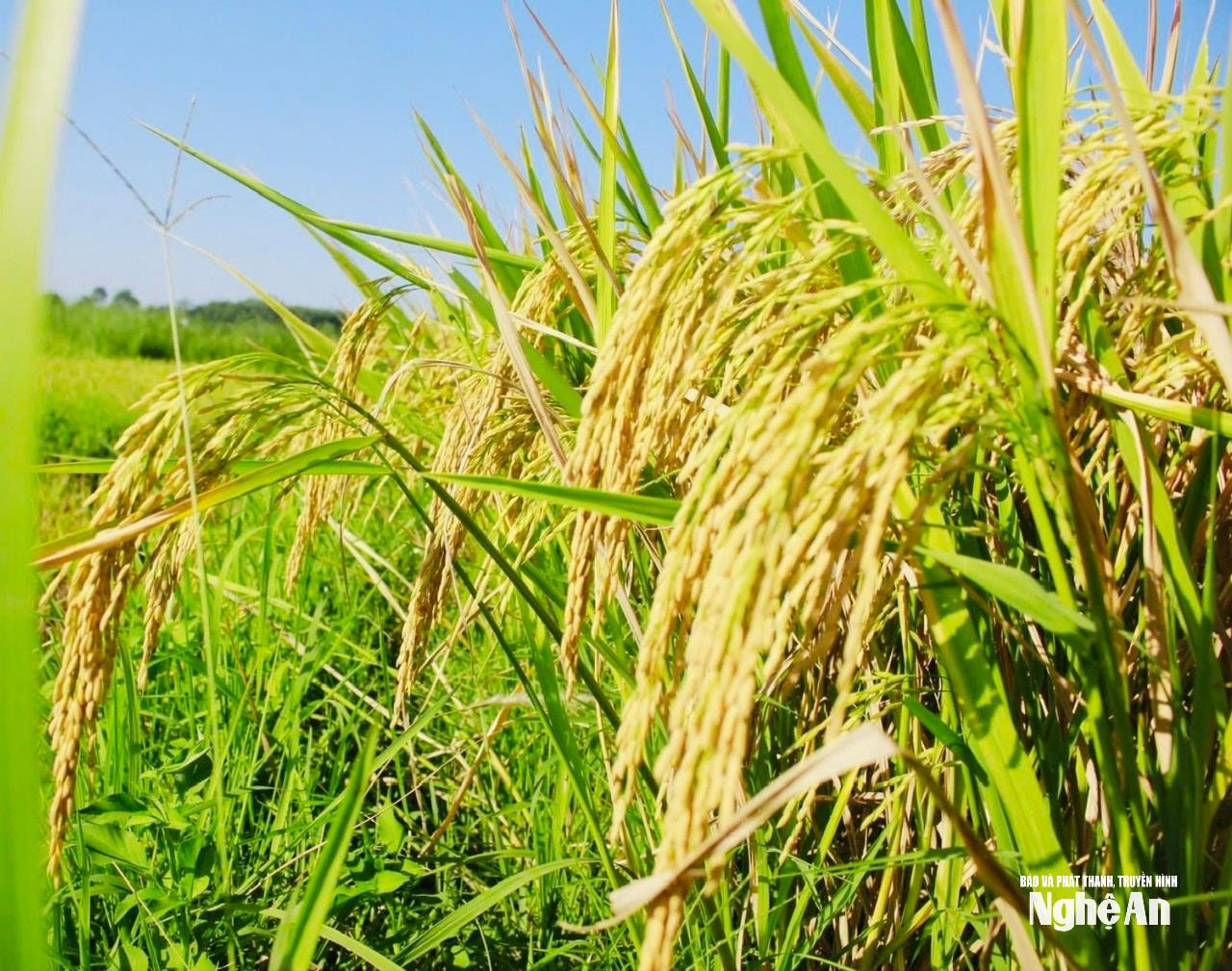
TBR97:GSolutions for a breakthrough in crop productivity.HèThu
TBR97 is a pure rice variety exclusively developed and produced by ThaiBinh Seed Group. This rice variety possesses agronomic characteristics suitable for multi-cropping: short growth period (favorable for avoiding flooding during the summer-autumn season), upright leaves, concave shape, and compact base, which helps the rice field to be well-ventilated, optimize photosynthesis, and limit the habitation of pests.
The plant has an average height and a sturdy stem, giving it good resistance to lodging in the pure rice segment. In addition, TBR97 has good panicle emergence, tightly packed grains, a low percentage of empty grains, and high field uniformity, resulting in uniform ripening and facilitating machine harvesting.
In provinces such as Hung Yen, Thanh Hoa, Tay Ninh, and Dak Lak, TBR97 has been included in the production structure for both the Spring and Summer-Autumn seasons, demonstrating adaptability to diverse soil types, from Red River alluvial soil to sandy loam soil in Central Vietnam, with average yields ranging from 6.5 to 7.5 tons/ha.
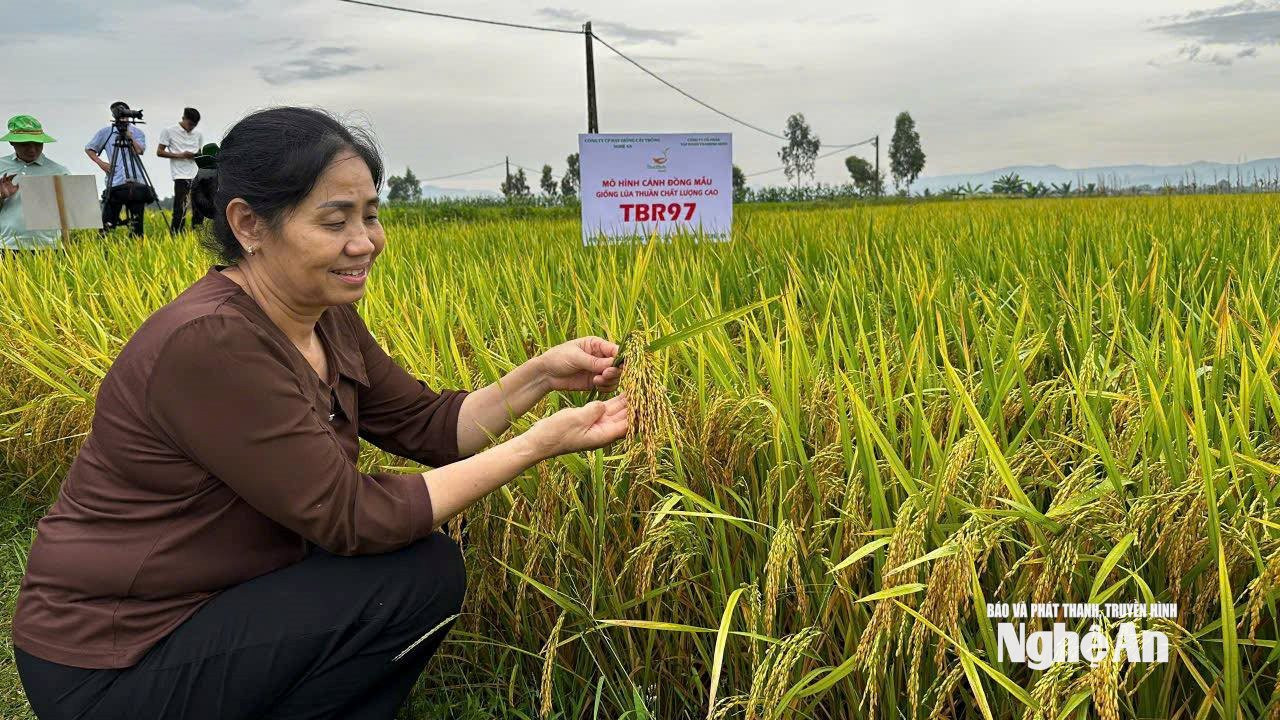
Based on the successful demonstration models in previous years, in the 2026 Summer-Autumn crop season, farmers in An Chau commune, Nghe An province, expanded the area planted with the TBR97 variety to over 200 hectares, accounting for 35% of the total cultivated area in the commune. This result stems from the farmers' consensus on the quality of seeds supplied by ThaiBinh Seed, with the company providing both seeds and fertilizers as a complete package.
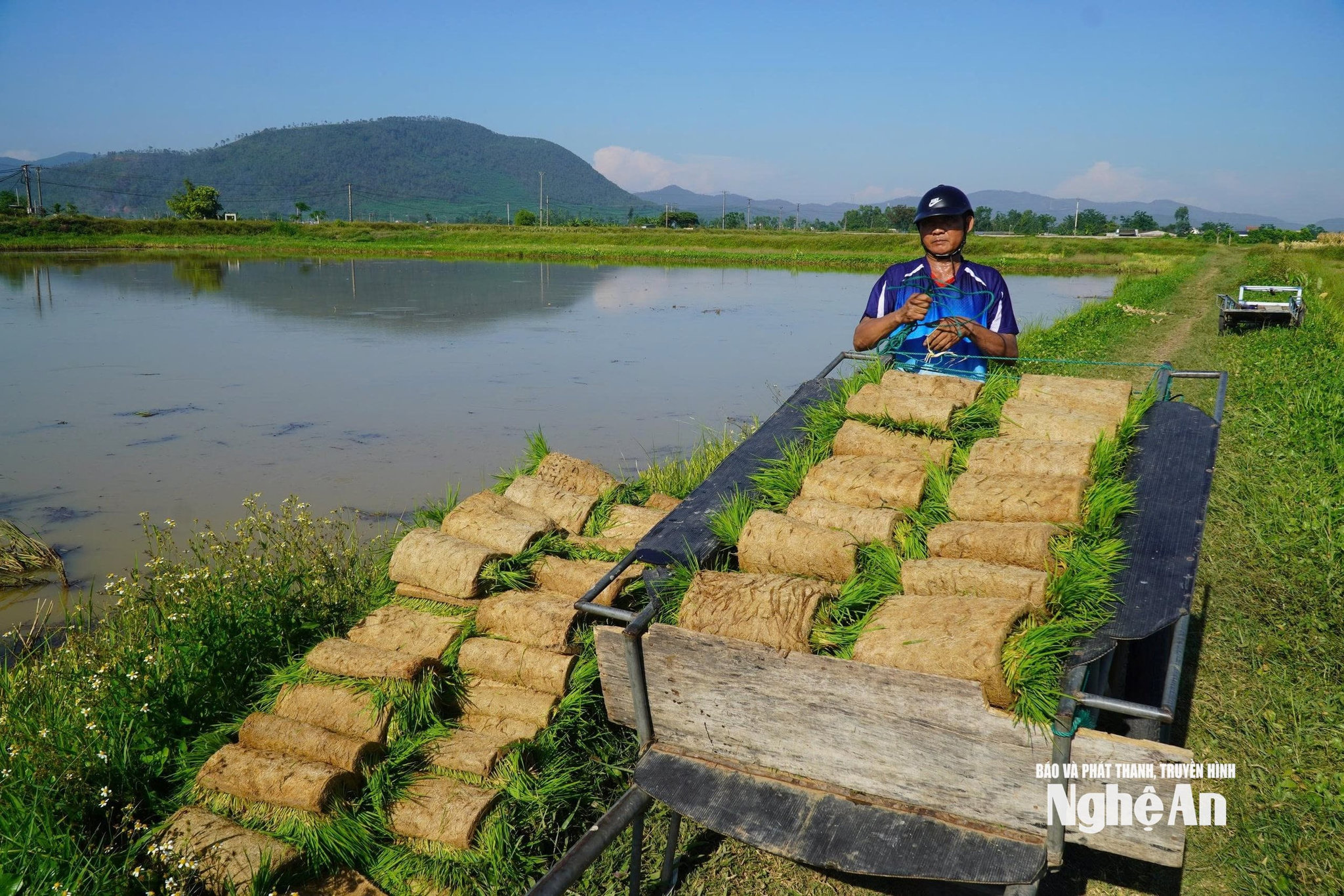
At Dien An Cooperative, the atmosphere of urgent summer-autumn crop production is spreading throughout the fields. Of the 120 hectares of summer-autumn rice in the commune, farmers have planted the TBR97 variety on 63 hectares (over 50% of the total area). A new feature in this year's farming method is the application of comprehensive mechanization. Besides traditional sowing methods, farmers have adopted tray seedling technology and machine transplanting, freeing up labor and accelerating the planting process to meet the summer-autumn crop schedule.
According to Mr. Truong Van Thang, Chairman of Dien An Cooperative, the TBR97 rice variety possesses the necessary advantages for a safe summer-autumn crop: concentrated tillering, moderate plant height, good pest and disease resistance, and delicious, flavorful rice with a high percentage of whole grains after milling. This year, farmers here received support covering up to 80% of the seed cost, enabling them to expand the TBR97 planting area by tens of hectares compared to previous years.
Ms. Cao Thi Ty, a member of Dien An Cooperative, who is cultivating 3 sao (approximately 0.3 hectares) of TBR97 rice in this summer-autumn crop, shared: "Previously, my family planted many different rice varieties, and in the summer-autumn crop, the rice often suffered from bacterial blight, resulting in unstable yields. But since participating in the TBR97 rice cultivation model, my family is reassured about disease outbreaks. Even in the recent spring crop, despite fluctuating weather, the TBR97 rice field still developed well, without dangerous diseases such as brown spot or blast. The yield was stable, averaging over 7 tons/ha, with firm grains and a low percentage of empty grains."
TBR97 also yielded a good harvest in many communes such as Nghia Dong, Minh Chau, Quynh Phu, Quynh Son, Hung Tay... in Nghe An province.
Thai Xuyen 111, with its high yield, and TBR97 and TBR98, with their fragrant, sticky rice quality, are contributing to the formation of concentrated commodity production areas in Nghe An and neighboring provinces during both the Spring and Summer-Autumn seasons. This Summer-Autumn season, ThaiBinh Seed is still experiencing high demand for rice varieties that have proven themselves over many seasons and produce delicious rice.
Evaluating the results of the trial production model of TBR 97, 98 and Thai Xuyen 111 rice varieties in Nghe An province at the field site, Mr. Tran Manh Bao - Chairman of the Board of Directors of ThaiBinh Seed said that all varieties can be grown for 3-4 seasons, grow and develop well, and are suitable for the soil conditions of Nghe An. These varieties show many outstanding advantages in terms of yield, pest and disease resistance, and rice quality, and especially have very favorable market demand.


