ThaiBinh Seed and climate-tolerant rice varieties
Climate change and natural disasters pose urgent demands on agricultural production. For rice – a key crop – selecting suitable, high-yielding varieties is crucial to ensuring food security and enhancing the value of Vietnamese rice.
In light of this reality, ThaiBinh Seed – one of the leading enterprises in the field of plant breeding, production, and supply – continues to affirm its pioneering role with tangible practical results.
In addition to focusing on developing high-quality rice varieties, ThaiBinh Seed also promotes cooperation with localities, farmers' organizations, and cooperatives to transfer synchronized technical processes, helping farmers maximize the potential of the varieties, minimize risks, and increase economic efficiency.
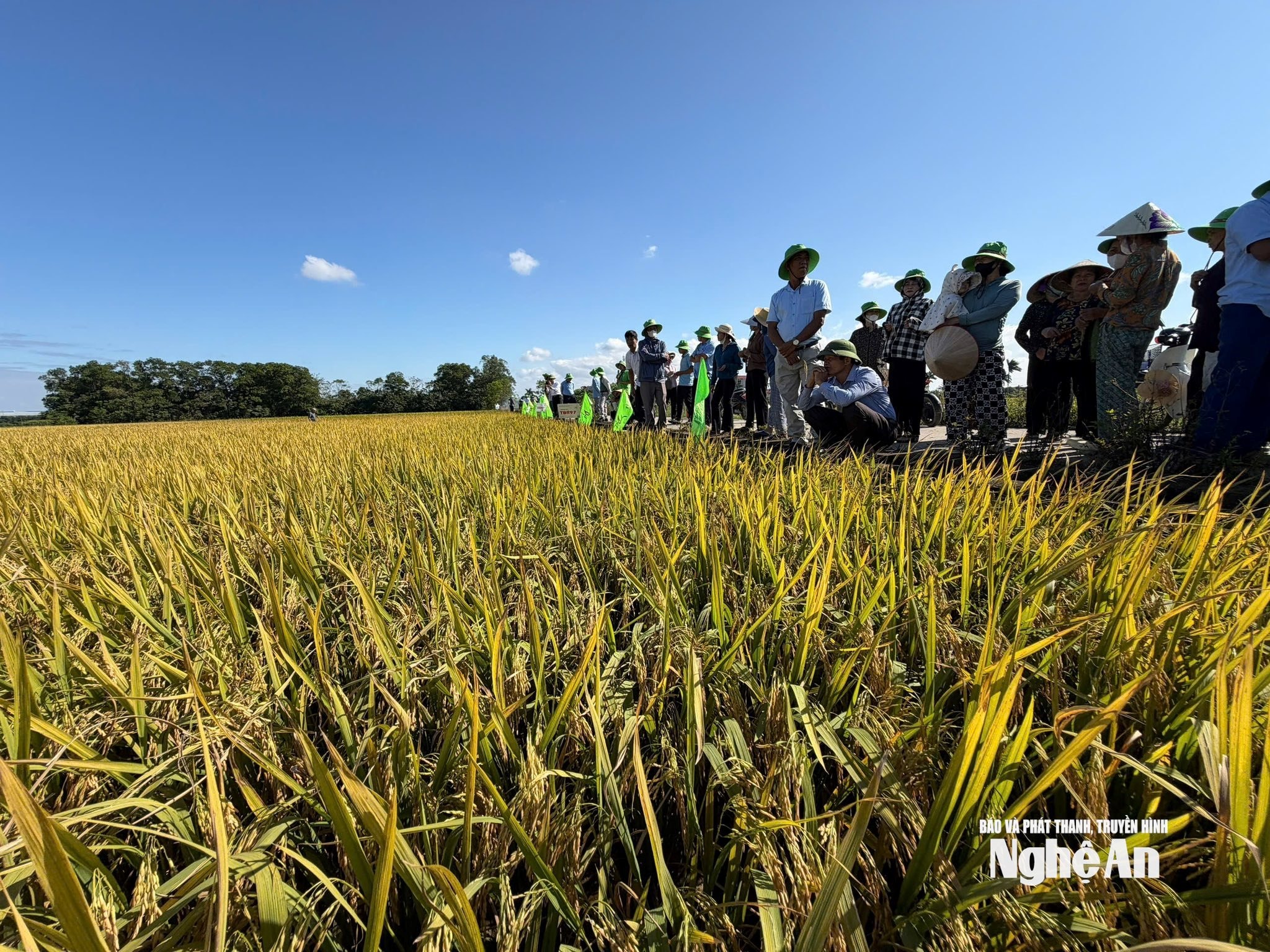
The 2025 crop season was considered one of the most challenging in recent years. Northern Vietnam was hit by three major typhoons – Ragasa, Bualoi, and Matmo – severely impacting rice production. In many areas, prolonged heavy rains during the flowering and grain-filling stages caused thousands of hectares of rice to be flattened, with broken stems and significantly reduced yields. However, the situation was much more favorable at ThaiBinh Seed's rice variety demonstration models – especially at the Group's Crop Research Institute in Hung Yen.
Despite facing similar weather conditions, ThaiBinh Seed's rice varieties still thrive, stand firm, flower uniformly, have a high percentage of plump grains, and are less susceptible to pests and diseases. This is clear evidence of the superior resilience and stability of varieties that have been systematically selected, tested in practice over many seasons and different ecological regions.
Besides demonstrating weather resistance, varieties such as TBR97, TBR225, TBR39, BC15-09… are also highly valued for their yield, rice quality, and cultivation efficiency. Among them, the TBR97 rice variety has become a preferred choice for many localities due to its short growing season, strong stems, good pest and disease resistance, stable yield, and white, soft rice quality, which suits market preferences.
Ms. Tran Thi Tra, General Director of ThaiBinh Seed Group, emphasized: “Following the merger of Thai Binh and Hung Yen provinces, ThaiBinh Seed is committed to continuing to support Hung Yen province's agriculture sector on its journey towards sustainable development. We focus on four main directions: Cooperating with departments, agencies, and localities to build a suitable seed structure and develop efficient raw material areas; accompanying farmers and cooperatives through production-consumption linkage programs, training in new seed cultivation techniques to improve productivity and reduce costs; strengthening research on breeding varieties adapted to climate change and developing ecological agriculture; developing local agricultural product value chains with modern processing plants and building a traceable rice brand. ThaiBinh Seed aspires to become a reliable partner, contributing to building a modern and sustainable agriculture nationwide.”
Currently, ThaiBinh Seed's rice varieties are available in most key rice-growing provinces in the Red River Delta, North Central region, and part of the South Central region. The group has also been closely cooperating with the Departments of Agriculture and Environment, Seed Centers, and Agricultural Extension Centers in provinces such as Thai Binh, Hung Yen, Nam Dinh, Hai Duong, Thanh Hoa, Nghe An, Ha Tinh, etc., to conduct trials, replicate models, and organize field workshops and technical training for farmers.
One of the distinguishing features of ThaiBinh Seed's approach is its commitment to providing seeds from legitimate sources, produced through a three-tiered process (original strain – certified – commercial), with rigorous testing for purity, germination rate, and seed quality. As a result, the seeds delivered to farmers are guaranteed to be highly stable, free from adulteration, and not contaminated with counterfeit or imitation seeds – a problem currently causing significant losses in agricultural production.
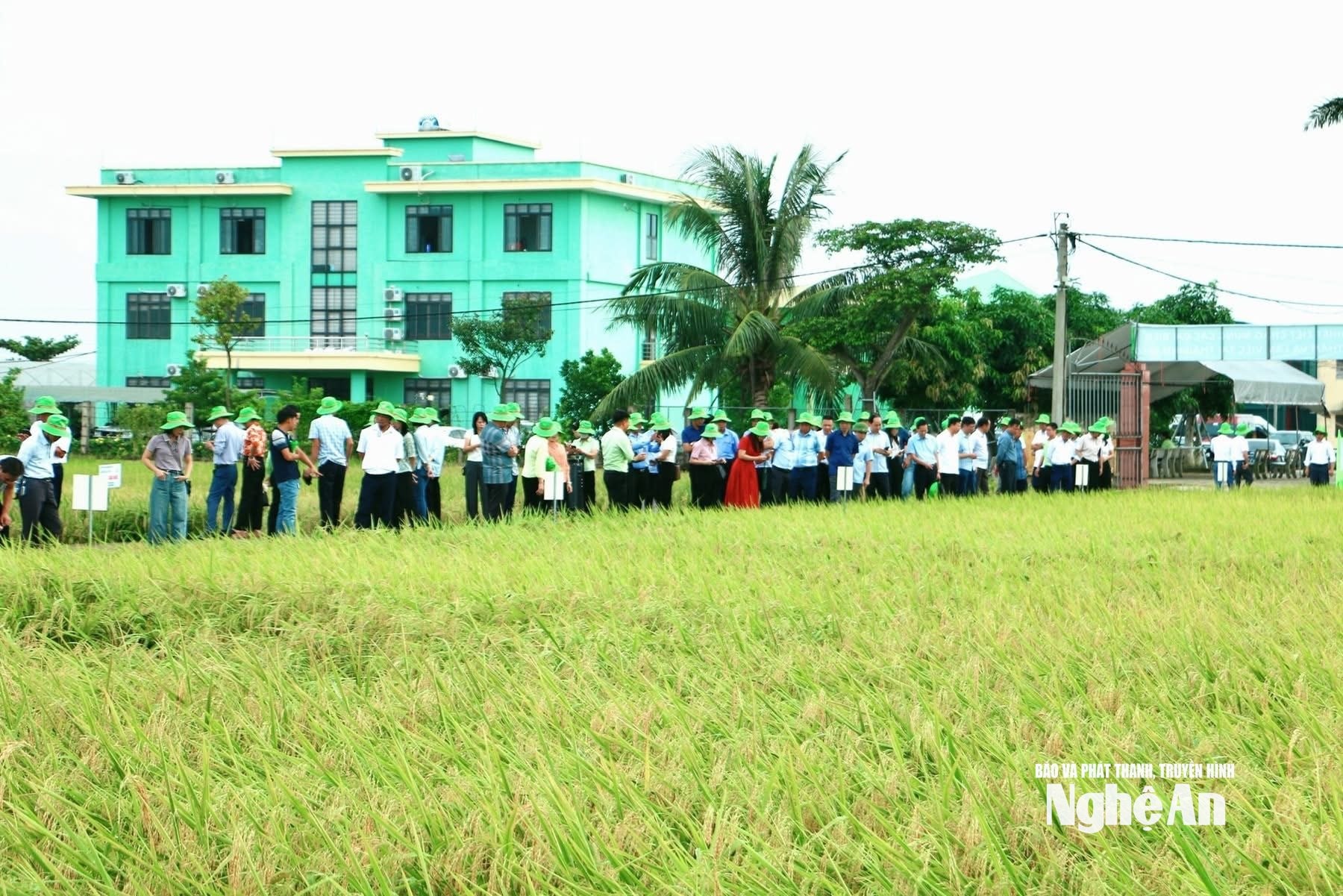
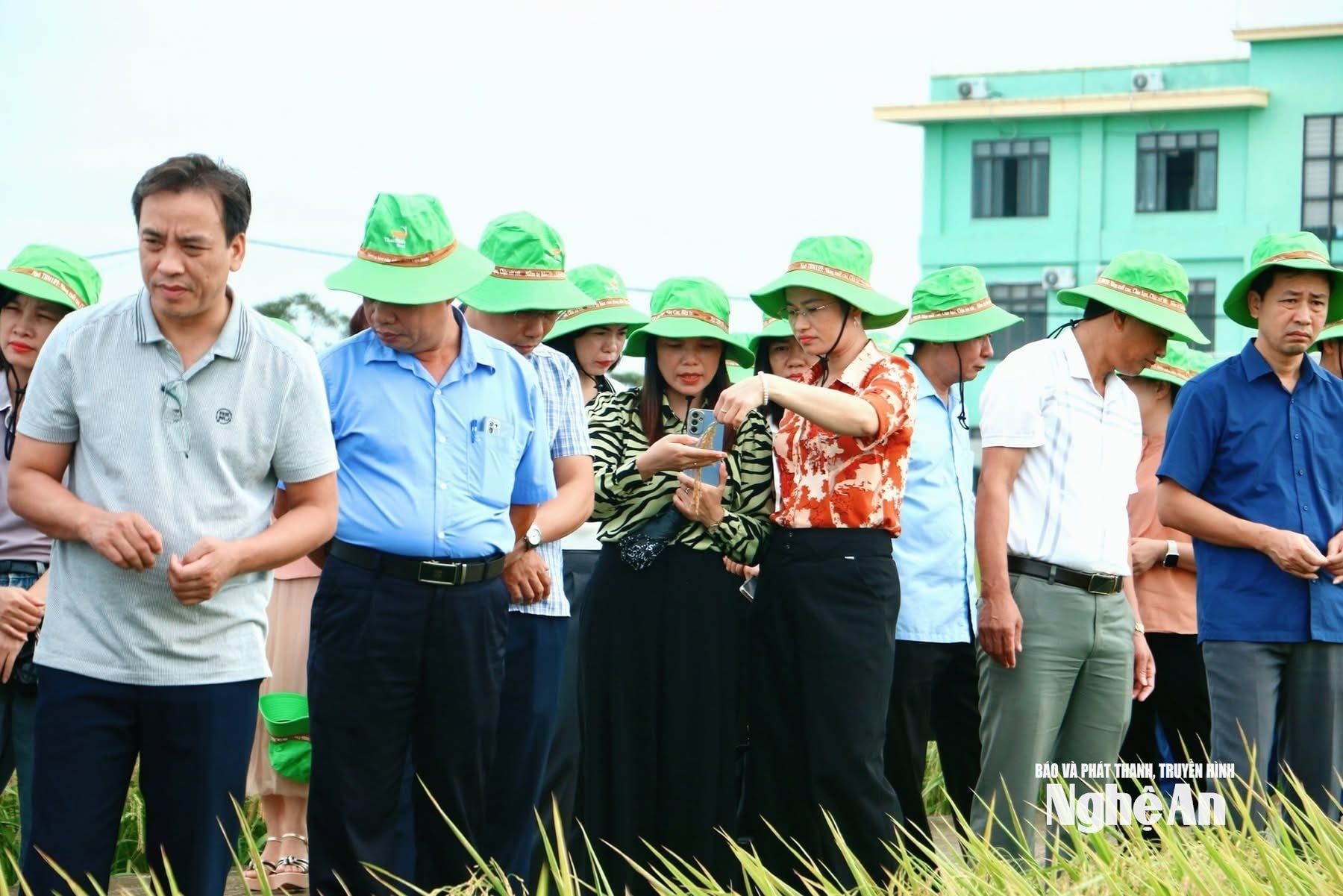
Besides seed quality, ThaiBinh Seed also places special emphasis on transferring technical processes and providing guidance on cultivation methods suitable for each ecological region. The Group's technical staff, in coordination with local specialized units, organizes training courses, workshops, and regular field visits to help farmers master proper care and fertilization procedures, proactively control pests and diseases, thereby reducing input costs and improving cultivation efficiency.
Practical results from the models show that the rice yields of the varieties supplied by ThaiBinh Seed reached 65-78 quintals/hectare, and even exceeded 8 tons/hectare in some well-managed intensive farming areas. Compared to old varieties, the yield increase was 10-20%, while seed costs decreased thanks to lower sowing rates, simpler cultivation techniques, and ease of large-scale application.
Not content with just seed production, ThaiBinh Seed is gradually perfecting its rice value chain towards a modern and sustainable direction. The group is currently building a modern rice processing plant in Hung Yen province, linked to the planning of high-quality raw material areas, traceability, and the development of a rice brand for the growing region. This is a strategic step to enhance the value of rice grains and bring Vietnamese agricultural products closer to the global value chain.
In addition, ThaiBinh Seed is also promoting the application of digital technology in seed management, raw material area operation, and product supply. From seed production, packaging, storage to distribution, everything is digitized, transparent, and tightly controlled. This not only improves management efficiency but also helps farmers and cooperatives easily access and update information, thereby giving them peace of mind in production and product consumption.
More importantly, ThaiBinh Seed's success lies not only in developing superior rice varieties, but also in its systematic, synchronized approach that puts farmers at the center. The close collaboration between the enterprise, local authorities, cooperatives, and farmers has created a sustainable and effective linkage model, minimizing risks and increasing value in agricultural production.
What ThaiBinh Seed is doing demonstrates a long-term vision: Agricultural production needs to be guided by science, supported by strong businesses, and proactively change the mindset of farmers.
The 2025-2026 crop season is fast approaching. In the context of still potentially unpredictable weather, selecting the right varieties, employing proper cultivation methods, and fostering strong linkages among all stakeholders will continue to be key to ensuring success. With thorough preparation in terms of high-quality seeds, stable supply, systematic technical processes, and a synchronized value chain, ThaiBinh Seed remains committed to supporting Vietnam's agricultural sector and farmers on their path to sustainable development.