
July, calling out the names of those sons who have not yet returned.
On the 79th anniversary of the Day of War Invalids and Martyrs (July 27, 1947 - July 27, 2026), the nation once again bows in respect to the immeasurable sacrifices. But today's gratitude goes beyond mere incense, wreaths, or words of remembrance...
During the 500-day campaign to search for, collect, and identify the remains of fallen soldiers, gratitude is being transformed into concrete action: finding, bringing back, and correctly naming those who fell for the enduring existence of the Fatherland.
July has arrived again, and the fragrant smoke of incense blends with the lingering evening mist at the martyrs' cemeteries across Vietnam. On the rivers that once blazed with fire, the water still flows, carrying the messages of countless young soldiers. Time has covered the hillsides, caves, and ferry landings once ravaged by bombs and bullets with a verdant hue.
But in many Vietnamese homes, the losses of war have never truly been healed. There are still altars bearing only a certificate of recognition from the nation, without a handful of soil from their homeland to embrace the deceased; there are still mothers who, until their dying breath, never know where their children are buried; wives with graying hair still anxiously await news of their husbands; and children who have lived almost their entire lives without ever having called out "Father!"
The principle of "drinking water, remembering the source" is never outdated. The further we move away from war, the more we appreciate the value of peace. The peaceful cities we have today were built on the sacrifices of those who were forever young.
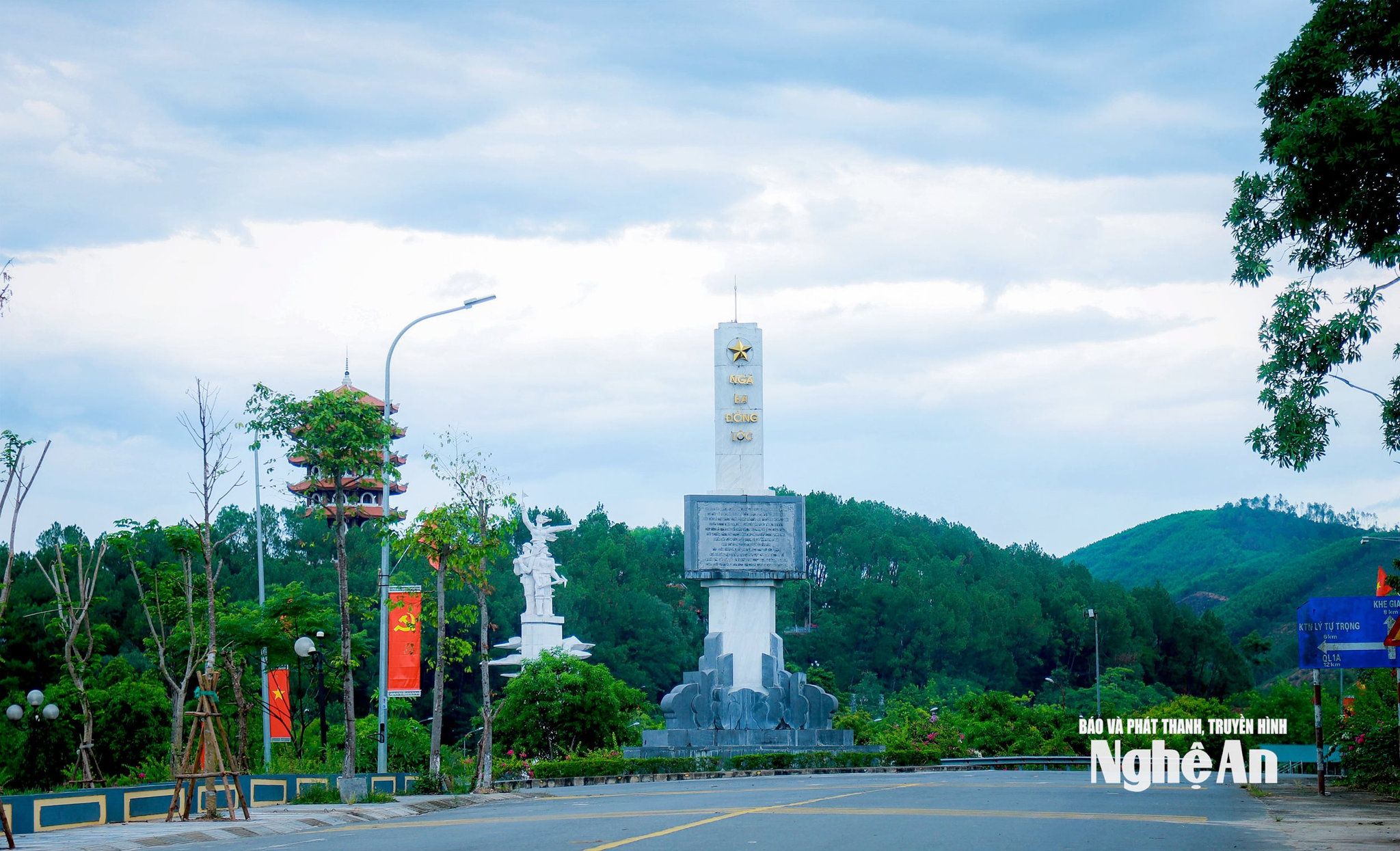
At Dong Loc Crossroads, the memory of the 10 young female volunteers still brings tears to people's eyes. The poem "Cuc ơi!" is not just a call to a comrade, but a call that pierces through the earth, bombs, and the harshness of time: "Cuc ơi, where are you?" echoes on behalf of countless mothers and generations to come.
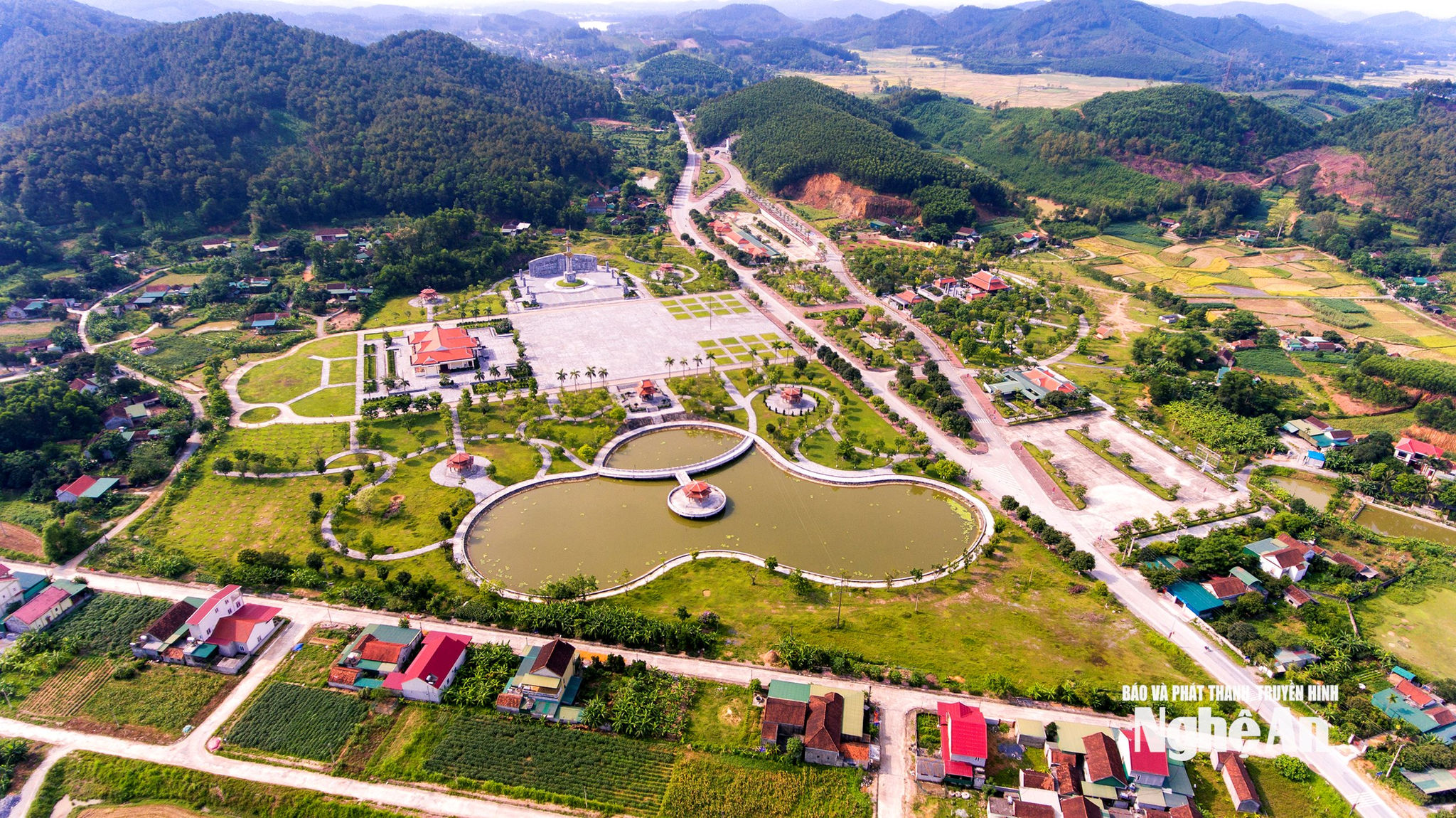
In Truong Bon, the song "Is this handful of earth really you?" sounds like a lullaby whispered into the warm heart of the land. At Tam Co Cave, the story of the eight young volunteers buried by bombs at the cave entrance on the 20th Victory Road remains the most tragic memory of Truong Son. Trapped in darkness and suffering from hunger and cold, they shared every sip of water, singing to encourage each other, until their voices faded away.
And then there's Quang Tri Ancient Citadel, Truong Son Cemetery, the Thach Han River… These “red addresses” are where the nation bows its head before those who perished so that the Fatherland could rise again. Along the Thach Han River, each rowing stroke today seems slower, gentler, because beneath the water lies the blood and bones of countless young soldiers in their twenties during those fiery days:
"Ferry yeahJellyKhan Ask for paddle light
Bottom river still there Friend I lie
Have year old pair twenty wall wave water
Hold peace edge realm forever thousand year"
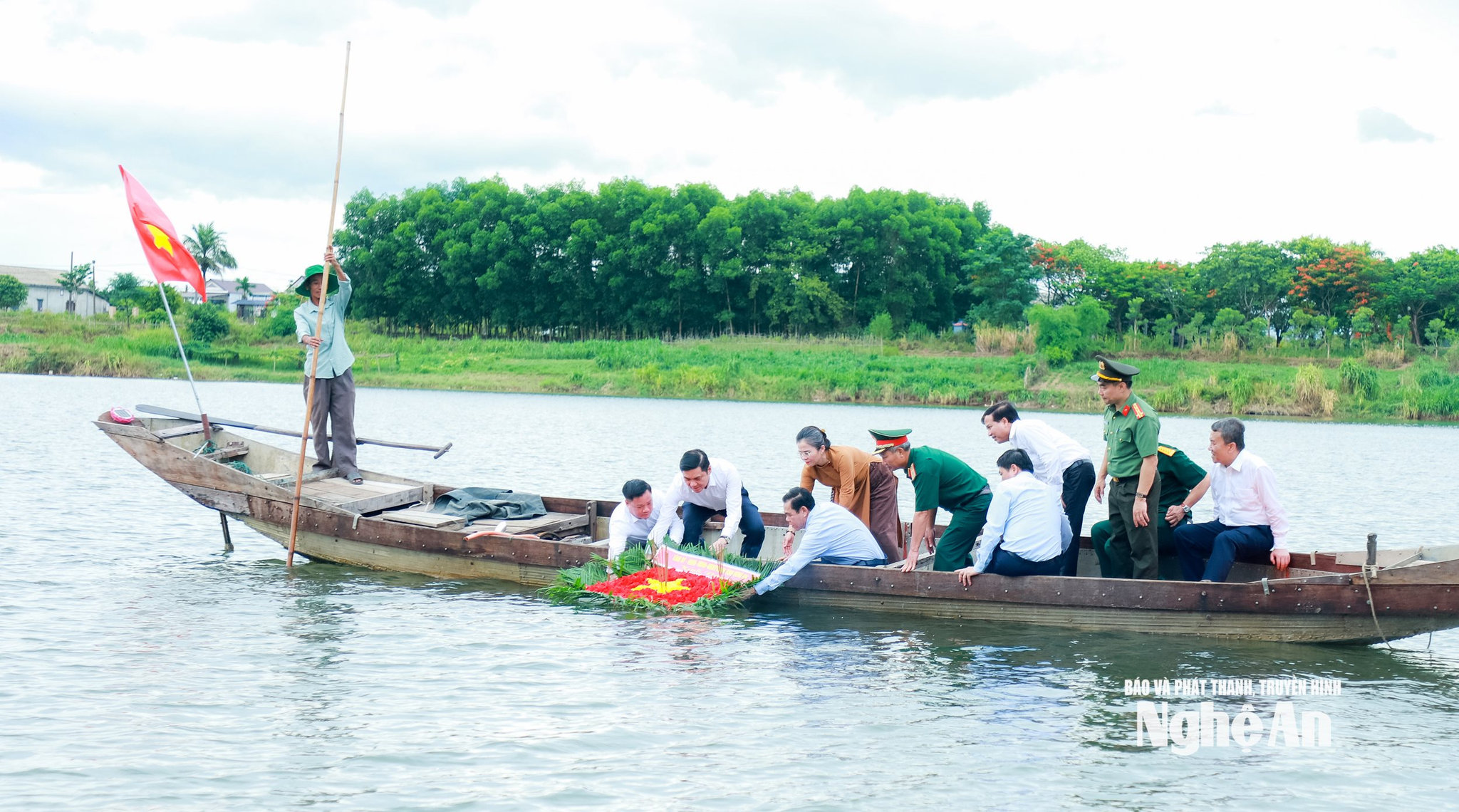
As we read it, we hear not only the sound of water, but also the calls of comrades, the reminder to walk softly before the sacrifices that have become part of the mountains and rivers.
Gratitude, if it only stops at emotion, is still insufficient. Behind the commemorative ceremonies lies a great debt to time: Across the country, there are still approximately 175,000 remains of fallen soldiers yet to be found, and over 300,000 graves of fallen soldiers whose identities remain unknown. Each of these numbers is not a cold statistic, but represents a family, an altar, a agonizing wait.
Therefore, the 500-day campaign to intensify the search, collection, and identification of the remains of fallen soldiers holds special significance. According to Decision No. 27/QD-BCDQG, the campaign, aimed at commemorating the 80th anniversary of the Day of War Invalids and Martyrs, will be implemented from March 15, 2026, to July 27, 2027. This is a race against time, against fading memories, changing landscapes, and a dwindling number of historical witnesses. Forests have changed paths, rivers and streams have shifted; each passing day may diminish another clue, but each day of decisive action opens another door to their return.
The campaign aims to recover approximately 7,000 remains; complete sampling of about 230,000 unidentified graves; conduct DNA testing on approximately 18,000 samples; build a genetic database of relatives; and clear landmines in key areas. A single DNA sample could be the thread connecting father to son, brother to sister. A piece of artifact, an inscription on a canteen, a button, or a tattered piece of cloth could also help restore a person's identity.
There are stories that make it clear why the search for fallen comrades cannot be delayed any longer. In early March 1999, in the old forest of Dak Ring village, Kon Plong district, Kon Tum province, people discovered a green parachute hammock hanging precariously between two large trees, about 15 meters above the ground. When they climbed up to check, they were shocked to find a perfectly preserved skeleton inside the layer of dry leaves, next to a decaying backpack. From the remaining mementos such as a notebook, a pen, and papers, authorities identified the remains as those of martyr Nguyen Van Hung, from Tong Bat, Ba Vi, Hanoi, who belonged to a medical unit that had marched to the Central Highlands battlefield.
In 1974, afflicted with severe malaria during a march through the jungle, he volunteered to stay behind, hanging his hammock between two small trees to avoid affecting his unit, waiting for the next group to pick him up or hoping to rejoin his comrades once he recovered. However, the jungle malaria and the lack of medicine kept him there forever, just before the great victory of Spring. For 25 years, those two small saplings have grown into towering trees, supporting the hammock and the soldier's sleep high in the sky. That image is heartbreaking for those who remain, a reminder that beneath each silent forest canopy, there may still be a soldier waiting to be found and brought back home.
What moved every Vietnamese citizen was that the campaign quickly transformed from determination into tangible results. By early July 2026, after 111 days of implementation, functional forces had searched for and collected more than 1,300 remains of fallen soldiers, discovered 3 mass graves in Tuyen Quang; organized the collection of samples from more than 27,000 graves and handed over more than 9,000 samples to DNA testing units. Bomb and mine clearance work was carried out on more than 7,000 hectares, with over 70% of the progress achieved in the core area of Vi Xuyen, Tuyen Quang. These results are the sweat and effort of those silently working in the deep forests and mountains of our homeland and neighboring Laos and Cambodia; a combination of traditional ethics and modern science.
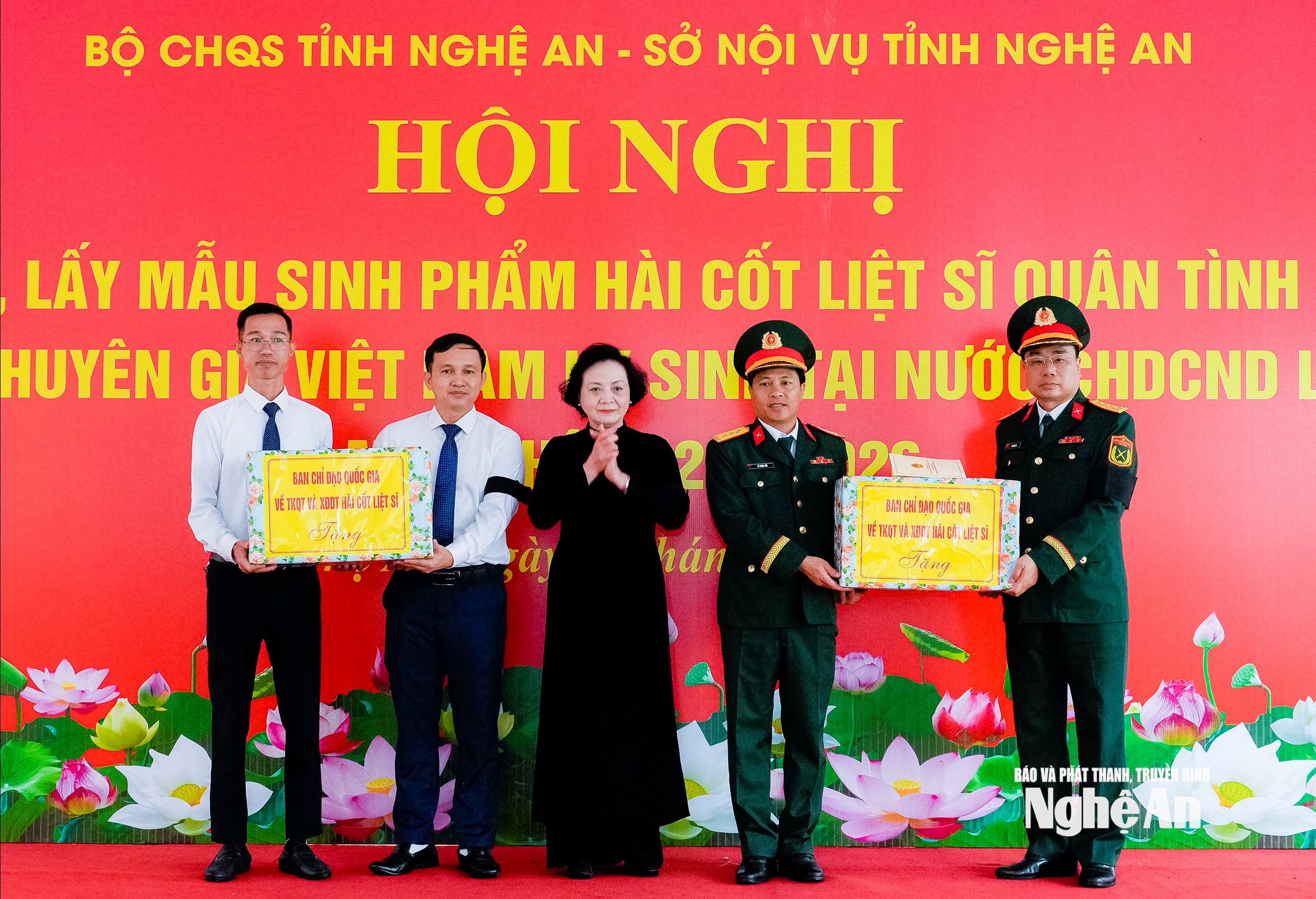
Some homecomings take more than half a century. On May 21, 2026, at Nghi Loc Martyrs' Cemetery in Nghe An province, 80 remains of Vietnamese volunteer soldiers and experts who died in Laos were solemnly interred. The identities of all 80 remains are still unknown. They have returned to their homeland, but the journey to call them by their true names continues.
For a fallen soldier, returning home is not just about being laid to rest in a cemetery, but about being called by their rightful name and hometown, so that a mother and wife no longer have to pray before a vast empty space, and so that the tombstone no longer bears the inscription "name unknown".
Therefore, the 500-Day Campaign is a call for responsibility from the entire society. If families still possess death certificates, handwritten letters, diaries, burial diagrams, mementos, etc., please do not let them be lost with time. Young people should help their grandparents and parents digitize their memories and preserve the information to send to the authorities. Each DNA sample collected is an opportunity for an unidentified fallen soldier to have their name restored.
On the 79th anniversary of the Day of War Invalids and Martyrs, we bow our heads in respect to those who dedicated their entire lives to the Fatherland, and to the heroic Vietnamese mothers who silently endured the longest period of suffering caused by the war. Along with this bow comes a promise: No sacrifice will be forgotten, and no one will remain forever anonymous.
Peace is not just the day the guns fall silent; peace is also the day those who sacrificed their lives are called by their rightful names and returned to their motherland. As long as there is a mother who does not know where her child lies, a wife who is still waiting for news of her husband, or a child who has not yet found their father, July will remain a day for action. In today's 500-day campaign, the entire nation is searching for those who have not returned, cherishing every handful of soil, comparing every genetic sample, so that one day, before rows of white tombstones, we will not only light incense for "unknown martyrs," but can also, with choked voices, call out their rightful names.


