
Removing obstacles to universal preschool education for children aged 3-5 years old.
Universal preschool education for children aged 3-5 is not only an important step in the educational development strategy, but also a solid foundation for the holistic development of each child.
In Nghe An, the implementation of universal education also contributes to narrowing the educational gap between regions, ensuring that all children have the opportunity to be cared for, nurtured, and educated in the best conditions from their early years.
Expanding the scale of schools and classes.
Ben Thuy Kindergarten, located in Truong Vinh ward, Nghe An province, currently has 16 classrooms to teach nearly 500 students. This school also regularly organizes experiential learning activities, cultural and artistic events, and sports activities to create a vibrant learning environment and help children develop comprehensively both physically and mentally.
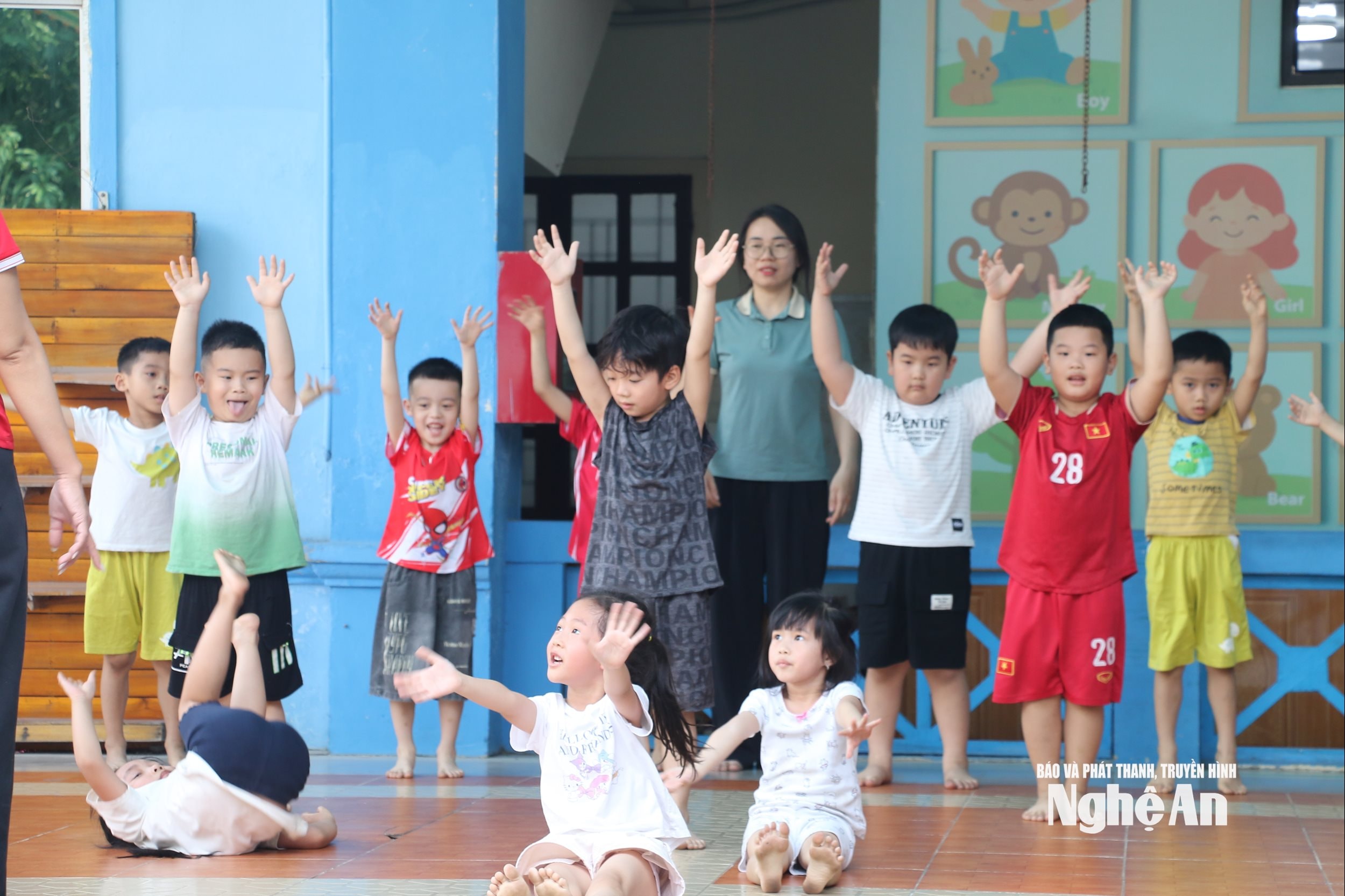
According to school leaders, thanks to continuous efforts in improving the quality of care and education, the number of parents who trust and choose to send their children to the school has increased significantly in recent years.
However, to achieve the goal of 100% enrollment for children aged 3-5, the school still faces many difficulties such as a shortage of classrooms for expansion and a shortage of teachers compared to the regulations for preschools. Compared to many other schools in Truong Vinh ward, Ben Thuy Preschool faces more challenges in terms of investment in facilities and teaching conditions.
The Ben Thuy Kindergarten alone cannot meet the needs of all children of preschool age in the area. In reality, many children eligible for universal preschool education are currently attending 11 independent preschool groups as well as nearby preschool facilities. This partly demonstrates the increasing pressure on school size, facilities, and teaching staff.
Given this situation, we hope to continue receiving attention and investment from all levels and sectors to expand classrooms, supplement teaching equipment, upgrade the campus, playgrounds, and other facilities serving the boarding program.
At the same time, more mechanisms and policies are needed to develop the teaching staff, ensuring sufficient numbers and improving the quality of care and education for children.
Ms. Tran Thi Thai - Principal of Ben Thuy Kindergarten
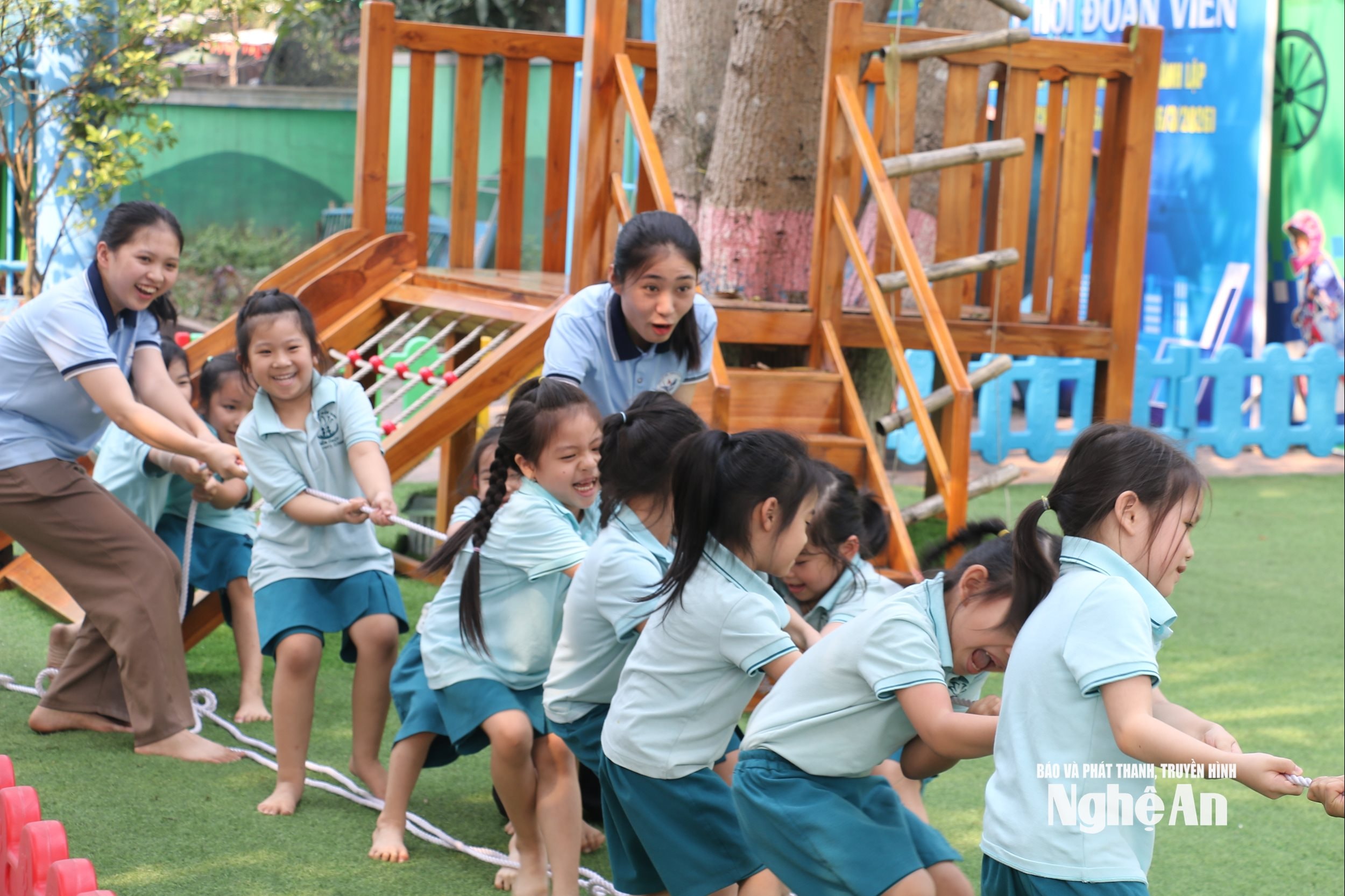
At Tan Ky Town Kindergarten, there are currently 13 groups/classes with 357 students. However, due to insufficient classrooms at the main school site, students still have to study at two separate locations about 1km apart, causing considerable difficulties in management and teaching activities.
-725132c7fff2461a1f4dd7a16dbddd4d.jpg)
According to Ms. Nguyen Thi Ly, the school principal, even though it is a top-performing school...preschool levelWhile the school is located in the area, its current space is still cramped and does not meet the required standards. Given this reality, the school has proposed to the local authorities the renovation of the former Tan Ky Town People's Committee building to create classrooms, and to expand the school grounds. Once these projects are implemented, the school will have more resources to increase the number of classes and enrollment, contributing to better meeting the educational needs of children in the area and facilitating the universalization of preschool education for children aged 3-5.
Comprehensive investment to universalize preschool education.
Ms. Ngo Thi Thu Huong, Head of the Preschool Education Department of the Department of Education and Training, stated that the implementation follows these guidelines. According to Resolution No. 218/2025/QH15 dated June 26, 2025, of the National Assembly, Nghe An province is setting a target to complete universal preschool education for children aged 3 to 5 by 2030.
We aim to continue strengthening and improving the quality of universal preschool education for children aged 3 to 5, ensuring maximum enrollment of children of preschool age.
Through this, children are nurtured, cared for, and educated in a safe, friendly, and high-quality environment; they develop comprehensively in terms of physical, intellectual, emotional, aesthetic, and linguistic aspects, and are prepared for first grade. At the same time, universal education contributes to ensuring equity in access to education, leaving no child behind.
Ms. Ngo Thi Thu Huong - Head of the Preschool Education Department, Department of Education and Training
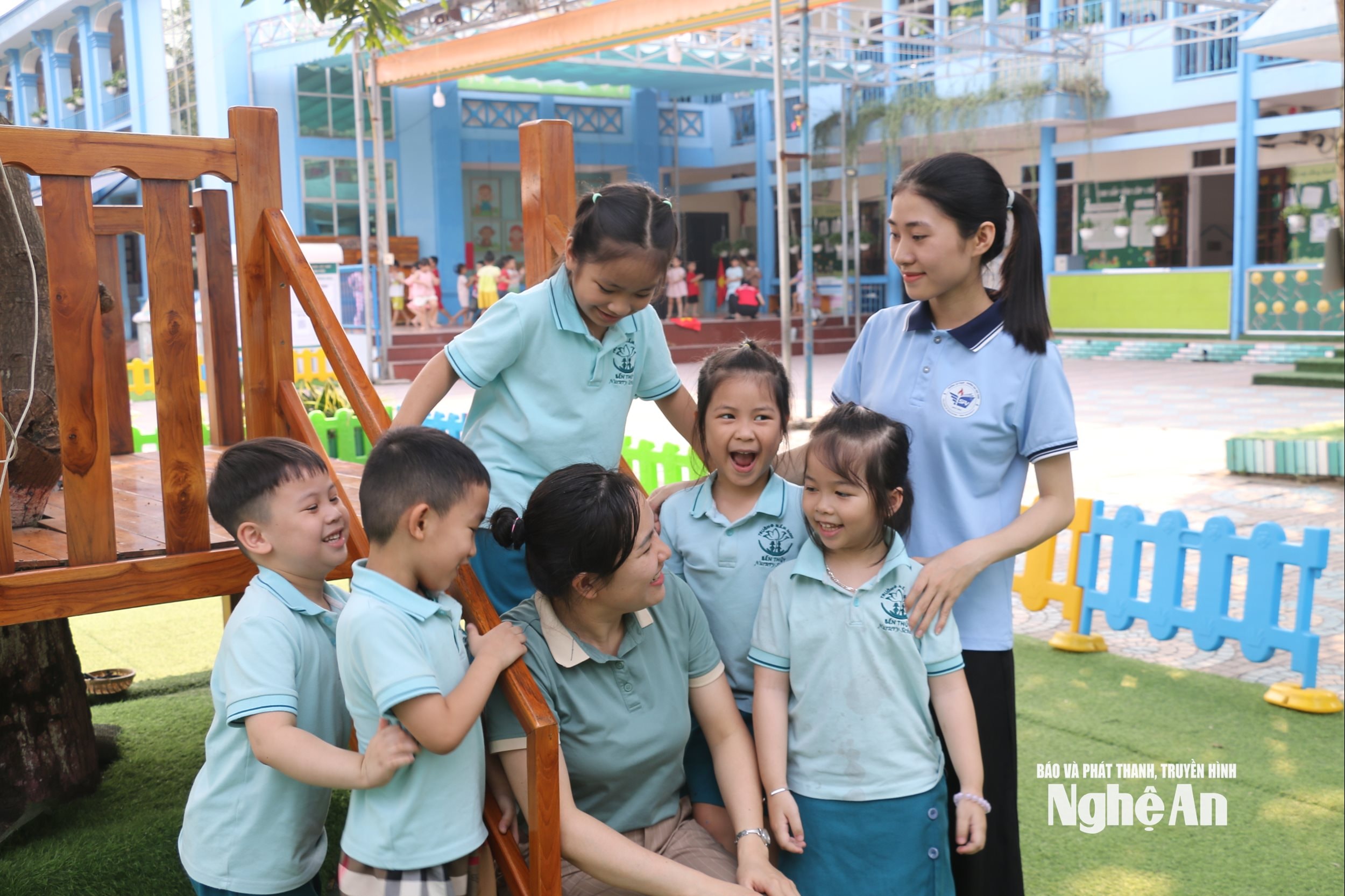
According to the head of the Preschool Education Department, the process of implementing universal preschool education for children aged 3-5 in Nghe An has many advantages. First and foremost is the attention of the State through policies of tuition fee exemption, support for learning costs and lunch money for children.
Along with that, the facilities of preschools in the province have been gradually invested in and improved, creating favorable conditions for encouraging children to attend classes.
In addition, in recent years, parents' awareness of the role and significance of preschool education has increased, and many families want their children to learn in a safe and high-quality environment, making it easier to encourage children to attend preschool.
However, the entire sector still faces numerous challenges, such as the enormous need for infrastructure investment but limited budget resources, and significant limitations in social mobilization efforts. To achieve universal preschool education, Nghe An province is projected to need to build 1,883 new preschool classrooms and communal kitchens by 2030 to replace temporary, outdated classrooms and relocate schools to new locations. Furthermore, there is a significant shortage of preschool teachers, approximately 3,000, affecting the conditions for universal education, child safety, and quality improvement.
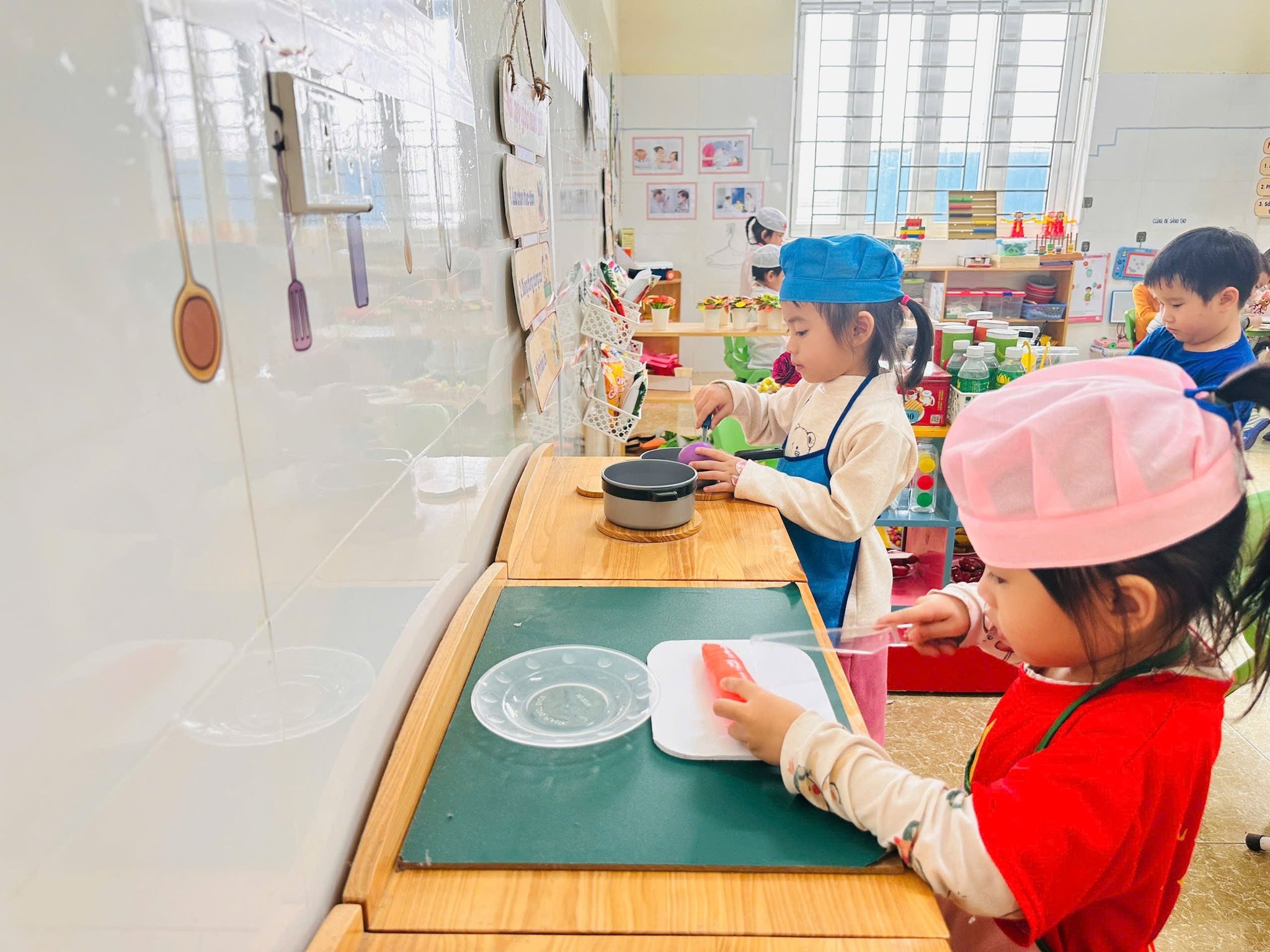
These difficulties also affect the mobilization of children to attend school.
In total, Nghe An province currently has 540 preschools, including 49 public schools, 61 private schools, and 38 independent preschool facilities.
According to statistics from the Department of Education and Training, the current enrollment rate for children in the province is 61.9%. Of this, nursery schools account for 24.4%, and kindergartens account for 88.3%.
Furthermore, the enrollment rate of children in preschool varies significantly between regions. For example, in kindergartens, the rate in urban areas is 29.5%, while in lowland areas it is only 21% and in mountainous areas only 22.7%. Similarly, the rate in preschools also shows considerable disparities, with urban areas at 92.3% and mountainous areas at 90%. However, in lowland areas, this rate is only 82.8%.
The review also revealed that, based on these figures, it is projected that by 2026, the entire province will still have 23 communes that have not achieved universal preschool education for children aged 3 to 5, due to the insufficient enrollment rate. The province also has dozens of preschool groups and classes currently operating but without official establishment decisions, with approximately over 6,000 students enrolled. This significantly impacts the recognition of achieving universal preschool education standards.
Recognizing that universal preschool education is a strategic investment for the future, the Provincial People's Committee is currently tasking the Department of Education and Training with developing a draft plan for implementing universal preschool education for children aged 3 to 5 years old in the period 2026-2030. This plan focuses on outlining tasks and solutions to raise awareness and responsibility among relevant departments, agencies, and parents regarding universal preschool education. It also proposes solutions to improve the quality of education, expand the scale of education, invest in school facilities, train teachers, and implement policies for specific regions.


