
Igniting the thirst for knowledge in border regions:Part 1: Crossing mountains and forests in search of literacy
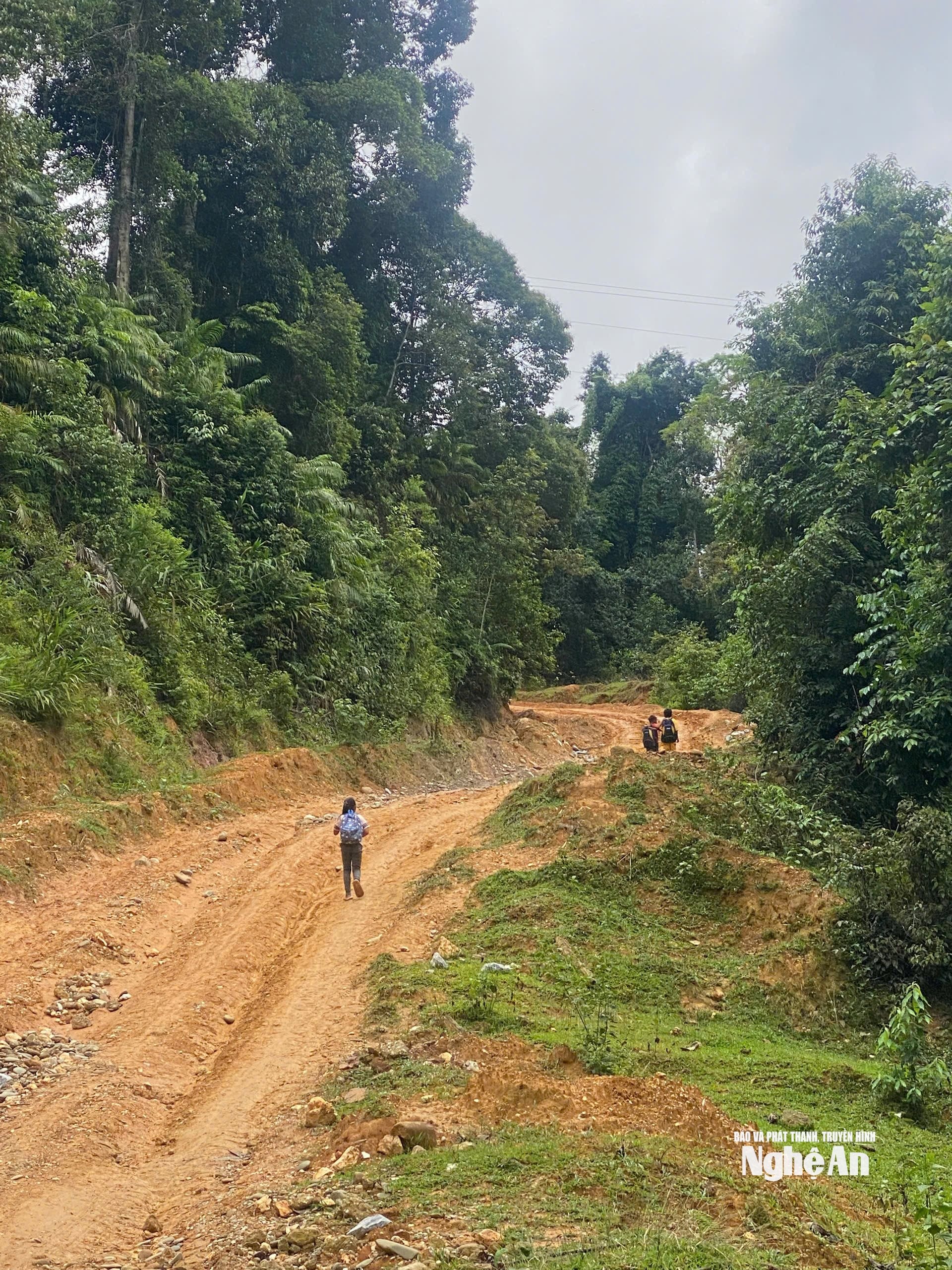
In the remote villages along the border of Nghe An province, getting to school has never been easy for children. Many schools still cannot offer boarding facilities, so children have to bring their own lunch to class. Some children, even those in first grade, have to carry backpacks and lunchboxes, traversing many kilometers of forest every day to make it to school in the morning...
.png)
Reporters' Team /Present:Hong Toai• March 7, 2026
*****
In the remote villages along the border of Nghe An province, attending school has never been easy for children. Many schools still cannot offer boarding facilities, so children have to bring their own lunch. Some children, even those in first grade, have to carry backpacks and lunchboxes, traversing many kilometers of forest to attend morning classes. Therefore, for the people in this border region, having a boarding school has been a dream and a long-awaited aspiration for many years.

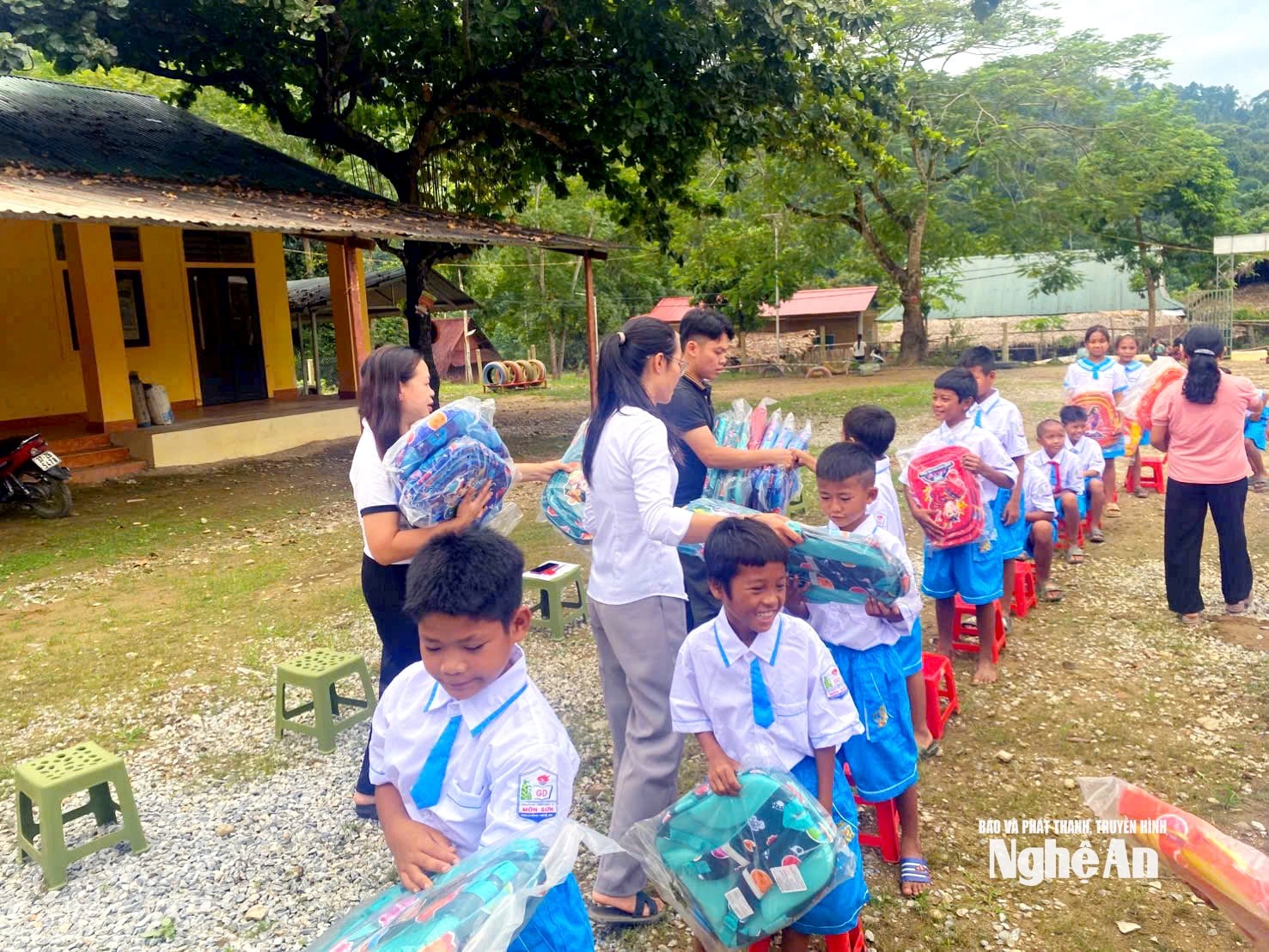
Over the years, the most common sight upon arriving in Yen village (Mon Son commune, Nghe An province) has been children with backpacks and lunchboxes trudging along muddy paths to school. In this remote border region, few parents have the means to transport their children. This is partly due to long-standing tradition and partly due to a lack of transportation. Therefore, from the first grade onwards, many students are accustomed to walking to school on their own, even if it means crossing forests and streams every day.
“That’s how it is here. Some children live more than 4 km from the school, having to cross three streams to get there, but they still have to go by themselves, it’s very hard. Many families have parents working far away, leaving their children with grandparents; even if they have motorbikes, the grandparents don’t know how to ride them to take the children to and from school. Bicycles are unusable on steep, muddy roads,” shared Mr. Vi Văn Thơm – Secretary of the Party Branch of Yên village.
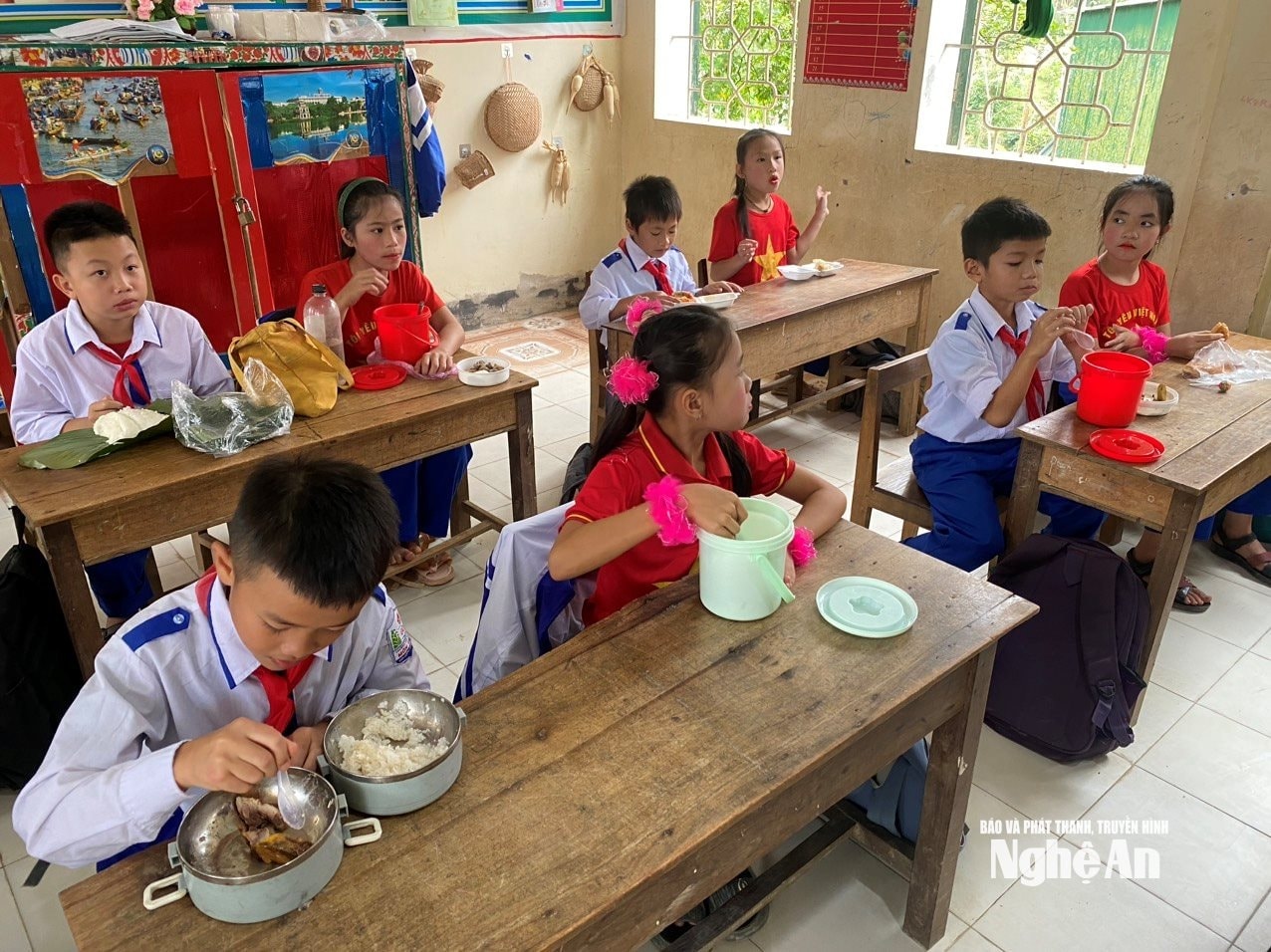
The village of Bản Yên has nearly 200 households of the Thái ethnic group and is located more than 10 km from the center of Môn Sơn commune. Due to this remote location, Môn Sơn Primary School No. 1 still maintains a branch school in addition to its main campus in the center of the village. The Bản Yên branch school currently has 58 students, but as many as 50 of them have to bring their own lunch to school because their homes are far from the school.
Because their homes are far away, many students have to wake up at dawn, hurriedly pack their simple lunch in lunchboxes, and begin their journey to school before sunrise. The school doesn't have a cafeteria, so after morning classes, they eat right in the classroom, then pull the desks and chairs together to make a makeshift nap spot...
According to Mr. Nguyen Duy Linh, Principal of Mon Son Primary School: "According to regulations, the school is eligible to provide lunch for students. However, in reality, due to inadequate facilities, we are forced to send all students home after each school day."
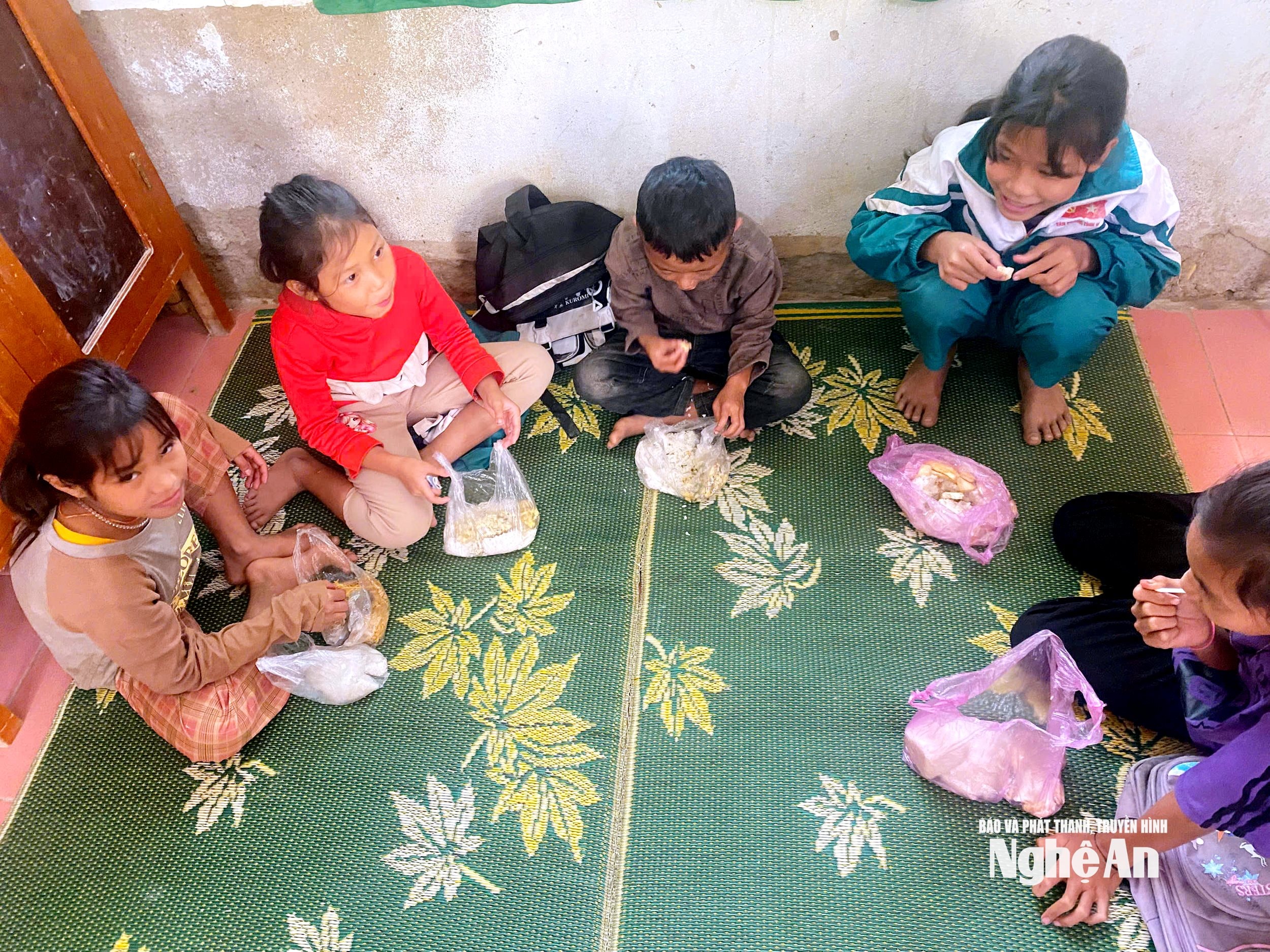
At the Yen village school alone, 32 out of 58 students are eligible for boarding school because their homes are 4km or more away from the school, requiring them to cross several streams. However, due to the school's lack of facilities, including a dining hall and sleeping quarters for boarding students, the children have to bring their own lunch. The support allowance has to be distributed to parents to take home. Each month, the parents of these 32 students receive nearly 1 million VND and 15 kg of rice. "It's very problematic," said Mr. Linh.
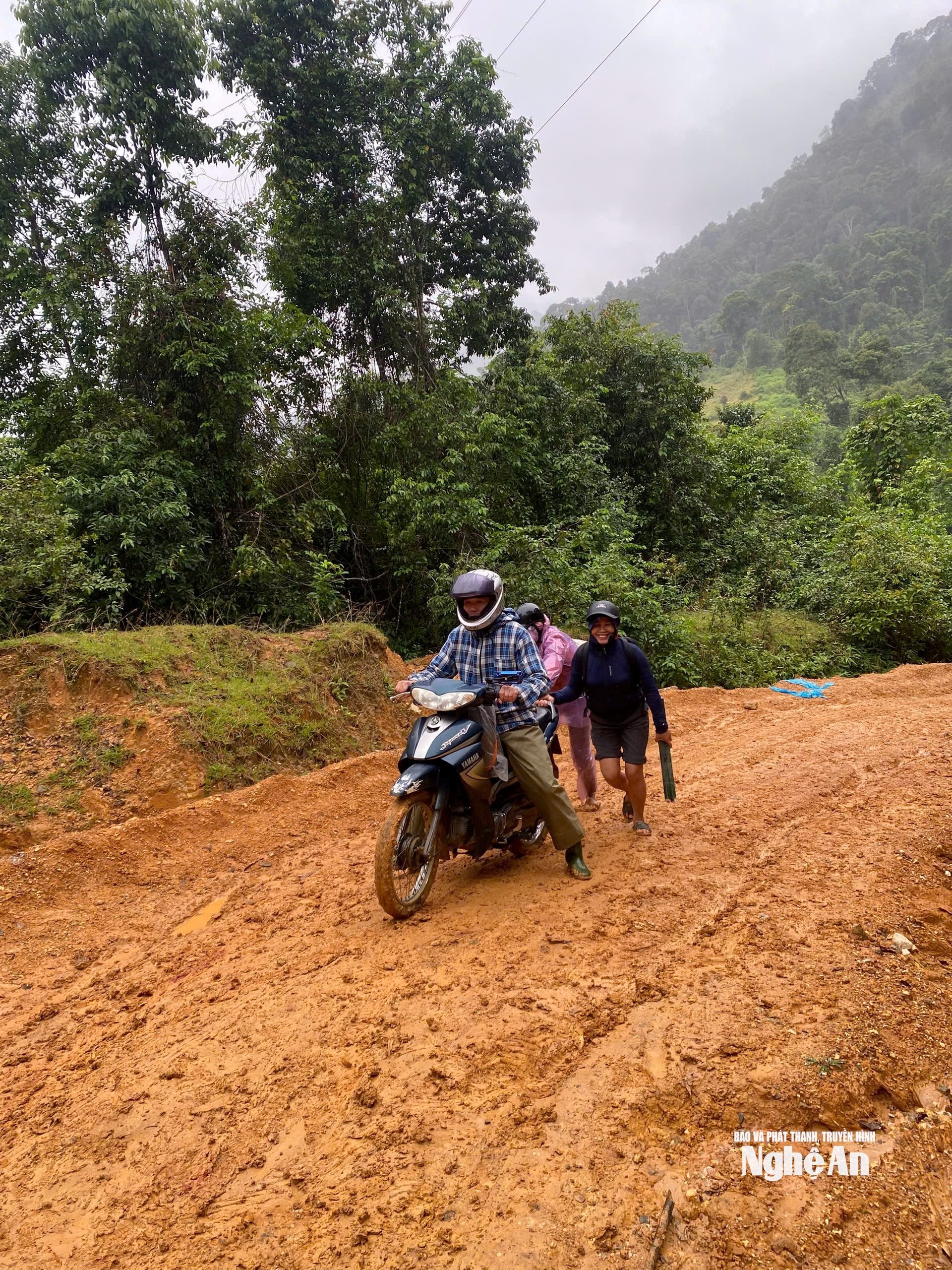
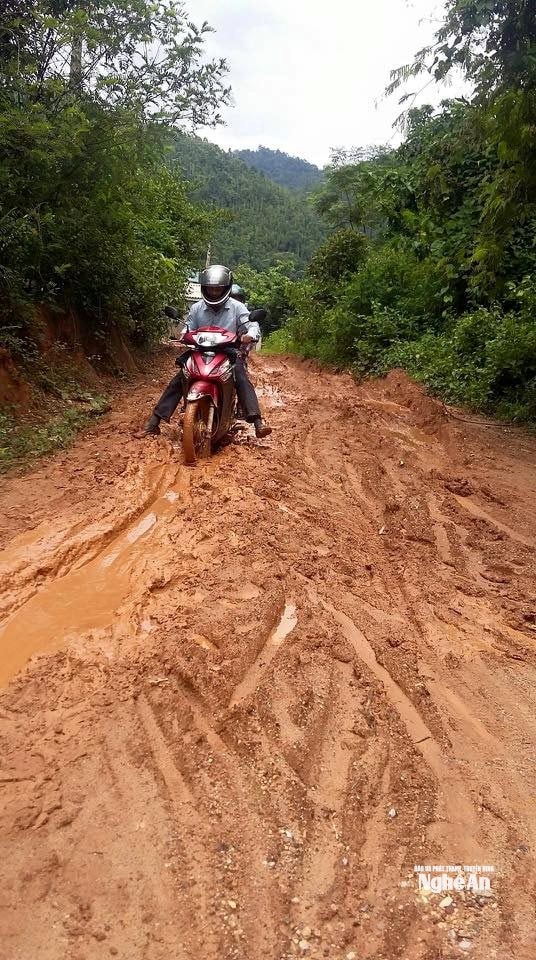
If the journey to school for primary school students in Yen village is already difficult, the path to literacy for secondary school students in this village is even more arduous. According to the Party Secretary of Yen village: Many residential clusters in Yen village are 12-13 km away from Mon Son Secondary School. This road is very slippery and muddy; during the rainy season, it is only possible to travel on foot. In the dry season, it takes the children nearly two hours to get to school by bicycle. Because of the arduous journey to school, many children have dropped out. Historically, very few children in the village have pursued higher education...
.jpg)
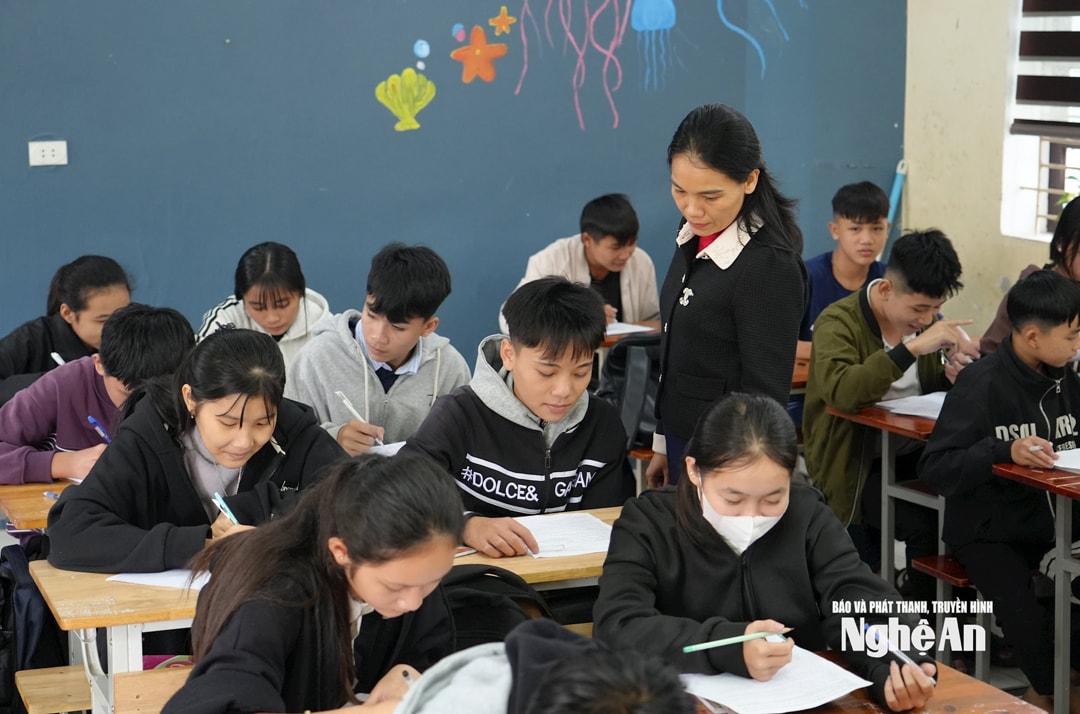

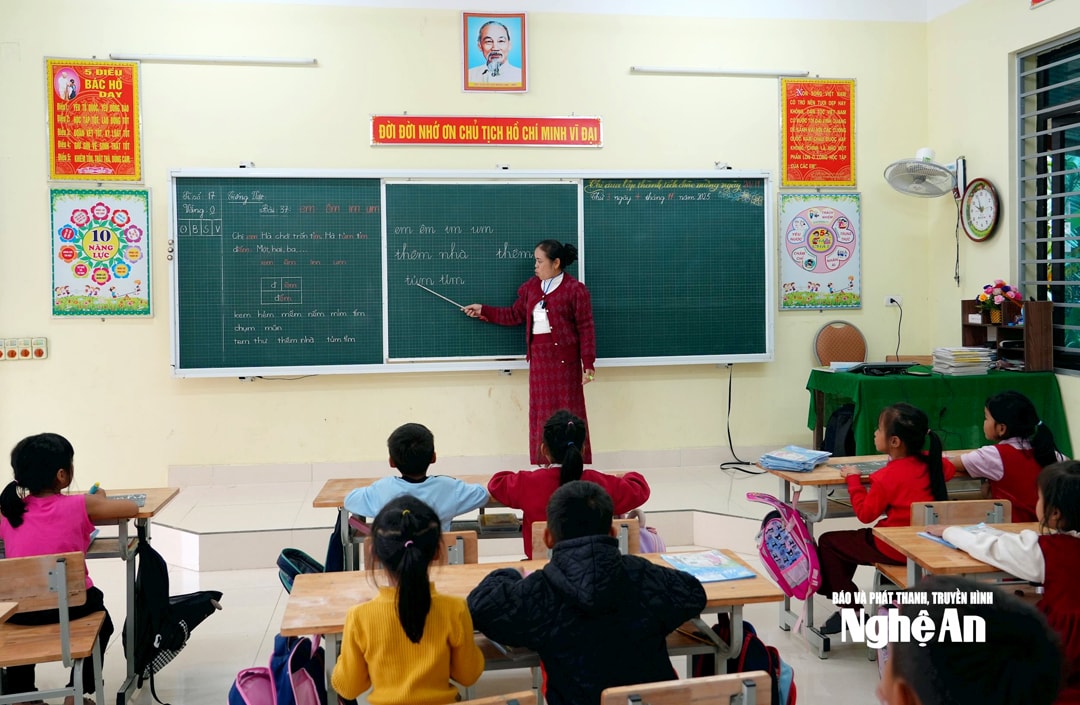
Currently, the border commune of Mon Son has 3 primary schools and 7 satellite schools; none of them offer boarding facilities for students. Therefore, many students still have to travel long distances twice a day to get to school. According to teacher Nguyen Duy Linh: “If all students were brought to a multi-level boarding school, it would not only benefit the students but also make things easier for the administrators. As it is now, with many satellite schools located far apart, scheduling classes is very difficult because it’s impossible to teach at one school and then immediately move to another.”
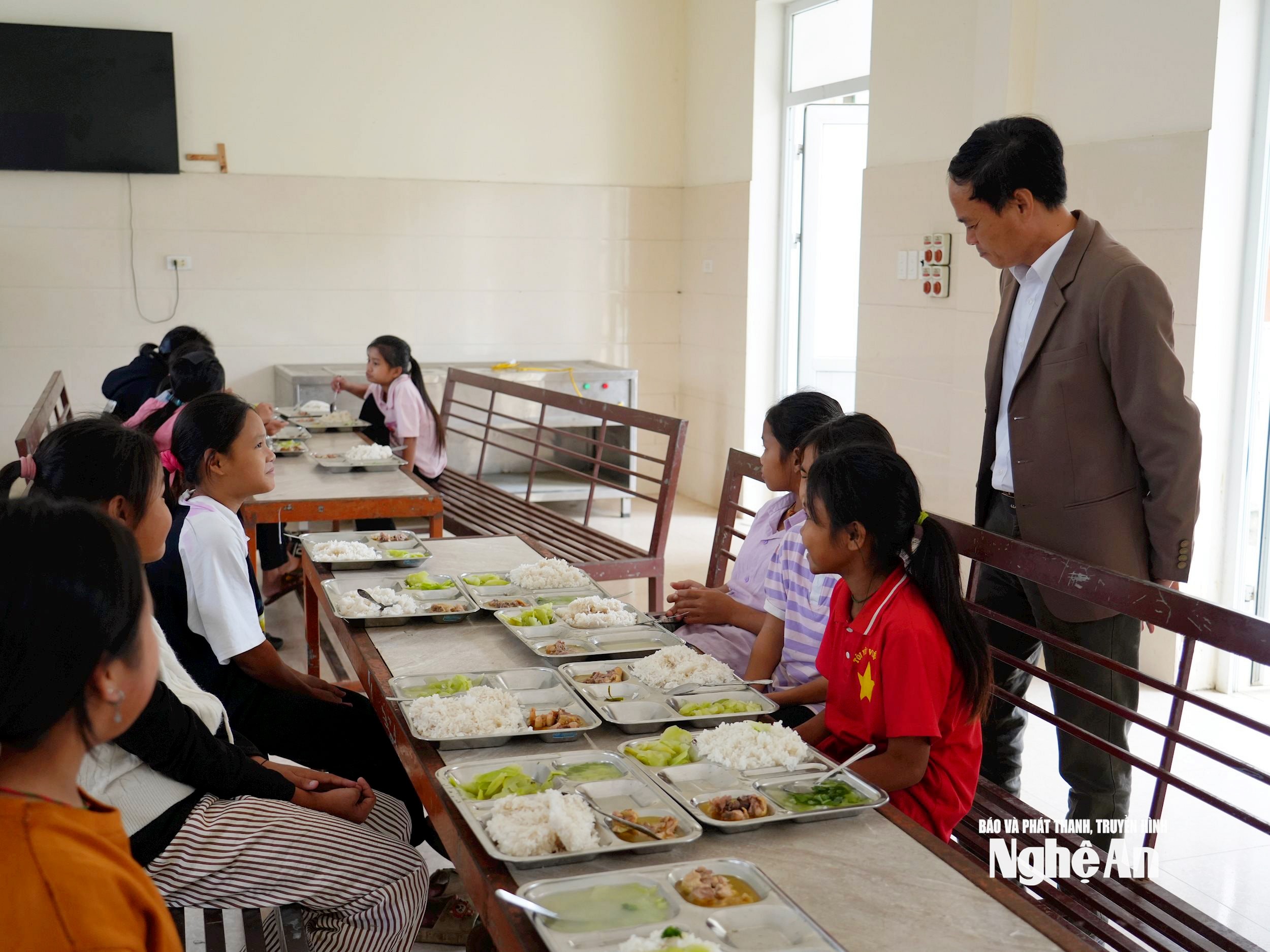
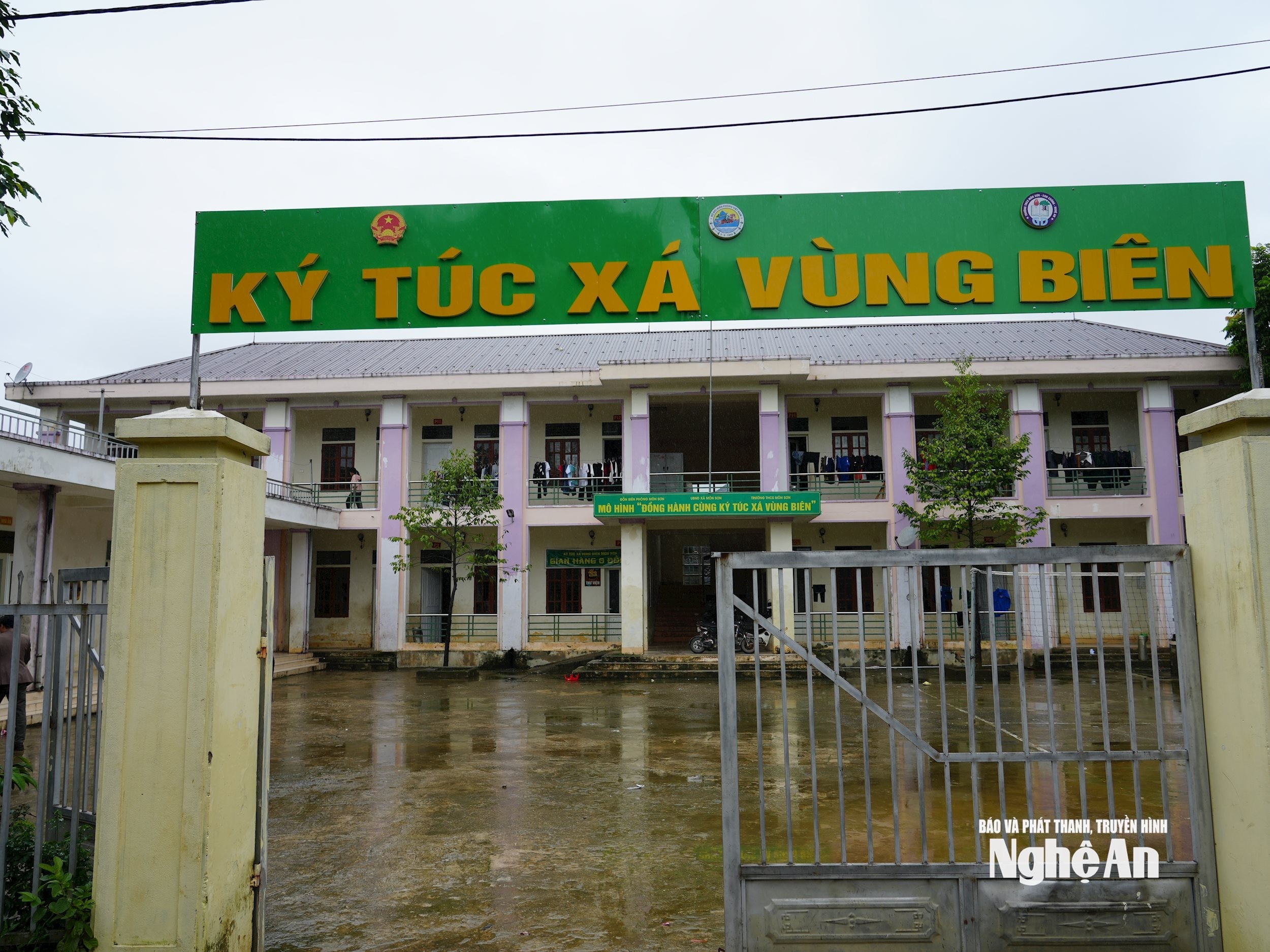
Similarly, the two junior high schools in Mon Son commune are still not boarding schools. Therefore, students from remote villages like Yen, even though they receive benefits for ethnic minority students, still have to commute daily. Mr. Nguyen Van Vi, the principal of Mon Son Junior High School, said: The school's dormitory only has enough space for 86 Dan Lai students from Bung and Co Phat villages. These two villages are located deep in the Pu Mat forest, nearly 25 km from the school via forest roads.
“In recent years, the Provincial Border Guard has implemented the ‘Accompanying Border Dormitories’ model at the school dormitory, so the students of Dan Lai receive dedicated care during their boarding school stay. To implement this model, the Mon Son Border Guard Post has assigned three officers and soldiers to live in the dormitory to take care of the students' meals and sleep,” Mr. Vi said.
Despite having dormitories, the education of Dan Lai students still faces difficulties and shortcomings. Le Van Thang (13 years old, from Co Phat village) is a student living in the border dormitory. Like many other Dan Lai students, Thang has to walk nearly four hours from home to school on Sunday afternoons. During the week, Thang lives, eats, and studies in the dormitory with his friends. On Friday afternoons, after school ends, Thang walks home, arriving late at night. "My parents work far away and only come home occasionally, so there's no one at home on weekends. I want to stay in the dormitory permanently, but the regulations require me to go home..." Thang confided.
Similarly to Mon Son commune, the education of students in Pha Lom village (Tam Thai commune) over the years has not been easy. Pha Lom is the most remote village in the commune, bordering Vietnam and Laos, and was once considered the "core of poverty" in the highlands of Tuong Duong district.
The village has nearly 200 Hmong households, with about 800 inhabitants. However, historically, the number of people who have gone on to university can be counted on the fingers of one hand. Mr. Xong Ba Day, Secretary of the Party Branch of Pha Lom village, said: "The village has a small preschool and primary school, but for secondary school, you have to go to the commune center. It's only a little over 10 km away, but the roads are muddy, and when it rains, you can only walk. Partly because the journey is so difficult, many people drop out of school. In the village, only 5 people have gone to university; most only learn to read and write, and only about 10% of the students go up to grade 10."
According to Mr. Day, in Pha Lom, most parents work far from home, and school-aged children have to be left in the care of their elderly grandparents, so their education is not prioritized. He hopes that a boarding school will be established soon to change this situation.
According to the Department of Education and Training, in recent years, the network of schools in mountainous communes has been reviewed and merged; however, it remains fragmented, with many combined school locations and classes; the infrastructure and teaching equipment do not yet meet the requirements for innovation and improvement of the quality of care and education for preschool children and primary and secondary school students, especially technological equipment to promote STEM education.
To date, Nghe An province has built 8 ethnic boarding schools and 84 ethnic semi-boarding schools, providing opportunities for ethnic minority students to attend school more easily. However, the infrastructure for boarding and semi-boarding students still faces many challenges. Of the 2,340 boarding and semi-boarding rooms, only 1,744 are structurally sound; of the 86 dining halls and kitchens, only 67 are structurally sound; of the 75 food storage facilities, only 40 are structurally sound; and of the 80 clean water facilities and 240 toilets, only 174 are structurally sound.
By the 2025-2026 school year, Nghe An province will have 652 schools located in ethnic minority and mountainous areas, including 222 preschools, 216 primary schools, 184 lower secondary schools, and 30 upper secondary schools. However, there are still 573 scattered school locations, mainly at the preschool and primary levels.
Approximately 60-70% of primary and secondary schools in border areas offer boarding facilities. This means that 30-40% of schools either do not have boarding facilities or their facilities are not of sufficient size. With around 150-180 schools in border areas, it is estimated that 45-70 schools either do not offer boarding facilities or their facilities do not meet the needs.
According to statistics from the Education sector, there are currently approximately 230,000 – 250,000 secondary school students in mountainous areas. Of these, about 90,000 - 110,000 are in particularly disadvantaged areas (border regions and remote areas). It is estimated that there are approximately 35,000 - 50,000 students in border communes of Nghe An province.
In mountainous areas, 20-35% of students have to travel more than 4-5 km to school. In some remote villages in mountainous communes within the former districts of Ky Son, Tuong Duong, and Que Phong, the distance is commonly 5-12 km. Some schools are located 15-20 km from the commune center through the forest. With 35,000-50,000 students in border areas, it is estimated that 8,000-15,000 students have to travel more than 5 km to school (mostly primary and secondary school students).
---------o0o--------
(To be continued)


